Armbar in MMA: 8 Fights That Prove It Works
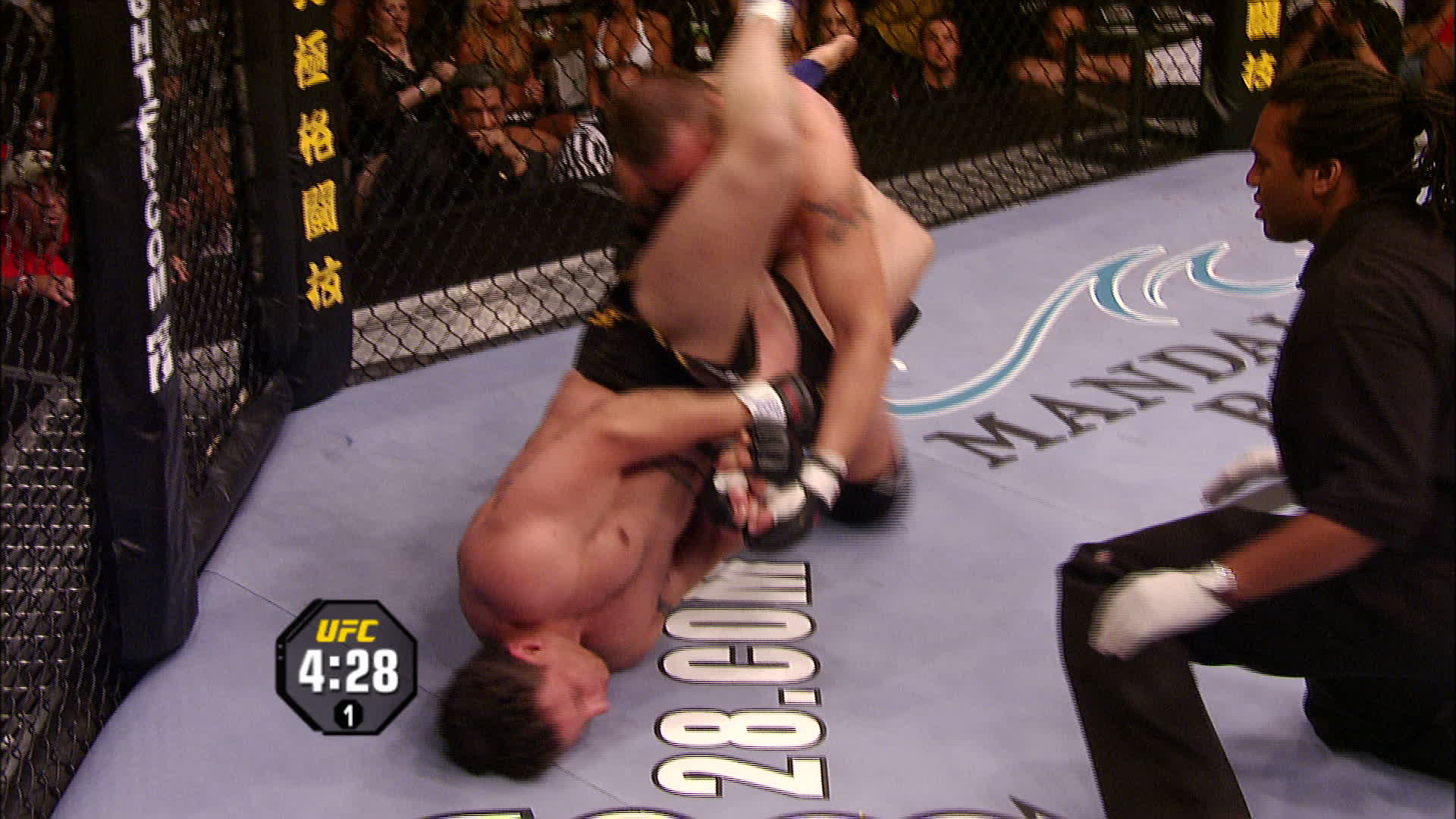
Fifty seconds into the first round at UFC 48, Tim Sylvia tapped three times, but referee Steve Mazzagatti had already stopped watching his hand. He was watching Sylvia’s forearm bend at an angle forearms don’t bend. Frank Mir’s armbar snapped the radius clean, and it remains the loudest argument MMA has ever produced for a submission most fans assume only works on smaller, more technical fighters. Heavyweights tap to it. Wrestlers tap to it. Two-time champions tap to it. The armbar mma fans grew up watching in gi Jiu-Jitsu translates into the cage more often than any hold except the rear naked choke, and the mechanics behind why are worth understanding before the next title fight ends in sixty seconds flat.
What an Armbar in MMA Actually Does to the Elbow
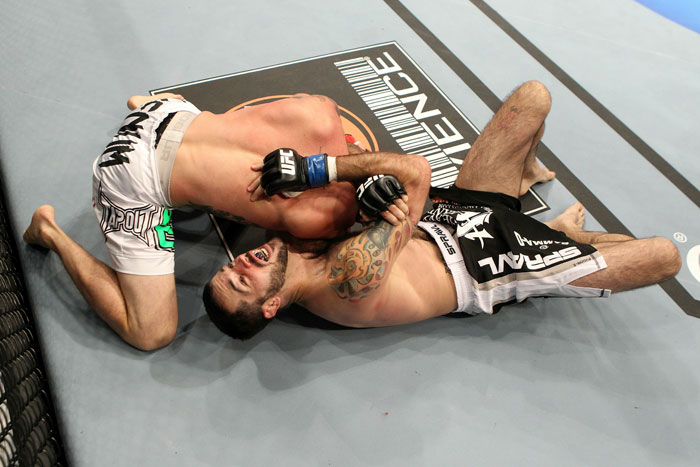
The elbow is a hinge joint. It bends one direction and locks hard everywhere else. An armbar exploits that by isolating the opponent’s arm — wrist pinned to the attacker’s chest, elbow pressed across the hip bone, legs clamped over the shoulder and torso — then extending the hips upward while pulling the wrist down. The arm has nowhere to go but straight, and straight is past where the joint is built to stop. Tap early and nothing happens. Tap late, or not at all, and the ligaments give before the bone does, which is exactly what happened to Sylvia.
What makes the hold dangerous isn’t strength. A 125-pound flyweight can break a 265-pound heavyweight’s elbow with an armbar, because the attacker is using hip extension and body weight, not bicep curl. That is the entire sales pitch Brazilian Jiu-Jitsu made to the striking-heavy early UFC crowd, and Royce Gracie is the man who delivered it.
Royce Gracie Brought the Armbar Into the Cage First
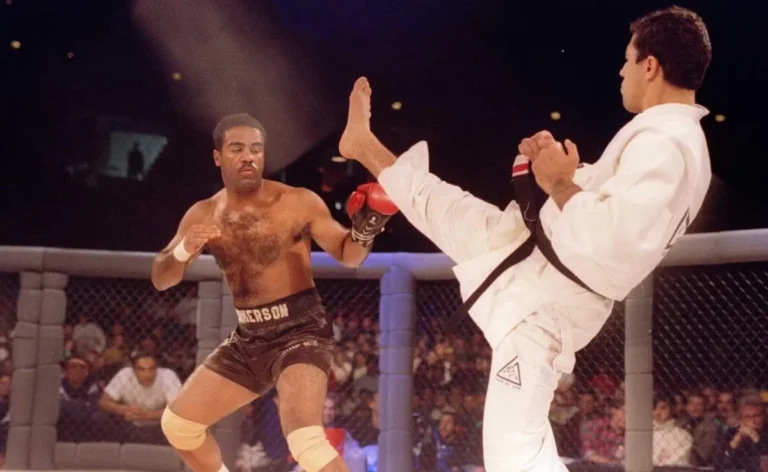
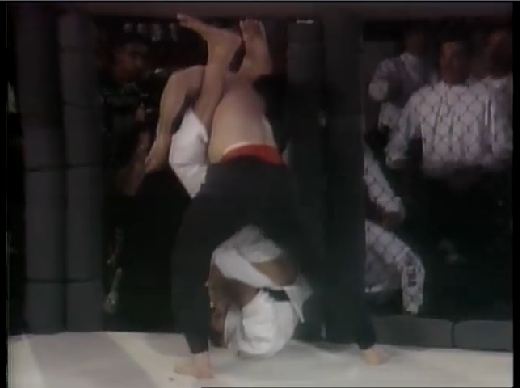
At UFC 2 in 1994, Royce Gracie met Jason DeLucia in the tournament semifinal and ended it with an image that still circulates on BJJ forums three decades later: Gracie upside down, both legs locked over DeLucia’s shoulder, hanging off the smaller man’s extended arm like he was dangling from a pull-up bar. It looked absurd. It worked in under two minutes. Gracie’s whole UFC run — detailed in his UFC 1 fighting style breakdown — was built on convincing a boxing-and-karate audience that a 175-pound man in a gi could make much bigger strikers quit on the ground, and the armbar was the cleanest proof available. No judges needed, no knockdown to argue about. The man’s arm was straight and he said stop.
No fighter weaponized the hold faster than Ronda Rousey two decades later. Her armbar over Cat Zingano at UFC 184 took fourteen seconds — the quickest finish in UFC title-fight history — and it wasn’t an outlier. Rousey finished the majority of her Strikeforce and UFC opponents with the same submission, frequently inside the first minute, built on a judo background that taught her to attack the arm the instant an opponent’s balance broke. It turned a position most casual fans had never seen into appointment viewing, the same way Gracie’s run had two decades before her.
Why Armbars Land Less Often in MMA Than in Gi BJJ
Ask any black belt why their armbar percentage drops the moment they switch from gi to MMA competition and the answer is almost always the same: grips. A gi gives the attacker fabric to grab — sleeve, collar, pants — to control the arm before the hips ever move. No-gi and MMA strip that away. Sweat and four-ounce gloves make wrist control slippery, and a padded glove is both bigger and more slippery than a bare hand, which means fighters can often work a hand free at the exact moment they’d be tapping on the mats.
There’s a second factor nobody mentions enough: posture. Gi grappling rewards sitting back and controlling distance mid-roll. MMA punishes it, because a fighter who postures up to defend an armbar is also a fighter who just created striking room for elbows and hammerfists. Defenders in MMA often choose to eat a shot rather than get extended, which is a trade nobody makes on the mats. That single difference explains why armbar mma finish rates sit well below submission grappling finish rates for the same technique.
The Entries Fighters Actually Use in the Cage
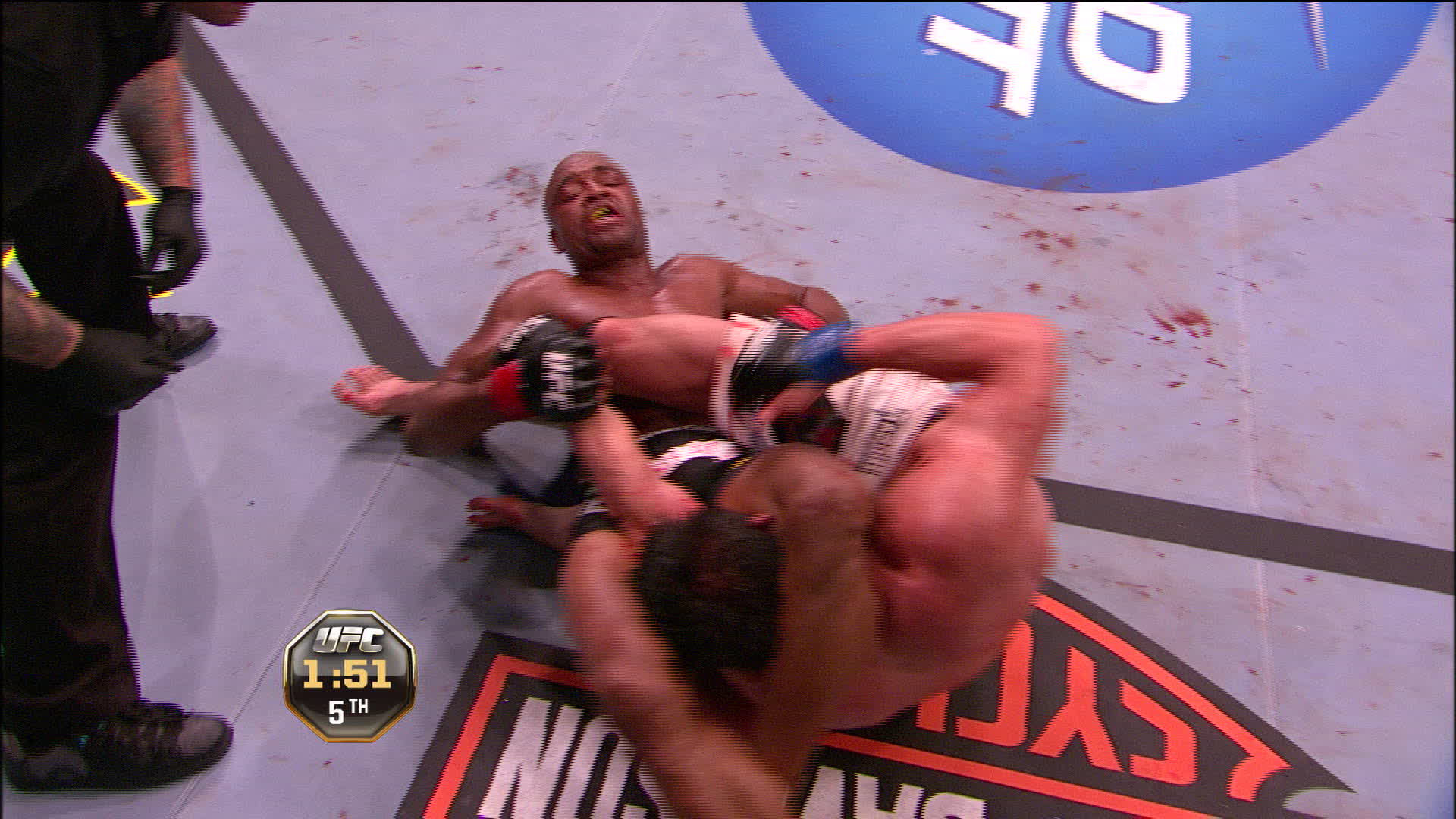
Anderson Silva’s finish over Chael Sonnen at UFC 117 is the textbook combination entry — Silva threatened a triangle choke from the bottom, Sonnen postured to defend his neck, and the second his elbow cleared Silva’s hip, the choke became an armbar instead. It is the single most common way the hold shows up in modern MMA: not as a standalone attack, but as the backup plan a trained grappler already has loaded when the first submission gets defended.
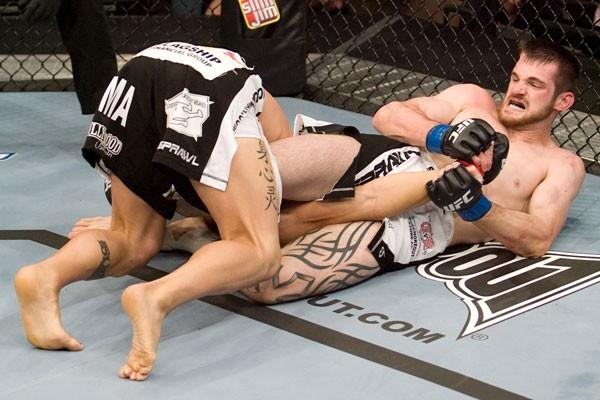
Dustin Hazelett built a reputation on the opposite approach. His finish over Josh Burkman at the TUF 7 Finale came off an unconventional leg-over entry few fighters even attempt, closer to a scramble reaction than a set play, which is a large part of why Hazelett earned a reputation as one of the UFC’s most dangerous ground technicians despite a modest overall record. Both finishes prove the same point from opposite directions: the armbar rarely arrives on schedule. It arrives when an opponent commits to defending something else.
How Fighters Defend and Escape the Armbar
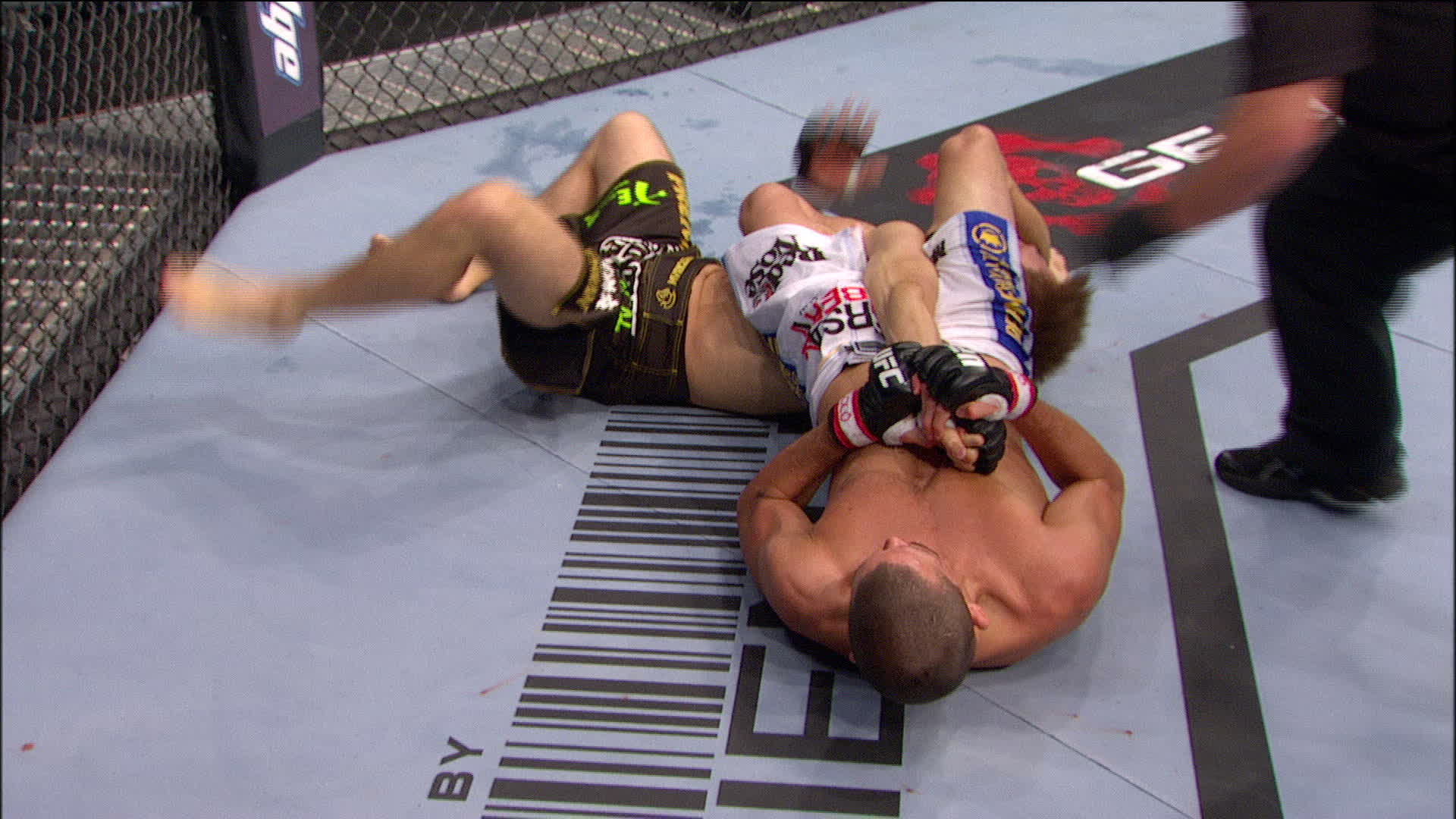
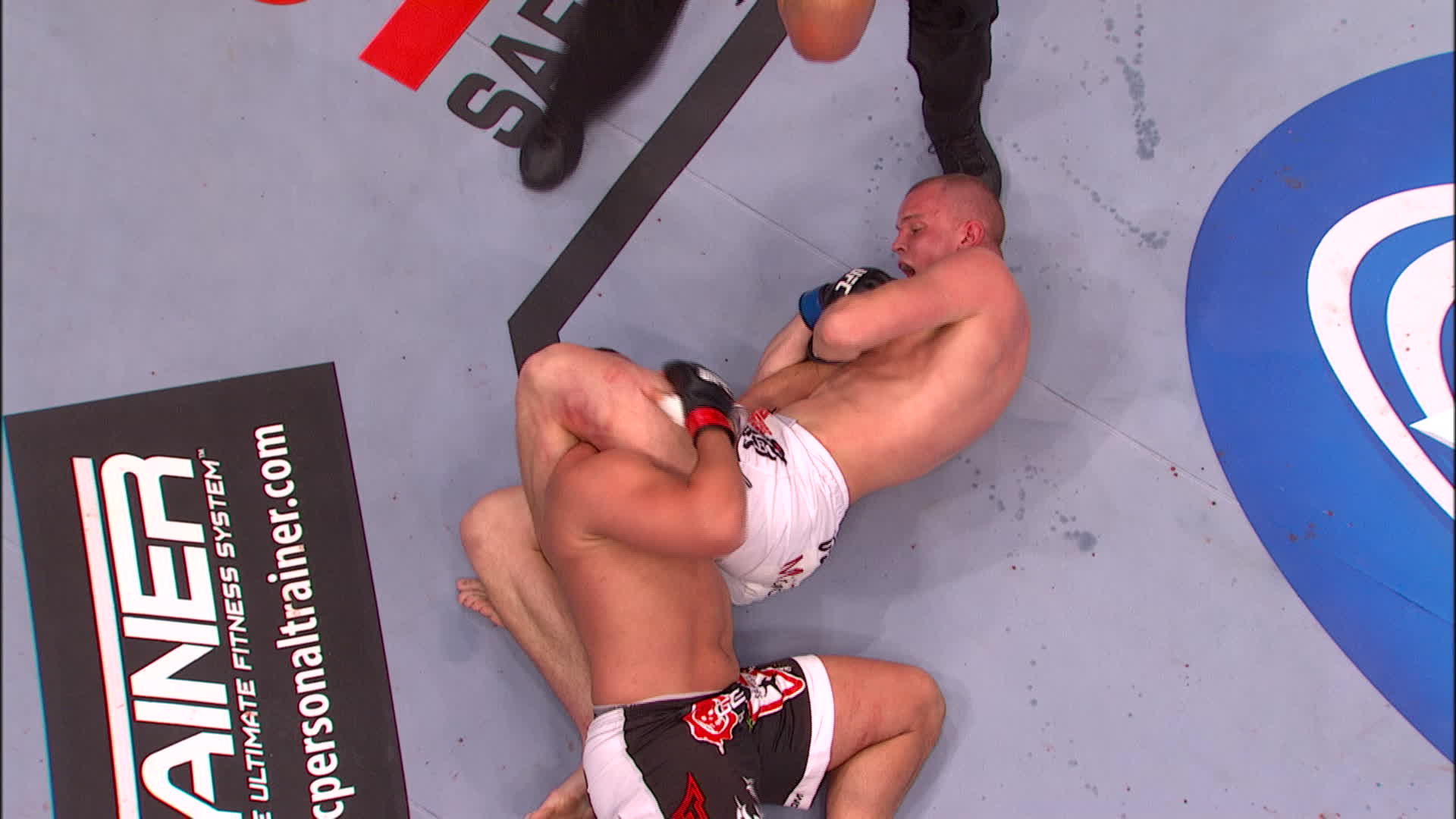
The first rule of armbar defense is the one most white belts ignore under pressure: clasp the hands together before the attacker isolates the arm. A joined grip turns one arm into a two-arm problem the attacker has to solve before the hips ever load. Stefan Struve’s finish over Pat Barry shows the second line of defense failing in real time — Struve controlled not just the arm but the far leg, taking away Barry’s ability to roll with the pressure and dump the angle, which is usually a fighter’s last escape once the grip is already broken.
Rolling toward the attacker, rather than away, is the technical escape taught in every serious grappling room, because it collapses the angle the armbar depends on. In the cage, fighters more often default to the blunt version: stack weight on top of the attacker and posture hard enough to make the finish physically impossible to complete, accepting a worse position in exchange for an intact elbow. It is not elegant. It keeps people out of casts.
Training the Armbar Without Getting Your Own Arm Broken
Coaches teach armbar entries from three positions almost exclusively at first: mount, closed guard, and the scramble off a failed takedown. Mount is the safest place to drill the mechanics because the attacker already has top control and can isolate an arm without racing a clock. Closed guard teaches the harder skill — off-balancing an opponent who still has posture and a free hand to defend with, which is closer to what a live MMA exchange actually looks like.
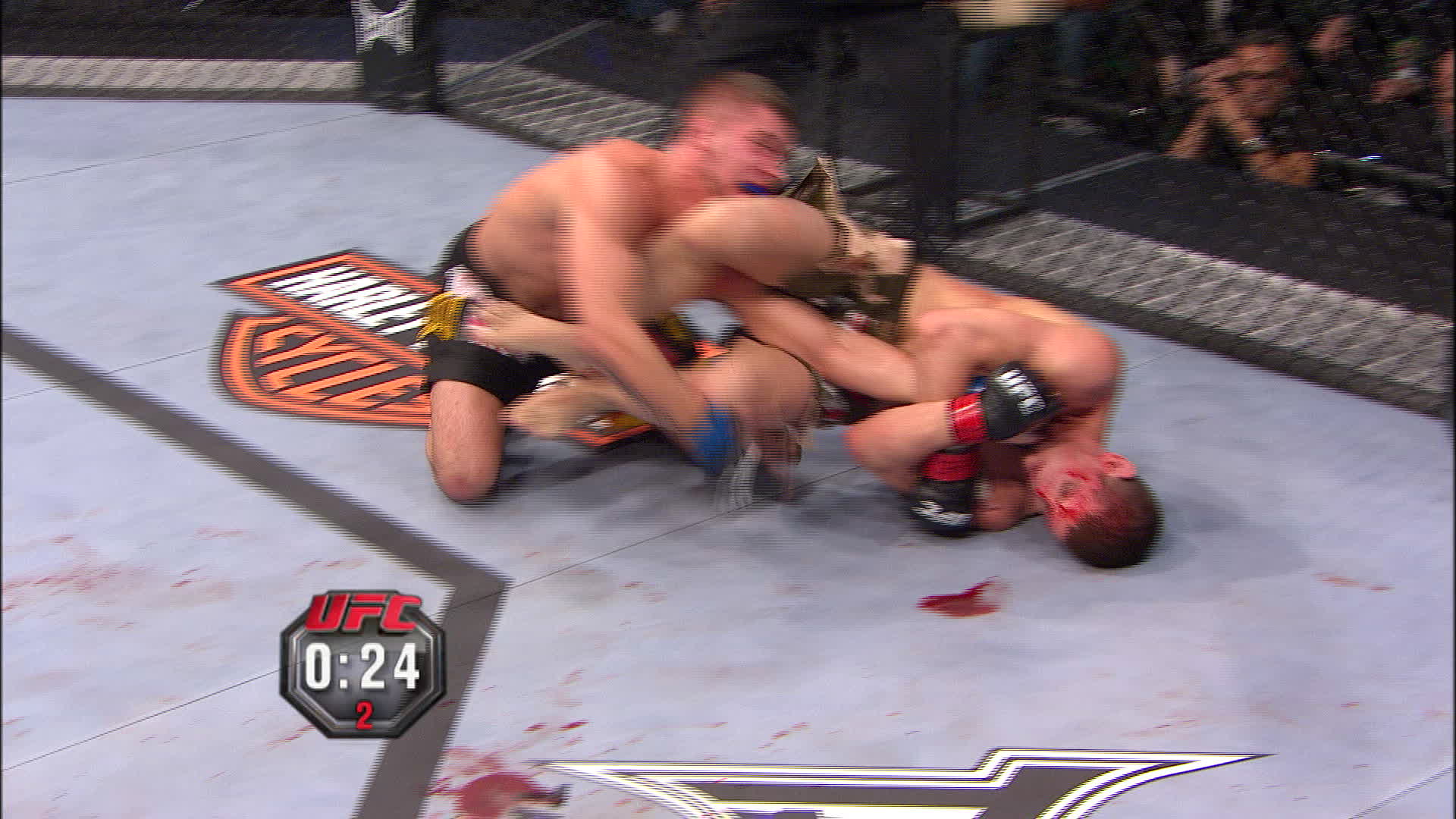
Joe Lauzon’s finish over Jeremy Stephens is a scramble-born example: a sweep that put Lauzon on top for only a few seconds before he had already isolated the arm and finished, with almost no mount or guard control in between. That speed is the entire point of drilling the position thousands of times — a real armbar window in a live fight rarely lasts longer than it took Lauzon to close his.
Chris Lytle’s reverse armbar over Matt Brown at UFC 116 is the variation most gyms teach last, applied from side control with the attacker’s body facing the opposite direction of a standard armbar. It demands more precise hip placement and is far easier to lose mid-transition, which is why most coaches wait until a fighter has the standard version finished cleanly hundreds of times before introducing it.
Building an Armbar Threat in TKO Tycoon
Fighters built around submission grappling in TKO Tycoon get the most value out of the armbar when it’s paired with a credible guard game rather than used as a standalone finishing stat. A fighter who can only threaten the armbar off their back gets postured out and stalled; a fighter whose triangle and guillotine ratings are built up alongside it forces the same dilemma Anderson Silva created on Chael Sonnen — defend one submission and walk into the other. Scout for that combination, not just a high single-submission number, when you’re deciding which prospect’s ground game is worth investing camp time into.
None of this makes the armbar a guaranteed finish. It makes it a live threat most fighters would rather avoid testing twice, which — thirty years after Royce Gracie hung upside down off Jason DeLucia’s arm — is still the best compliment a submission can earn in a sport built on getting hit.
Sources
- UFC.com — 10 Unforgettable UFC Armbars — fight-by-fight breakdown of the armbar finishes referenced throughout this article, including Mir/Sylvia, Gracie/DeLucia, Diaz/Gomi, Lauzon/Stephens, Struve/Barry, Silva/Sonnen, Lytle/Brown, and Hazelett/Burkman.
- UFC.com — Royce Gracie Athlete Profile — career record and tournament history from UFC 1 and UFC 2.
- ESPN MMA — fight results and record verification for referenced bouts.