North-South Choke in MMA: 3 Fights That Prove It Works
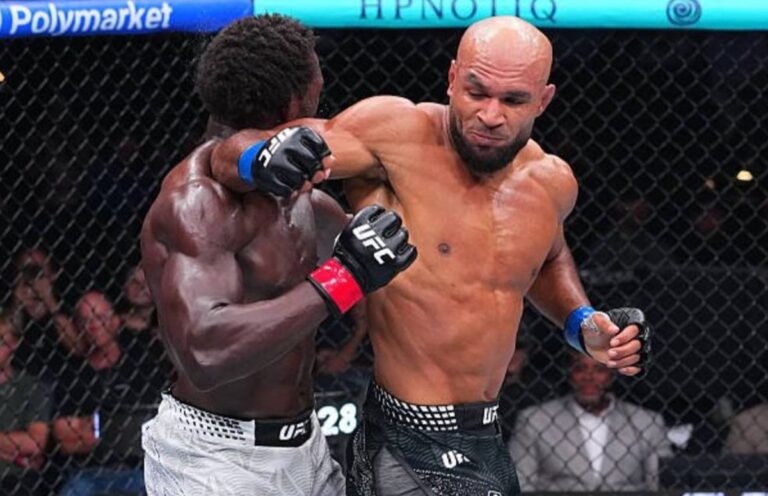
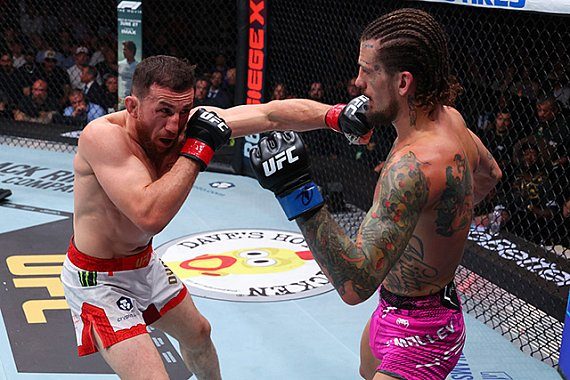
At 4:42 of the third round at UFC 316, Sean O’Malley’s hand slapped the canvas — not from a punch, not from a rear-naked choke, but from a north-south choke, a finish so uncommon at the highest level that broadcasters had to explain what it even was, live, on the air. Merab Dvalishvili had just recorded his first true submission win in a UFC run built almost entirely on decisions and doctor stoppages, and he wanted credit for it: he told reporters afterward he wants people to start calling it the “Machine Choke,” a nod to his own nickname. The technique has lived in jiu-jitsu rooms for decades. In a UFC title fight, it had never ended one — until June 2025.
What Is the North-South Choke?
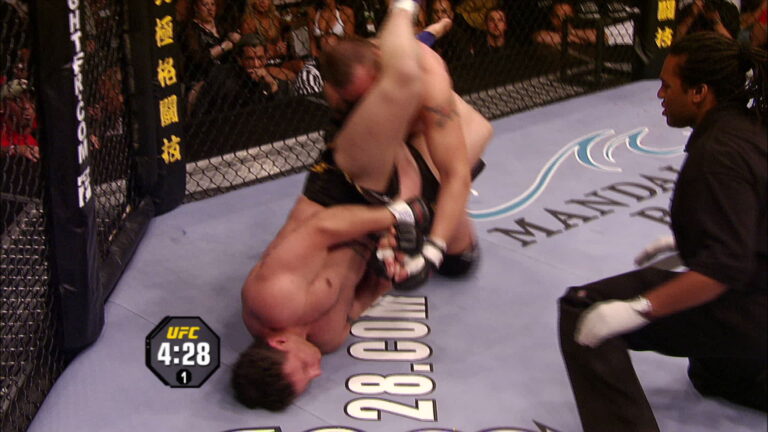
The north-south position looks less dangerous than mount or back control, which might be exactly why it gets ignored on highlight reels. The attacker lies chest-to-chest with the opponent but rotated 180 degrees — head pointed toward the legs, weight pinning the torso flat. From there, the choke comes from threading an arm under the neck and squeezing the bicep and forearm together against the carotid arteries. It’s a blood choke, not an air choke, which means the opponent goes out from restricted circulation rather than a lack of oxygen. Wikipedia’s entry on the position traces its roots back to judo’s kesa-gatame pins before Brazilian jiu-jitsu adapted it into a dedicated submission.
There isn’t just one way to finish it, either. Some grapplers wrap a single arm under the chin and squeeze against their own shoulder. Others thread both arms through for a tighter, two-handed grip, or shift into an Ezekiel-style variation using the sleeve of a gi or rashguard as extra leverage. Dvalishvili’s version against O’Malley was closer to the single-arm grip, adjusted mid-scramble rather than set up from a static position — which is part of why it looked so unfamiliar to fans watching live.
How Merab Dvalishvili’s “Machine Choke” Shocked Sean O’Malley
Dvalishvili had already out-wrestled O’Malley for two and a half rounds by the time the finish arrived. According to fight coverage from Sherdog, what started as an anaconda-style choke attempt shifted the moment O’Malley postured up to defend it — Dvalishvili adjusted his grip into something commentators described as a reverse “ninja choke,” officially scored as a north-south, and buried his forearm under the jaw. O’Malley, a fighter with a reputation for slick counter-striking, had no answer once the shoulder pressure locked in. The referee waved it off at 4:42 of round three.
It was Dvalishvili’s first genuine submission finish since 2017, and it happened in the biggest fight of his career, against the man he’d already beaten once by decision. That detail matters: the champion didn’t need a finish to win the rematch. He got one anyway, with a technique almost nobody in the bantamweight division trains to defend. It also extended a title reign built on volume and relentless pace rather than one-punch power, which made the sudden submission feel like a new gear rather than a fluke.
Why This Submission Stays Rare at the Highest Level
Ask most black belts and they’ll tell you the same thing — north-south is a control position first and a submission second. Holding it requires total weight distribution across an opponent’s chest while they’re actively bridging, shrimping, or trying to roll away, which is a much harder ask than mount, where gravity does more of the work for the attacker. Demian Maia, one of the most decorated grapplers to ever compete in the UFC, built an entire run on suffocating top control, and even he rarely hunted the north-south choke specifically — he preferred to advance to back mount and finish with a rear-naked once he had a hook in.
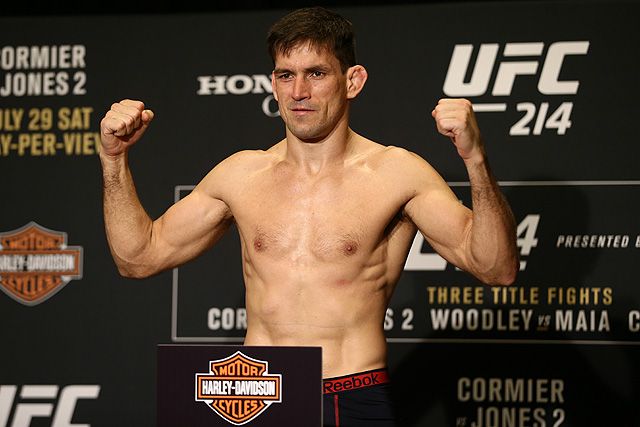
That says something about how demanding the position actually is to finish from, even for a fighter with Maia’s resume. The other reason it stays rare: most opponents know how to survive it long enough to scramble, even if they can’t escape cleanly. A fighter who recognizes the position forming has a small window to brace an underhook and turn into the pressure before the grip seals — and once it does, there’s almost no warning left.
Two More Real Fights This Choke Actually Ended
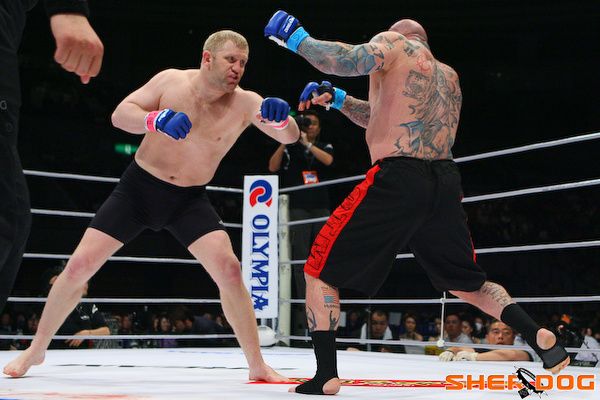
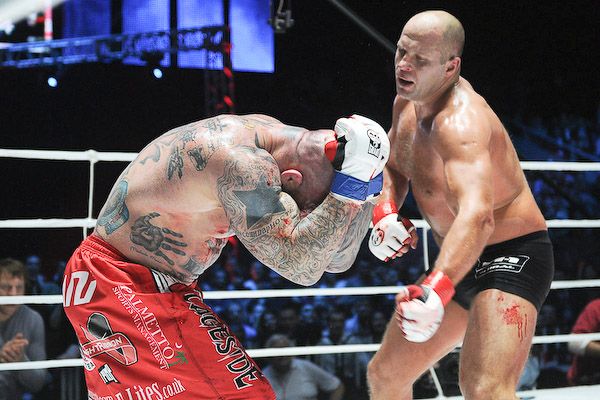
Dvalishvili isn’t the only name to make headlines with this finish. Jeff Monson, a two-time ADCC Absolute world champion nicknamed “The Snowman,” submitted Aleksander Emelianenko with a north-south choke at M-1 Challenge 35 in St. Petersburg back in 2012, tapping him at 3:17 of the second round. Monson built his entire career around exactly this kind of high-volume, suffocating ground pressure — the sort that makes a position like north-south possible to hold in the first place.
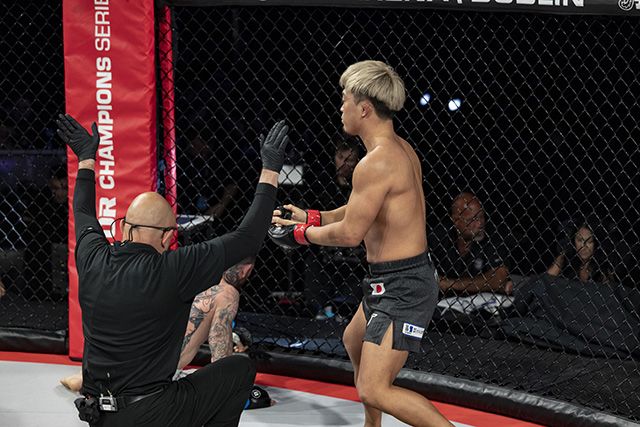
A more recent example came from an unlikely source. Shinobu Ota, a Japanese fighter with a wrestling and judo background, needed just 2:18 to lock up a north-south choke on Roger Blanque at Bellator Champions Series: Dublin, forcing the tap before the first round hit the two-minute mark. Two different weight classes, two different eras, one shared detail: both finishes came from fighters with wrestling pedigrees, not dedicated jiu-jitsu specialists, which says something about where the position’s actual power comes from.
Defending the North-South Choke
Escaping starts before the choke ever locks. The instant top pressure shifts to north-south, the defending fighter needs an inside frame — forearm across the collarbone, elbow tucked, refusing to let the attacker flatten the far shoulder to the mat. From there, a hip escape toward the choking arm creates just enough space to either stand up or recover guard. Wait too long, and the only option left is peeling fingers off a grip that’s already sealed, which rarely works once blood flow starts cutting off.
The bigger issue is that most fighters never drill this specific defense, because the position rarely comes up in sparring. That’s a big part of why it keeps catching people off guard on fight night, from regional prelims all the way to UFC pay-per-view main events. Compare that to a more common finish like the guillotine choke, which fighters see often enough in camp to build real counters for.
The Fighters Built to Land It
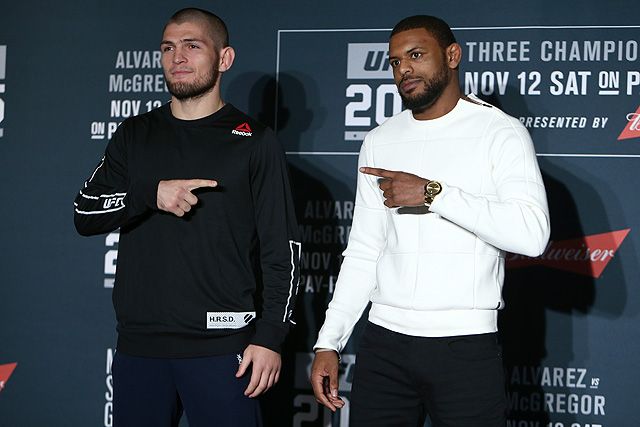
Wrestlers with heavy top pressure are the most dangerous north-south threats in MMA, because getting to the position requires exactly the kind of positional dominance their whole game is built around. Khabib Nurmagomedov spent his career grinding opponents from spot to spot on the mat until they had nothing left to give. He rarely needed the north-south choke specifically — most of his opponents broke well before it came to that — but the blueprint is identical to what Dvalishvili did to O’Malley: control the hips, deny the scramble, advance an inch at a time.
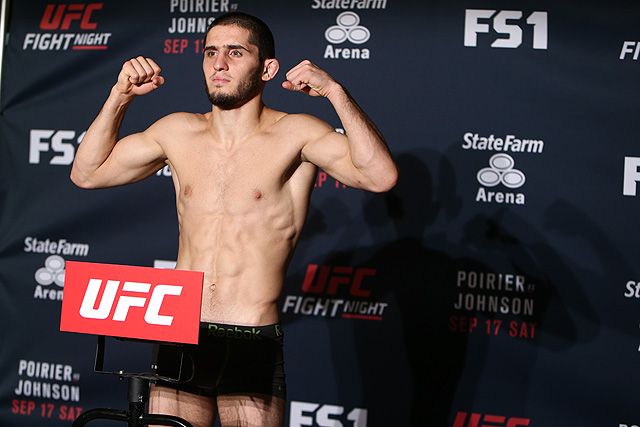
Islam Makhachev, the fighter Dvalishvili has been chasing up the pound-for-pound rankings, runs a version of the same playbook at lightweight. Neither champion needs a highlight-reel submission to make the point. Once a wrestler this good gets on top, a choke like this one is just a matter of which grip they reach for first — the same way a well-timed chain of takedowns eventually breaks an opponent’s defense down to nothing.
North-South Control in TKO Tycoon
In TKO Tycoon, fighters carrying high wrestling paired with a submission rating well above their striking will occasionally finish fights through exactly this kind of grinding top-control submission instead of a clean mount tap. Building a roster around control-heavy grapplers instead of finishers won’t get you many highlight reels. It will get you the same unglamorous, three-round pressure that ended O’Malley’s night at UFC 316 — and a lot of decisions that never needed judges, the same way a well-drilled heel hook hunter turns scrambles into finishes.
Dvalishvili wants the “Machine Choke” name to stick, and cornermen around the sport are already talking about drilling defense against it before their own fighters get caught the way O’Malley did. Expect at least one more high-profile finish from this position within the next year or two — because now that the entire division has watched it work on the biggest stage the sport offers, somebody is going to try to copy it before somebody else finally solves it.
Sources
- Sherdog — UFC 316 fight coverage — details on the Dvalishvili-O’Malley finish and its aftermath
- Wikipedia — North-south choke — technique origin and mechanics
- Sherdog — M-1 Challenge 35: Emelianenko vs. Monson — Jeff Monson’s 2012 north-south choke finish
- Sherdog — Bellator Dublin highlight: Shinobu Ota north-south chokes Roger Blanque
- UFC.com — Merab Dvalishvili athlete profile