The 5 MMA Fighter Archetypes: Which Style Wins the Belt?
MMA is not one martial art — it’s the collision of all of them. Every serious analyst who breaks down a fight card eventually lands on the same five buckets: the wrestler, the striker, the submission grappler, the pressure fighter, and the rare complete fighter who checks every box. Knowing which archetype a fighter fits tells you almost everything about how they’ll win, how they’ll lose, and what kind of fight to expect when the cage door locks. It’s also the same framework TKO Tycoon uses under the hood to build every fighter in the game.
1. The Wrestler
Wrestlers control where the fight happens, and in MMA that’s the single most valuable skill in the sport. A dominant wrestler doesn’t need to be the best striker or the most dangerous finisher — they just need to decide whether the fight stays on the feet or goes to the mat, and then make that decision stick for 15 or 25 minutes. Once the fight is where they want it, everything else follows.
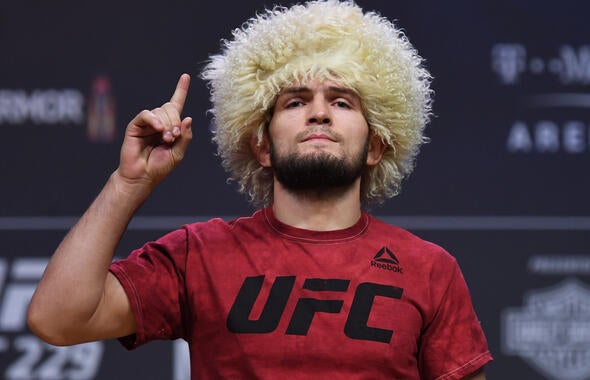
Khabib Nurmagomedov is the clearest example the sport has produced. He retired 29-0, and his formula never changed: close the distance, get a hand on you, and drag you into the fence or the mat, where his positional control from Dagestani sambo and freestyle wrestling made escape nearly impossible. He beat Conor McGregor, Dustin Poirier, and Justin Gaethje using almost the identical blueprint every time — not because opponents didn’t know what was coming, but because they couldn’t stop it.
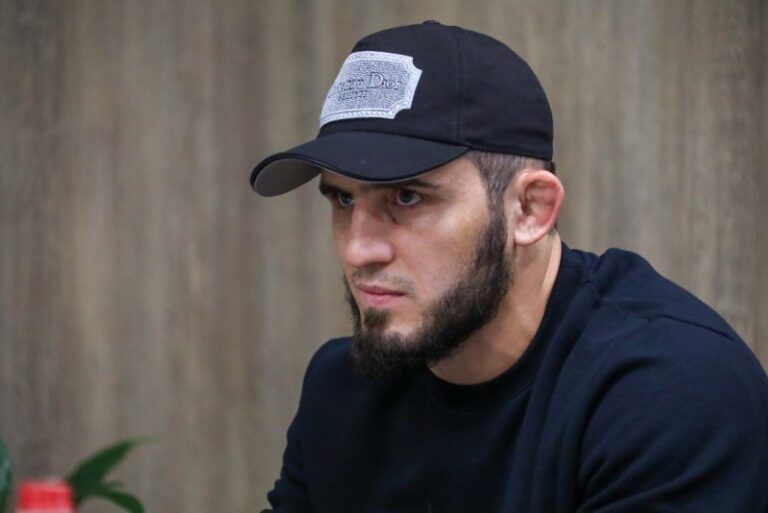
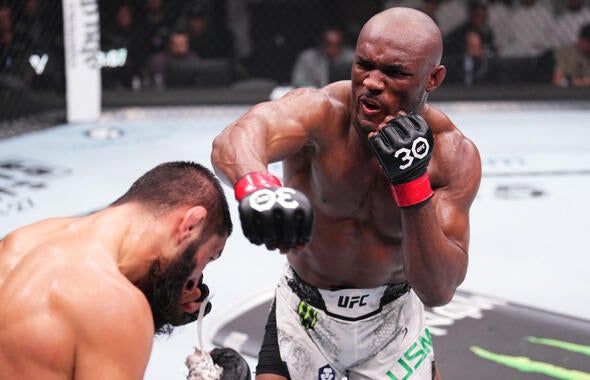
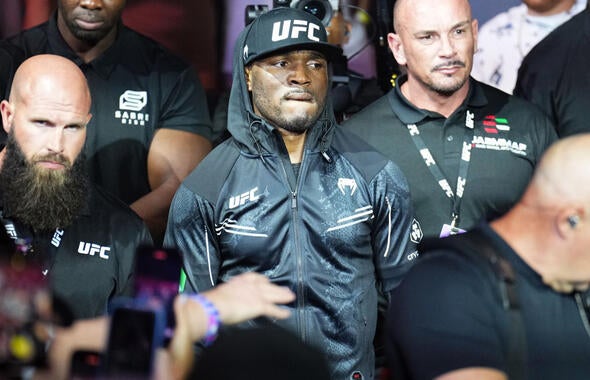
Kamaru Usman built a similarly suffocating welterweight reign around wrestling and volume, grinding out former teammates and champions alike over five-round title fights. Daniel Cormier, a two-time Olympic wrestler, used the same chain-wrestling base to become a two-division UFC champion despite never being the biggest puncher in either weight class. More recently, Islam Makhachev — Khabib’s training partner and protégé — carried the identical Dagestani wrestling system to a dominant lightweight title reign before moving up to become UFC welterweight champion in 2025. The wrestler archetype rarely produces the most exciting highlight reels, but it produces an outsized share of champions.
2. The Striker
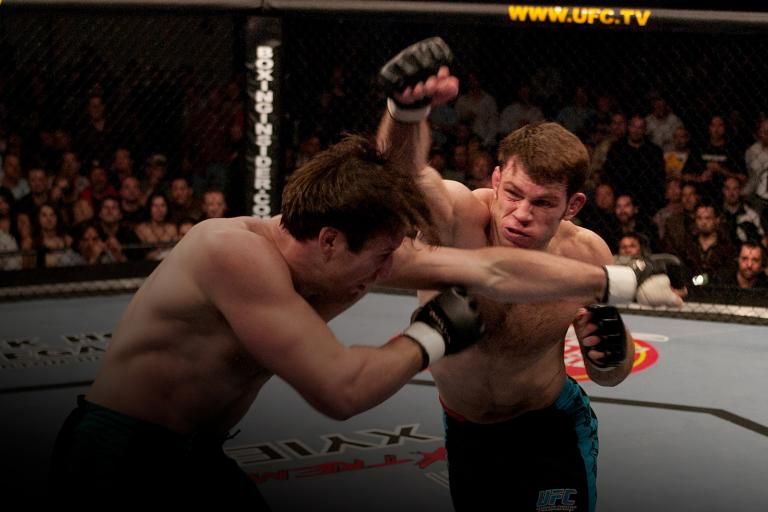
Pure strikers are the sport’s showmen — fast hands, sharp footwork, and the kind of one-shot power or volume that ends fights in highlight-reel fashion. The best strikers aren’t just boxers in gloves; they blend kicks, elbows, knees, and combinations across ranges most traditional strikers never train for.
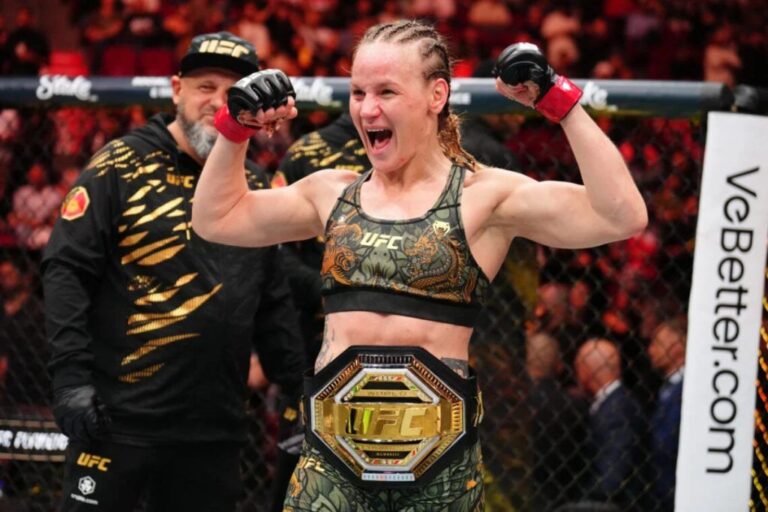
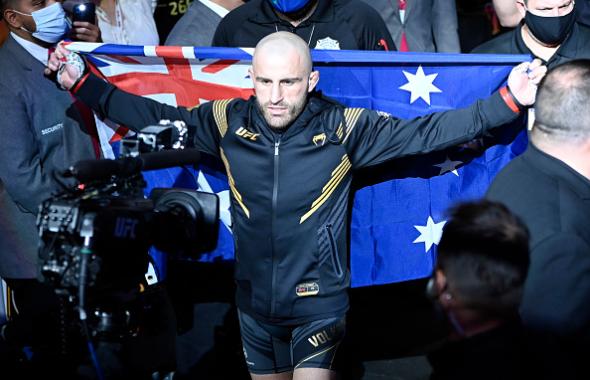
Israel Adesanya built a two-time middleweight title reign on distance management and a kickboxing pedigree that let him pick opponents apart from angles they didn’t see coming — even though his more recent stretch has been rougher, the archetype he defined for years hasn’t changed. Max Holloway represents the volume-striking end of the spectrum: relentless output, elite chin, and a gas tank that lets him out-work anyone across 25 minutes, a game that earned him the UFC’s BMF title. Valentina Shevchenko has run the women’s flyweight division for years largely on the back of world-class Muay Thai and karate-influenced striking layered with fight-ending precision. Alexander Volkanovski, the two-time and current featherweight champion, is arguably the best pure boxer-wrestler hybrid striker in the sport’s history at 145 lbs, tying Jose Aldo for the most title fight wins in the division. Strikers sell tickets because their fights can end in one exchange — but the elite ones combine that power with real technical range control.
3. The Submission Grappler
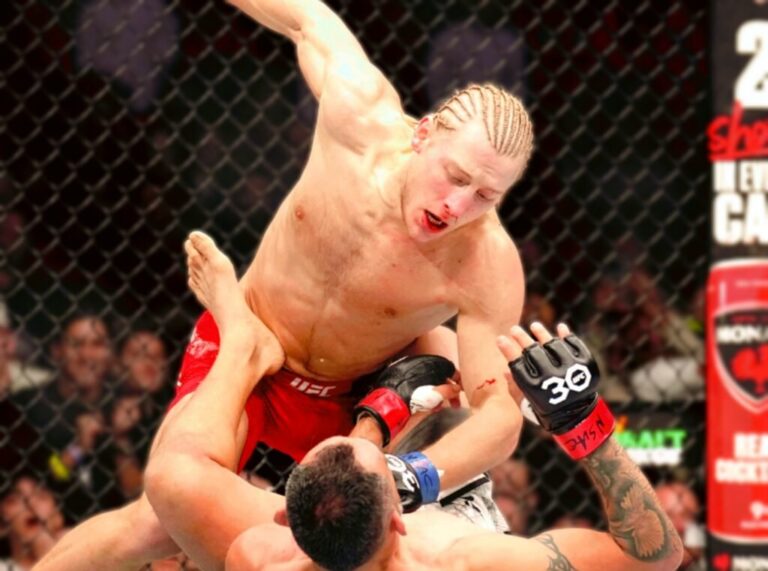
Submission grapplers can end a fight from almost anywhere — off their back, from a scramble, or by dragging a striker into deep water where hands and power stop mattering. Their whole game plan is to get the fight to the ground on their terms and make you tap.
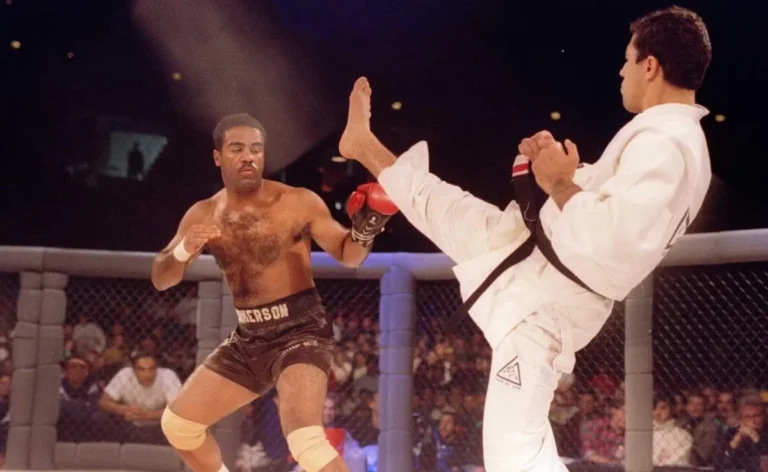
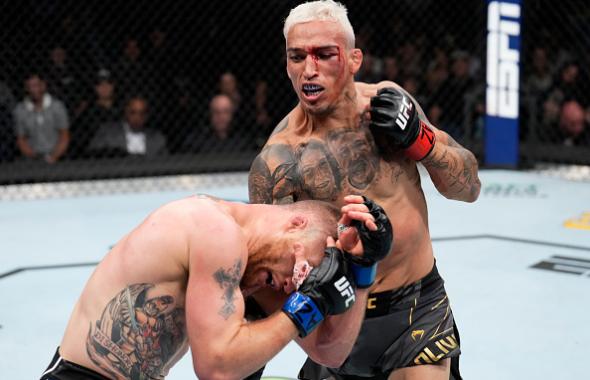
Charles Oliveira is the modern standard: he holds the UFC’s all-time records for most wins, most submission victories (17), and most finishes overall, with an 86% finish rate across a 37-fight UFC career. He’s tapped opponents with guillotines, triangles, armbars, anacondas, and even a calf slicer — a résumé no other fighter in the promotion’s history can match. Demian Maia spent over a decade proving that elite jiu-jitsu alone could neutralize far bigger, far stronger welterweights, chaining takedowns into back control almost at will. And it all traces back to Royce Gracie, who at 178 lbs won the UFC 1, UFC 2, and UFC 4 tournaments in the sport’s earliest days, submitting far larger opponents and single-handedly proving that technique could beat size — the moment that convinced an entire generation of fighters they needed to learn to grapple.
4. The Pressure Fighter
Pressure fighters win by volume, physicality, and a chin that lets them walk through fire other fighters can’t. They don’t need to out-technique you — they need to make every second of the fight uncomfortable until you break first.
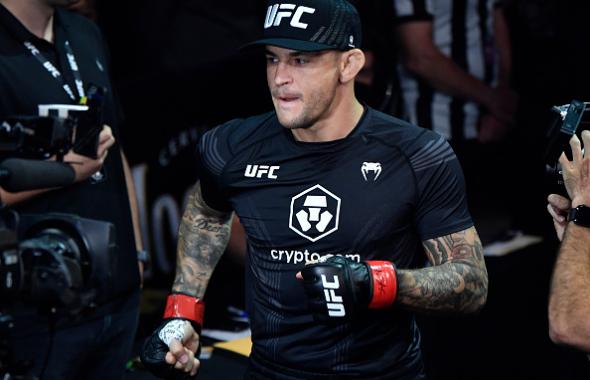
Dustin Poirier has built one of the most respected careers in UFC history on exactly this style — forward pressure, heavy hands, and a durability that let him hang with Khabib Nurmagomedov and finish Conor McGregor twice. Nate Diaz made a career out of walking down far more heavily favored opponents, absorbing damage while landing volume boxing combinations that piled up over three rounds, famously handing McGregor his first UFC loss. Justin Gaethje takes the archetype to its most literal extreme — leg kicks and forward pressure that make him one of the most fan-friendly, fight-of-the-night machines the promotion has ever had on its roster. None of these fighters are the most technical in their divisions. All of them make opponents’ careers harder just by showing up.
5. The Complete Fighter
The rarest archetype: fighters who are elite in every phase and can shift gears mid-fight depending on what the moment calls for. These are the generational champions who don’t have an obvious hole in their game for opponents to exploit.
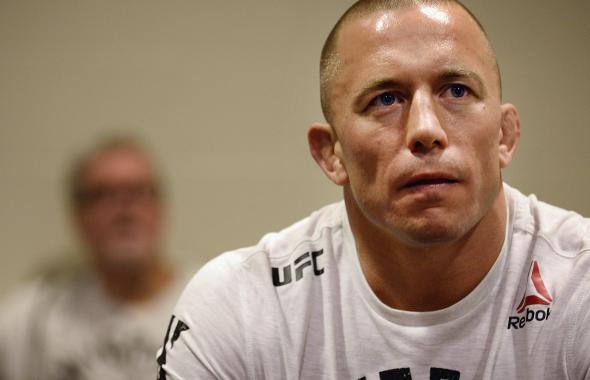
Jon Jones, before stepping away from the sport as UFC heavyweight champion, was widely regarded as the greatest fighter of all time — a light heavyweight with elite wrestling, world-class length-based striking, and a devastating ground game, all wrapped in a fight IQ that let him solve any style put in front of him. Georges St-Pierre set the template a generation earlier: a two-division champion who blended wrestling, jiu-jitsu, and boxing so seamlessly that opponents rarely knew which fight they were actually in. Amanda Nunes, a two-division UFC champion widely called the greatest women’s fighter ever, combined knockout power with legitimate black-belt jiu-jitsu, and even came out of retirement in 2026 to challenge for her old division again. Fighters like these don’t beat opponents by forcing the fight into one lane — they beat you in whichever lane you pick.
Which Archetype Actually Wins the Belt?
Look across every UFC roster today and the wrestler archetype still produces the deepest run of champions, simply because dictating where a fight happens is the single most repeatable skill in the sport — it works against strikers, submission specialists, and pressure fighters alike. But the fighters remembered as the greatest of all time are almost never pure archetypes. They’re wrestlers who learned to strike, strikers who learned to defend takedowns, or submission artists who added enough power to keep opponents honest. The archetype gets a fighter to championship contention. Adding a second or third dimension is usually what wins them the belt and keeps it.
Archetypes in TKO Tycoon
In TKO Tycoon, every fighter you sign is built around one of these five archetypes from day one. The training system lets you lean into a fighter’s natural strengths — turning a wrestler into a suffocating grinder — or spend the extra time and resources shoring up their weaknesses to build toward that rare complete fighter. Understanding the real-world archetypes above is the fastest way to understand which fighters are worth the investment in your own roster.
Into BJJ? TaipeiBJJ.com covers training resources and BJJ content.
Play TKO Tycoon — the MMA management game for fight fans.
Shop on Amazon
MMA & Boxing Gear on Amazon →
As an Amazon Associate we earn from qualifying purchases.
Shop on eBay
MMA & Boxing Gear on eBay →
We may earn a commission when you shop through our eBay links.