Why Takedown Defense Fails: The Real Reasons Elite Wrestlers Get Taken Down
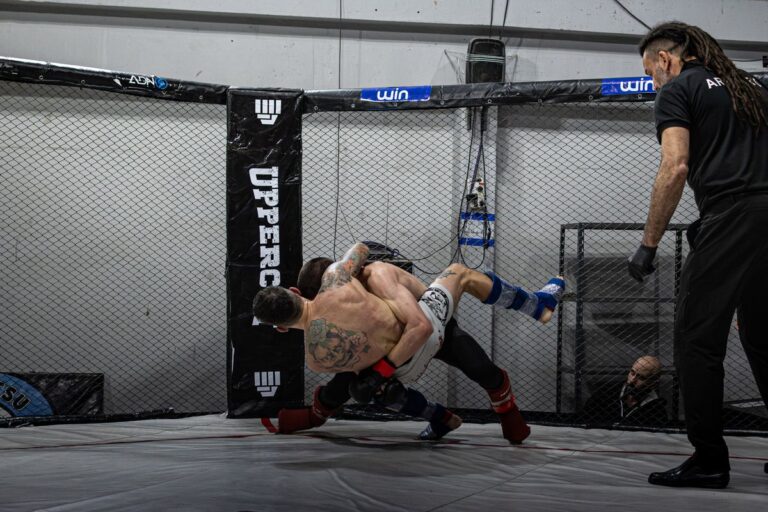
A fighter with an 82% career takedown defense rate can look untouchable for two rounds and then get dumped on his back three times in round four. Twitter calls it “wrestling got worse.” It didn’t. His legs did. Takedown defense isn’t a fixed skill a fighter either has or doesn’t — it’s a live system that degrades under fatigue, gets dismantled by hand-fighting before the shot even happens, and has almost nothing to do with how hard someone can sprawl.
Most fan breakdowns stop at “he has a good sprawl” or “he doesn’t.” That explains maybe a third of what actually happens between the cage and the mat. Here’s the part broadcasters skip, and it’s the same part that decides fights like tonight’s UFC 331 main card, where a flyweight rematch is going to come down to exactly this kind of detail.
What Takedown Defense Actually Means in MMA
Takedown defense is the percentage of opponent takedown attempts a fighter stops from landing — but that single number hides everything that matters. A fighter can post a strong season-long TDD rate while getting mauled by one elite wrestler, because the stat averages out dozens of low-level shots against a handful of ones thrown by someone who actually sets them up. Context, not the percentage, tells you who’s really good at this. A wrestler who shoots once a round and lands it beats a stat sheet that says his opponent stuffed 80% of attempts — because the one that mattered got through.
The Sprawl Is Necessary But Not Sufficient for Takedown Defense
Everyone points to the sprawl — kicking the legs back, dropping the hips, smashing weight down on the shooter’s neck. It’s real and it works when timed correctly. The mechanics matter: hips need to drop the instant hands touch the legs, not after, because a shooter who gets even a half-second to lock hands behind the knee has already won the exchange regardless of what happens next. But a sprawl is a reaction to a shot that’s already happening, which means a fighter relying on it alone is already one step behind. The best defensive wrestlers stop takedowns before a sprawl is ever required.
Why Hand Fighting Wins the Fight Before the Shot Lands
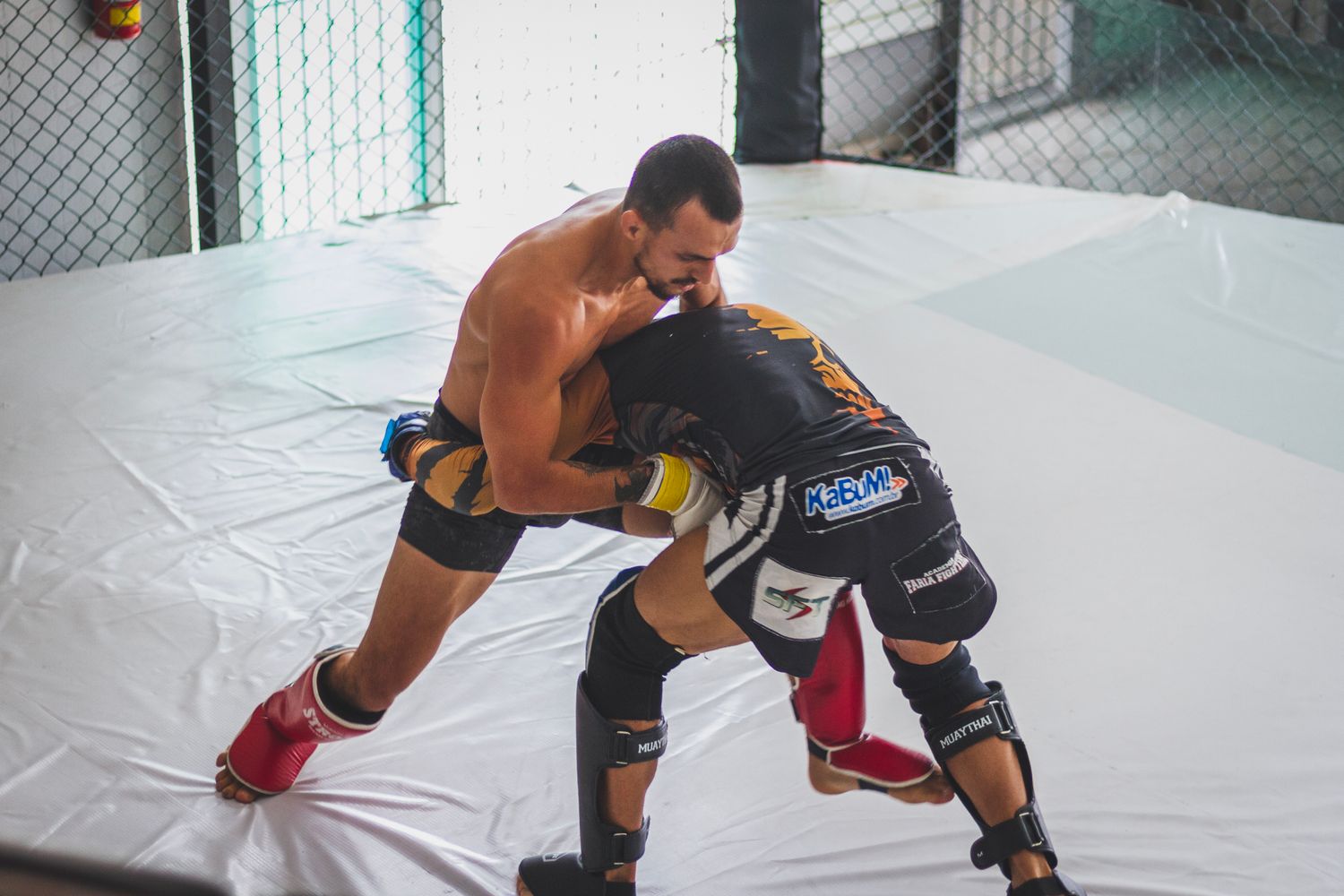
Hand-fighting — the constant low-level battle for wrist control, collar ties, and underhooks — decides most takedown exchanges before either fighter’s hips move. A fighter who controls the tie-up dictates distance and angle, which means the opponent has to shoot from a bad position or not at all. Chuck Liddell built an entire Hall of Fame career on this: a wrestling base combined with hand-fighting that made shots low-percentage before they started, not a legendary sprawl.
Lateral Movement Beats Backing Straight Up Every Time
Fighters who retreat in a straight line against a wrestler are dead. Straight-line retreat lets an opponent close distance on a predictable line and time a shot off the fence. Circling laterally forces constant re-adjustment, breaks the wrestler’s rhythm, and turns a clean shot into a scramble. Jose Aldo’s takedown defense in his prime worked as well as it did because his angles made him a moving target, not because he sprawled better than anyone else on the roster.
This is also where output matters more than fans give it credit for. A fighter throwing combinations while circling forces an opponent to respect strikes and distance at the same time, which cuts down how often a shot even gets attempted. Fighters who plant their feet to load up power punches, on the other hand, hand a wrestler exactly the stationary target he needs.
Cage Control and the Fence: Takedown Defense’s Hidden Battlefield
The fence changes everything. A fighter backed against the cage loses the ability to sprawl or circle away, and a competent wrestler will chain takedown attempts off the fence until one lands — which is exactly why judges score sustained fence pressure even when no takedown ever completes. We broke down how that scoring actually works in how MMA judges score fights, and the fence is where takedown defense and judging collide the hardest.

Why Elite Takedown Defense Collapses Late in Fights
This is the part fans miss most: a fighter’s takedown defense percentage isn’t constant across five rounds. Sprawling burns legs fast, and once quad and hip endurance drop, the same technique that stuffed six shots in round one physically can’t fire the same way in round four. That’s a cardio problem wearing a technique costume — the exact mechanism we laid out in how cardio actually works in MMA (and in TKO Tycoon), where stamina management directly gates every defensive stat late in a fight, not just gas tank for striking output.

Frequently Asked Questions
What is the best way to defend a takedown in MMA?
The best defense starts before the shot: controlling hand position and distance so an opponent never gets a clean entry. When a shot does come, a well-timed sprawl combined with underhooks and lateral movement stops it far more often than strength alone.
Why do fighters with good takedown defense still get taken down late in fights?
Sprawling and scrambling are physically demanding, and leg and hip endurance drop as a fight goes on. A fighter who stuffed every shot in round one can lose that same defense in round four purely from fatigue, not a change in skill.
Is takedown defense more about strength or technique?
Technique wins. Hip timing, hand-fighting, and angle control let smaller fighters stop much stronger wrestlers, while strength alone rarely holds up against a well-timed, well-chained shot.
What’s the difference between sprawling and hand-fighting?
Sprawling is a reactive defense against a takedown attempt already in motion. Hand-fighting happens earlier, in the tie-up, and prevents a clean shot from ever being set up in the first place.
If you want to see how takedown defense, cardio, and control time actually translate into wins and losses without stepping in a cage yourself, build your own roster and test your grappling game plans in TKO Tycoon.
References
- UFC.com – official fighter stats and takedown defense data
- Sherdog – fighter database and wrestling background records
- ESPN MMA – fight analysis and scoring breakdowns