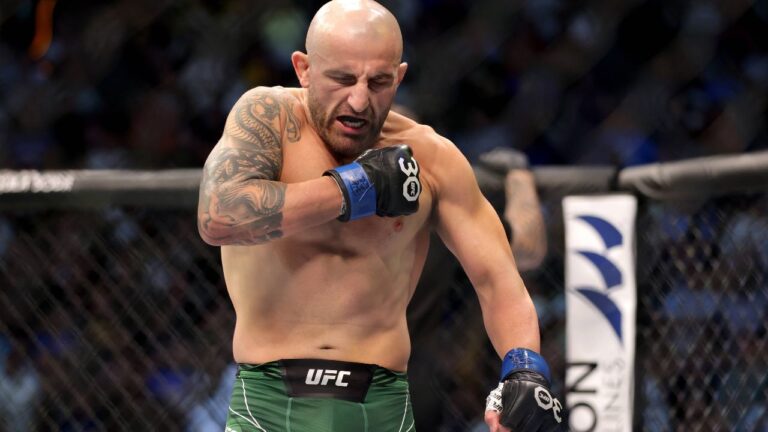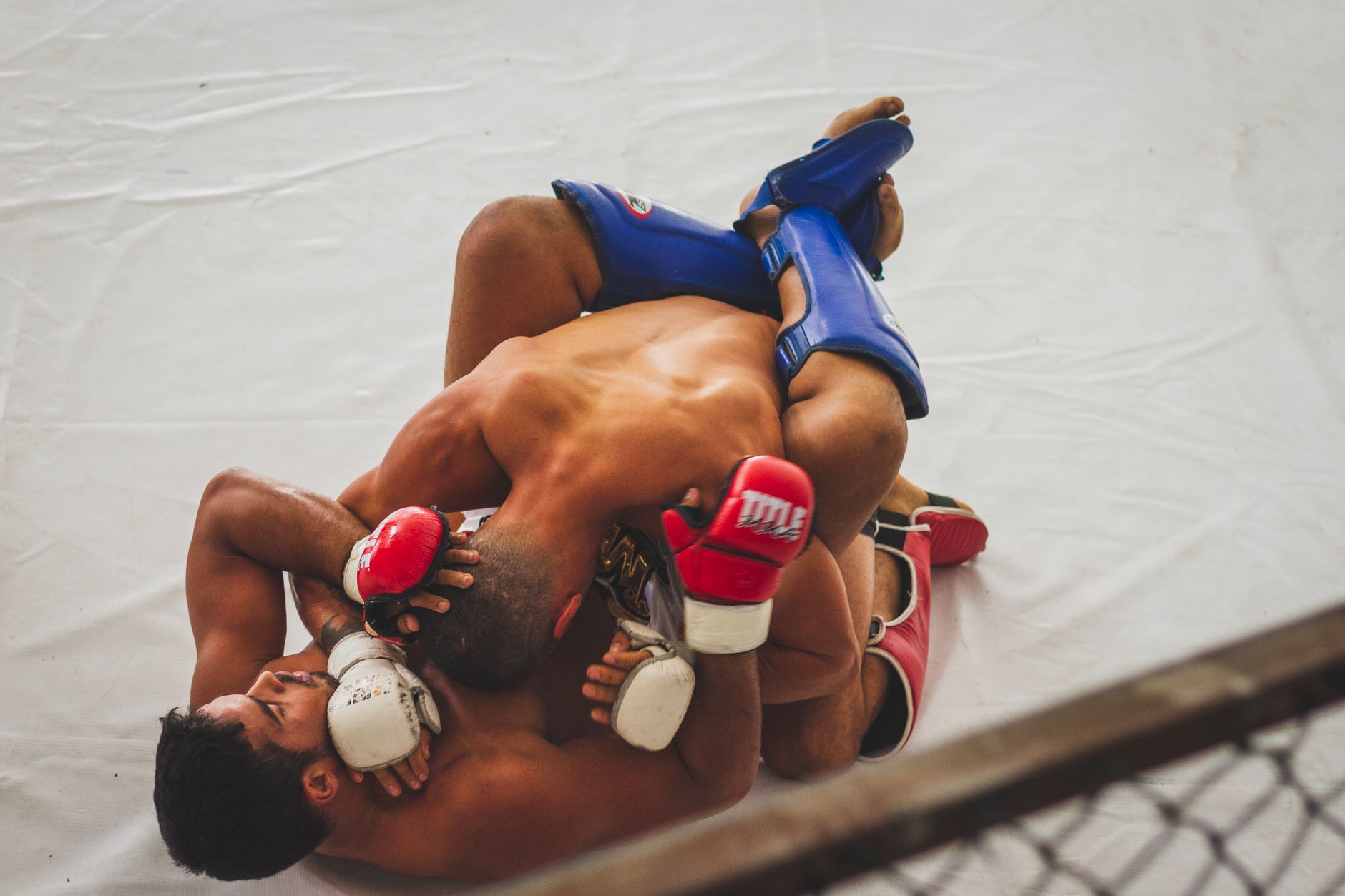
Heel Hook Submission: How Walker’s Streak Exposed MMA’s Leg Lock Problem
Junior Tafa screamed instead of tapping. That’s how the modern era of MMA heel hooks really started — August 2024, UFC 305 in Perth, Valter Walker twisting Tafa’s right knee until the referee had to stop the fight because the heavyweight wouldn’t accept what his joint was telling him.
Walker has finished four straight UFC opponents the same way since. He tied a record Rousimar Palhares set across twelve fights and five years. Walker did it in four fights and fourteen months. He fights Thomas Petersen at UFC Abu Dhabi on July 25, and the only suspense is whether Petersen has spent more camp time on heel-hook escapes than on his hands.
The heel hook submission isn’t a niche grappling trick anymore. It’s a championship-level finishing weapon that most MMA strikers still don’t respect. That’s the problem.
What the Heel Hook Submission Actually Does to a Knee
The heel hook submission attacks the knee by twisting the foot. Most submissions hyperextend a joint past its normal range — armbars open the elbow, kneebars open the knee. The heel hook does something nastier. It applies rotational force to a hinge joint that was never built to rotate, popping ligaments before pain receptors can finish their sentence.
There are two main variants. The outside heel hook attacks from the open side of the leg and tears the ACL and meniscus. The inside heel hook — Walker’s preferred finish — comes from underneath and threatens the entire ligament structure at once. Both rely on isolating the hip so the opponent can’t spin out of the rotation.
Pain doesn’t warn you. By the time a fighter feels something is wrong, the knee has usually already failed. That’s why the technique was banned in IBJJF white-belt and blue-belt competition until 2021.
Why Walker’s Heel Hook Streak Defies Heavyweight History
Heavyweights aren’t supposed to win by submission like this. The big-man division is built on knockouts and ground-and-pound. Look at all-time UFC heavyweight finishing stats and submissions are a rounding error compared to TKO finishes. Walker’s four-fight first-round heel hook streak breaks that pattern entirely.
Palhares, who held the previous record, was a middleweight and welterweight who trained leg locks under Murilo Bustamante before the sport had even decided leg locks were okay. He needed twelve UFC bouts to hit four. Walker matched it in four bouts. Same record, completely different difficulty curve.
What changed? Two things. First, Walker openly says the difference is commitment. “When I go for the heel hook, I go for broke,” he told reporters after UFC 321. Most fighters set up a leg attack hoping for a tap and bail when it gets uncomfortable. Walker treats every entry like a finishing sequence.
Second, his opponents keep defending wrong. Heavyweights still try to elbow their way out of leg entanglements like it’s 2010. They post their hand on the mat, they kick at the head, they do everything except hide the heel.
How Modern Leg Lock Systems Beat Old MMA Defense
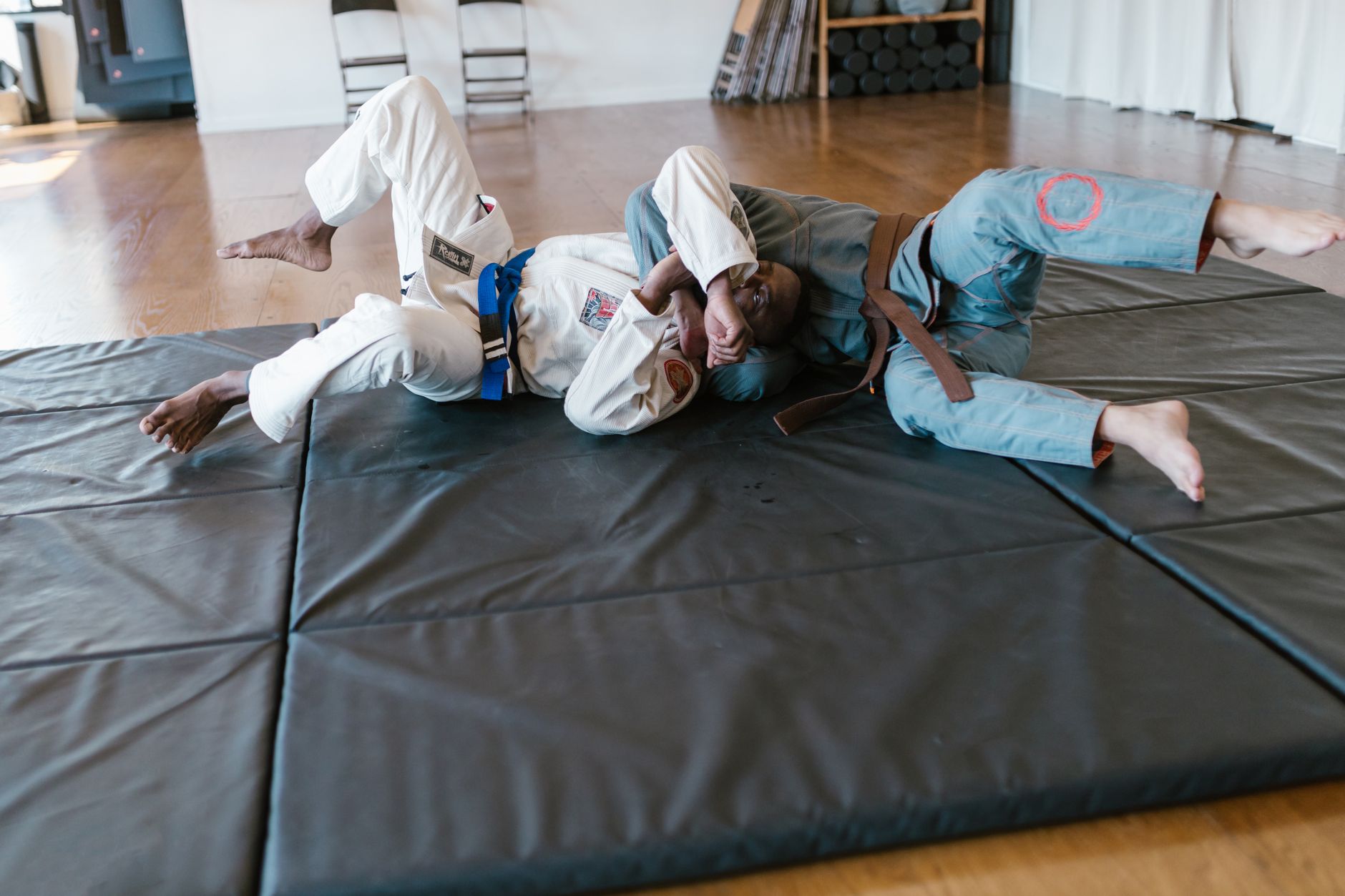
John Danaher and the Danaher Death Squad — Eddie Cummings, Garry Tonon, Gordon Ryan — rewrote leg-lock theory in the late 2010s. Their core insight: the heel hook works because of control, not the finish. If you can pin the hip with a saddle position (also called inside sankaku or 4-11), the opponent can’t spin to safety. The submission becomes inevitable.
Old-school MMA defense assumed leg locks were a hail-mary that you could yank free from. That worked when attackers grabbed the foot first and asked questions later. It doesn’t work against Walker, who lands the saddle before he ever touches the heel.
The strikers haven’t caught up. Walk into most MMA gyms in North America and the leg-lock curriculum is still “don’t get caught.” Brazilian gyms, ONE Championship fighters, and the ADCC pipeline guys all train leg entanglements as a primary attacking system. The talent imbalance is visible every time a striker-first heavyweight ends up in a saddle and freezes.
That’s the actual story under Walker’s streak. The technique isn’t new. The defense is just outdated. Coaches who treat the heel hook as a curiosity instead of a curriculum item are setting their fighters up to lose belts.
What Heel Hook Specialists Look Like in TKO Tycoon
In TKO Tycoon, a heel-hook-first fighter build looks nothing like a striker. You want high BJJ rating, strong grappling control, and just enough cardio to chain takedown attempts into transitions. Power and chin matter less. The strategy is to drag the fight to the mat, hit a saddle, and force the tap before round two.
The classic pitfall: players load up on submissions without enough takedown rating to get the fight where it lives. A pure ground game fighter who can’t initiate the takedown is a striker’s punching bag for fifteen minutes. Walker himself is a competent clinch wrestler — that’s how he gets to the mat against bigger opponents.
The smart build is a wrestle-grappler hybrid. Wrestling rating around 75-80, BJJ above 85, takedown defense to keep yourself from getting cracked when entries fail. Cardio matters because most submission specialists fade in round three when entries get sloppy. The TKO Tycoon strategy guide walks through the broader fighter-build framework and explains how each attribute interacts during the championship climb.
Why Petersen Probably Loses the Heel Hook Trap on July 25
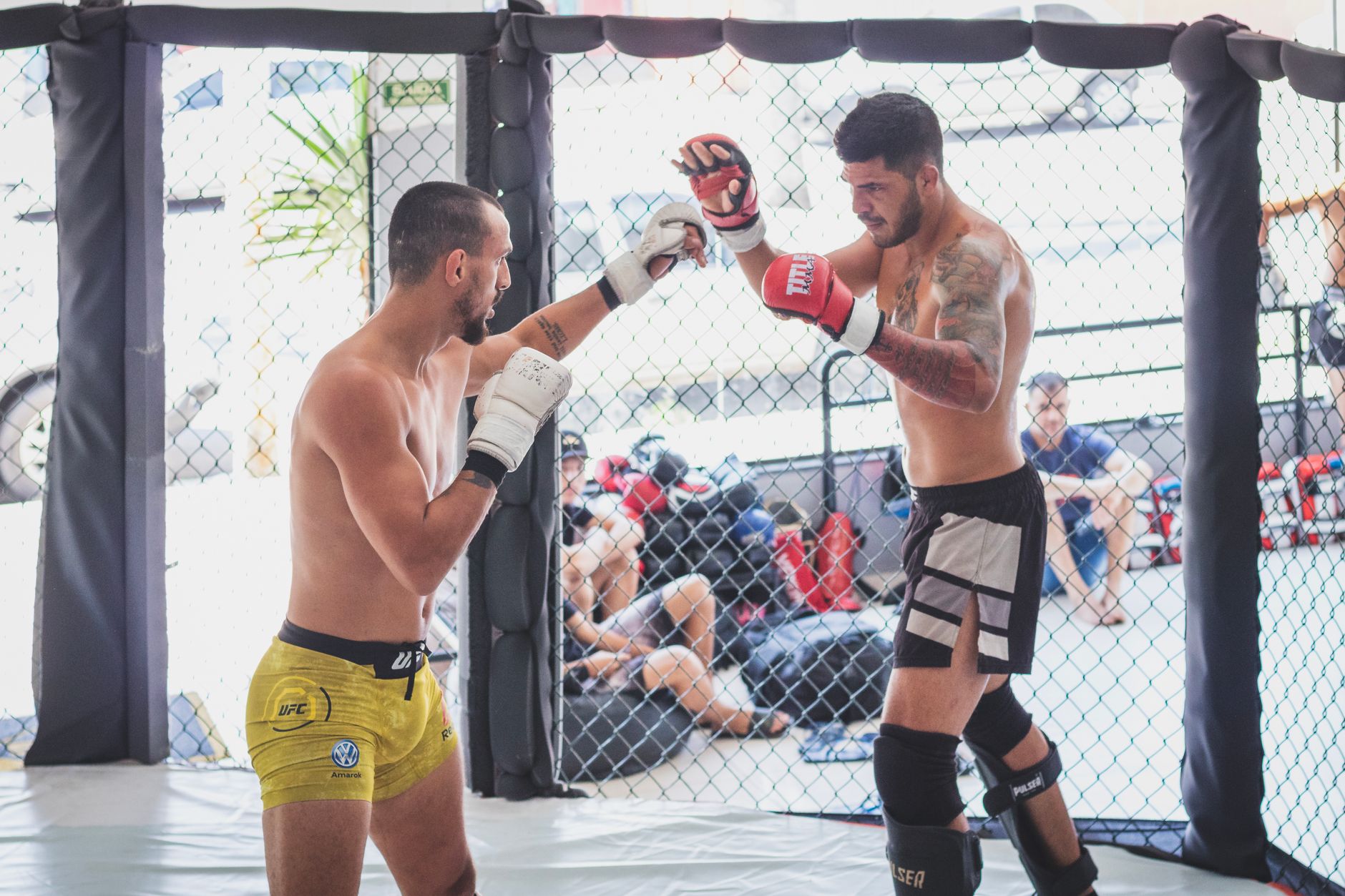
Thomas “The Train” Petersen comes into UFC Abu Dhabi 3-3 in the UFC, alternating wins and losses, fresh off a majority decision over Guilherme Pat. He’s a wrestler with heavy hands. Decent gas tank. No notable leg-lock defense pedigree. That’s a serious problem against the most efficient heel hook finisher in the heavyweight division.
The matchup writes itself. If Petersen tries to wrestle, Walker reverses the hips and hunts the entry. If Petersen wants to strike, Walker shoots a single from the clinch and the fight is on the mat anyway. Walker has finished his last four opponents in the first round, including a Louie Sutherland finish at UFC 321 in just 84 seconds.
The over/under will be set under 1.5 rounds and Walker’s moneyline will be steep. Take the prop bet on heel hook submission as the method of victory — it’s the only outcome that doesn’t require Petersen to dramatically out-perform expectations. The smart money even goes harder on round one specifically.
What the Leg Lock Revolution Means for the Next Five Years
Walker is the headline. The deeper story is that every striking-heavy division — heavyweight, light heavyweight, even middleweight — has a leg-lock skill gap that grapplers are about to exploit. Bo Nickal trains with John Danaher. Khamzat Chimaev’s camp does leg-lock drilling. The pipeline is set.
Expect three things over the next two years. First, more first-round leg-lock finishes from non-specialists who add the technique to their game. Second, a defensive arms race where coaches actually teach the saddle escape instead of pretending it doesn’t exist. Third, a meta shift in MMA wagering — leg-lock props will tighten as books catch up to fighters who can actually finish them.
Walker accelerated the timeline. He didn’t invent the future. The heel hook submission was always going to become a primary MMA weapon. The Brazilian heavyweight just made it impossible to ignore.
Heel Hook Submission FAQ
How dangerous is a heel hook in MMA compared to a kneebar?
Far more dangerous. Heel hooks tear ligaments through rotational force and give almost no pain warning before the knee fails. Kneebars hyperextend the joint and produce sharp pain early, giving the defender time to tap. A surgically-repaired ACL is the most common heel-hook injury.
Why are heel hooks legal in MMA but were banned in BJJ?
MMA accepted the technique earlier because the sport already permits strikes that can cause comparable damage. IBJJF banned heel hooks at white and blue belt until 2021 because rotational knee injuries don’t follow normal tap timing. The technique now appears at every belt level in modern competitive grappling.
Has anyone won a UFC title with leg locks?
Not as a primary weapon yet. Demian Maia, Charles Oliveira, and Brian Ortega have all built submission-heavy title runs that included leg entries. A heel-hook-driven UFC title campaign is probably 24 to 36 months away based on the current pipeline of grappling-first prospects.
Can you train heel hooks safely?
Yes, with the right partner protocol. Rotational submissions require slow, controlled drilling and immediate taps. Most gyms now allow leg locks at all skill levels but enforce strict tap discipline. Catch wrestling and modern BJJ programs both have safe heel-hook curricula.
Build a Heel Hook Specialist in TKO Tycoon
Heel hooks just stopped being a curiosity. They’re the most efficient finishing weapon in modern MMA, and the fighters who train them are about to clear out the divisions that ignored them. Build your own heel-hook specialist and find out how the matchup actually plays. Try the TKO Tycoon game and run a submission-first championship campaign before Walker finishes Petersen on July 25.
References
- Sherdog — Walker vs Petersen booking at UFC Abu Dhabi, July 25 confirmation
- MMA Mania — UFC 321 heel hook win over Louie Sutherland and Walker post-fight comments
- Yahoo Sports — Walker on his heel hook commitment philosophy
- Sports Illustrated — Walker tying Palhares UFC heel hook record
Into BJJ? TaipeiBJJ.com covers training resources and BJJ content.
Play TKO Tycoon — the MMA management game for fight fans.
Shop on Amazon
MMA & Boxing Gear on Amazon →
As an Amazon Associate we earn from qualifying purchases.