Shavkat Rakhmonov: The UFC’s Last Undefeated Welterweight Is Not a Fluke
Nineteen fights into his professional career, Shavkat Rakhmonov has never heard the judges’ scorecards read against him. Not once. In a sport where upsets happen constantly and a bad night can end a career, the Kazakhstani welterweight nicknamed “Nomad” has gone 19-0 with every single win coming by stoppage. No decisions. No squeakers. Just finishes.
That record should be headline news every week. Instead, Rakhmonov operates in the shadow of bigger personalities at 170 pounds while quietly dismantling everyone in his path. If you follow the welterweight division closely, you already know what he is. If you don’t, now is the time to pay attention.
The Kazakhstani Background That Built Rakhmonov’s Grappling Foundation
Rakhmonov comes out of Kazakhstan’s combat sports culture, where wrestling and sambo are taught as seriously as any academic subject. He trained under systems that emphasize positional dominance, body control, and the ability to force submissions from anywhere on the mat. That background shows every single time he fights.
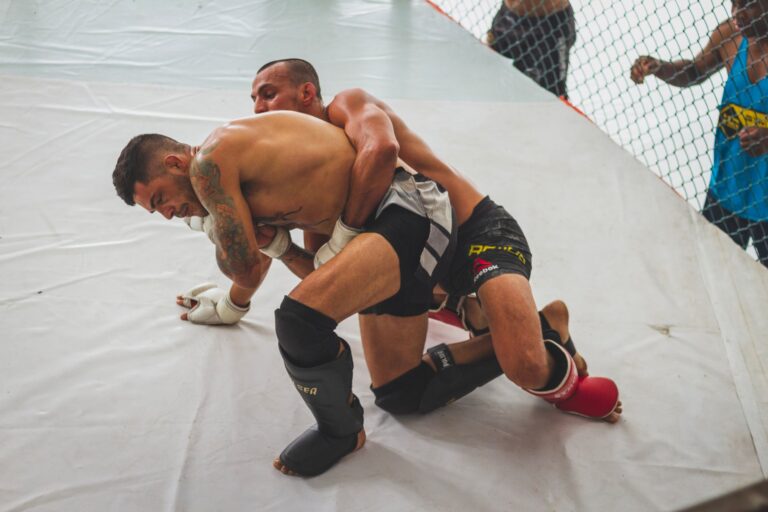
Unlike Brazilian jiu-jitsu fighters who tend to favor guard work, Rakhmonov attacks from top position constantly. He chain-wrestles, uses underhooks to drag opponents down, and the moment he gets a clinch on the mat he’s already hunting for a rear naked choke, a guillotine, or a kimura. The submissions aren’t improvised. They flow from a system.
The sambo influence also gives him an unusual relationship with leg locks. He doesn’t lead with them the way a pure no-gi grappler might, but he’s comfortable transitioning into them when opponents try to scramble. It’s a coverage system rather than a primary weapon, and it closes off escape routes that fighters from other backgrounds might rely on.
Rakhmonov’s Striking: More Dangerous Than the Grappling Gets Credit For
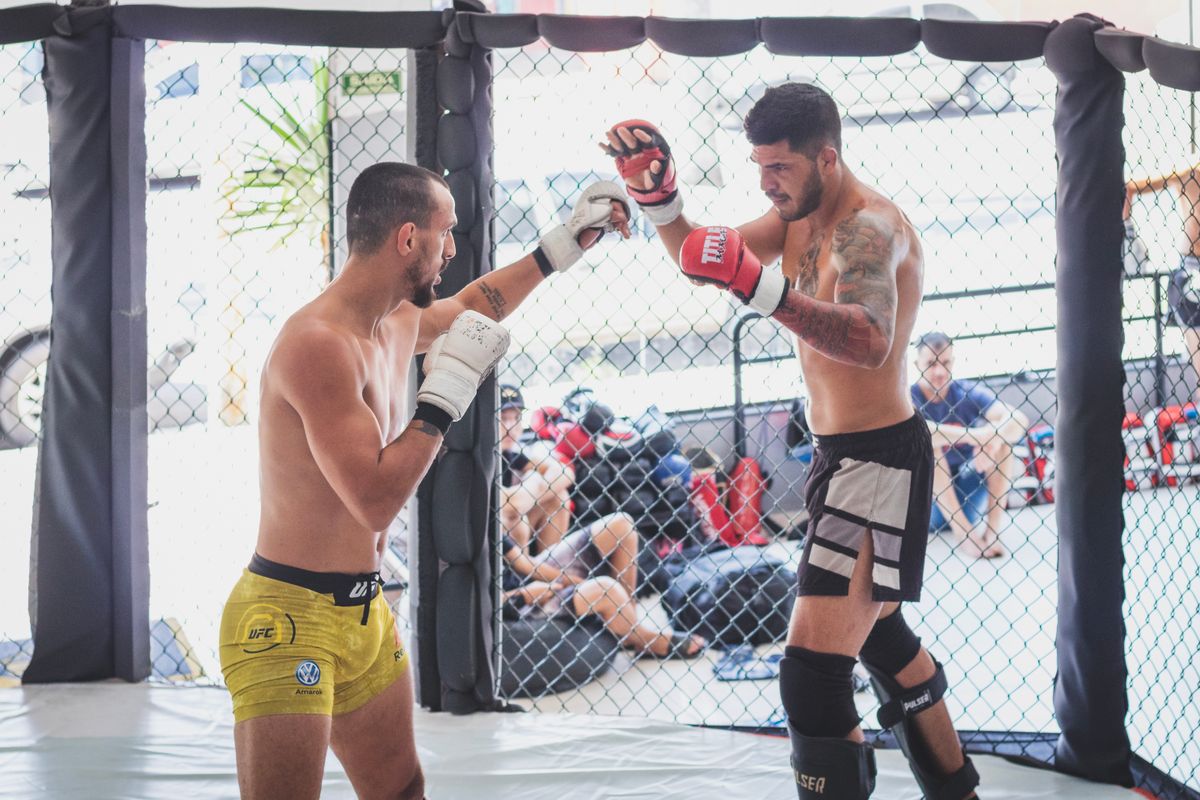
Here’s what casual fans miss about Rakhmonov: he can genuinely hurt you standing. His hands carry real power, his kicks are thrown with bad intentions, and he’s developed the kind of forward pressure that moves opponents to the fence before they realize what’s happening.
The striking doesn’t have the slick technical refinement of a career boxing specialist. What it has instead is intention. Every punch is designed to either land hard or set up a takedown. The combination of genuine knockout power with a constant grappling threat makes him a nightmare for welterweights who aren’t elite in both disciplines.
His left hand is the primary weapon. He loads it off his jab, and fighters who chase him with combinations find themselves eating it on the way in. His head movement isn’t elite level, but he compensates by keeping relentless pressure on opponents and never giving them the space to set their own timing.
The Pressure System That Gives Opponents No Safe Exit
What makes Rakhmonov genuinely elite is how everything connects into one system. The striking isn’t separate from the grappling. The takedowns aren’t separate from the cage pressure. It’s one integrated attacking approach where every threat makes all the others more dangerous.
Back away from his striking, and you give him the clinch. Fight the clinch, and he dumps you. Scramble off the ground, and he’s transitioning to a guillotine before you get upright. Circle out, and he cuts you off with footwork that looks deceptively simple but consistently denies exits.
Fighters who enter a Rakhmonov fight with a single-dimension game plan get exposed fast. The welterweights who lasted the longest against him were the ones who stayed disciplined and picked spots carefully. Even then, nobody has made it through five rounds and left with a win.
Stephen Thompson — a technical striker with elite footwork — got submitted in the second round. Geoff Neal — a heavy-handed power puncher — got finished. The resume is real and the level of opposition keeps getting harder.
Ian Garry Was Supposed to Be a Different Kind of Test
The Garry fight deserves its own focus because it was framed as a genuine challenge. Garry is technically sharp, has excellent range management, and had shown the ability to neutralize elite grapplers in previous fights. He was supposed to be the type of opponent whose footwork and timing could negate Rakhmonov’s forward pressure.
It didn’t work out that way. Rakhmonov methodically cut off the cage, took Garry down repeatedly, and threatened submissions throughout all five rounds. Garry’s grappling defense was good enough to survive, but surviving isn’t winning. By the championship rounds, Garry was focused on making it to the final horn rather than attacking with any intention.
If you’ve read the Ian Garry style breakdown, you know his offense is his greatest strength. Rakhmonov took that away completely. That’s what Nomad does to good fighters. He doesn’t just beat them — he strips their identity from them and forces them to compete on his terms.
Can Anyone in the UFC Welterweight Division Actually Stop Him?
This is the real question at 170 pounds right now. The division is legitimately deep — Belal Muhammad, Jack Della Maddalena, Colby Covington still lurking — but nobody has shown a blueprint for beating Nomad.
The style that theoretically gives him the most trouble is elite wrestling combined with heavy top control. If someone can get Rakhmonov on his back and pin him there, the submission threat flips. The problem is that welterweights with elite wrestling also tend to be vulnerable to his standing pressure while they’re closing distance.
A southpaw striker with elite footwork and championship-level cardio might create problems over five rounds. But the submission threat from bad positions means you can never fully settle in against him. He’s comfortable in uncomfortable situations, and that calmness under pressure is ultimately what makes him so difficult to solve.
The title picture at welterweight is complicated, but if Rakhmonov gets a championship fight, don’t be surprised if 19-0 becomes 20-0.
How to Build a Rakhmonov-Style Fighter in TKO Tycoon
If you’re running a welterweight campaign in TKO Tycoon, Rakhmonov’s archetype is one of the most rewarding to replicate. A few principles:
Grappling first, striking second. Nomad’s game is built on his ability to take the fight to the mat on command. Prioritize wrestling and submission stats before investing heavily in striking. A fighter who dictates where the fight happens is much harder to counter.
Pressure over power. Rakhmonov’s KOs come from accumulation, not one-punch ability. Build conditioning and activity stats to support a fighter who throws constantly and keeps opponents pinned. High activity and cardio with moderate power mirrors the Nomad approach better than a pure puncher build.
Multi-threat submissions. The reason nobody can just defend one thing against Rakhmonov is that he attacks from everywhere. Max out submission variety before you max out finishing ability in any single position. A fighter who threatens chokes, armbars, and leg locks simultaneously forces opponents into an impossible decision tree.
Smart matchmaking early. Avoid putting your Rakhmonov-style fighter against pure wrestlers before the build matures. The ground game is the strength, but it’s also where the style is most vulnerable before submission defense stats are developed. Fight strikers and kickboxers early; add wrestlers as the build develops.
Frequently Asked Questions About Shavkat Rakhmonov
What is Shavkat Rakhmonov’s fighting style?
Rakhmonov is a pressure-based hybrid fighter with roots in Kazakhstani sambo and wrestling. He uses constant forward movement to force opponents to the fence, mixes in heavy hands to set up takedowns, and is one of the most dangerous submission artists in the welterweight division. Every one of his 19 professional wins has come by stoppage.
Has Shavkat Rakhmonov ever lost a fight?
No. As of 2026, Rakhmonov is 19-0 with zero losses on his professional record. He has also never gone to a judges’ decision — every win has ended inside the distance via submission, knockout, or TKO.
What is Shavkat Rakhmonov’s nickname?
Rakhmonov fights under the nickname “Nomad,” a reference to the nomadic heritage of Central Asian steppe culture. It suits his fighting style — always moving forward, hunting for the finish, never settling.
Where does Rakhmonov rank in the UFC welterweight division?
Rakhmonov sits in the top 3 of the UFC’s welterweight rankings as of mid-2026. After defeating Ian Machado Garry by unanimous decision, he’s in a strong position to push for a title shot, with one of the most compelling undefeated records in the division’s history.
References
- UFC.com — Shavkat Rakhmonov Fighter Profile — official record and fight history
- ESPN MMA — Shavkat Rakhmonov Stats — fight-by-fight statistics and rankings
- UFC Stats — Rakhmonov Detailed Statistics — accuracy, takedown, and submission data
Image credit: wallpapers.com