Ian Garry Fighting Style: The UFC’s Slickest Striker Faces the Hardest Test of His Life
Ian Garry walked into his UFC 330 pre-fight media obligations and told the world he’s planning “four rounds of domination before a fourth-round finish” against Islam Makhachev. That kind of shot-calling is either the clearest sign of delusion in MMA or it belongs to a fighter who genuinely knows something most fans haven’t clocked yet.
The record says 17-1. The only loss is a decision to Shavkat Rakhmonov — who went on to briefly hold the welterweight title before Makhachev came calling. Garry bounced back with five-round decision wins over Carlos Prates and Belal Muhammad. That’s not a gifted title shot. That’s a fighter who built a case on two of welterweight’s hardest names.
He’s also the first Irish UFC title challenger since Conor McGregor walked into UFC 189. That comes with weight. But what matters more is the question underneath the narrative: can Ian Garry’s striking system — the cleanest at 170 pounds right now — stay vertical long enough to win rounds against the pound-for-pound number one?
The Technical Foundation That Makes Ian Garry’s Striking System Work
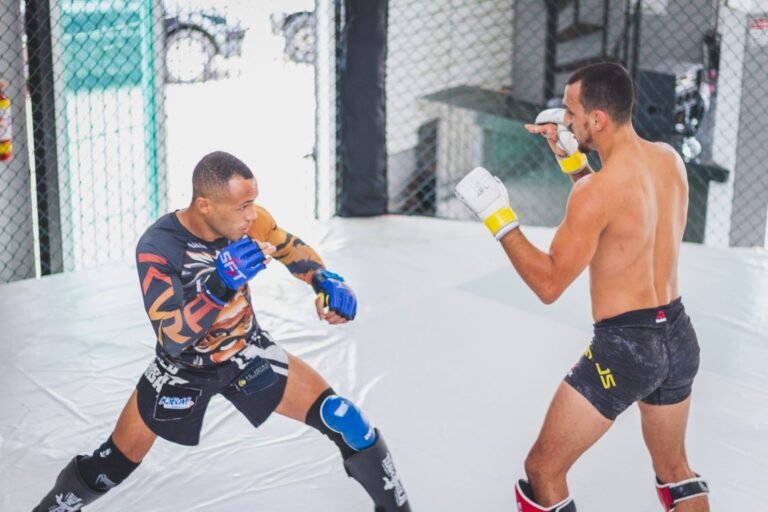
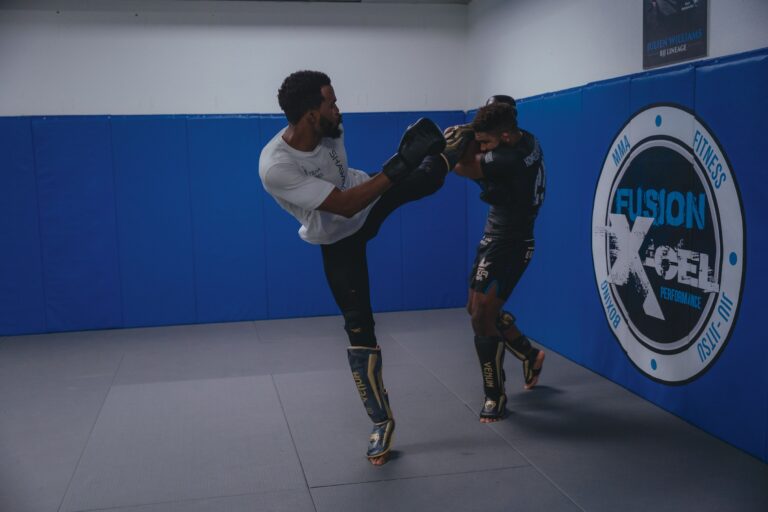
Ian Garry’s fighting style centers on a long, piston-like jab that controls distance while his feet constantly reposition him off the attack line. He doesn’t stand in front of you and trade. He makes you miss, takes an angle, and punishes the return. It’s the same spacing game you see from elite Muay Thai fighters, applied in an MMA context where most opponents are simultaneously looking for takedown entries.
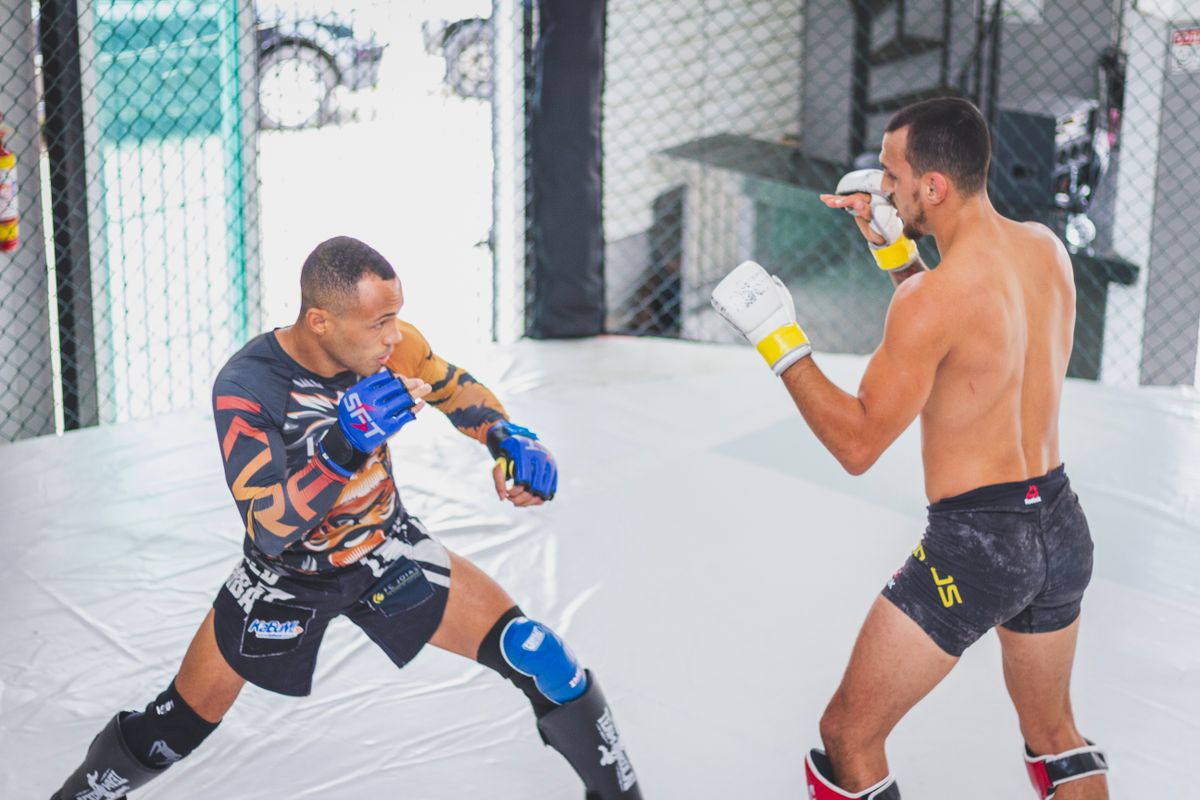
His right hand has real stopping power — 41% of his wins come by KO or TKO. What makes him dangerous isn’t that he swings hard. It’s that he makes opponents reach for him, off-balance, and catches them returning to center. The setup is the move. The right hand is just the receipt.
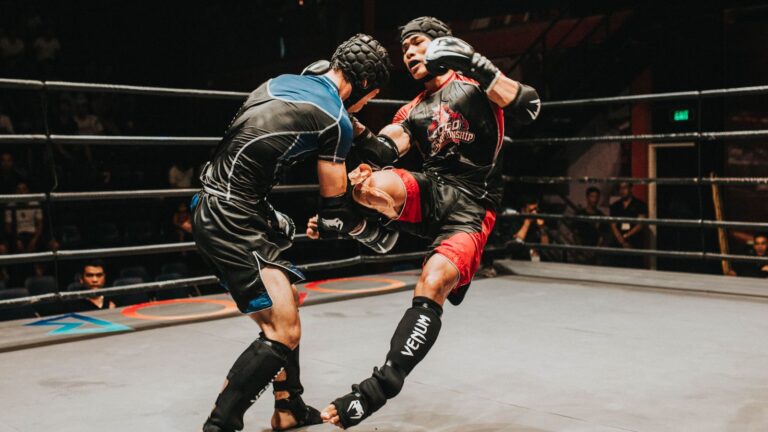
He also uses kicks as reaction-creators, not power shots. A check right that brings the guard up sets the straight down the pipe. A front kick to the body interrupts forward pressure — critical against anyone shooting for a takedown. He’s not throwing to finish with kicks. He’s throwing to make you predictable.
How Rakhmonov Exposed the One Crack in Garry’s Armor
The December 2024 loss to Shavkat Rakhmonov remains the cleanest data point on Garry’s vulnerability. Rakhmonov is physically dominant — he punches hard enough that you respect the power, and that respect opens grappling entries you’d normally deny. He got Garry on the fence and worked clinch control until the distance management that defines Garry’s game became impossible to use.
That’s the crack: when someone takes space away and initiates heavy contact, Garry’s footwork has nowhere to go. His whole system requires room. Pin him against the cage with clinch pressure and the jab-and-angle game is suddenly irrelevant — he’s fighting on the opponent’s terms.
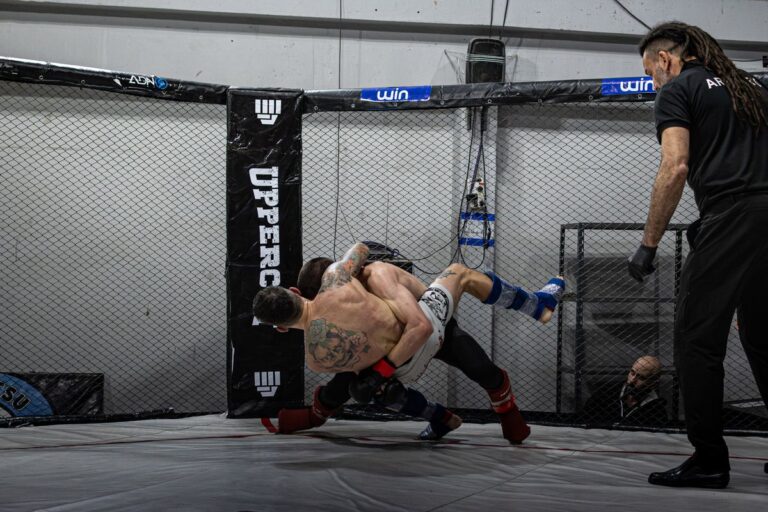
This isn’t a unique problem. Every technical striker faces the same thing against wrestling-first opponents. The issue isn’t the vulnerability itself. It’s that Makhachev’s takedowns are cleaner than Rakhmonov’s, his transitions faster, and his ground control patient enough that “getting back up” often isn’t an option you’re given time to exercise.
The Comeback: Prates and Muhammad Rebuilt the Case
Garry didn’t spiral after Rakhmonov. He came back against Carlos Prates — a Brazilian striker with genuine power — and won a five-round decision. Then Belal Muhammad, a former welterweight champion and one of the division’s most complete fighters. Two five-rounders. Both against elite competition.
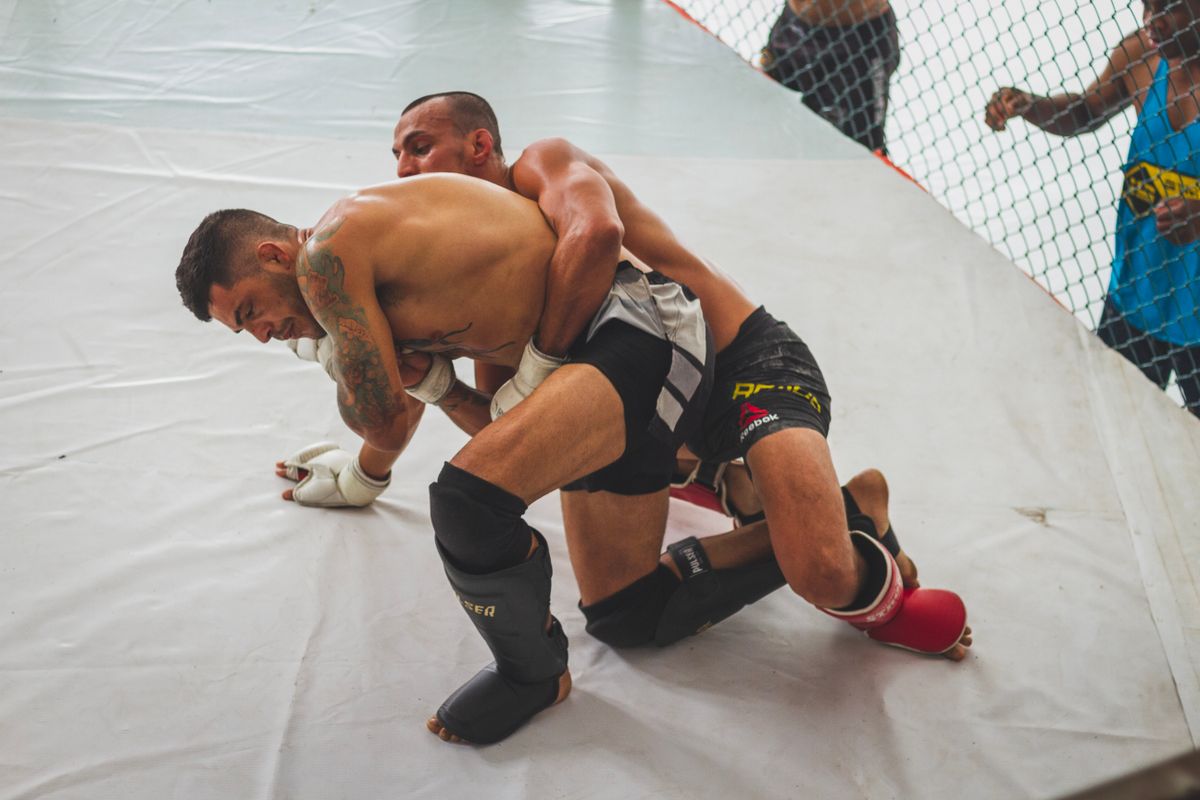
The Muhammad win tells you the most. Belal is a wrestler-first fighter who neutralizes strikers by taking the fight to the mat. Garry held him off. That doesn’t mean his wrestling defense is now world-class, but it means it’s functional against top-ten competition. He also brought Demian Maia into his UFC 330 camp specifically to drill takedown defense — a Jiu-Jitsu legend who has grappled with some of the best wrestlers the sport has produced.
That’s preparation that takes a vulnerability seriously rather than ignoring it. Whether it’s enough against Makhachev is the real question.
The Makhachev Problem: What a Two-Division Champion Actually Brings
Islam Makhachev’s record stands at 28-1. He held the lightweight title for years, then moved to welterweight and dethroned Jack Della Maddalena to become a two-division champion. His only career loss was to Alexander Volkanovski in 2019 — a fight that belongs to a different era of his development.
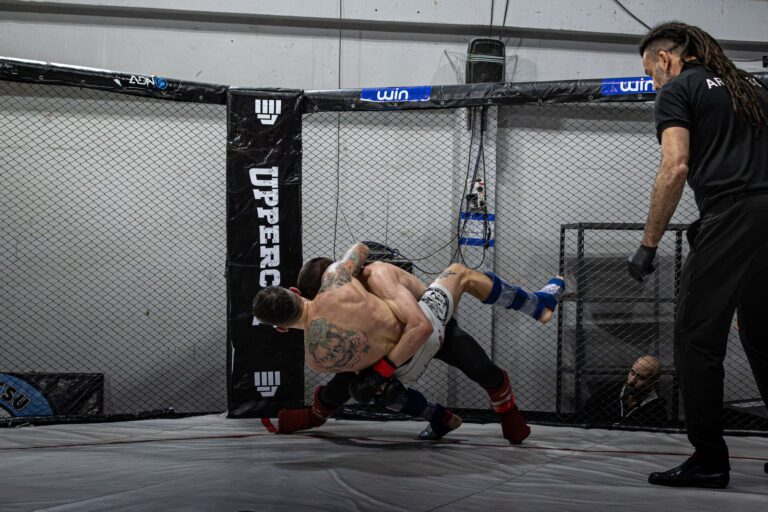
His wrestling comes from the Dagestan system. Where Khabib Nurmagomedov used brute forward pressure and bear-hug grip strength to initiate, Makhachev is more methodical. He reads your movement, times a low single on a missed jab or a blast double when you’re slightly out of position, and once he has you on the mat, he kills the fight with top control and patient groundwork. He doesn’t just hold you down — he advances to better positions and waits. For the submission. For the ground-and-pound opportunity. For your cardio to leave the building.
Every technical striker who has faced Makhachev at the elite level has ended up on the canvas at some point during the fight. There’s no reason to assume Garry avoids that completely. The question is what he does when it happens and whether he can limit how often it happens.
Why Garry’s Fighting Style Still Makes This a Real Fight
Here’s what the dominant Makhachev narrative leaves out: this is his first title defense at welterweight. He moved up from a weight class where he was cutting significantly to a natural weight class. Bigger body, different energy expenditure across five rounds, opponents who walk through him physically rather than shrink from the pressure he generates at lightweight.
Garry is a natural welterweight. He’s competed there his entire UFC career. He’s physically bigger, probably stronger on the fence, and more comfortable with the energy demands of five rounds at 170. His footwork also makes Makhachev work to close the distance — and a wrestling-first fighter burning energy chasing a mobile striker in rounds 3 and 4 is a different animal than round 1 Makhachev.
Garry’s path is to make the early rounds ugly for Makhachev. Land the right hand clean. Make him pay for takedown entries with sharp counter-shots to the head. Build a scorecard lead early enough that Makhachev has to come forward to chase the fight — because a committed Makhachev walking onto a counter-straight from a live puncher is exactly where fights turn. As we previewed in our full UFC 330 breakdown, Garry’s striking upside is the X-factor that keeps this from being a one-sided affair.
My actual pick: Makhachev grinds to a decision by rounds 3-5 when the cardio and wrestling control tips the judges. But Garry is live in every single round before that, and round 2 will have a moment that makes you question everything. That’s not nothing. That’s a real title fight.
Three Things to Watch for at UFC 330
Garry’s first-round footwork. If he’s moving laterally and landing the jab clean in the opening exchanges, he’s fighting his fight. If he’s circling backward into the fence, Makhachev is reading him in real time and the night will be long.
Makhachev’s first takedown attempt and result. This is the fight’s first turning point. Garry stuffs it cleanly and resets — the match is competitive. Garry ends up pinned on the fence or taken down — Makhachev sets the tempo for the rest of the night from that moment forward.
Who wins round 3 on the scorecards. Historically, Makhachev’s opponents slow down as the fight progresses. If Garry is still moving, still throwing combinations, still making Makhachev miss at round 3’s midpoint — his conditioning work held. If he’s slowing and starting to reach with the jab, Makhachev closes the show from there.
Love the game, not just the fights? Build your own MMA empire in the TKO Tycoon game — sign fighters, manage their training, and put your strategic reads to the test in the cage.
Frequently Asked Questions
- What is Ian Garry’s fighting style?
- Ian Garry is a technical striker who controls range with a long jab and precise footwork. He makes opponents miss, takes angles, and punishes with the return shot. He’s not a brawler — he wins by making you fight at his chosen distance on his timing.
- Has Ian Garry been taken down in the UFC?
- Garry’s wrestling defense has been tested at the elite level, most notably in his 2024 loss to Shavkat Rakhmonov. He’s improved significantly since then, working specifically with Demian Maia on takedown defense ahead of UFC 330 to prepare for Makhachev’s wrestling.
- How does Ian Garry plan to beat Islam Makhachev?
- Garry has publicly stated his plan is four rounds of striking domination followed by a finish in the fourth round. His strategy centers on distance management, punishing Makhachev’s forward pressure with counter-strikes, and using his natural welterweight size advantage over the two-division champion.
- Will Ian Garry beat Makhachev at UFC 330?
- Makhachev is the heavy favorite and justified as such — his grappling and fight IQ are elite at any weight class. But Garry has genuine knockout power and a movement game that no one at welterweight has completely solved. This fight is closer than most odds boards suggest.
References
- Sherdog.com — Ian Garry complete MMA record and career stats
- Yahoo Sports — Islam Makhachev vs Ian Garry confirmed for UFC 330
- Yahoo Sports — Ian Garry calls his shot: four rounds before the finish
- Bloody Elbow — UFC 330 date and location confirmed for Philadelphia