MMA Sprawl: How Champions Stop Takedowns Cold (and TKO Tycoon Models It)
Fighters who stuff at least 80% of takedown attempts win nearly 70% of their UFC bouts. That single number explains why the sprawl, a piece of footwork that takes about two seconds to execute, decides more title fights than any single strike. Jon Jones built a Hall of Fame career on a 95% takedown defense rate. Chuck Liddell turned an entire generation of grappling phenoms into reluctant kickboxers. The sprawl is not flashy. It is not loud. It is the quiet move that flips a fight before the takedown ever finishes.
This is a breakdown of how the MMA sprawl actually works, who has done it best in the cage, and why a properly designed fight simulator like TKO Tycoon has to model it as one of the most important defensive attributes a fighter can build.
What Is the MMA Sprawl and Why Does It Win Fights?
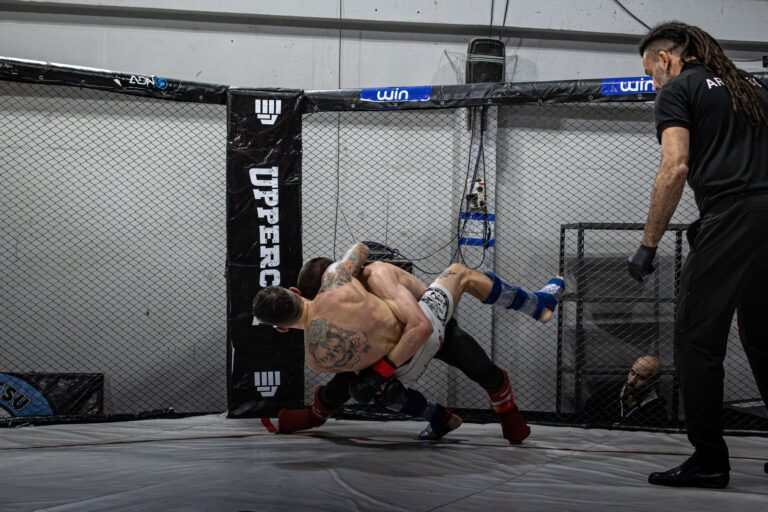
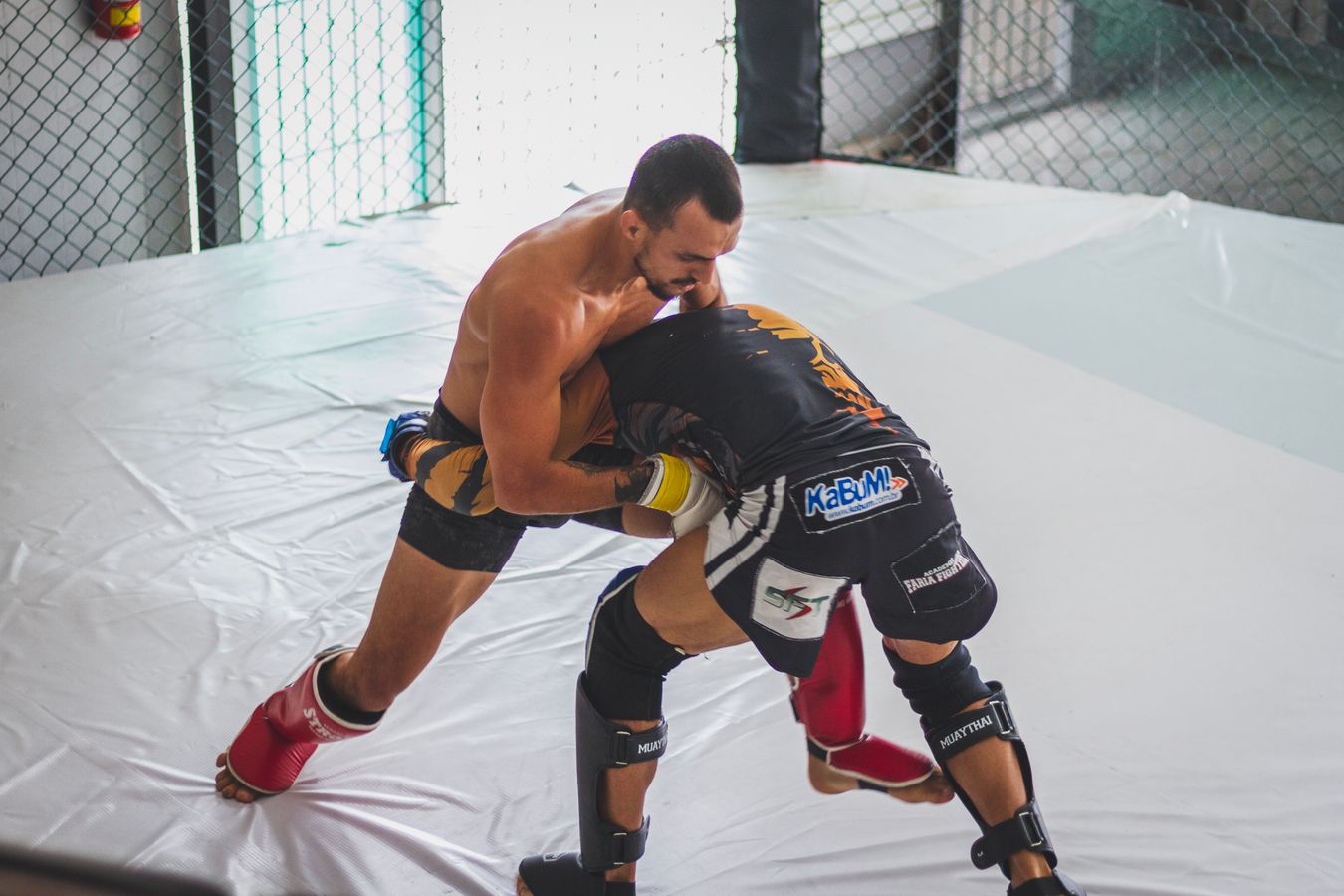
The MMA sprawl is a reactive footwork pattern where a fighter kicks both legs backward and drops hip weight onto an incoming takedown attempt. By collapsing the attacker’s posture and pinning their head down, the sprawl shuts off the double or single leg before it locks in. It is the single most important standing defense in mixed martial arts.
Two things make the sprawl so brutal. First, it converts an offensive attempt into a defensive crisis instantly. The shooter is now facedown with somebody’s chest on their neck. Second, the sprawl creates immediate offensive options: front headlock, guillotine, knee strikes, back-take. A good sprawl is a setup for a finish, not just a stop.
The Mechanics Behind a Fight-Stopping Sprawl
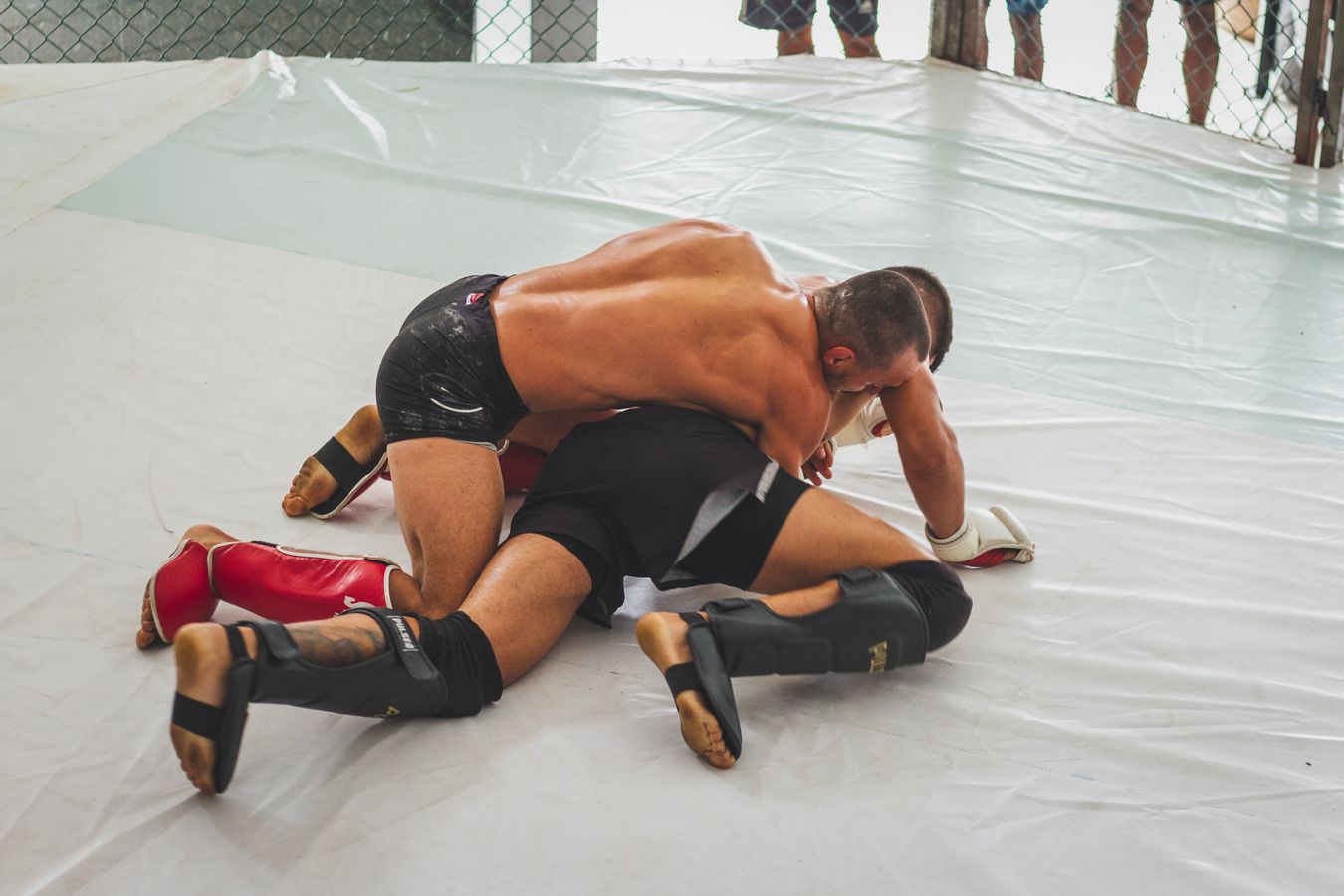
A complete sprawl has four mechanical pieces happening at once: hips drop, legs kick backward and wide, hands frame on the head or shoulders, and chest drives down. Miss any of the four and the takedown completes anyway. The hip drop is what makes it work because it weighs the shooter down and breaks their forward momentum.
Beginners ruin the sprawl by leaving their feet too close together or leaning forward instead of dropping the hips. The shooter just elevates and runs them over. Pros like Stipe Miocic add a small angle off the sprawl, stepping the hips slightly to one side so the shooter’s head ends up on the wrong side. From there it is a whizzer or a front headlock, and the fight resumes on the feet.
The single best diagnostic for a clean sprawl is body weight distribution. If your chest is over your hands and your hips are dragging the floor, the takedown is dead. If your hips are up, you are about to learn what your opponent’s gym smells like.
UFC’s All-Time Takedown Defense Leaders Tell a Story
UFC takedown defense leaders share one trait: their offense is so dangerous that being on the feet is a punishment. Jon Jones sits at 95%. Eddie Wineland posted 93% across 16 UFC fights. Ketlen Vieira holds 92.9%, Shane Burgos 91.5%, Natalia Silva 91.3%. The pattern is not strength, it is positional knowledge and timing.
Jones is the clearest example. His sprawl is connected to a frame: long arms shoved into the opponent’s shoulders before the level change even finishes. The shooter is fighting the sprawl from a meter further away than they want to be. That is not a strength advantage. That is geometry weaponized through reach plus footwork.
Look at Wineland’s tape from 2010 to 2019. He was a 135-pound bantamweight who refused to be wrestled by anyone. His secret was that he never planted his feet. The shooter could not target legs that were already moving. Every shot got nothing but air and a knee.
Why Stance and Hand-Fighting Come Before the Sprawl
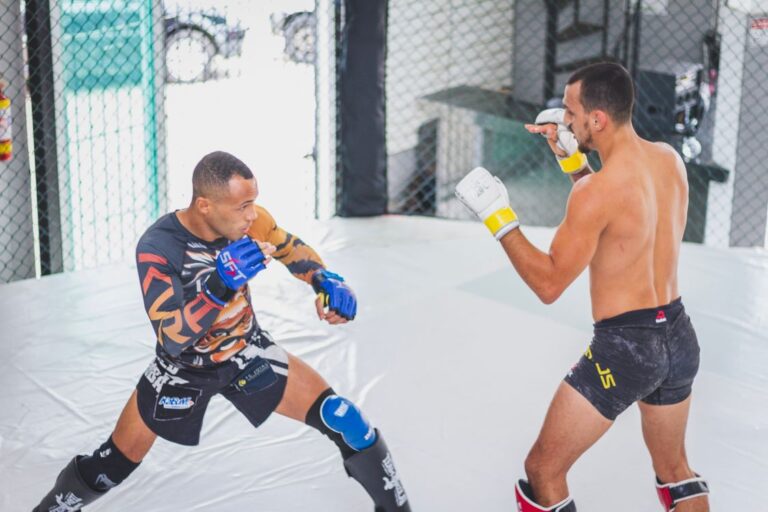
Strong takedown defense starts before the sprawl, in a wide bladed stance with weight loaded on the back leg. Without that base, no sprawl will be fast enough. Hand-fighting, the constant inside-control battle for the collar tie and bicep frame, is what buys the half-second of warning a fighter needs to react. Sprawl reaction time without hand-fighting is too slow.

This is why high-level wrestlers like Henry Cejudo or Khabib Nurmagomedov were so hard to take down. They lived in the inside-hand battle. Before a shot could fire, their wrist was already pinned to the opponent’s hip. The takedown attempt got short-circuited before the legs even moved.
For the modern fan watching a fight, this is the giveaway that a wrestler is in control of the standup: not strikes landed, not octagon position, but who owns the inside hand. The fighter winning that grip is almost never the one getting taken down.
The Sprawl-and-Brawl Style That Built a Generation of Killers
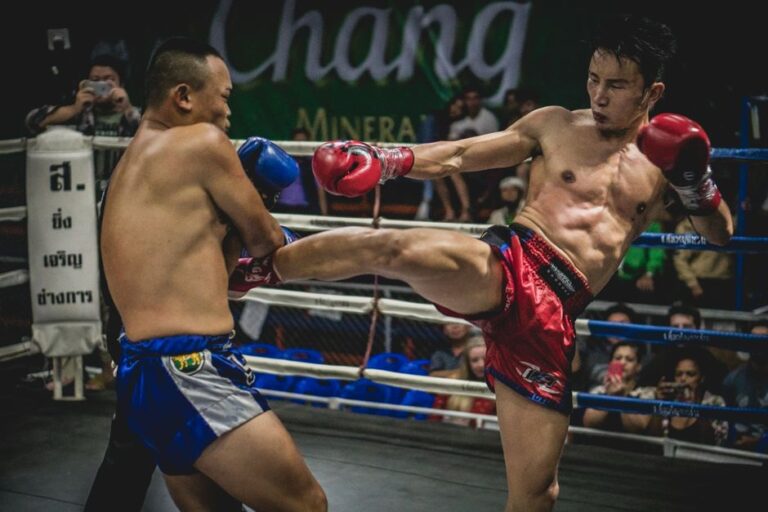
Sprawl-and-brawl is the MMA style built around stopping takedowns and punishing them with strikes. Chuck Liddell was the prototype. Junior dos Santos refined it for heavyweight. Modern champions like Alex Pereira have adapted it for a wrestling-heavy era by adding cage awareness and shorter, sharper sprawls that punish faster.
The genius of sprawl-and-brawl is psychological. Once a wrestler has been stuffed twice and eaten knees on the way out, they stop shooting. That fighter, who trained takedowns for fifteen years, now has to win on the feet. Liddell did this to Tito Ortiz, Randy Couture, and Renato Sobral. They came in as wrestlers and left as kickboxers, and they all got knocked out for it.
Wrestling is still winning UFC belts in 2026, as we covered last week. But every wrestling champ today trains sprawl defense against their own takedowns. The style did not die. It became part of the standard kit.
How TKO Tycoon Models Takedown Defense in Fight Sim
TKO Tycoon represents takedown defense as a layered attribute that combines stance discipline, hand-fighting reaction time, and sprawl mechanics. Each of those skills upgrades independently in training camp and weighs differently against opponent attack types. A fighter with elite stance but poor sprawl mechanics will defend the first shot and get bodied by the second one.
The choice to break takedown defense into three sub-skills was deliberate. A flat one-stat takedown defense slider would have made the game easier but less honest. Real takedown defense is not a single number, it is a chain. Skip the inside-hand drills in training camp and you will watch your fighter get planted by a wrestler your numbers said they should beat.
The post-match recap will tell you exactly which sub-skill failed in a loss. If your fighter ate four single legs because their stance was too narrow, the recap names it. The point is not to be cruel. The point is that real coaches know exactly what failed and a manager game should too.
Sprawl Drills That Build Real Reactive Defense
The fastest way to build a fight-ready sprawl is to drill reactive sprawls off a moving target, not against a static partner. A coach calls the shot direction without warning and the fighter has to read level change, hip position, and lead leg in under a second. Static drills build muscle memory but reactive drills build the timing that wins fights.
The Danny Fung breakdown below covers the mechanics cleanly: how to position the hands, why the hip drop must be aggressive, and what most beginners do wrong. Worth watching before your next camp regardless of skill level.
Frequently Asked Questions About MMA Takedown Defense
What is the difference between a sprawl and a stuff in MMA?
A sprawl is the specific technique of kicking the legs back and dropping hip weight onto a takedown attempt. A stuff is the overall outcome, meaning any defended takedown regardless of method. Every successful sprawl is a stuff, but not every stuff is a sprawl. Underhooks and cage walls also stuff takedowns without a sprawl.
Who has the best takedown defense in UFC history?
Jon Jones holds one of the highest verified takedown defense rates in UFC history at 95%. Eddie Wineland is close behind at 93% across his bantamweight career. Renan Barao, Chuck Liddell, and Junior dos Santos are also routinely listed in all-time top tens, with each having a recognizably different style of stopping shots.
Can you train takedown defense without a wrestling background?
Yes, but it takes longer to reach an elite level. Striking-first fighters like Pereira and Israel Adesanya built credible takedown defense through years of focused sprawl drilling, hand-fighting reps, and cage-position study. The ceiling is lower than a lifelong wrestler’s, but functional defense is reachable in 18 to 24 months of disciplined work.
Why do wrestlers still get taken down by other wrestlers?
Because wrestling against another wrestler is a chess match of setups, fakes, and reactive offense, not a pure defense problem. Even Khabib Nurmagomedov was taken down in his career, and he had one of the best defenses in MMA history. At the elite level, getting taken down sometimes is the cost of having to defend constantly.
References
- Bleacher Report: 10 Fighters with the Best Takedown Defense in MMA — historical context on Liddell and the sprawl-and-brawl era.
- Tapology: Best Takedown Defense Rankings — verified UFC takedown defense rates cited for Jones, Wineland, Vieira, Burgos, and Silva.
- Evolve MMA: Five Effective Ways to Defend Takedowns — technical detail on stance, sprawl mechanics, and hand-fighting drills.
- SportsBoom: Best Takedown Defense in UFC History — supporting stats on the 80% takedown defense win-rate correlation.
Want to test sprawl defense yourself? Play the TKO Tycoon game and build a fighter who can stay standing against the best wrestlers in the cage.
Into BJJ? TaipeiBJJ.com covers training resources and BJJ content.
Play TKO Tycoon — the MMA management game for fight fans.
Shop on Amazon
MMA & Boxing Gear on Amazon →
As an Amazon Associate we earn from qualifying purchases.
Shop on eBay
MMA & Boxing Gear on eBay →
We may earn a commission when you shop through our eBay links.