D’Arce Choke: How Paddy Pimblett’s 52-Second Finish Actually Works
Fifty-two seconds. That’s all it took Paddy Pimblett to put a decorated finisher like Benoit Saint Denis to sleep at UFC 329 on July 11. Saint Denis shot for a takedown, and by the time both men stopped moving, his head was somewhere it should never have been. Pimblett had a D’Arce choke locked, and it was the second-fastest D’Arce finish in UFC history behind only Kyle Daukaus at 50 seconds.
The D’Arce is one of the nastiest submissions in the sport, and most casual fans have no idea what they’re looking at when it happens. It looks like a guy hugging a head. It’s actually a blood choke that can end a fight before the opponent even realizes he’s in danger. Let’s break down exactly how it works.
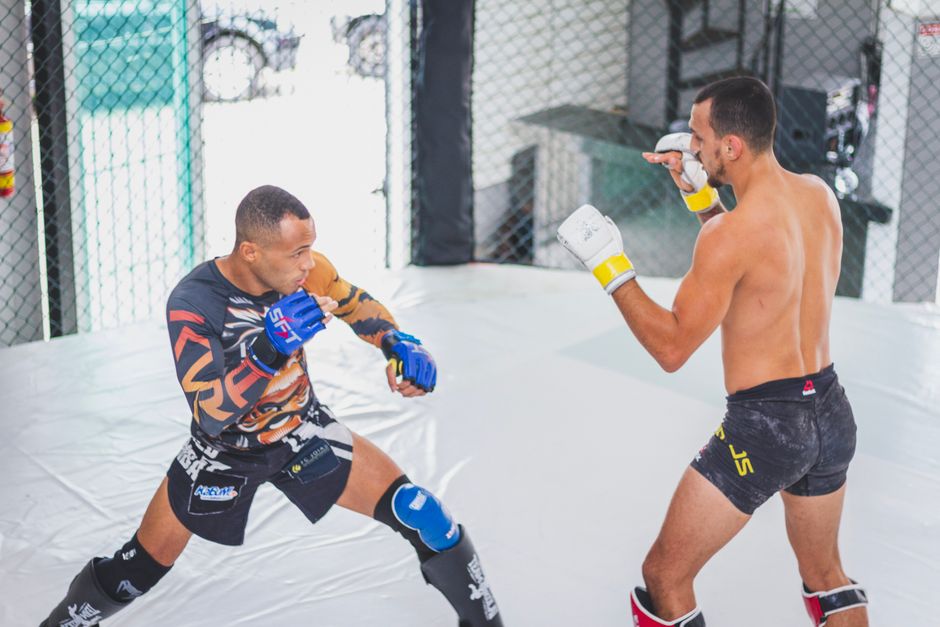
What Is the D’Arce Choke and Why It Ends Fights
The D’Arce choke is a no-gi blood choke where your choking arm threads under the opponent’s near armpit, across their throat, with the biceps and forearm squeezing the carotid arteries against their own trapped shoulder. It cuts blood flow to the brain, not air, so it works fast and quietly. There is no slow suffocation — the lights just go out.
That’s the part that makes it dangerous. An air choke gives the victim time to panic, buck, and fight. A blood choke like the D’Arce can drop someone in three to six seconds once it’s tight. The opponent’s own arm becomes part of the vice, which is why fighters call it a “head and arm” choke. You’re not just squeezing a neck. You’re wedging their shoulder into their own artery.
Named after Joe D’Arce, who popularized it in the early 2000s (the technique itself traces back to Björn Dag “Bear” and earlier catch wrestlers), it became a staple the moment no-gi grappling exploded. Today it’s everywhere in MMA because it needs zero fabric grips.
How Paddy Pimblett Landed a D’Arce Choke in 52 Seconds
Pimblett’s finish at UFC 329 was a textbook chain submission. About nine seconds in, Saint Denis threw a high kick and then shot a takedown. Pimblett met it with a guillotine attempt, and when Saint Denis drove forward to escape, Pimblett simply switched his arm underneath to convert the front headlock into a D’Arce. One threat set up the other.
The detail that sealed it: Pimblett sat his hips to the mat and planted his legs under Saint Denis’s arms, jacking up the pressure. Saint Denis scrambled, tried to posture, tried to roll — none of it mattered. Once the D’Arce is locked with good hip position, the defender is fighting the attacker’s entire body weight with one trapped arm. He was asleep before the referee finished diving in.
This is the same front-headlock family as the guillotine choke — and elite grapplers treat all of it as one connected system rather than isolated moves.

D’Arce Choke vs Anaconda Choke: The Key Difference
The D’Arce and the anaconda look nearly identical, but the choking arm travels in opposite directions. In a D’Arce, your arm enters under the opponent’s armpit and exits past the neck. In an anaconda, your arm enters under the neck and exits through the far armpit. Same head-and-arm trap, mirror-image entry.
That difference changes how you finish. The D’Arce is usually locked while you’re chest-to-back or off to the side after a guard pass, squeezing while you drive your shoulder down. The anaconda typically ends with a “gator roll” — you roll the opponent over your own body to crank the pressure and pin them. If you can’t remember which is which, use the entry: arm under the arm first is the D’Arce.
There’s also the guillotine, the third head-and-arm cousin, where you attack from the front with the opponent’s head under your armpit. Great grapplers flow between all three depending on which way the opponent’s head pops out during a scramble. That flow is exactly what Pimblett showed.
Where the D’Arce Choke Comes From on the Ground
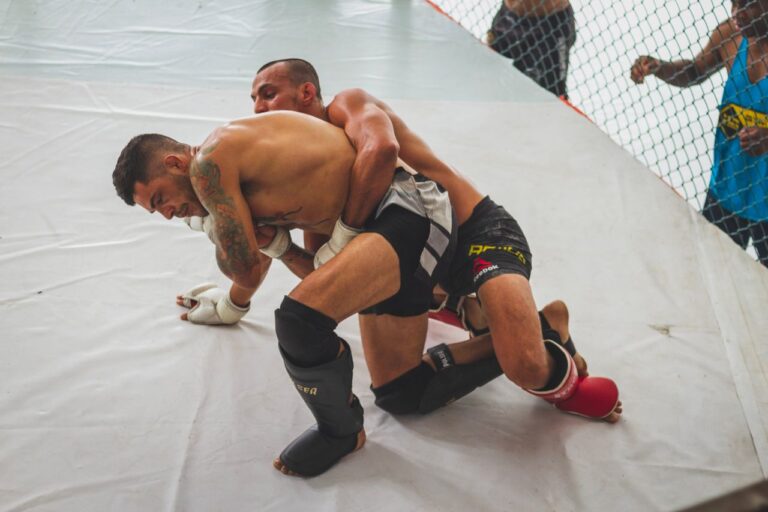
The most common D’Arce entry is guard passing. When you pass to side control and the bottom fighter digs for an underhook to escape, that underhook feeds his arm right into the choke — you thread your hand under his armpit, over the neck, and lock. His defensive reflex is the setup. It also appears off a sprawl when someone shoots a lazy takedown and gets flattened.
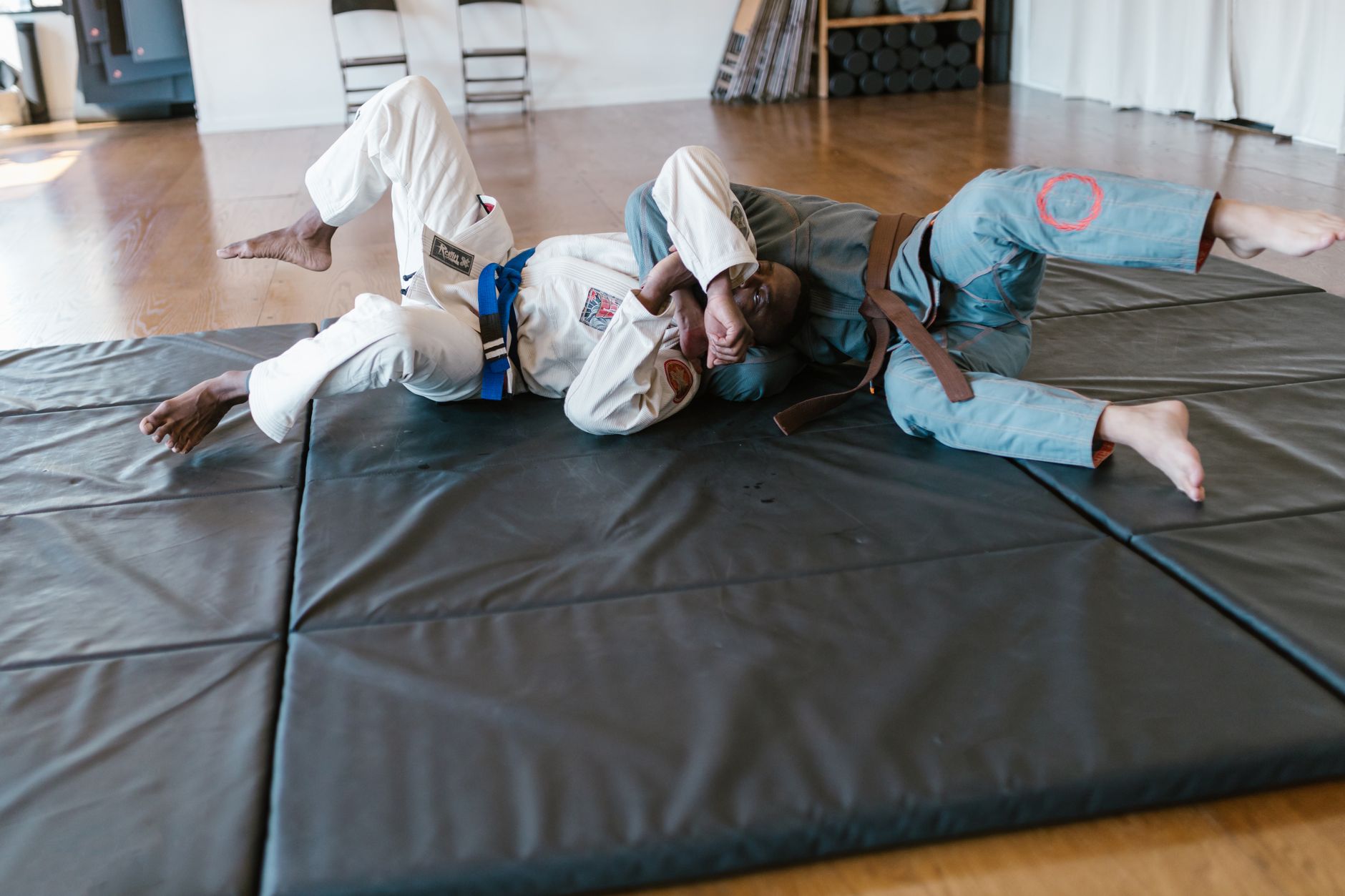
Other high-percentage entries: catching a turtled opponent, hitting it during a scramble when you get to the front headlock, and off a failed takedown where the shooter’s head stays low. The theme is constant — the D’Arce punishes anyone who leaves their head down and an arm in. In MMA that’s a huge amount of the time, because takedown attempts and level changes create exactly that geometry.
Finishing Mechanics: How to Actually Make Someone Tap
Getting the D’Arce locked is only half the job. To finish, you drive the choking-hand biceps deep across the throat, hide that hand behind the opponent’s far shoulder or your own biceps, then squeeze your elbows together while pulling your locked figure-four toward your chest. Sitting to your hip and dropping your chest onto their head adds the shoulder pressure that makes it tap-or-nap.
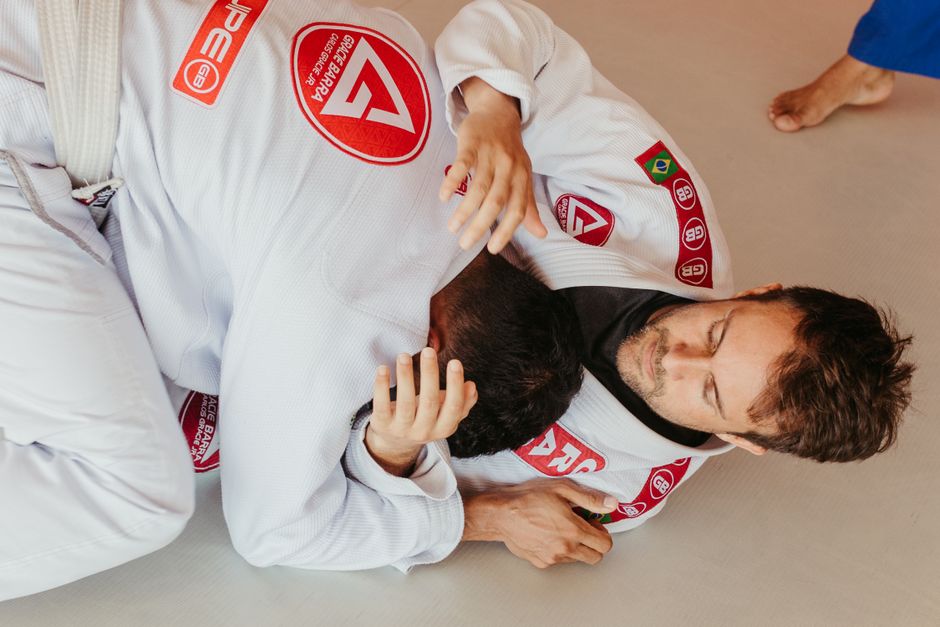
The most common mistake is trying to muscle it with arm strength alone. A tight D’Arce comes from the whole body: hip angle, chest weight, and a deep initial thread so the choking arm is past the neck rather than caught on the jaw. If you can see daylight between their neck and your biceps, the choke is too shallow — re-thread before you squeeze. Angle over strength, every time.
What the D’Arce Choke Teaches You About TKO Tycoon
The D’Arce is a chain submission — it works because it’s connected to a guillotine, a sprawl, and a guard pass, not because it’s one memorized trick. In TKO Tycoon, the same logic applies to how you build a fighter. A single elite skill wins rounds; a connected system wins fights.
Think about it in game terms. A fighter with high grappling but garbage cardio can lock a D’Arce in round one and gas by round two. A fighter with the submission chain and the conditioning to keep hunting it after a failed takedown is the one who racks up finishes. When you’re allocating training time in the TKO Tycoon game, resist the urge to max one stat. The Pimblett finish happened because his scramble, his front headlock, and his grip all worked together in 52 seconds. Build fighters the same way — complete, not lopsided.
D’Arce Choke FAQ: Quick Answers
Is the D’Arce choke a blood choke or an air choke?
It’s a blood choke. The D’Arce pinches the carotid arteries on both sides of the neck and starves the brain of oxygen. That’s why it can put someone out in seconds without ever crushing the windpipe.
What is the difference between a D’Arce and an anaconda choke?
The choking arm’s path is reversed. In a D’Arce, your arm threads under the opponent’s armpit and out past the neck. In an anaconda, it goes under the neck and out the far armpit, usually finished with a gator roll.
How did Paddy Pimblett win by D’Arce choke at UFC 329?
Saint Denis shot a takedown, Pimblett threatened a guillotine, then re-threaded his arm into a D’Arce as the scramble settled. He sat to his hip, pinched his elbows, and put Saint Denis to sleep in 52 seconds.
Is the D’Arce choke effective in MMA?
Very. It appears off failed takedowns, sprawls, and guard passes, and it needs no gi grips. Charles Oliveira, Tony Ferguson, and now Paddy Pimblett have all finished elite opponents with it.
References
- Yahoo Sports — UFC 329: Paddy Pimblett puts Benoit Saint Denis to sleep with D’Arce choke — fight result, 52-second finish, sequence details.
- Evolve MMA — BJJ 101: The D’Arce Choke — mechanics, history, and setup fundamentals.
- BJJ Fanatics — D’Arce vs Anaconda: What’s the Difference? — entry-direction comparison between the two head-and-arm chokes.
- Cageside Press — Paddy Pimblett chokes out Benoit Saint Denis with slick D’Arce — UFC 329 co-main event recap.