Justin Gaethje Fighting Style: Inside the Machine That Shocked the World
At the end of Round 4 at UFC Freedom 250 on June 14, 2026, Ilia Topuria’s corner threw in the towel, and Justin Gaethje became the UFC lightweight champion. Nobody — almost nobody — saw it coming. Topuria had gone undefeated across two weight classes, handled featherweight royalty, and moved up to 155 looking every bit the pound-for-pound king in the making. Gaethje absorbed punishment for three rounds, came back in the fourth, and beat the next great into submission. That outcome didn’t happen by accident. It happened because Gaethje’s fighting style is specifically designed to make the final rounds of a fight hell for anyone sharing the cage with him.
This is a breakdown of that style — and why it works better than it looks.
Justin Gaethje’s Wrestling Background: The Weapon He Keeps in His Back Pocket
Gaethje was an NCAA Division I All-American wrestler at the University of Northern Colorado. That isn’t a footnote. In MMA, that’s typically the primary identity. It isn’t for him. Gaethje barely uses offensive wrestling in his fights, preferring to stand and exchange rather than drag anyone to the mat — and this choice is one of the most fascinating strategic decisions in the sport.
The wrestling background shows up in ways that aren’t always obvious. His base is exceptionally difficult to disturb. He doesn’t get off-balance when opponents clinch him or drive for takedowns — his hips stay low and his balance stays centered. He walls off takedown attempts without burning energy or losing position. When he does clinch opponents against the cage, his frames and underhook positioning reflect genuine wrestling craft. But his offensive wrestling? He leaves it in the locker room almost every fight. His answer when asked is consistent: he’d rather punish people on their feet. It’s a conscious identity decision, not a gap in his game.
Constant Pressure: How Gaethje Turns Every Fight Into a War of Attrition
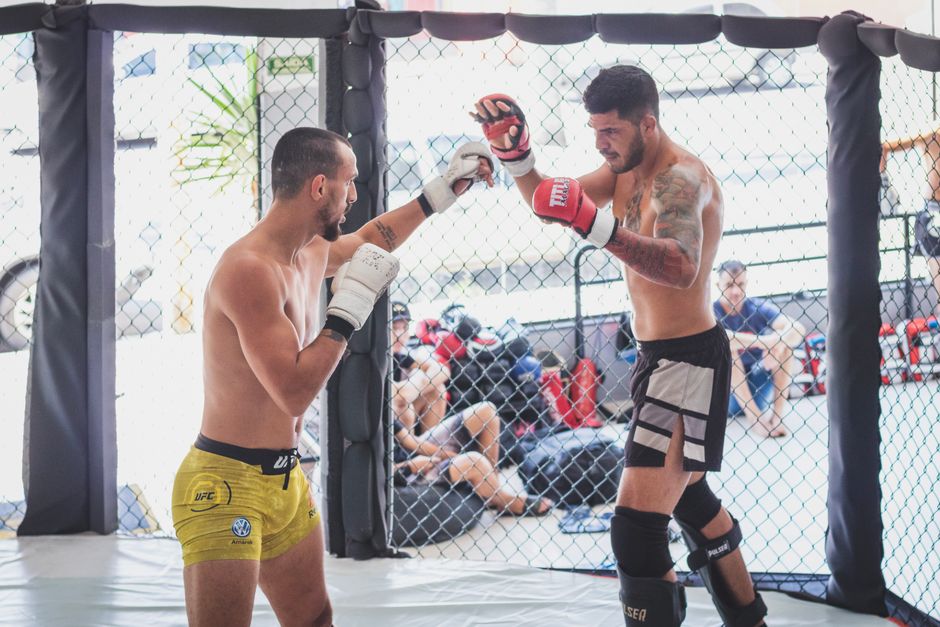
Gaethje’s pressure isn’t about rushing forward recklessly. It’s a system. He closes distance at a controlled pace — not sprinting, not hanging back — maintaining a range where he can land and where his opponent cannot disengage cleanly. Every time an opponent tries to reset, Gaethje follows. Every time they attempt to circle out, he cuts the angle and reasserts himself.
The mechanics that make this work: he keeps his hands relatively high, his chin tucked, and he moves forward in a slight crouch that shortens his profile. He doesn’t lunge. He walks people down methodically, like a man who genuinely believes the fight is going to end badly for his opponent and has all night to prove it. The cumulative effect of this pressure — being chased, being cut off, never getting a reset — is that opponents make mistakes. They throw shots out of frustration, they take bad angles, they leave openings they’d never leave if they had space to breathe. That’s when Gaethje lands his best work.
Gaethje’s Leg Kick System: Chopping Trees Until They Fall
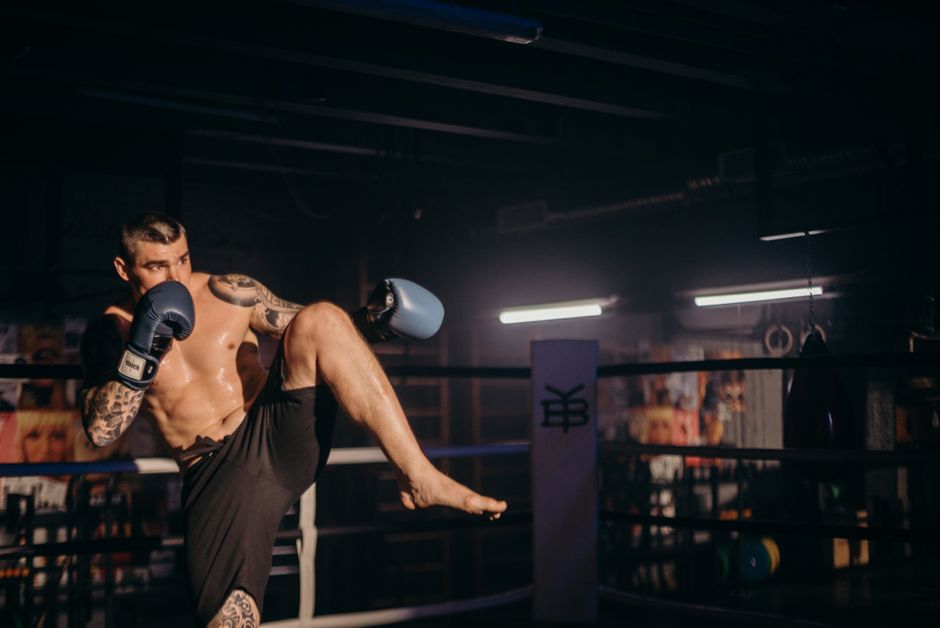
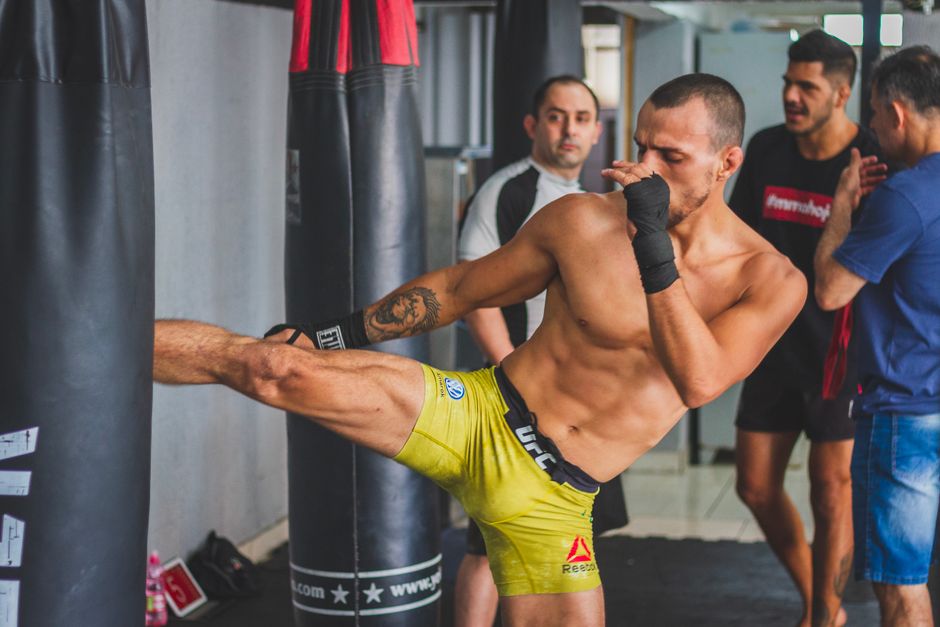
Leg kicks aren’t a weapon Gaethje throws occasionally — they’re structural. Specifically, calf kicks. He attacks the lower leg early and often, landing consistently through the first two or three rounds. Each kick doesn’t need to be a fight-ender. The point is accumulation. By the middle rounds, his opponents are dealing with a leg that doesn’t quite move the way it should, a base that’s slightly compromised, and footwork that’s become a liability.
Against opponents who don’t check leg kicks reliably — and many world-class fighters still don’t have great calf kick defense — this is a slow poison that reshapes the entire fight. The leg kick also sets up Gaethje’s boxing. When opponents become concerned about protecting the lead leg, they shift weight, change stance width, or flinch — all of which create openings above the waist. His right hand in particular gets cleaner entries after repeated low-line work.
The Evolution From Berserker to Calculated Assassin
Early Gaethje was something else entirely. His first UFC run — the fight with Michael Johnson, the wars with Eddie Alvarez and Dustin Poirier (round one of their trilogy) — were wars of attrition built on the philosophy that the last man standing wins. He absorbed enormous punishment in those fights. He also won most of them on sheer stubbornness and output, but the method had a ceiling. He lost to Khabib in a title fight in 2020, and to Charles Oliveira in a title fight in 2021, in large part because taking damage for five rounds isn’t a strategy against the very best.
What changed was the addition of more disciplined countering under his coach Trevor Wittman. The modern Gaethje still presses forward and still wins ugly sometimes, but he’s added patience. He waits for shots before committing. He sets traps rather than just walking into exchanges. His win over Dustin Poirier for the BMF title in 2023 — a stunning head kick KO — showed the evolved version. He timed it perfectly, didn’t rush it, and Poirier never saw it coming. The Topuria performance was the same idea at a higher level. He ate Topuria’s best work early, stayed in the game, and then imposed his system once Topuria started to slow.
The Chin That Built the Legend — and What It Actually Means
Gaethje’s chin is genuinely elite. He’s been hit clean by some of the hardest punchers in the lightweight division and kept fighting. Against Poirier’s first fight, he took shots that would have stopped most fighters. Against Chandler, he ate bombs and came back. The chin isn’t just toughness — it’s a tactical asset, because it means he can walk through early shots to get to his preferred range without the risk of a single punch ending everything.
But — and this matters — Gaethje doesn’t rely on his chin by design. He’s evolved specifically because chin-first MMA has a diminishing return curve. Elite strikers eventually find the combination that gets through any guard, and accumulated damage compounds over a career. The fact that he’s still competing at the highest level at this stage of his career, with a belt around his waist, reflects that he got smarter before the physical gifts declined. He still has the chin. He just needs it less than he used to.
What Gaethje Does Next — and Why TKO Tycoon Managers Should Care
Gaethje is on medical suspension after the Topuria fight and has indicated he won’t return until 2027. The early frontrunner for his first title defense is likely Max Holloway, who is working toward another lightweight title shot — we’ve broken down that matchup separately. The Conor McGregor factor is out there too, depending on how McGregor’s return plays out.
From a TKO Tycoon game strategy perspective, Gaethje is the kind of fighter who punishes players who try to out-technique him. His pressure system means your fighter needs either elite footwork to stay out of range, or enough power to make him respect distance. A fighter with good leg strength can neutralize his calf kick game early. His wrestling background means takedowns against him are harder than they look on paper — he’s not going down easy. The chin rating means you can’t plan on a single big shot to end it. You’re looking at a five-round decision plan, which means cardio management becomes the critical variable against this archetype.
Frequently Asked Questions About Justin Gaethje’s Fighting Style
What is Justin Gaethje’s fighting style?
Gaethje is a pressure-based striker with an NCAA Division I wrestling background. He uses constant forward movement, high-output boxing combinations, and heavy calf kicks to break opponents down over rounds. His style is pressure-forward but has evolved from pure aggression toward more patient counter-striking under coach Trevor Wittman.
Why doesn’t Justin Gaethje use his wrestling in fights?
Gaethje has stated he prefers to fight standing, treating his wrestling as a defensive tool rather than an offensive one. His wrestling background still shows in his base and takedown defense, but he consistently chooses to strike rather than take fights to the mat — it’s a deliberate identity, not a gap in his skills.
How did Justin Gaethje beat Ilia Topuria?
Gaethje absorbed Topuria’s best work through the early rounds at UFC Freedom 250 on June 14, 2026, then took over in the third and fourth rounds as his pressure system wore Topuria down. Gaethje landed damaging shots that left Topuria visibly compromised, and the corner stopped the contest between rounds four and five, giving Gaethje a TKO victory and the lightweight title.
Who is Justin Gaethje’s next fight?
As of mid-2026, Gaethje is on medical suspension after the Topuria win and has indicated he targets a return in 2027. The most likely challenger is Max Holloway, with Conor McGregor also a possibility depending on his return timeline. No official bout has been announced.
References
- Al Jazeera Sports — Gaethje shocks Topuria, wins UFC lightweight title at White House event (June 15, 2026)
- Bloody Elbow — UFC Freedom 250 full results coverage
- EssentiallySports — Justin Gaethje fighting style analysis
- ESPN MMA — Justin Gaethje fighter profile and stats