Dricus Du Plessis Fighting Style: Why Looking Sloppy Wins Fights
Dricus du Plessis threw a spinning elbow at Israel Adesanya, lost his balance mid-exchange, and ended up winning by rear-naked choke in the fourth round. That sequence tells you everything about his style. It shouldn’t work. It does.
The South African fighter became the first man from his country to win a UFC Championship, dethroned by Khamzat Chimaev at UFC 319 in August 2025, then came back to beat Kamaru Usman by decision on July 18, 2026. The path back to the middleweight belt runs straight through “Borz” — and it all depends on whether du Plessis can weaponize chaos against the most suffocating wrestler in the division.
Before that rematch gets booked, it’s worth understanding what makes du Plessis so difficult to prepare for. The style looks wrong. That’s the whole point.
What Makes Dricus Du Plessis’ Fighting Style So Unorthodox
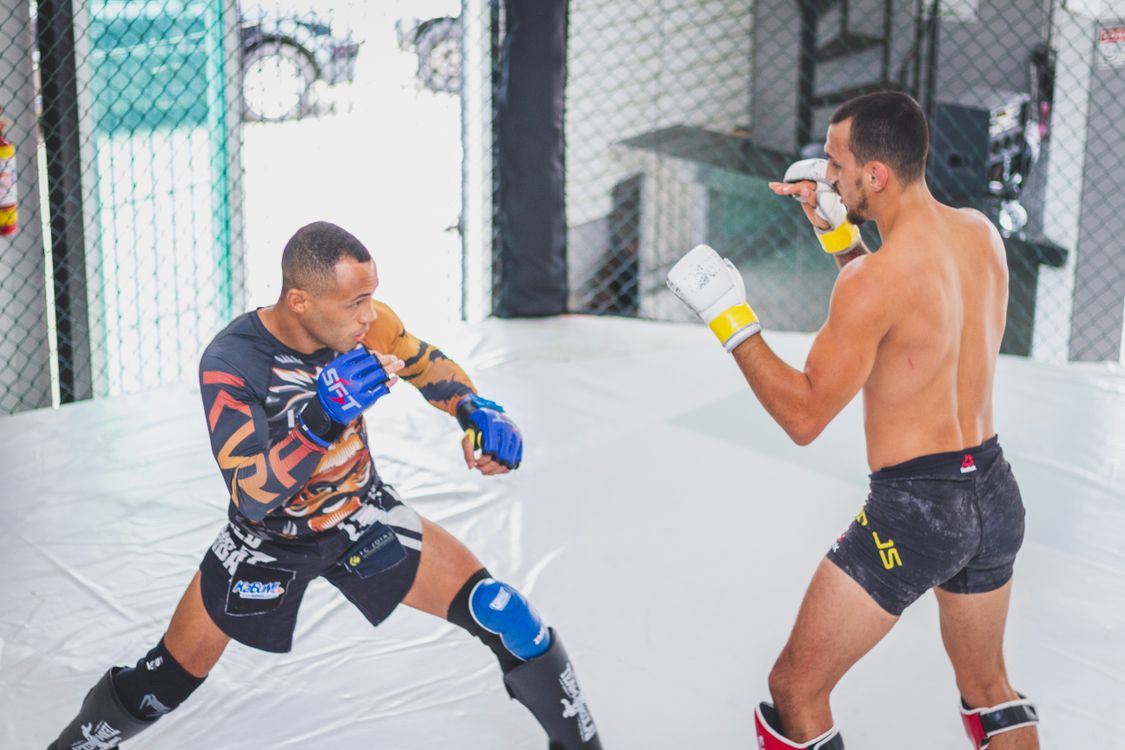
Du Plessis fights out of an orthodox stance, but almost nothing else about his approach is textbook. He holds his hands low, walks forward with his chin tilted upward, and throws punches in wide, looping arcs that technical striking coaches would call telegraphed. Classic MMA analysis says you don’t survive at the highest level looking like that. His nickname says otherwise.
His background explains the patchwork. Judo at age five, wrestling through his early teens, then amateur K-1 kickboxing — where he won gold at the continental level — before transitioning to MMA. None of those disciplines were ever merged into a clean system. Du Plessis fights like all three are competing for control simultaneously. For opponents trained to read orthodox patterns, there’s nothing to read.
Dana White once described his shots as looking like “a white drunk guy dancing at a party.” Du Plessis has pushed back on the idea that his style is sloppy, and he’s not wrong — what looks like chaos is deliberate rhythm disruption. No combination starts from the same position twice. His entries vary by level, angle, and weapon. The inconsistency is the strategy.
The Dirty Boxing Clinch Game That Defines His Pressure
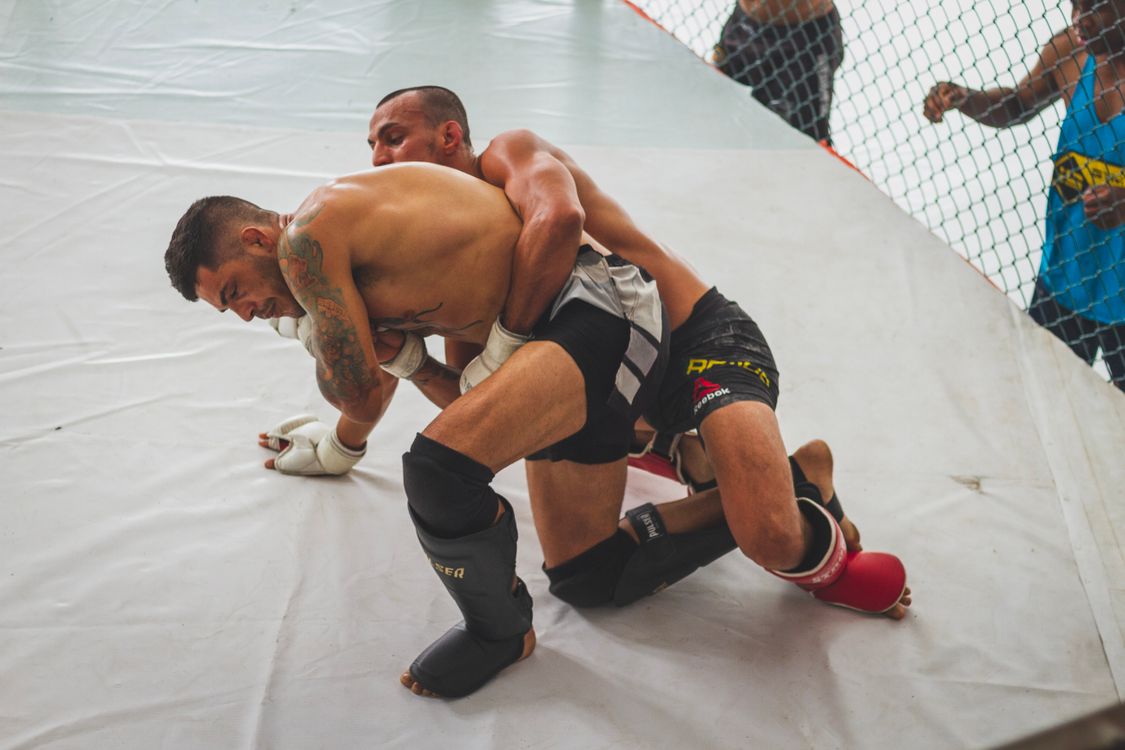
Once Dricus du Plessis gets inside, fights turn into wars — and he’s built for exactly that. His clinch work draws from judo mechanics but looks more like a controlled street fight: short elbows, shoulder barges, head position battles, and underhook control that levers opponents off-balance before they understand what just happened.
The entry game is what makes the clinch available. Du Plessis doesn’t commit to single, clean shots from distance. He throws two or three strikes at varying levels, uses that motion to close distance, and then works short once inside. An uppercut under the guard. A body shot while grabbing the neck. A right hook thrown while controlling the opponent’s wrist with his other hand. None of it is pretty. All of it works.
His two fights against Sean Strickland — both wins — demonstrated this most clearly. Strickland built his career on messy, high-volume exchanges that break other fighters’ rhythm. Du Plessis won both because his clinch work was messier and more disruptive than Strickland’s. Pressure beating pressure, but the weirder guy wins.
His win over Kamaru Usman in July showed the same pattern at range — constant forward movement, willingness to eat a shot to land two, and pressure that prevented Usman from setting his feet for power shots.
Level Changes and Judo Entries Keep Opponents Guessing All Night
Du Plessis doesn’t shoot traditional double-leg takedowns. His wrestling is built on threat and disruption, not execution. He makes constant level changes mid-combination — dipping his hips, crouching unexpectedly, or dropping suddenly between punches — which forces opponents to split their attention between the strike threat and the takedown threat simultaneously. That split second of hesitation is where his cleanest shots land.
When he does go to the mat, the entry comes from a clinch position or a judo-style trip, not a committed shot from outside range. His Adesanya submission didn’t come after a textbook takedown — it came out of a scramble where du Plessis out-positioned someone who had no business being threatened on the ground. His judo instincts create leverage opportunities that pure wrestlers miss.
He loses some of these scrambles. He’s not an elite technical grappler in the traditional sense. But even failed attempts serve him well — they reset the distance in his favor and usually end with him landing a punch as both fighters return to standing. The grappling doesn’t have to succeed to do its job.
Why Du Plessis Has One of MMA’s Most Durable Chins in 2026
The chin is real, and it matters more than any specific technique in his arsenal.
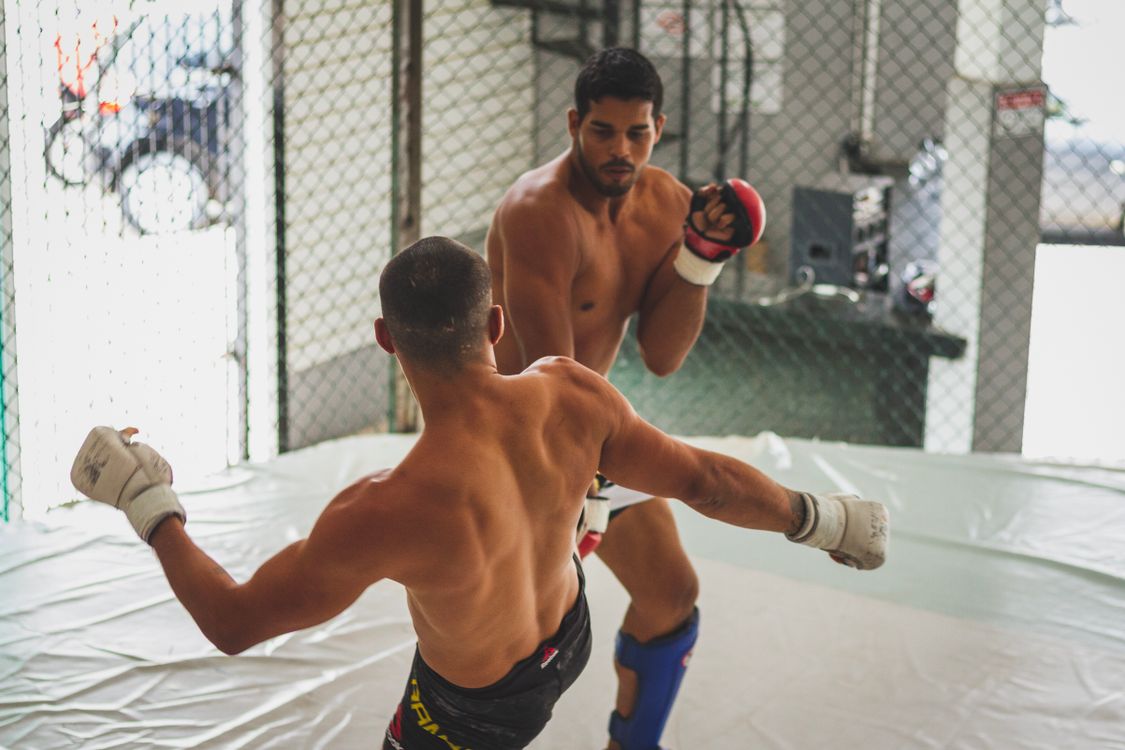
Du Plessis walks forward and absorbs shots on every card he fights. Sean Strickland landed clean on him — more than once. Israel Adesanya, one of the sharpest counterpunchers in the sport’s history, connected with clean shots in their first fight. The reason du Plessis can keep coming forward is a mix of physical durability and body positioning. His chin-down, eyes-up stance reduces the lever length on incoming shots more than it appears from outside.
More importantly, he doesn’t panic when hurt. His immediate response to a clean shot is to cover up and fire back — never retreat. Opponents who hurt him and then chase end up in exchanges they didn’t want. Several of his best finishes came directly after absorbing something significant, because the trade becomes a war he’s structurally built to survive and they are not.
Against Usman, this pattern played out over five rounds. Usman’s power was neutralized by proximity — du Plessis was too close, too often, for Usman to generate the distance he needed to land full-force shots. The style doesn’t avoid damage. It outlasts it.
Can This Style Beat Khamzat Chimaev and Reclaim the Middleweight Belt
This is where the honest analysis gets uncomfortable. Khamzat Chimaev is the one fighter whose approach might genuinely cancel du Plessis’ core advantages.
Chimaev’s wrestling isn’t improvised — it’s world-class, built on a sambo and freestyle background that operates at a different technical level than du Plessis’ judo-influenced scrambling. His level changes are textbook. His striking has improved to the point where he can threaten at range, which means du Plessis can’t simply walk forward into punching range without surviving a sharper jab. And in the clinch, Chimaev looks for clean takedowns and dominant positions — not ugly battles where du Plessis gets to use his weird angles.
At UFC 319, Chimaev took the title by decision, controlling the pace and limiting du Plessis’ ability to make things chaotic. The pattern was clear: du Plessis thrives when the fight is a mess. He loses ground when his opponent controls the mess.
A rematch plays differently only if du Plessis can force high-contact exchanges early, before Chimaev establishes his wrestling rhythm. Dirty clinch vs. clean wrestling, heart vs. technique — it’s a genuinely compelling matchup. My read: give du Plessis one more tuneup win and the title fight is closer than the first one suggests.
Building a Du Plessis Pressure Archetype in TKO Tycoon
In TKO Tycoon, the du Plessis archetype isn’t about clean stat distribution. It’s about survivability and output under fire — a fighter who thrives when the match is ugly.
Prioritize chin and durability above polished technique ratings. A fighter who absorbs shots and keeps pressing forces the opponent into exchanges neither of them planned. Then invest in dirty boxing and clinch control — these are the mechanics that create the rhythm disruption his style depends on at the highest level.
Don’t over-invest in takedown accuracy; invest in takedown threat. The scrambles and level changes are more valuable than clean finishes in this build. High takedown threat at low accuracy forces the opponent to burn mental energy defending something that may never fully materialize — and that’s when the punch lands.
Keep conditioning maxed. The du Plessis style is high-output and high-contact — it burns stamina fast and burns the opponent’s stamina faster. A tired version of this archetype loses everything: the pressure, the chin response, the volume. Keep him fresh and he gets scarier the longer the TKO Tycoon game round goes. That’s exactly how “Stillknocks” would want it.
FAQ: Dricus Du Plessis Fighting Style
What is Dricus du Plessis’ fighting style?
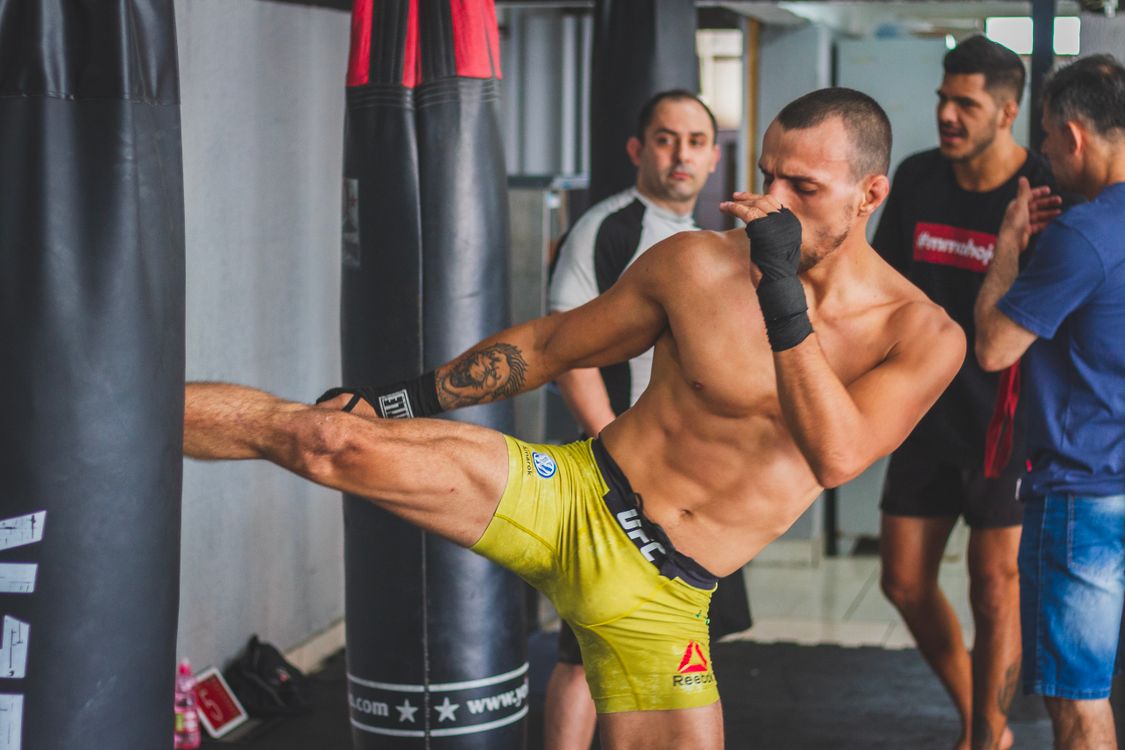
Du Plessis uses an unorthodox hybrid of judo, wrestling, and K-1 kickboxing built around forward pressure, dirty boxing in the clinch, and constant rhythm disruption. There’s no clean label for it — the style borrows from multiple disciplines without conforming to any of them, which is what makes him so difficult to prepare for.
Why does Dricus du Plessis look so sloppy when he fights?
The apparent sloppiness is intentional rhythm disruption. By combining three different martial arts backgrounds without blending them into a standard system, du Plessis generates strikes and entries that don’t telegraph like orthodox combinations do. Opponents trained to read conventional patterns can’t anticipate his timing or angles.
What are Dricus du Plessis’ biggest career wins?
His most significant wins include beating Sean Strickland twice — first at UFC 297 to win the UFC Middleweight title, then at UFC 312 to retain it — submitting Israel Adesanya via rear-naked choke at UFC 305, and defeating Kamaru Usman by decision in July 2026. Each win highlighted a different dimension of his pressure game.
Who is the current UFC Middleweight Champion as of 2026?
Khamzat Chimaev is the current UFC Middleweight Champion, having defeated Dricus du Plessis at UFC 319 in August 2025. Du Plessis is considered the top contender for a rematch after his win over Usman in July 2026.
References
- SportsProMax — Dricus Du Plessis Fighting Style Analysis: Why He’s So Hard To Beat
- MMA UK — Breaking Down the Dricus Du Plessis Style
- UFC.com — Official Dricus du Plessis athlete profile and record