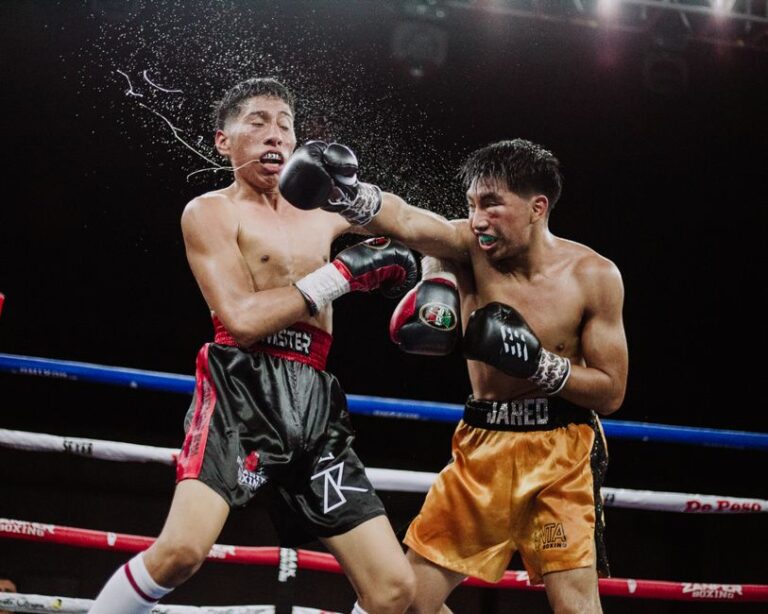
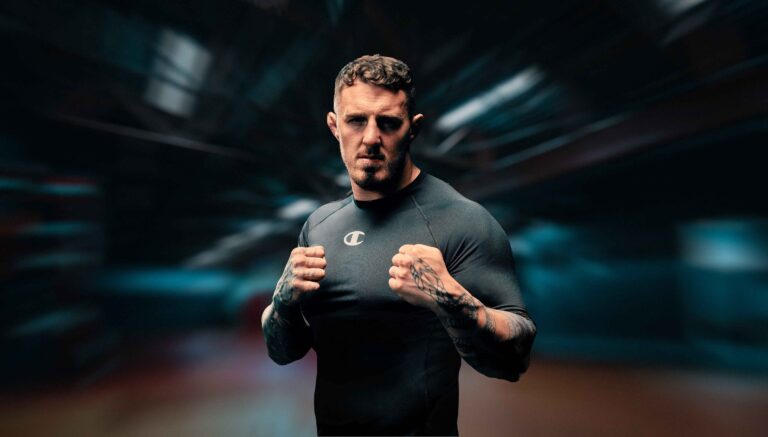
Alex Pereira Fighting Style: How “Poatan” Built the UFC’s Most Dangerous Left Hook
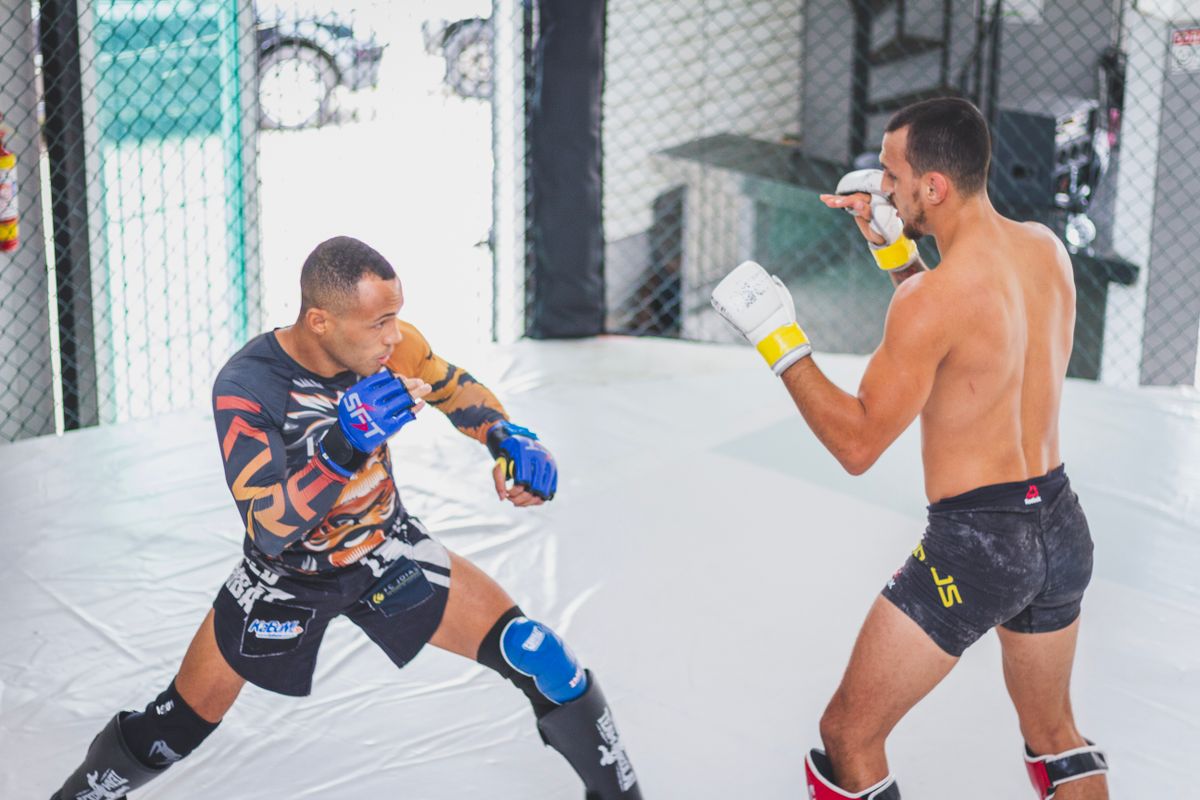
At UFC 303, Jiří Procházka threw a wild punch, caught air, and stood flat-footed for less than a second. That was enough. A spinning heel kick from Alex Pereira landed flush, and Procházka’s knees buckled before he hit the canvas. Total time: 13 seconds.
That sequence is Pereira in miniature — read the moment, act with violence, don’t waste it. He has done this across two weight classes, three title reigns, and 17 professional MMA fights, becoming the most efficient finisher the UFC has seen in a generation. Understanding how it works requires going back to a sport most MMA fans barely watch.
From São Paulo to the GLORY Kickboxing World Title
Alex Pereira grew up in Santo André, São Paulo, and started combat sports as a teenager looking for structure and a way out of a tough neighborhood. He found kickboxing — specifically the GLORY circuit, the highest level of international standup competition — and did not find it difficult.
He finished with a 33-7 kickboxing record, 21 wins by knockout. He won the GLORY Middleweight World Championship in 2017 and in 2019 became the first fighter in GLORY history to simultaneously hold two titles, adding the interim light heavyweight belt. Along the way, he knocked out Israel Adesanya twice in kickboxing — a detail that would define his MMA origin story.
His nickname, “Poatan,” translates to “Stone Hand” from the language of Brazil’s Pataxó indigenous people. The name fits. You don’t watch Pereira fight and wonder where the power comes from. You wonder why anyone volunteers to stand in front of it.
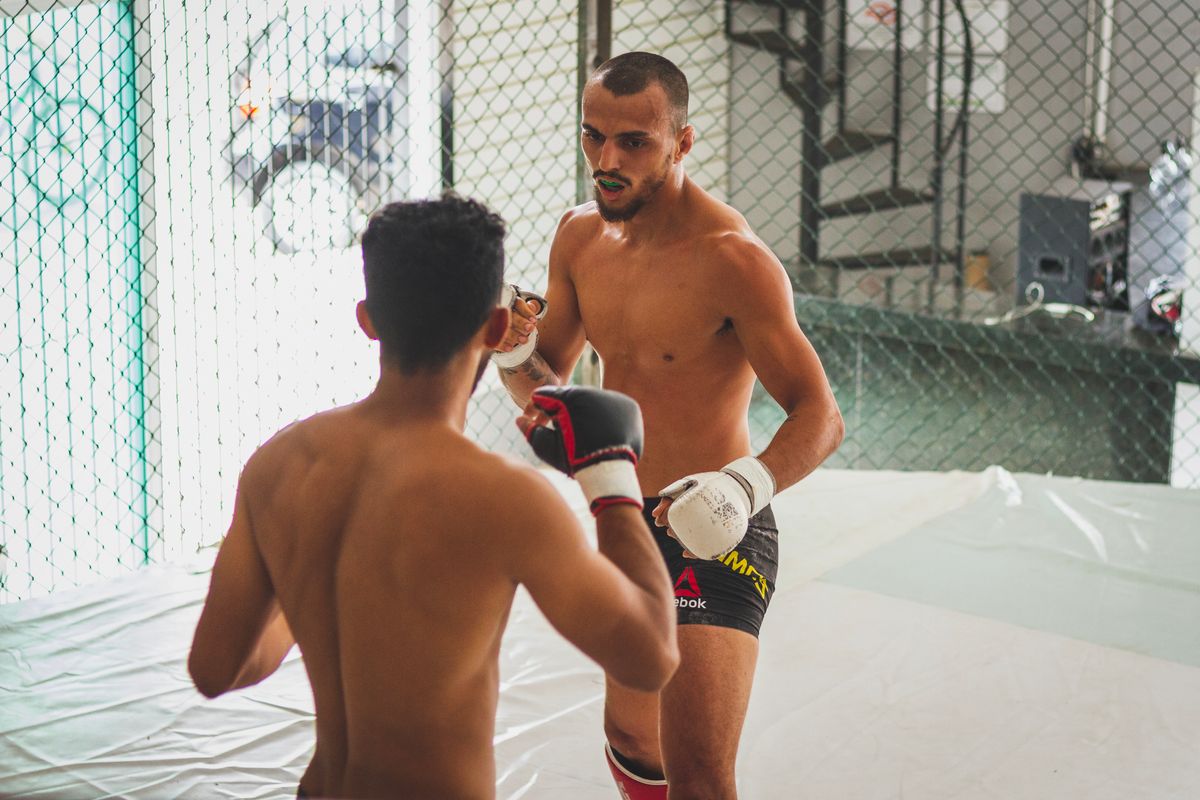
The Left Hook Setup That Has Ended Five UFC Fights
Pereira’s left hook is his signature finish and his most misunderstood weapon. Most fans see it land and attribute the result to raw power. The mechanics are more interesting than that.
He enters orthodox stance with his lead shoulder deliberately dropped and his hands positioned lower than most coaches would teach. The stance reads as casual. It isn’t. When opponents commit to their own attacks — a jab, a right hand, even an attempted clinch entry — Pereira shifts his weight to his lead foot, drives his hips through the rotation, and fires a hook that lands at a slightly downward angle. At 6’4″, that means the shot frequently catches fighters on the crown rather than the side of the chin. Different target, different kind of damage.
His three primary setups:
- Overhand right to left hook — the classic sequence, made effective because his overhand right genuinely threatens knockdown. Opponents have to respond, and the response is what he’s waiting for.
- Jab feint to left hook — barely extends the jab, watches for the defensive pull-back or parry, fires the hook over the lowered guard.
- Cage pressure into pocket hooks — walks opponents laterally until they lose their exit angle, then uncorks short hooks when space collapses and their back is against the fence.
Israel Adesanya — himself a former kickboxing champion with one of the sport’s best striking IQs — could not solve this at UFC 281. He got dropped in Round 5 and the fight was waved off. Jamahal Hill, the most athletically gifted 205-pounder Pereira had faced, folded three minutes and fourteen seconds into their UFC 300 main event. The hook doesn’t change. Nobody can stop it.
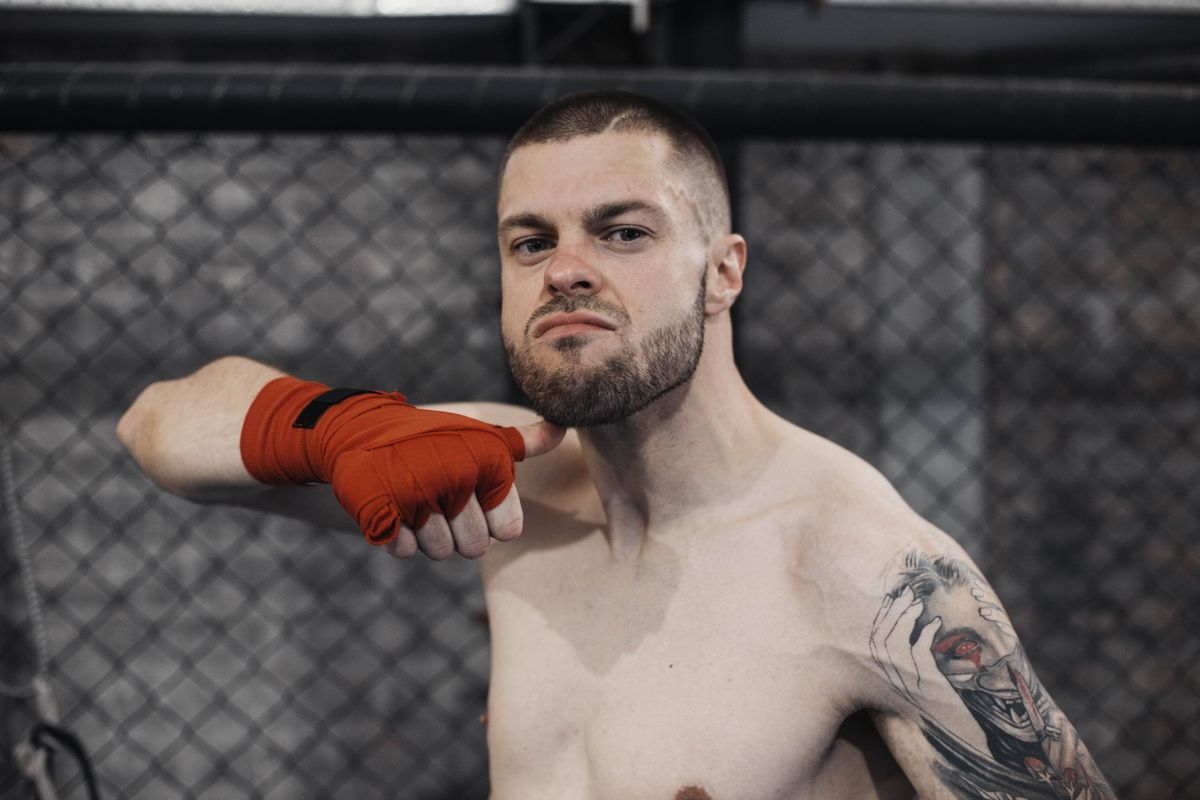
The Low Kick Game Nobody Analyzes but Opponents Always Feel
Pereira’s finish rate pulls all attention toward his hands. His low kick has been the unsung setup in multiple victories, and its mechanics are genuinely unusual.
Elite strikers typically generate low kick power through full hip rotation and extended follow-through. Pereira uses almost none of either. His kicks are compact and snapping, launched from minimal chamber, with power generated from the knee joint uncoiling and a sharp weight transfer. The result: no telegraphing hip wind-up, a shorter reaction window for defenders, and less energy burned on each kick — which matters across five-round fights.
The target is the peroneal nerve cluster just above the knee, the same area that made the calf kick a mainstream MMA weapon over the past decade. Pereira lands it consistently from mid-range, and by the championship rounds, opponents are moving differently. Khalil Rountree Jr. — a man who had stopped three consecutive opponents in Round 1 — was visibly impaired on his lead leg by Round 3 of their UFC 307 fight. He went out by TKO in Round 4.
What Four Years of MMA Wrestling Development Actually Looks Like
Pereira entered MMA with no serious wrestling background. He has been taken down twice in 17 professional fights. Those two facts deserve to sit next to each other.
His takedown defense is legitimately elite, and the reasons are specific. His Glover Teixeira-guided camp made hip clearing, posting, and cage work central to his preparation from the beginning. At 6’4″ with a wide base and good hip positioning, he is simply hard to move. Fighters who have tried to shoot on him — including Prochazka — tend to find themselves sprawled over by someone who was not supposed to know how to do that.
On the ground, Pereira is a competent scrambler who wants back to his feet immediately and will accept positional concessions to get there. He has never been submitted across 17 fights. His ground defense is sound enough that it has never cost him.
The honest assessment: Pereira’s grappling is not a weapon. It is an absence of weakness. That distinction matters enormously at the elite level.
The Heavyweight Move and What the Gane Loss Actually Revealed
At UFC Freedom 250 on June 14, 2026, Pereira moved to heavyweight for the first time, facing Ciryl Gane for the interim title at the White House in Washington D.C. He was stopped in Round 2 via TKO in a finish he immediately and publicly challenged, claiming Gane’s final strikes landed on the back of his head — an illegal target.
The controversy is genuine. The footage is ambiguous enough that reasonable people disagree about the call. But separate from the officiating debate, the fight showed something worth examining: at 265 pounds, opponents carry enough physical mass to absorb Pereira’s strikes and force him into defensive situations he rarely encounters at 205. Gane’s jab — the finest in the heavyweight division — disrupted Pereira’s pressure game more than any opponent has since Adesanya at UFC 287.
Pereira was 38, fighting above his natural weight, on short notice after Aspinall withdrew injured. He still stood in there with the biggest man in the sport and was competitive through the first round. The six-month suspension that followed is medical, not disciplinary. When he returns, the light heavyweight division is where his title lives — and no one there has figured out how to beat him cleanly.
How Pereira’s Fighting Style Translates to TKO Tycoon
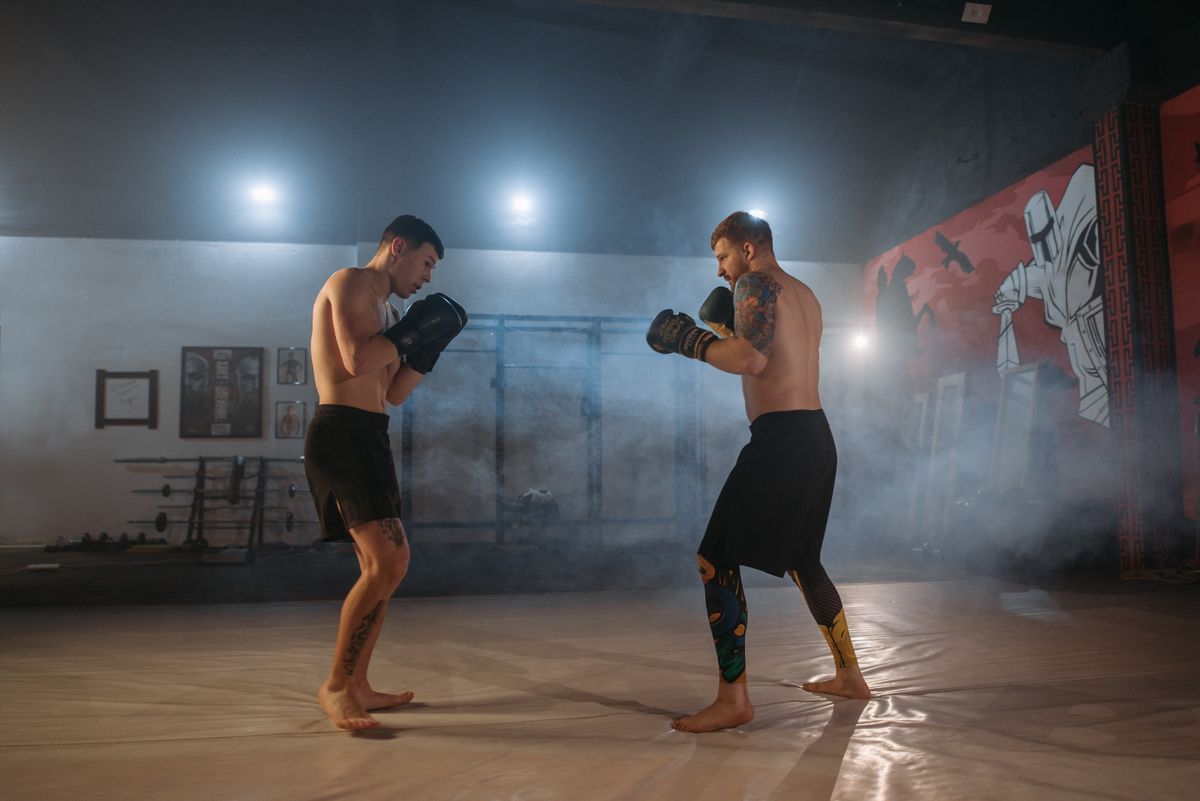
In TKO Tycoon, the Pereira archetype is a pure striker built around high knockout power, strong low kick volume, and grappling stats just good enough to stay upright. That maps almost perfectly to how his real career plays out — he doesn’t win on the mat and doesn’t need to.
The lesson from his 17-fight record: maximize striking KD thresholds and train your low kick connection rate alongside the power shots. The Pereira model collapses when opponents take the fight to the ground or hold it in the clinch — which is why takedown defense is the most important secondary stat to develop in any striker build.
He also demonstrates that chin and cardio compound over time. Pereira has been rocked multiple times and has never been stopped cleanly by a strike. That’s not natural toughness — it’s fifteen years of high-level competition building the ability to absorb, reset, and keep moving forward. Build your fighters’ conditioning early. It doesn’t show up in Round 1, but it decides Round 5.
Frequently Asked Questions About Alex Pereira’s Fighting Style
What fighting style does Alex Pereira use in MMA?
Pereira fights orthodox out of a kickboxing base, using a wide stance, deliberately low hand position, and lateral cage pressure to set up his left hook. His low kick adds a secondary damage track that accumulates across rounds. He has developed strong takedown defense but does not use grappling offensively — his game plan is to keep fights standing and end them with power shots.
Why is Alex Pereira called “Poatan”?
The nickname “Poatan” means “Stone Hand” or “Hands of Stone” in the language of Brazil’s Pataxó indigenous people. It reflects his exceptional knockout power across both kickboxing and MMA — he has finished 11 of 13 UFC wins and 21 of 33 professional kickboxing bouts by KO or TKO.
How many UFC titles has Alex Pereira won?
Pereira has captured UFC gold twice across two weight classes. He won the Middleweight Championship at UFC 281 by stopping Israel Adesanya, then moved to light heavyweight and became a two-time champion — winning the belt at UFC 295, losing it to Magomed Ankalaev at UFC 313, and reclaiming it at UFC 320. He challenged for a third title at heavyweight at UFC Freedom 250 in June 2026.
What is Alex Pereira’s current MMA record?
As of mid-2026, Pereira holds a 13-4 MMA record. His four losses came against Israel Adesanya (KO, UFC 287), Magomed Ankalaev (unanimous decision, UFC 313), and Ciryl Gane (TKO, UFC Freedom 250). He has finished 11 opponents by KO or TKO across his UFC career.
References
- Wikipedia — Alex Pereira — Career record, title history, kickboxing background
- CBS Sports — UFC Freedom 250 Results — Gane vs Pereira fight details and aftermath
- Evolve MMA — How to Fight Like Alex Pereira — Technical breakdown of Poatan’s striking system
- Bloody Elbow — UFC OKC post-fight analysis — Current UFC middleweight landscape context