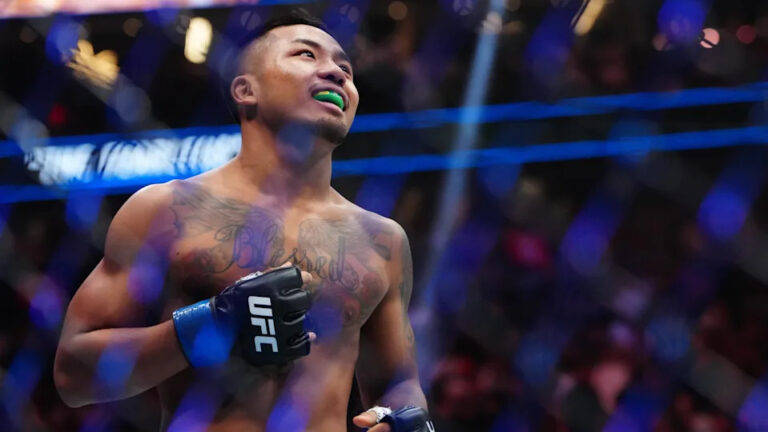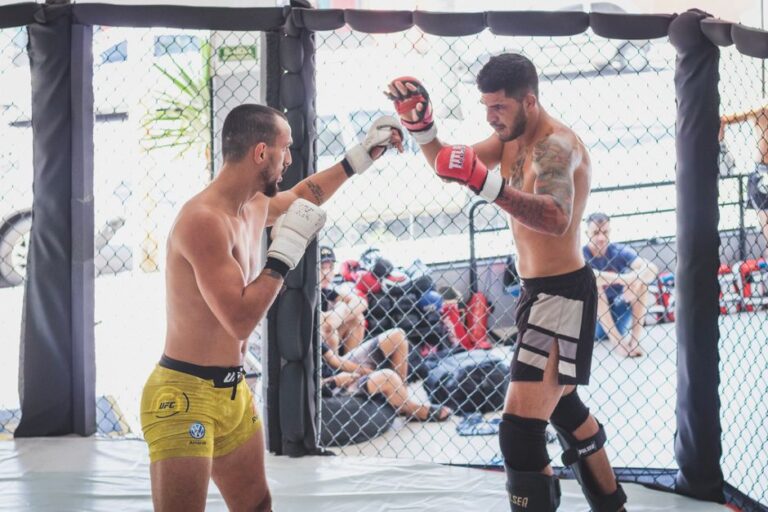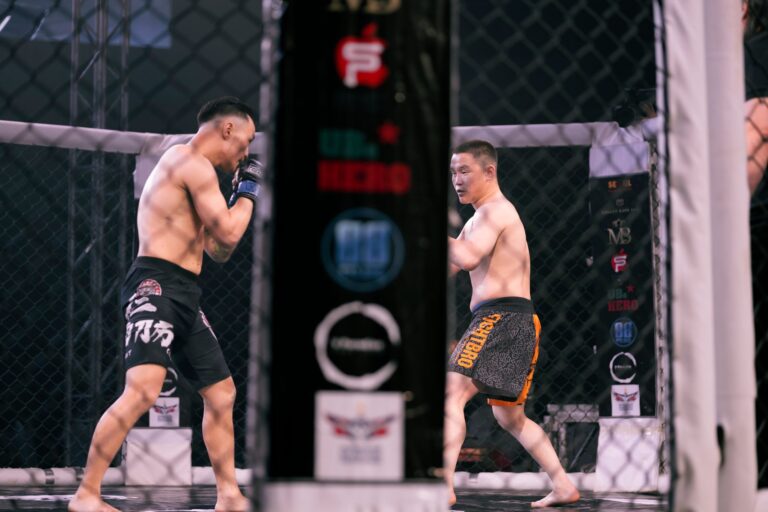
Alexandre Pantoja Fighting Style: The Flyweight Wizard Who Wants His Belt Back
There’s a moment in almost every Alexandre Pantoja fight where his opponent thinks they have him. They’re in top position, controlling the pace, looking composed — and then they’re tapping to a guillotine choke they never saw coming. That’s the Pantoja trap. And Joshua Van walked into it once already.
“The Cannibal” earned that nickname. He doesn’t just beat flyweights — he eats their game plans alive. With UFC 331 on September 19 and the flyweight title on the line in their rematch, Van faces the same riddle he solved once before. The question is whether Pantoja has reloaded.
Alexandre Pantoja’s BJJ: World-Class Submission Game at 125 Pounds
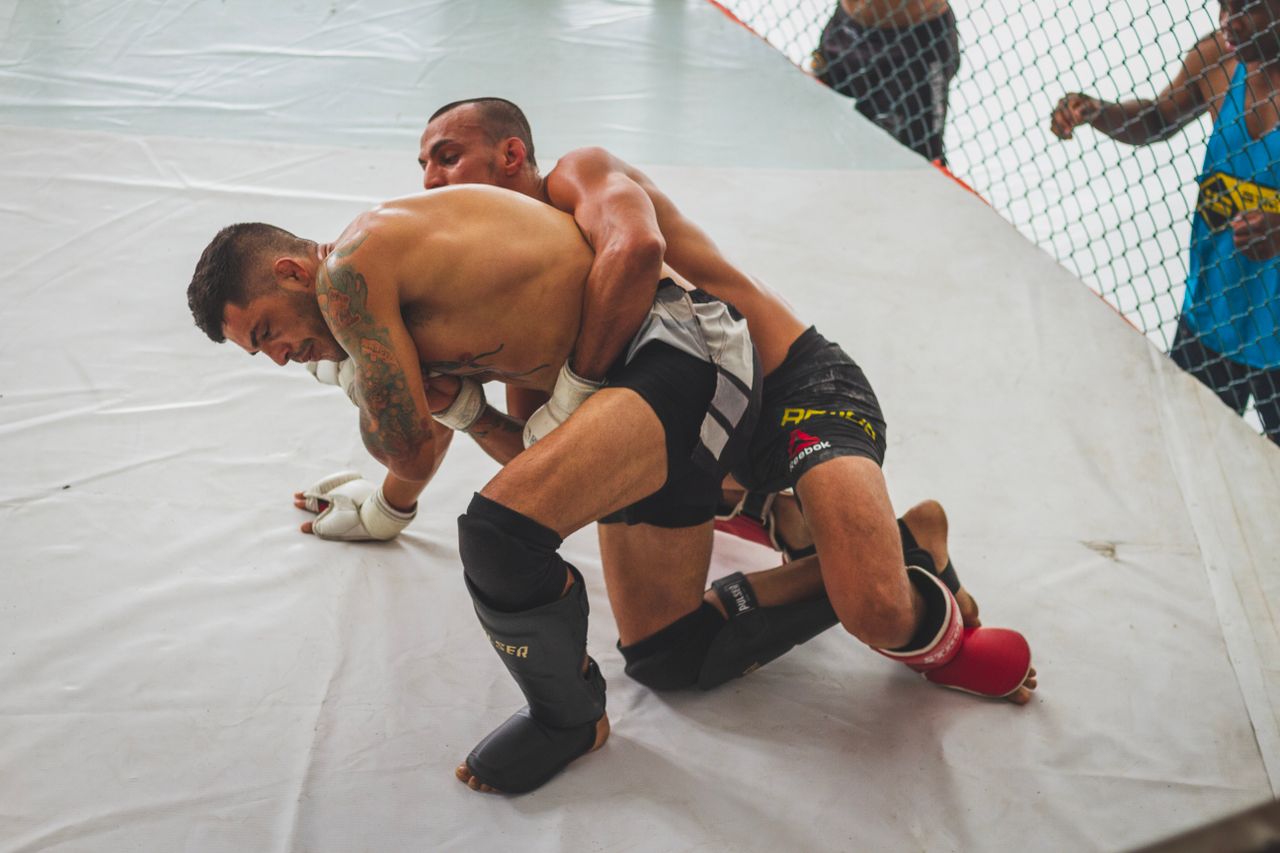
Pantoja is the most dangerous submission artist at flyweight and arguably the most dangerous submission artist pound-for-pound outside of a pure grappling context. His guillotine is not a desperation move — it’s a calculated, high-percentage weapon he sets up from clinch, from the cage, and from guard entries.
What separates him from other BJJ-based fighters is the layering. He doesn’t just shoot for guillotines. He takes the back, he works triangle setups from guard, and he has enough positional wrestling to control where the fight goes on the ground. Brazilian training at Team Recall gave him a base that punishes any fighter who gives him an opening — and flyweights tend to be more scramble-reliant than heavier fighters, which creates those openings constantly.
His 11 submission finishes across his career aren’t accidents. They’re the result of a fighter who understands submission chains — where one attack flowing into the next while the opponent defends. When he missed the guillotine against Asakura in their UFC 317 bout, he transitioned to a back take within seconds. That kind of second-level thinking is what makes him so hard to contain once the fight hits the mat.
Pantoja’s Striking: More Dangerous Than His Reputation Suggests
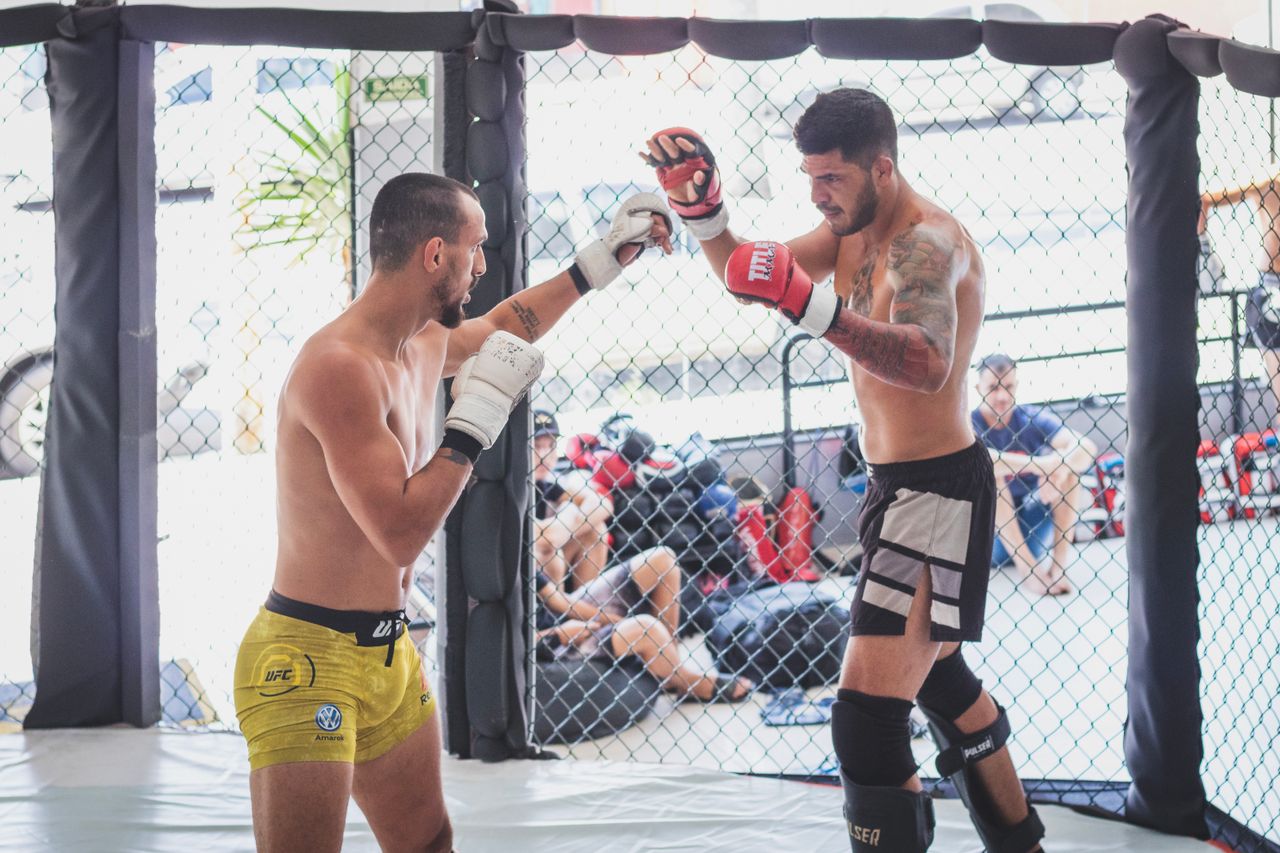
Most fighters who rely on their BJJ use striking as a delivery system — jab, grab, drag, submit. Pantoja does that, but he also genuinely threatens on the feet in a way that complicates your defensive game plan.
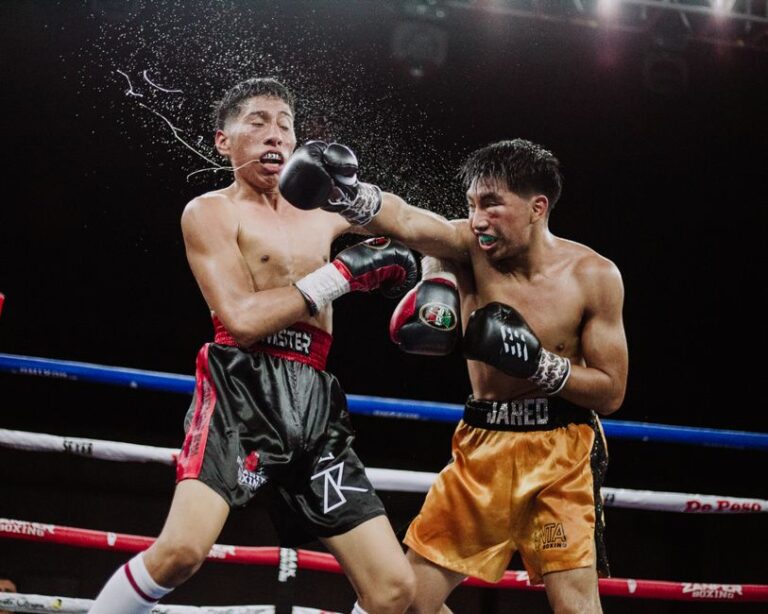
His striking output is high and varied. He throws from awkward angles, switches stances mid-combination, and uses his compact frame to get inside the reach of taller flyweights. His right hand has legitimate knockout power for the weight class — not the kind that ends fights with a single shot, but the kind that makes opponents think twice about exchanging at close range.
The striking isn’t the headline, but it’s the setup. When a fighter starts worrying about Pantoja’s hands, they start blocking — which means their posture opens up for the clinch entry, which is where The Cannibal lives. It’s a feedback loop that works in his favor the longer a fight goes on.
Cage Pressure and Ring Control: The Invisible Half of His Game
Pantoja’s fight IQ shows up most clearly in how he moves. He doesn’t stand in the center and throw — he cuts angles, uses lateral movement to take space away, and pushes opponents toward the cage. Once he has a fighter backed up, he initiates the clinch and starts working his takedown entries.
His cage pressure is measured, not frantic. That’s a product of experience. Pantoja has been fighting professionally since 2012, and the sheer number of rounds he’s accumulated means he reads tactical situations faster than most flyweights. He knows when to push pace and when to sit back and let an opponent burn energy trying to create distance.
This is also where his conditioning becomes a factor. Pantoja fights hard for three rounds and doesn’t fade. His pace in the third round is almost identical to his pace in the first, which is unusual in a division where smaller fighters sometimes gas if they’re used to quick finishes. That durability makes his pressure sustainable — it’s not a blitz that burns out, it’s a sustained campaign.
Where Pantoja Lost to Van — and What He’s Had to Fix
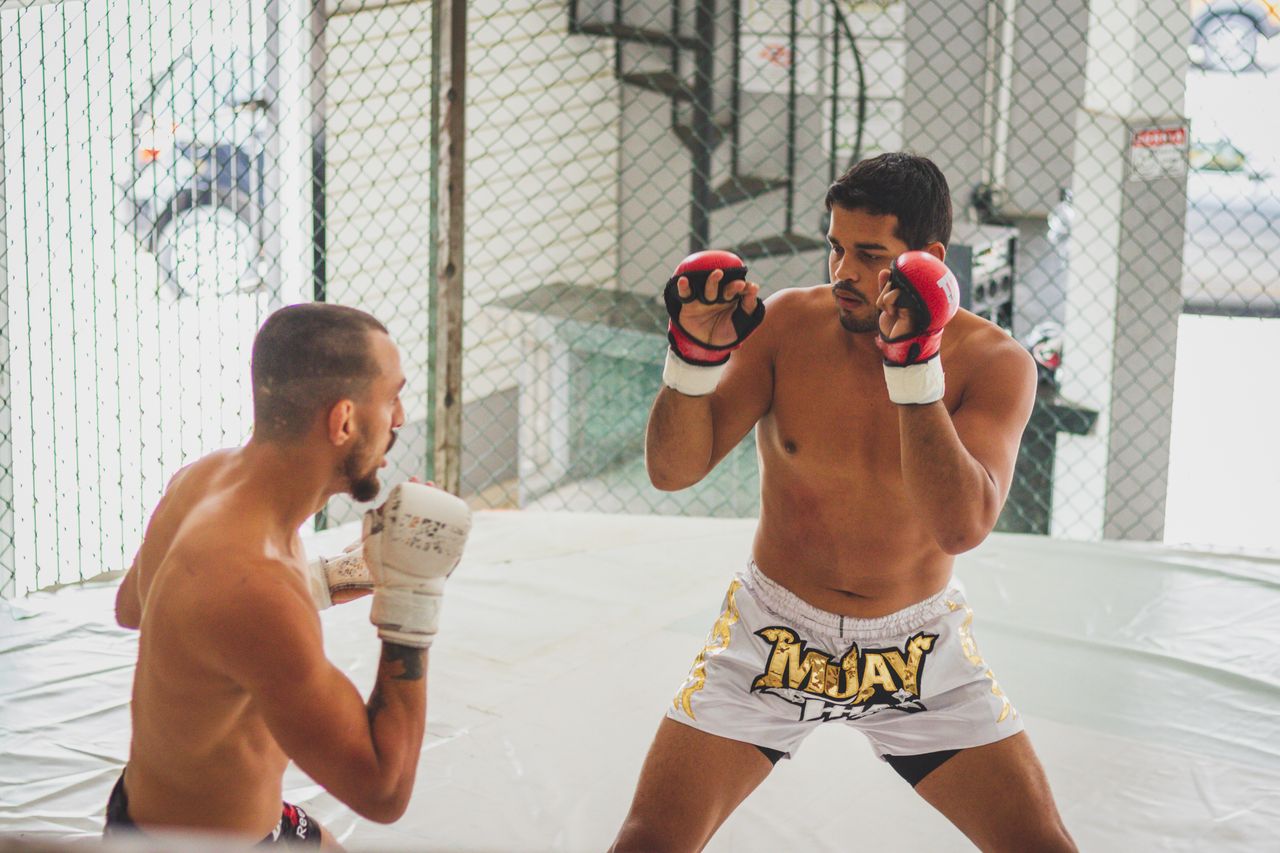
Van won their first fight by doing something most flyweights can’t sustain: he stayed disciplined on the outside, used his footwork to deny Pantoja the clinch entries, and won rounds on the feet without giving The Cannibal the scramble situations he thrives in. It was a controlled, technical performance from a champion who understood what he had to avoid.
The uncomfortable truth for Pantoja’s camp is that Van’s wrestling defense also held up. When Pantoja did get inside, Van separated cleanly. When the fight hit the cage, Van worked off it rather than turtling and giving up his back. It was a game plan executed close to perfectly — which means the rematch hinges on whether Pantoja can make Van make different decisions.
What Pantoja has in his corner: time. His team has had a full camp to study Van’s patterns, find the tendencies Van shows when he’s loading up his counters, and build different entries into the clinch. Pantoja also fights better in rematch situations historically — he’s the kind of fighter who learns faster than most once he has film on a specific opponent’s habits.
How Pantoja’s Style Creates Problems for Van at UFC 331
Van is an outstanding flyweight champion, but he’s not invulnerable. His style requires maintaining distance and popping in and out with his strikes — that works against most flyweights, who either brawl or try to wrestle without much sophistication. Pantoja is neither of those opponents.
The specific danger: Pantoja’s catch-and-counter is exceptional off his back foot. When Van steps in to land and then exits, Pantoja is fast enough to close the gap on the exit and initiate the clinch during that brief moment of weight transfer. If he can catch Van in that position twice in a fight, he can change the trajectory of an entire round.
There’s also the psychological layer. Van knows what Pantoja is hunting for. Fighters who are thinking “don’t get caught in the guillotine” are already compromising their natural movement — you can’t fight freely when you’re running a defensive checklist in the back of your head. Pantoja’s reputation creates problems even when he’s not actively attacking.
Read the breakdown of Joshua Van’s fighting style and the UFC 331 fight predictions for the full picture on how this rematch sets up stylistically.
Building a Pantoja-Type Fighter in TKO Tycoon
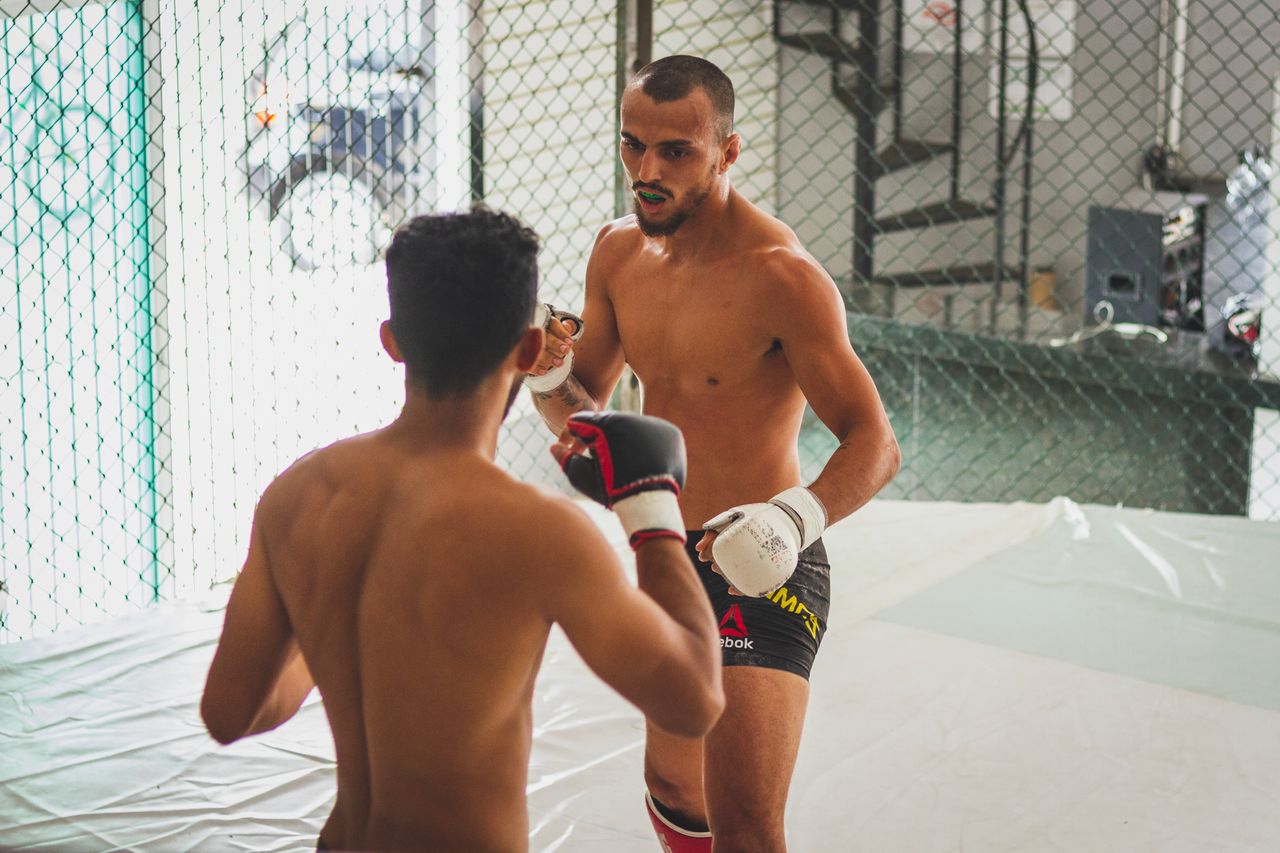
In TKO Tycoon, submission specialists have a specific strategic profile that mirrors what makes Pantoja work in real MMA. High ground game and submission ratings create the finishing threat — but those attributes only pay off if you’re also investing in clinch transitions, because that’s the delivery mechanism.
The Pantoja build in the game looks like: high Jiu-Jitsu, above-average striking to create setup opportunities, and enough cardio to sustain pressure across full rounds. Cardio is often underrated by newer players who stack technical skills — but a Pantoja-type who gasses in round two is just a fighter who gets held on the outside until he fades. The submission game only matters if you can still create the entries in round three.
The other consideration is opponent scouting. Submission artists in TKO Tycoon, like submission artists in real MMA, are most dangerous against opponents who panic on the ground. Matchmaking matters — you want to find opponents with lower wrestling ratings who are likely to scramble rather than defend methodically. That’s the opponent pool where a Pantoja-type cleans up.
FAQ
What is Alexandre Pantoja’s fighting style?
Alexandre Pantoja is a submission-based mixed martial artist with elite-level Brazilian jiu-jitsu, particularly known for his guillotine choke. He combines strong cage pressure, varied striking to set up clinch entries, and high-output grappling to force scrambles where his submission game becomes dangerous.
Is Alexandre Pantoja a good wrestler?
Pantoja’s wrestling is functional but not elite. He doesn’t rely on shot-based takedowns — he uses clinch work and cage pressure to create takedown opportunities and prefers to drag fights into scrambles where his submission instincts take over. His takedown defense is solid, which matters as much as his offense at flyweight.
Why is Alexandre Pantoja called The Cannibal?
Pantoja earned the nickname “The Cannibal” for his aggressive finishing instinct — his style of eating through opponents’ game plans and consuming their energy. He’s known for relentless pressure, multiple submission attempts per round, and a pace that breaks fighters down over the course of a contest.
Who does Alexandre Pantoja fight at UFC 331?
Alexandre Pantoja challenges Joshua Van for the UFC Flyweight Championship at UFC 331 on September 19, 2026. It’s a rematch of their first fight, which Van won. Pantoja is returning for another shot at reclaiming the title he previously held.
References
- ESPN MMA — Alexandre Pantoja fighter profile and fight history
- UFC.com — Official Alexandre Pantoja athlete page
- MMA Fighting — Alexandre Pantoja record and career coverage
Image credit: ufc.com