Valentina Shevchenko Fighting Style: The Blueprint That Outlasts the Belt
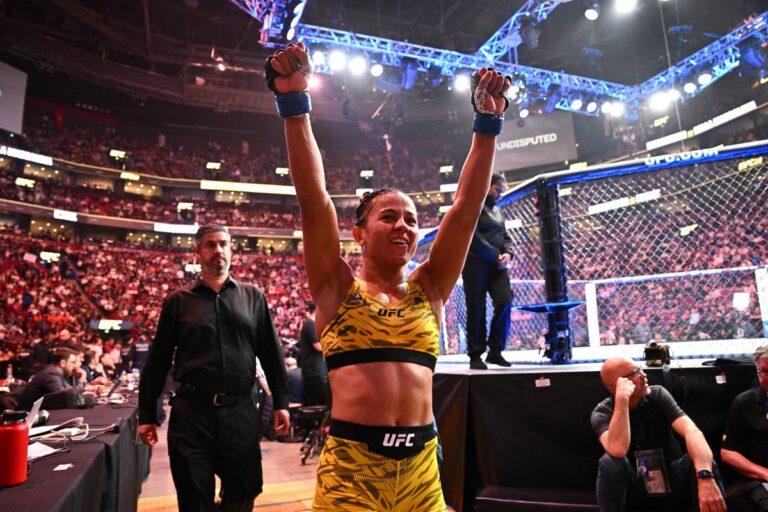
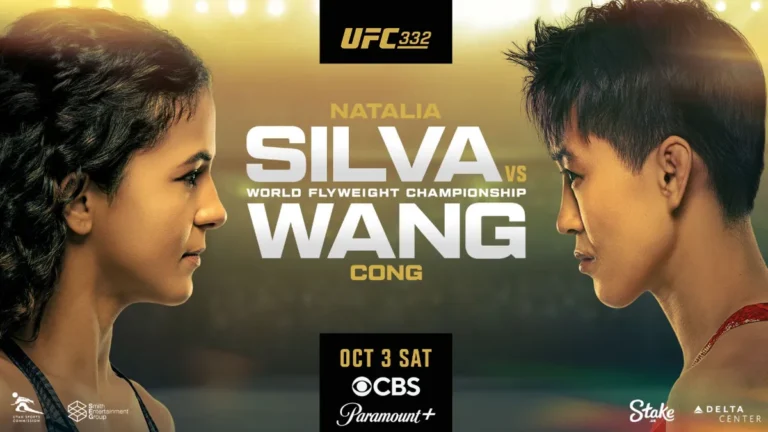
On October 3, Natalia Silva and Wang Cong will fight for a flyweight title that Valentina Shevchenko never lost in the cage. She gave it up because of an undisclosed injury during the UFC Paris broadcast, not because anyone found a way to beat her. That’s the strange position women’s flyweight finds itself in right now — the champion is on the sideline, but her fingerprints are still all over the division’s ceiling. Understanding how she got there means looking past the record and into the actual mechanics: the clinch, the counters, and a fight IQ that opponents still can’t solve even when they know exactly what’s coming.
The Muay Thai Foundation That Built Everything
Shevchenko didn’t arrive in MMA as a striker who picked up some kicks along the way. She won amateur world titles through the International Federation of Muay Thai Associations, was crowned a 17-time Muay Thai and K-1 world champion before she ever signed with the UFC, and holds a kickboxing record of 57-2. In 2012 she added the World Muay Thai Council title, and later the Kunlun Fight kickboxing world championship — the same China-based promotion that helped build Israel Adesanya and Alex Pereira’s résumés before they moved to MMA full time.
That volume of professional striking matters more than the highlight reel suggests. Most UFC strikers cross-trained in Muay Thai as one piece of a broader camp. Shevchenko fought professionally in the discipline for over a decade before she ever threw a punch inside the Octagon. The footwork, the range-finding low kicks, the economy of motion — none of it was adapted for MMA. It was imported wholesale, then sharpened against opponents who couldn’t touch her.
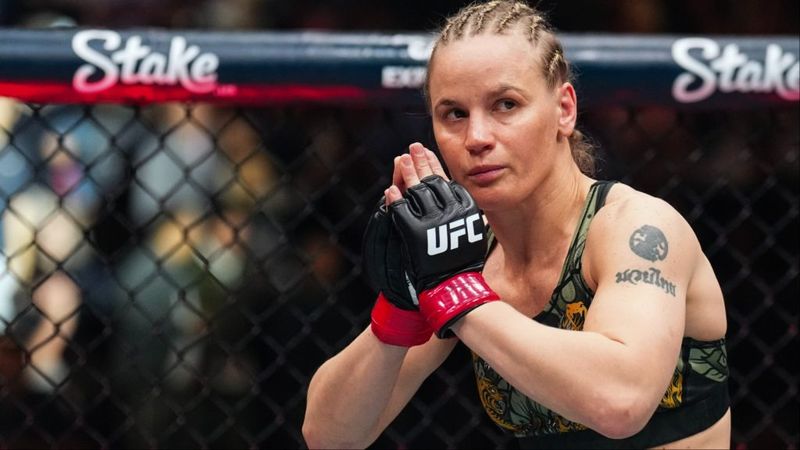
Shevchenko’s Thai-script tattoo is a nod to the sport that shaped her entire striking game.
How the Clinch Became Her Signature Weapon
Ask ten analysts what makes Shevchenko dangerous and most will start with the kicks. They’re wrong to lead there. Her clinch is the actual separator. Muay Thai practitioners train the clinch as a full offensive position — not a place to stall, but a place to land knees, elbows, and off-balancing trips — and Shevchenko brought that framework into a sport where most fighters still treat the clinch as a scramble to escape.
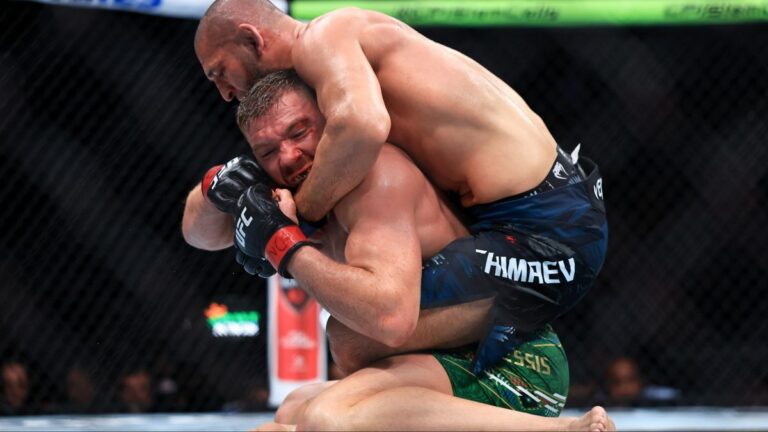
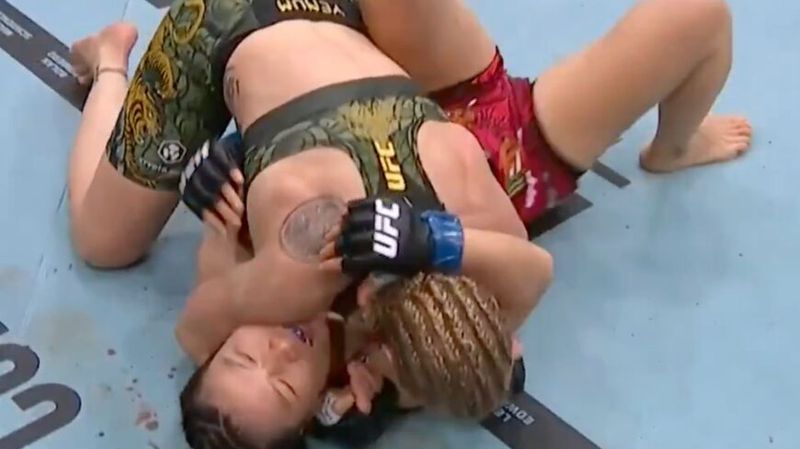
When she locks up an opponent’s head and arm, she immediately controls their posture. They can’t create the distance they need to strike, and they can’t square up to defend a takedown either. It’s a genuine trap: standing there gets them worn down by knees, and fighting to disengage gets them thrown to the mat. Against Zhang Weili at UFC 322, Shevchenko used exactly this sequence to rack up 13 minutes of control time and land takedowns in five of six attempts. That fight also made her the first woman in UFC history to reach 60 career takedowns — a wrestling number, credited to a fighter everyone still files under “striker.”
The Counter-Striking Game Nobody Solves
Shevchenko doesn’t out-volume anyone. She’s never been the busier fighter in a five-round fight, and she doesn’t need to be. Her game is built on precision and timing — reading an opponent’s rhythm, then beating them to the punch with a check right hook or a Superman punch into an outside low kick as she advances. Against Zhang, a striker with far more raw volume and speed than most flyweights ever face, Shevchenko still outlanded her 137 to 80 in total strikes. She wasn’t matching Zhang’s output. She was picking better moments to fire and making nearly every one count.
That efficiency is why she’s so hard to score against even in close rounds. Judges reward what lands clean and what changes the tempo of an exchange, and Shevchenko’s whole approach is designed around exactly those two things. She’d rather land three sharp counters than force twenty punches into a guard.
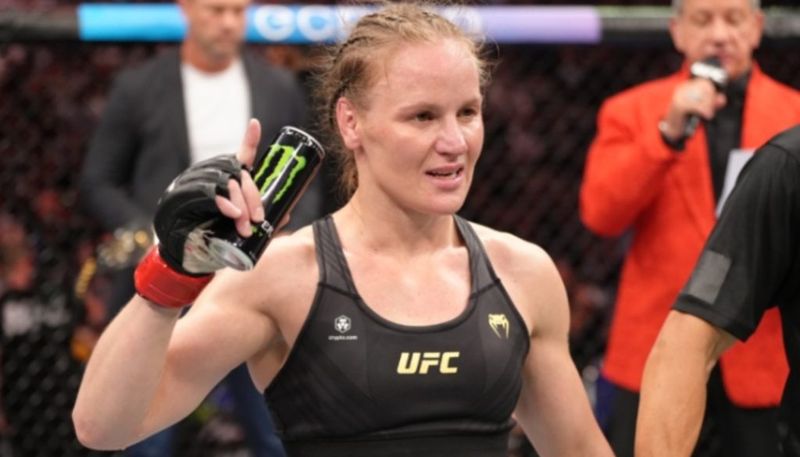
UFC 322 Was a Total Clinic
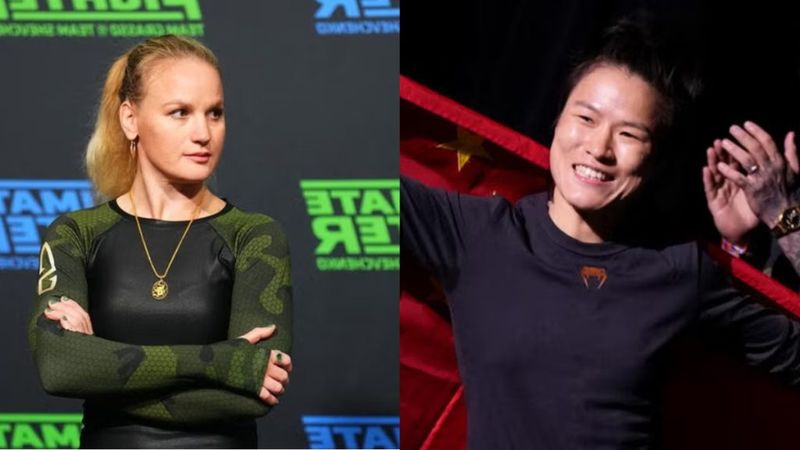
The build-up to UFC 322 carried real weight. Zhang had spent months publicly angling for the fight, calling it destiny, and the pre-fight staredown at Madison Square Garden played like two champions who both believed they’d win. The Zhang Weili fight deserves its own breakdown because of what was at stake. Zhang came in as a two-time former strawweight champion angling for a second-division title, the kind of superfight the UFC had been chasing for years. Shevchenko treated it like a normal Tuesday at the gym. All three judges scored it 50-45. She took Zhang down in the opening minute of round one, took her down again in round two and advanced straight to side control, and by round three she was landing body shots hard enough to make Zhang retreat before finishing the sequence with another takedown.
There was no signature knockout or highlight-reel finish — and that’s precisely the point. Shevchenko didn’t need one. She controlled where the fight happened, controlled the pace, and left Zhang without a single round to argue for on any scorecard. That’s what a five-round style clinic looks like when the person delivering it has nothing left to prove.
Why the Title Vacancy Doesn’t Change the Analysis
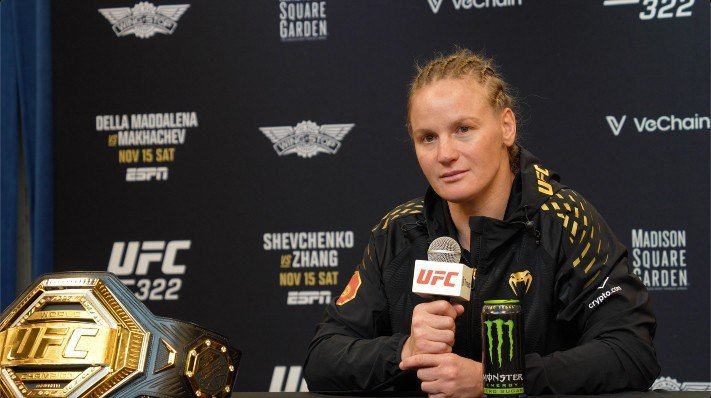
Shevchenko’s coach has since confirmed she’s dealing with a genuine injury, not a contract play or a quiet retirement. She’s expected to be sidelined for an extended stretch, and the UFC didn’t wait around — Natalia Silva was rerouted into a vacant-title fight against Wang Cong for UFC 332 on October 3 in Salt Lake City. That’s a full undisputed championship on the line between two fighters who’ve never had to face the version of Shevchenko that just shut out Zhang Weili on every card.
This is worth saying plainly: an empty belt is not the same as a solved puzzle. Whoever walks out of Salt Lake City with the title inherits a division where the standard was set by a fighter who’s still, by every available metric, undefeated at the level that matters. When Shevchenko returns — and her camp has been clear this is a layoff, not a retirement — she’ll be doing so as a former champion with nothing left to prove and a full training camp to close whatever small gaps time has opened up.
The Next Challenge Waiting for Her
If there’s one flyweight who looks built to actually test Shevchenko’s blueprint, it’s Natalia Silva. The Brazilian is unbeaten in the UFC, scored the first spinning back kick knockout in women’s flyweight history, and just handled a hard-hitting veteran in Jessica Andrade without much trouble. Silva has said publicly she doesn’t think Shevchenko beats her — bold, considering nobody else in the division has backed that claim up with results.
Silva’s kicking output and athleticism are real problems for anyone, but they’re also exactly the kind of high-volume, high-risk striking that Shevchenko’s counter game was built to punish. A confident young challenger walking forward into check hooks and outside low kicks is the matchup Shevchenko has feasted on for a decade. Whether that fight ever happens depends entirely on recovery timelines nobody outside her camp actually knows.

Building a Shevchenko-Style Flyweight in TKO Tycoon
Managers running flyweights in TKO Tycoon should treat Shevchenko’s profile as the template, not the outlier. Stack striking accuracy and clinch control ahead of raw volume, then layer in just enough takedown offense to punish anyone who tries to survive on the outside. A fighter built this way doesn’t need elite cardio numbers to win rounds — precision and control time do that job for you, the same way they did across a championship reign most flyweights never even get close to.
Valentina Shevchenko’s Fighting Style Outlasts the Belt
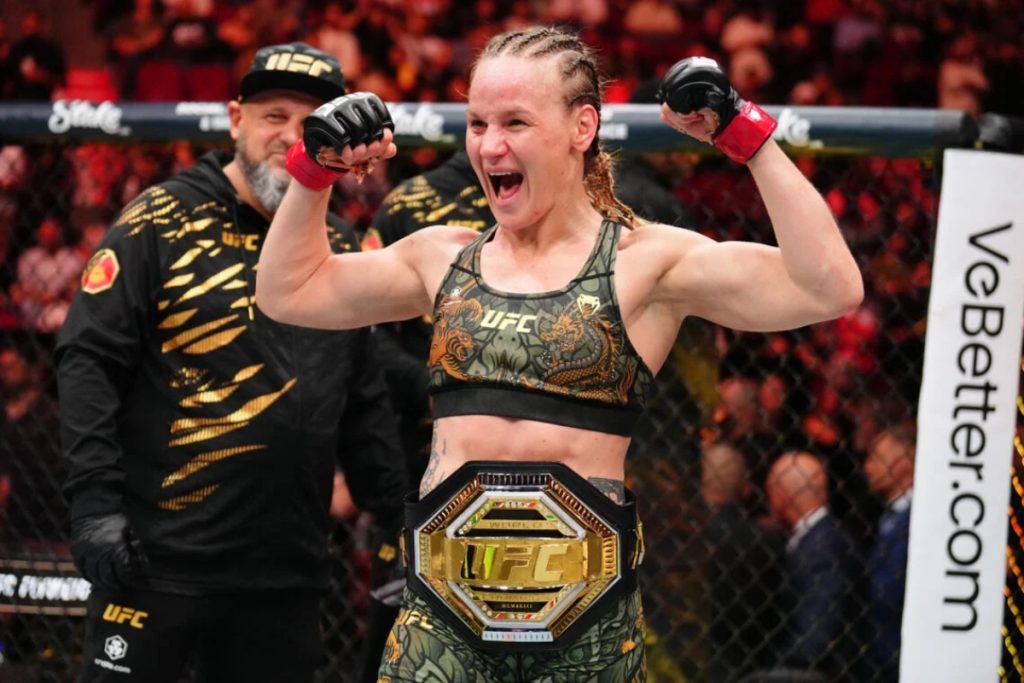
Belts change hands. Championship reigns end because of injuries, weight cuts, or a bad night against the wrong stylistic matchup. None of that erases what Shevchenko actually demonstrated across her run — that a fighter who imports a complete, professionally proven striking discipline and adds real wrestling on top of it is close to unsolvable at 125 pounds. She’s 38 now, an age where most strikers have already lost a step, and she just turned in one of the most one-sided title defenses of her career against a legitimate two-division threat. That’s not a fighter fading out. That’s a fighter who ran out of challengers who could actually push her.
Silva and Wang Cong are fighting for a real title on October 3. They’re also, whether the UFC markets it this way or not, auditioning for a rematch with the fighter both of them will eventually have to beat to be taken seriously as the true champion. Read our breakdown of how the UFC’s weight classes actually work and compare notes with Mackenzie Dern’s style, another champion-level grappler whose fundamentals held up against younger, faster competition — the same pattern Shevchenko is banking on when she returns.
FAQ: Valentina Shevchenko’s Fighting Style
What is Valentina Shevchenko’s fighting style based on?
Shevchenko fights out of an elite Muay Thai base, built around clinch control, teep-driven distance management, and counter-striking timing rather than raw volume. She layers in judo-rooted takedown defense that lets her keep fights standing almost entirely on her terms.
Why did Valentina Shevchenko vacate the UFC flyweight title?
Shevchenko vacated the belt in 2026 due to injury after a dominant title defense against Zhang at UFC 322, not because a challenger beat her. The UFC opted to book an interim/vacant title fight rather than hold the division for her recovery timeline.
Who is fighting for the vacant UFC flyweight title?
Natalia Silva and Wang Cong meet on October 3 for the vacant flyweight championship. Both are effectively auditioning for a future shot at Shevchenko whenever she returns healthy.
Is Valentina Shevchenko the best striker in UFC flyweight history?
By title defenses, finish rate against ranked competition, and consistency of her striking output, Shevchenko has a legitimate claim to the best technical striker the division has produced. Her UFC 322 performance against a real two-division threat reinforced that case rather than raising doubts about it.
Sources
- Valentina Shevchenko UFC Athlete Profile — official record, title history, and fighter statistics
- Shevchenko shuts out Zhang to retain flyweight title at UFC 322 — ESPN — round-by-round breakdown and judges’ scorecards
- Valentina Shevchenko vacates flyweight championship — Sherdog — details on the title vacancy and UFC 332 title fight
- How Good Was Valentina Shevchenko At Muay Thai? — LowKick MMA — background on her amateur and professional striking titles