Brian Ortega Fighting Style: T-City’s BJJ, Guillotines, and the Lightweight Gamble
With 2:59 left in the third round of UFC 214, Brian Ortega wrapped his arms around Renato Moicano’s neck and squeezed until the Brazilian tapped — a guillotine choke that handed Moicano his first professional loss and announced T-City as a genuine featherweight threat. Nine years later, they’re doing it again at UFC 331. Different weight class, different stakes, same finishing threat from one of the most dangerous submission artists in UFC history.
Ortega’s record sits at 16-5, and his last five fights have been brutal on the win column. But a losing streak doesn’t dull the teeth of a BJJ black belt who finishes fights at an elite rate. Here’s what makes T-City dangerous — and why his move to lightweight might actually save his career.
The “T-City” Name: Inside Ortega’s Triangle Choke Legacy
Brian Ortega earned his “T-City” nickname the hard way — four UFC wins by triangle choke, each one tighter than the last. The triangle isn’t just a submission in Ortega’s arsenal; it’s a philosophy. He hunts it from almost every position, and once his legs lock around your neck, the fight is essentially over.
Ortega trains under the Gracie family lineage, the very lineage that put Brazilian jiu-jitsu on the global map. His ground game is old-school in the best possible sense: patient, methodical, always angling for a better grip. He doesn’t scramble wildly — he moves with purpose, always thinking three exchanges ahead on the mat.
What makes his triangle especially nasty is the setup. Ortega doesn’t need a takedown to threaten it. He bites on counter-wrestling opportunities, clinch entanglements, and scrambles. Opponents who shoot on him are walking into the spider’s web. His 2017 finish of Cub Swanson via guillotine — the Cub Swanson, who had finished some of the best fighters in the division — proved his submission game worked against elite-level opposition, not just mid-tier opponents.
Brian Ortega’s Ground Game: Finishes That Defined the Featherweight Division
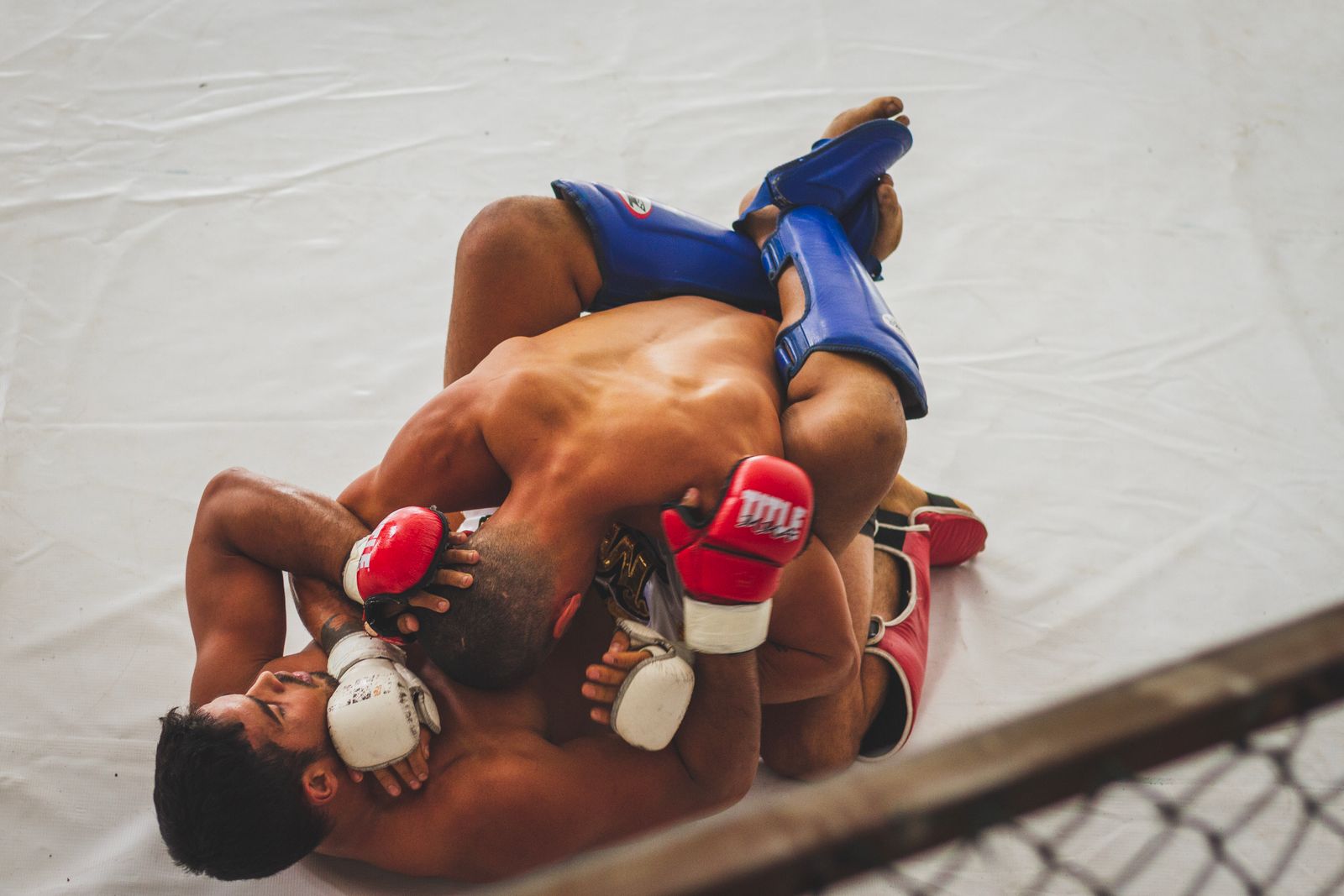
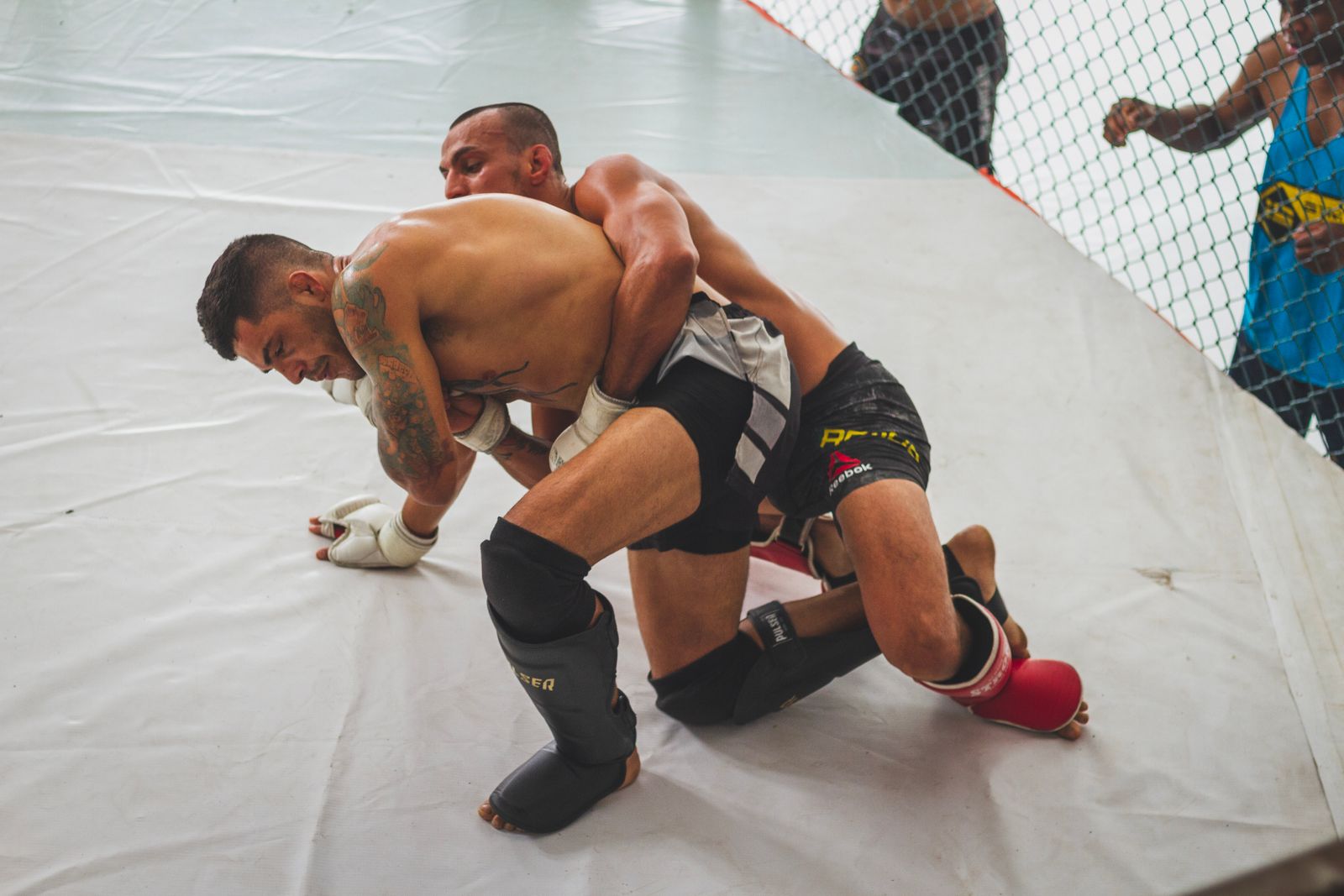
Eight of Ortega’s 16 wins are by submission. That’s a 50% submission rate — a number that puts him in elite company at 145 pounds. He’s finished opponents with triangles, guillotines, arm triangles, and a rear-naked choke. No other submission artist in the featherweight division has shown his range of finishing techniques.
His arm triangle choke finish over Yair Rodriguez at UFC Mexico City is the clearest example of his BJJ IQ under pressure. Ortega was getting dropped on the feet, bleeding, and looking like the fight was slipping away. Then Rodriguez gave him a clinch, Ortega spun, locked the arm triangle, and finished — a textbook demonstration of how a high-level grappler can turn a losing position into a finish in seconds.
That ability to find submissions from bad positions is what separates Ortega from fighters who are just “good at BJJ.” He’s dangerous when he’s losing. That’s the mark of someone whose grappling is truly internalized, not just trained.
Ortega’s Striking: How Two Holloway Wars Built a Counter-Puncher
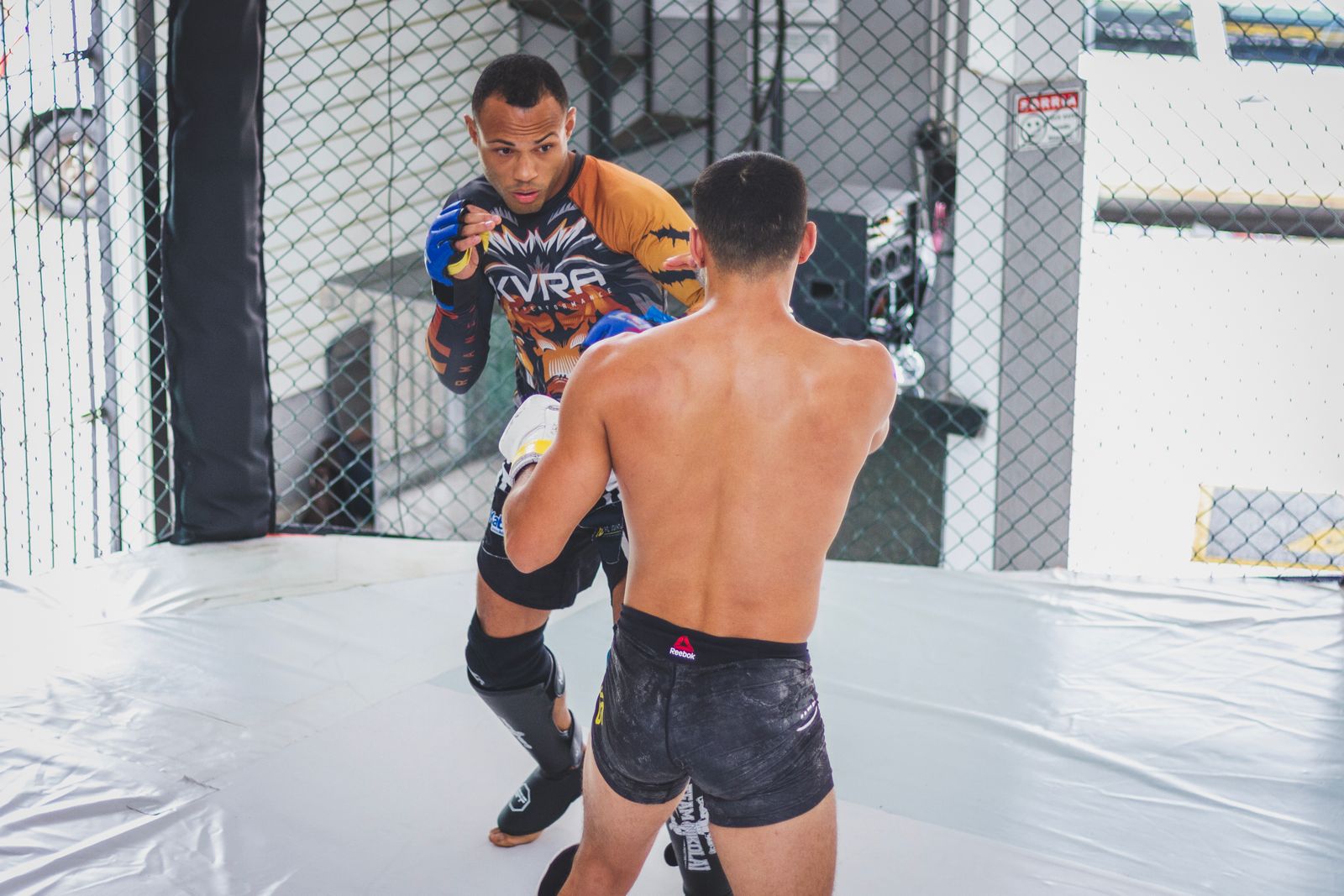
Before the Max Holloway era, Ortega’s striking was serviceable but raw. After spending 25 minutes getting lit up by the best boxer in featherweight history — twice — T-City came out of those fights a fundamentally changed striker. Not better than Holloway, obviously. But hardened.
Ortega developed range management, lateral movement, and a counter-punching rhythm that didn’t exist in his early career. He became comfortable in the pocket, comfortable eating shots while setting up his own, and comfortable using the threat of his grappling to make opponents second-guess their offense. The standup game doesn’t win him fights outright, but it keeps him competitive on the feet long enough to find the grappling entry he needs.
His striking has also improved his ability to set up takedowns and clinch work. A jab or overhand that makes an opponent flinch is all Ortega needs to close the distance. Once he’s inside, the submission threat makes everything more dangerous. Opponents feel the ground game even when they’re standing.
The Lightweight Move — What It Means for Ortega at UFC 331
Ortega has been killing himself to make 145 pounds for years. At his most recent UFC Shanghai bout against Aljamain Sterling, he couldn’t make the featherweight limit and the fight was adjusted to a 153-pound catchweight. That’s not a weight cut problem — that’s a body that has outgrown a weight class.
Moving to 155 changes everything. The extra 10 pounds of walking weight means Ortega shows up healthier, with more energy in the late rounds, and without the physical taxation of a brutal cut. His grappling — already elite — will feel even stronger with a properly fueled body. His cardio, always a question mark, should improve when he’s not starting fights already depleted.
The real question is whether featherweight-sized submission setups translate at lightweight. The answer is almost certainly yes. BJJ is BJJ. The principles don’t change based on weight class — if anything, bigger fighters at 155 tend to be less experienced on the ground than the razor-sharp featherweights Ortega was facing. His BJJ credentials give him a grappling edge over most lightweights, not just a few.
The Moicano Rematch at UFC 331: Nine Years Changes Everything
Ortega beat Moicano in 2017 with a late guillotine choke. Moicano has since built himself into one of lightweight’s toughest customers — durable, sharp on the feet, with solid wrestling. He’s not the same fighter who got choked out at UFC 214. He’s ranked No. 10 at 155 and has wins over legitimate contenders. Check out the full breakdown in our Renato Moicano fighting style profile.
But here’s the thing: Ortega isn’t the same fighter either. A 35-year-old with a healthy body and nothing to prove makes for a dangerous opponent. The submission threat hasn’t diminished. And Moicano, for all his improvements, has shown he can still be grabbed and finished. His cardio in championship rounds has been tested. Ortega is exactly the kind of opponent who turns late-round fatigue into a tap.
This fight is a genuine 50/50. Moicano has the better recent form and will be the betting favorite. But Ortega has finished fights when he had no business finishing them. That’s not something you can train away in nine years.
How Ortega’s Style Translates in TKO Tycoon
Submission artists like Ortega are the most rewarding — and most frustrating — fighters to manage in TKO Tycoon. High BJJ ratings mean your fighter can end fights at any moment, even when they’re losing on the scorecards. But that same dependency on the ground game creates a weakness: against elite wrestlers who can control position, your submission threat is neutralized.
The Ortega playbook in TKO Tycoon: invest heavily in BJJ and clinch work first, then layer in counter-striking skills to create the entry points. Don’t try to build a striker who also grapples — build a grappler who can survive on the feet long enough to get the clinch. The triangle choke finish rate is highest when your opponent is forced to reset from failed takedowns. Make them shoot, then punish the scramble.
At lightweight in the game, the BJJ gap is also more exploitable. Most top 155-pound managers prioritize wrestling and striking. A pure submission artist at 155 is the kind of curveball that catches opponents completely off-guard — exactly like the real Ortega moving up in 2026.
Frequently Asked Questions
What is Brian Ortega’s fighting style?
Brian Ortega is a BJJ black belt with Gracie lineage who specializes in submission grappling, particularly triangle chokes and guillotines — the origin of his “T-City” nickname. He has evolved into a capable counter-striker after two wars with Max Holloway, but the submission game remains his primary finishing tool with eight career submission wins.
Why is Brian Ortega called “T-City”?
The nickname “T-City” comes from Ortega’s signature triangle choke, which he has used to finish four UFC opponents. The triangle choke is the centerpiece of his submission arsenal, and the nickname reflects how strongly his identity as a fighter is tied to that single technique.
Is Brian Ortega moving to lightweight?
Yes. Brian Ortega is making his official lightweight debut at UFC 331 on September 19, 2026 against Renato Moicano in Los Angeles. After years of difficult featherweight cuts — including a failed weight cut that turned his last fight with Aljamain Sterling into a catchweight bout — the move to 155 pounds was inevitable.
How did Brian Ortega beat Renato Moicano the first time?
Ortega submitted Moicano via guillotine choke at 2:59 of the third round at UFC 214 in 2017. The finish gave Moicano his first professional loss and was one of several elite submission wins that established Ortega as a genuine featherweight title contender.
Want to build a submission artist of your own? Head to TKO Tycoon and start managing your fighter’s BJJ development from day one. The triangle choke finish is waiting — you just have to build toward it.
References
- UFC.com — Brian Ortega athlete profile – official record and fight history
- MMAMania — Moicano vs Ortega 2 booked for UFC 331 – fight announcement details
- Sherdog — Brian Ortega fight record – complete fight-by-fight record and stats
- MiddleEasy — Ortega lightweight debut analysis – context on the weight class move