
Belal Muhammad Fighting Style: How the UFC Welterweight Champion Grinds Everyone Down
Winning the UFC Welterweight Championship in Manchester — Leon Edwards’ backyard — takes a specific kind of mental and physical toughness. Belal Muhammad didn’t just win that night at UFC 304. He walked into hostile territory and outworked the champion for 25 minutes without breaking a sweat. That performance crystallized everything about how Belal Muhammad fights: relentless, technical, suffocating.
He’s not the flashiest fighter on the roster. He’s not dropping people with one punch or finishing submissions in the first round. What Belal does is rarer and, honestly, more impressive — he breaks fighters over five rounds using a system so complete that opponents rarely figure it out until it’s already too late.
Here’s what makes that system work.
The Algerian Wrestling Base That Defines Belal Muhammad’s Fighting Style
Belal Muhammad’s grappling is rooted in Algerian wrestling — a traditional folk wrestling style that emphasizes grips, off-balancing, and clinch control rather than pure takedowns. It gives him a different textural feel than American collegiate wrestlers, who tend to shoot for the legs. Belal clinches, trips, redirects, and uses his opponent’s weight against them.
That foundation shows up everywhere in his MMA game. He’s not going for highlight-reel slams. He’s threading in trips after clinch ties, dragging opponents to the ground mid-exchange, or using his takedown threat to keep fighters honest enough that they forget to punch back. His takedown percentage sits comfortably in the upper tier of the welterweight division, but the more important stat is how much damage he inflicts before a fight even goes to the ground.
The threat of the takedown is a weapon in itself. The moment an opponent starts protecting their hips and lowering their hands to stuff a shot, Belal’s jab finds a home. It’s a feedback loop that few welterweights have been able to solve.

Cage Control — How Belal Muhammad Turns the Fence Into His Best Weapon
The fence is Belal Muhammad’s greatest ally. He uses clinch pressure to walk opponents backward into the cage, then works a combination of short elbows, underhook battles, and trips that score points while wearing fighters down physically and mentally.
Most MMA fans underrate how exhausting it is to fight against the cage. Every second you spend pinned against the fence costs energy — you’re fighting gravity, your opponent’s weight, and the mental drain of being unable to move. Belal doesn’t just hold people there; he works constantly. Knees to the thigh. Short right hands to the body. Head position battles that force opponents to burn their forearms just to maintain frames.
Fighters who come from a boxing background — clean exchanges at range, lateral movement — struggle enormously against this approach. There’s no range to work. There’s no footwork pattern that escapes the relentless forward pressure. And the moment a fighter pushes off the cage to create space, Belal is already rotating into a takedown entry.
His clinch work is among the most complete in the welterweight division. Other fighters arrive at the cage fight by default; Belal arrives by design.
Belal Muhammad’s Striking: Volume Over Power
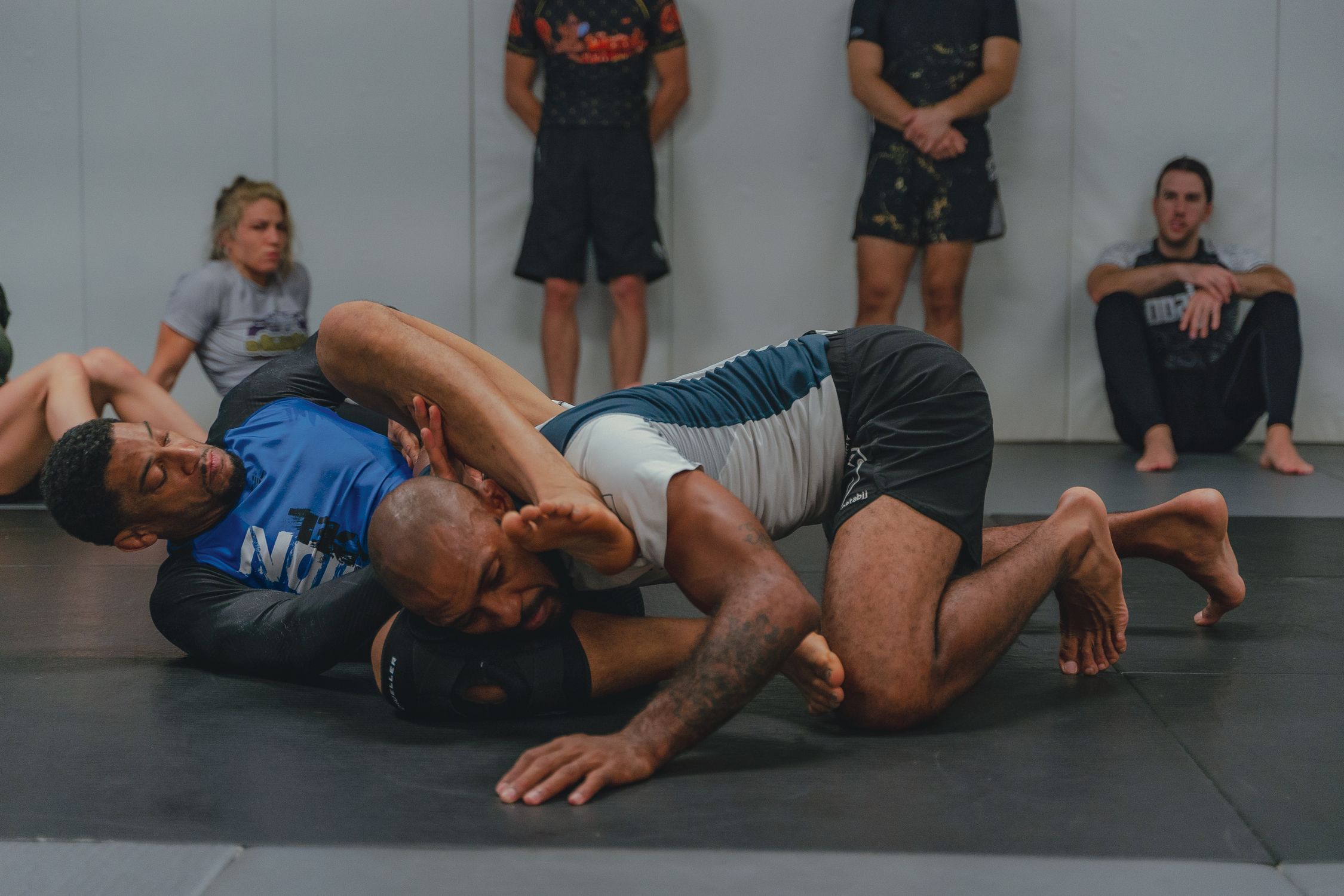
Belal Muhammad is not a one-punch knockout threat. He knows this, his coaches know this, and he has built a striking game that doesn’t pretend otherwise. Instead of hunting the finish, his hands serve the system — they set up grappling entries, punish opponents for defending takedowns, and pile up the strike numbers that win rounds on scorecards.
His jab is active and varied. He throws it long to measure distance, short to disrupt rhythm, and sideways (a slap-style jab) to redirect opponents’ heads and open angles. His right hand is heavy enough that opponents can’t simply ignore it, which is exactly the point — they have to account for the punch, and the moment they do, their hips go on the radar.
Body work is another underappreciated element of his game. Belal throws to the body consistently across all five rounds, not as a one-time tool but as cumulative damage. By the later rounds, opponents are slowing down because their midsection has absorbed punishment they didn’t think mattered at the time.
The combination that shows up most frequently in his fights: jab → level change → clinch entry → cage. It looks simple written down. Executing it against elite competition for 25 minutes is another matter entirely.
Elite Cardio — The Engine Behind Belal Muhammad’s High-Pressure Game
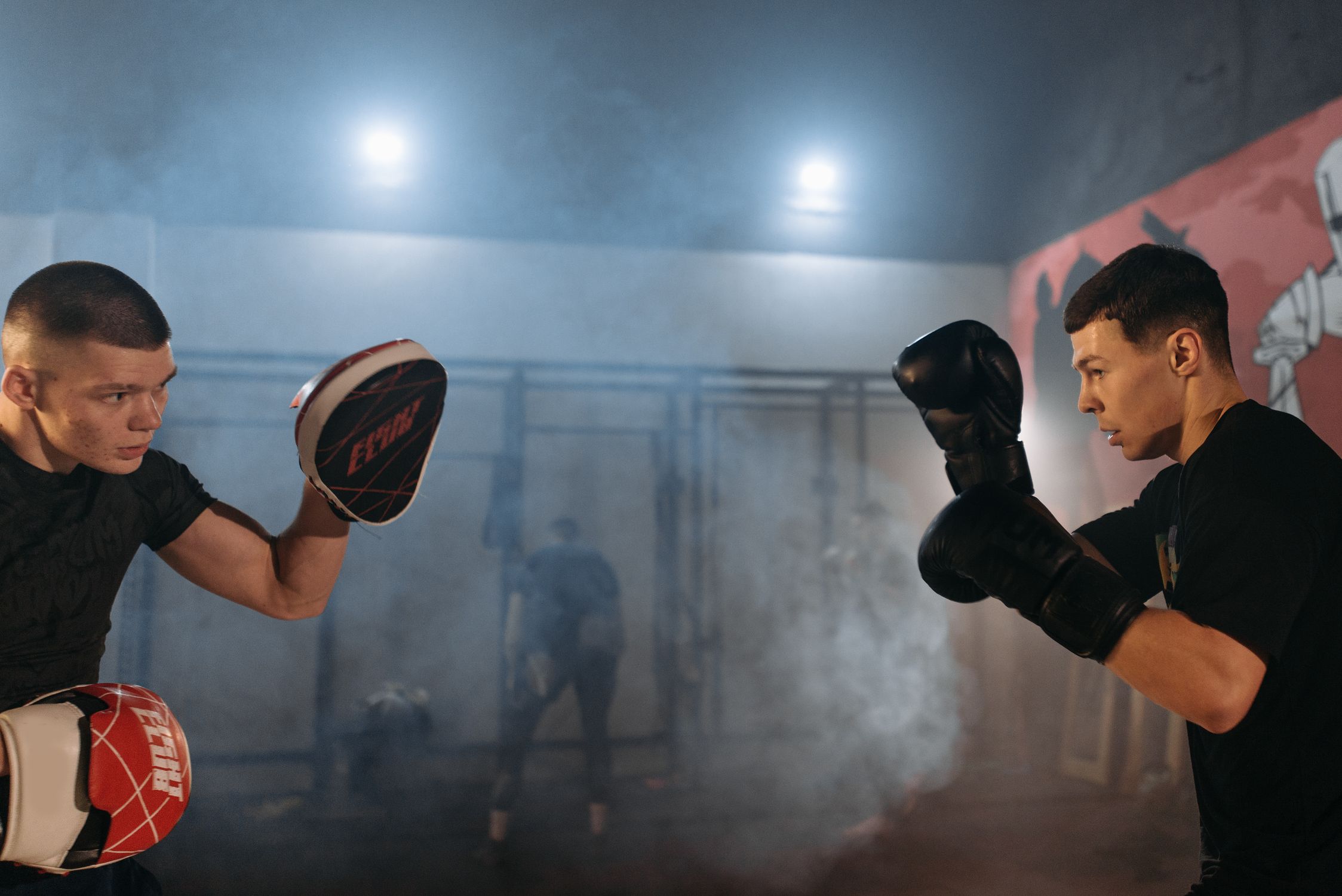
Everything in Belal Muhammad’s game collapses without the cardio to sustain it. His style demands constant output — constant forward pressure, constant grappling exchanges, constant strike volume. Most fighters can maintain that pace for one or two rounds. Belal maintains it across five.
Watch his fight footage and pay attention to his pace in round 4 and round 5. There’s no visible drop-off. He’s still pushing the clinch, still pressing toward the cage, still throwing the same combinations he opened with. Opponents who survive the first two rounds by fighting on adrenaline suddenly realize in round 3 that their energy is gone and his hasn’t changed.
This is partly genetics and partly a training philosophy that prioritizes conditioning above almost everything else. The Chicago welterweight hasn’t lost a fight due to fatigue — he’s won fights because his opponents have. That’s a genuine competitive edge that most elite fighters can’t copy even if they understand exactly what he’s doing.
What Belal Muhammad’s Fighting Style Means for TKO Tycoon Players
In TKO Tycoon, Belal Muhammad’s archetype is the blueprint for a decision-grinding champion — and it’s one of the most effective builds in the game if you develop it correctly.
The core stat priorities to replicate his style:
- Takedown offense and defense — these are non-negotiable. A Belal-type fighter lives or dies on grappling threat. If the takedown isn’t dangerous, opponents will walk through the level changes and the cage pressure loses its teeth.
- Cardio above all — max your fighter’s stamina before anything else. The whole model depends on outlasting opponents. If your fighter fades in round 3, the pressure system breaks down.
- Clinch striking — short punches, elbows, and body shots score when you’re tied up. These are the points your fighter earns while controlling the cage.
- Ground control — when you do take someone down, you need to hold them there and do damage. Belal-style fighters don’t just take a takedown for the round; they work from top position.
The weakness of this build: if you run into a submission specialist who can threaten from bottom position, or a counter-striker who can time your takedown entries with punishing shots, the grinding game can get derailed. Belal has faced this — his early career included losses that exposed those gaps before he shored them up.
For TKO Tycoon, the lesson is that the grinding archetype requires balance. A 95-stamina fighter with 60 takedown offense isn’t Belal Muhammad — it’s just a tired fighter who gets stuffed all night. The style only works when every component of the system is at the required level.

Frequently Asked Questions About Belal Muhammad’s Fighting Style
What fighting style does Belal Muhammad use?
Belal Muhammad uses a wrestling-heavy pressure fighting style rooted in Algerian wrestling. He combines high-volume striking with constant takedown threats, cage control, and elite cardio to grind opponents down over multiple rounds. His style prioritizes control and scoring over finishing.
Is Belal Muhammad a good wrestler?
Yes — Belal Muhammad is one of the best wrestlers in the UFC welterweight division. His Algerian wrestling background gives him an unconventional grappling style that relies on trips, clinch control, and off-balancing rather than traditional leg takedowns. His takedown success rate is consistently among the division’s highest.
Why is Belal Muhammad hard to beat?
Belal Muhammad is hard to beat because his entire system works together. The wrestling threat forces opponents to keep their hands low, which opens up his jab. The jab creates level changes. The level changes create clinch entries. The clinch drains energy while he scores points. Every element reinforces the others, and his cardio means he can run this system all five rounds without dropping pace.
Has Belal Muhammad ever been knocked out?
No. Belal Muhammad has never been knocked out in his UFC career. His losses have come by decision, which is consistent with the type of opponents he faces at the top of the welterweight division. His durability and chin have never been a question mark in his professional career.
References
- ESPN MMA — Belal Muhammad fighter profile – career record and fight history
- UFC.com — Belal Muhammad official athlete page – stats, rankings, and bout history
- MMA Fighting — Belal Muhammad coverage – fight analysis and post-fight interviews