Mauricio Ruffy Fighting Style: How “The Ninja” Became the UFC’s Most Dangerous Finisher
On June 14, 2026, Mauricio Ruffy knocked out Michael Chandler on the South Lawn of the White House—then got down on one knee and proposed to his partner. Even by UFC standards, it was an entrance. The spinning heel kick combination that ended Chandler didn’t just win a fight; it announced that the Brazilian lightweight with the One Piece nickname had fully arrived. Now, at UFC 331 on September 19, “The Ninja” faces Arman Tsarukyan in a co-main event the winner takes straight to a title shot against Justin Gaethje.
Ruffy is 14-2 overall, 5-1 in the UFC, with 13 of those 14 wins coming by knockout or TKO. That finishing rate isn’t luck. It’s a pattern, and it’s worth understanding before it appears in your highlights feed.
Mauricio Ruffy’s Background: From Bodyguard to Lightweight Contender
Ruffy grew up in Coruripe, Alagoas, Brazil, and started training MMA at 14. Before his career took off, he spent time as a bodyguard for a Chinese businessman, living briefly in Taiwan, Hong Kong, and Spain before returning to São Paulo to chase a full-time fighting career. The nickname “Ruffy” came from his brother before his professional debut—a nod to Monkey D. Luffy from One Piece, the rubber-fisted anime protagonist. When Ruffy knocked out his debut opponent, the crowd went wild for the name, and it stuck. He has four pets named after One Piece characters.
He came up through the Fighting Nerds camp in São Paulo, one of Brazil’s most analytically sophisticated gyms, before parting ways in May 2026 after a falling out involving teammate Jean Silva. He now trains with the City Kickboxing network and has been working closely with Alexander Volkanovski. The upgrade in training environment coincides with the biggest fights of his career.
The Spinning Wheel: Why Ruffy’s Signature Technique Actually Works in MMA
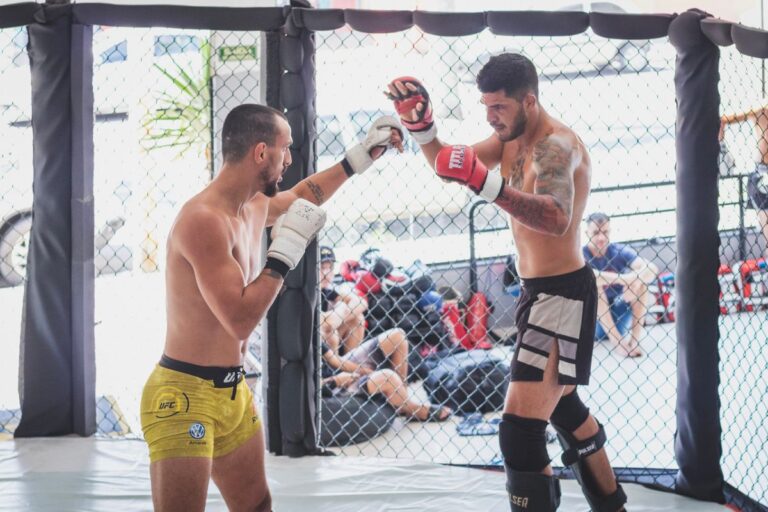
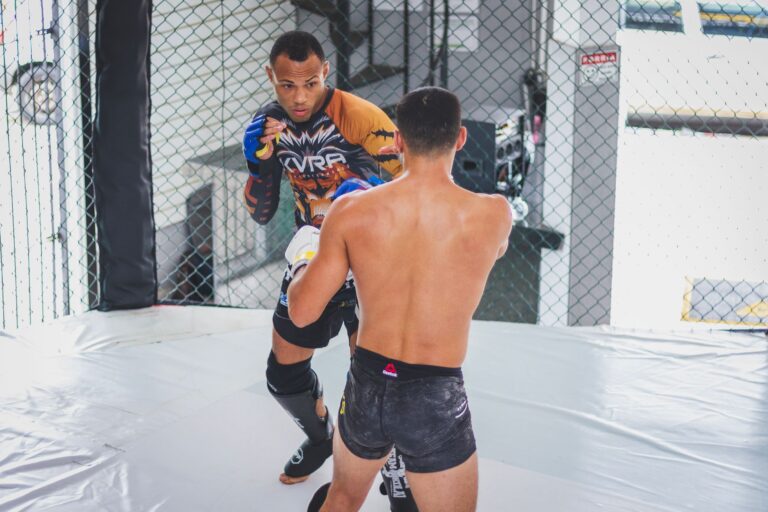
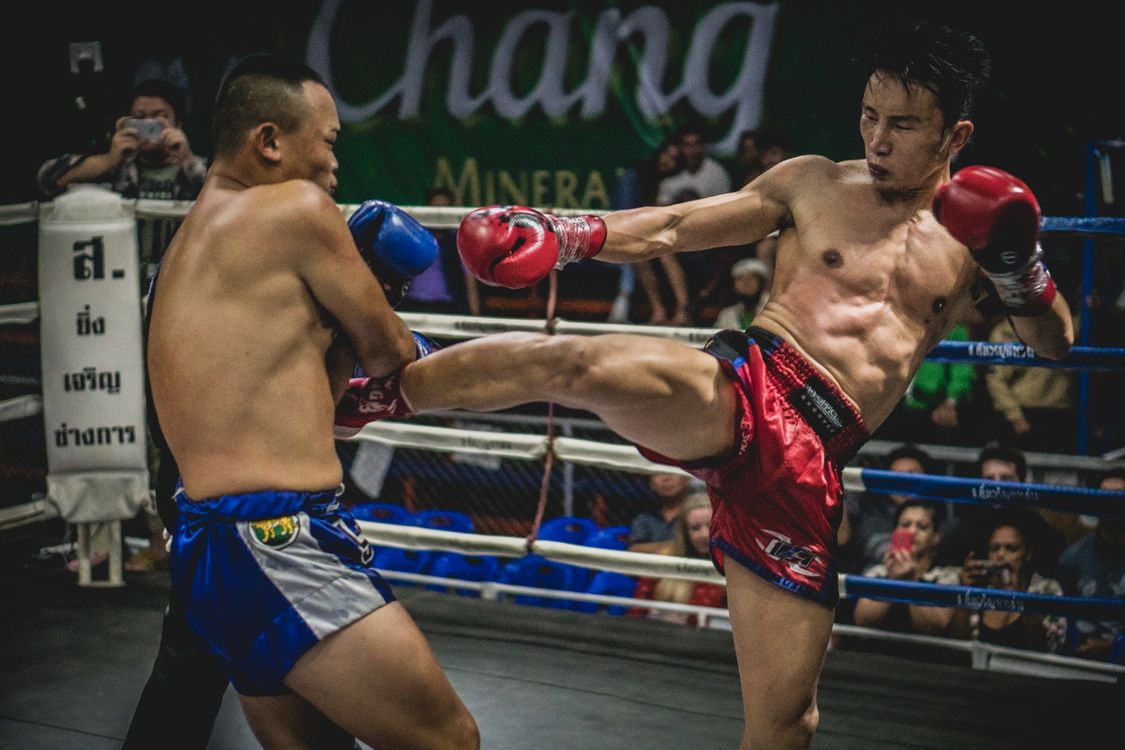
Most fighters who throw spinning attacks in the UFC use them as desperation plays or showboating. Ruffy uses them as legitimate finishing tools because he’s built an entire setup system around them. His spinning wheel kick and spinning heel kick aren’t random—they’re the punctuation at the end of a logical sequence.
The King Green finish at UFC 313 is the clearest example. Ruffy rocked Green with a right hand at the 45-second mark, backed him to the fence, then worked the body while Green tried to recover. When Green covered up and went defensive, Ruffy loaded a left hook feint—not to land, but to transfer momentum. He let the feint carry him into a full spinning wheel kick that connected high on Green’s head. A follow-up heel strike sent Green face-first to the canvas at 2:07 of the first round. Green never saw the angle. The feint made the spin invisible.
That finish won a $50,000 bonus and was nominated for 2025 Knockout of the Year. It wasn’t a lucky spinning kick. It was a deliberately constructed sequence where the spinning attack could only arrive after the right setup.
He also holds the second-highest knockdown rate per minute in UFC lightweight division history at 2.61. He doesn’t just finish fights—he finishes them by first introducing the canvas to his opponent’s face.
The Right Hand and Combination Game: Ruffy’s Ground-Level Foundation
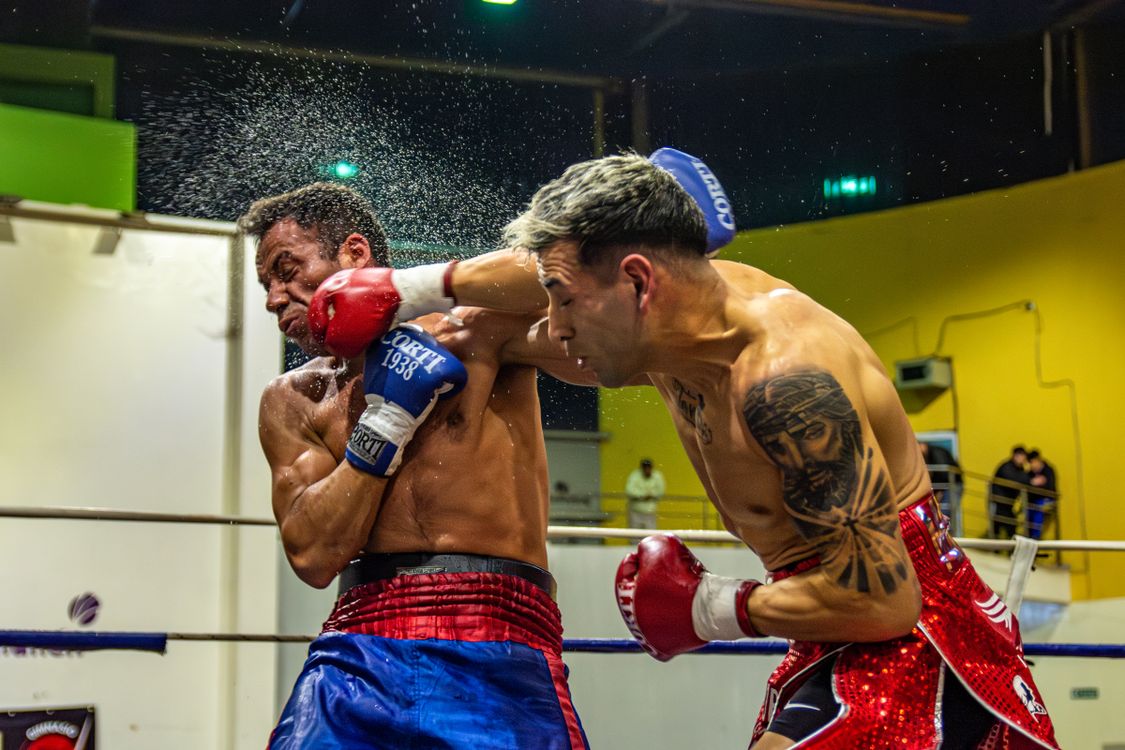
For all the spinning flashiness, Ruffy’s bread-and-butter striking is conventional and highly effective. His right hand is a genuine threat at any point in a fight—he generates real torque on it, and at 75 inches of reach, he hits from ranges that opponents expect to be safe. The Fiziev finish at UFC 325 came via a right hand in Round 2 that Bloody Elbow described as a “right hand missile.” Fiziev ate it while backing up, and Ruffy followed with the finishing sequence.
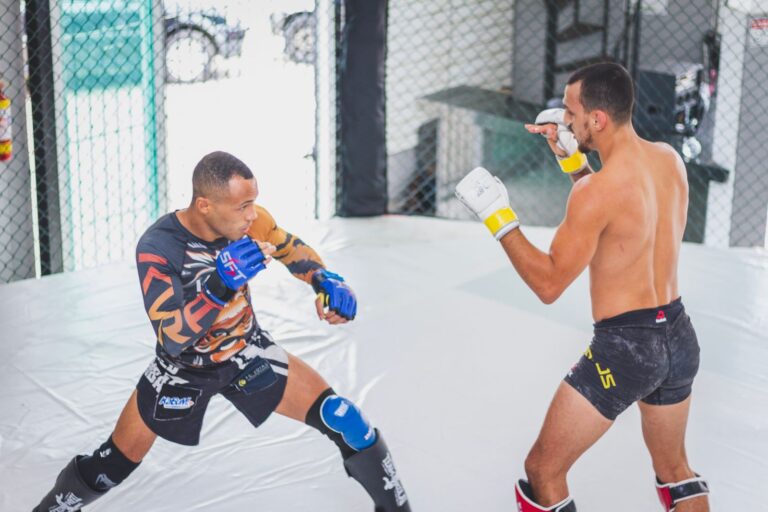
He operates out of orthodox stance and uses his jab primarily as a range-control and distraction tool rather than a power punch. The jab opens the right hand. The right hand opens the body. The body opens the head again. He’s patient in setting these sequences—he’ll observe for a round and a half before committing—but when he commits, the combinations come fast and accurate. Against Fiziev, his significant strike accuracy was 58% to the head across 32 landed of 55 thrown.
The striking accuracy number matters because Fiziev isn’t a stationary target. He’s one of the UFC’s most technically gifted strikers. Landing 58% on him reflects genuine combination precision, not volume-and-hope punching.
The Saint-Denis Loss: What It Revealed About Ruffy’s Ceiling
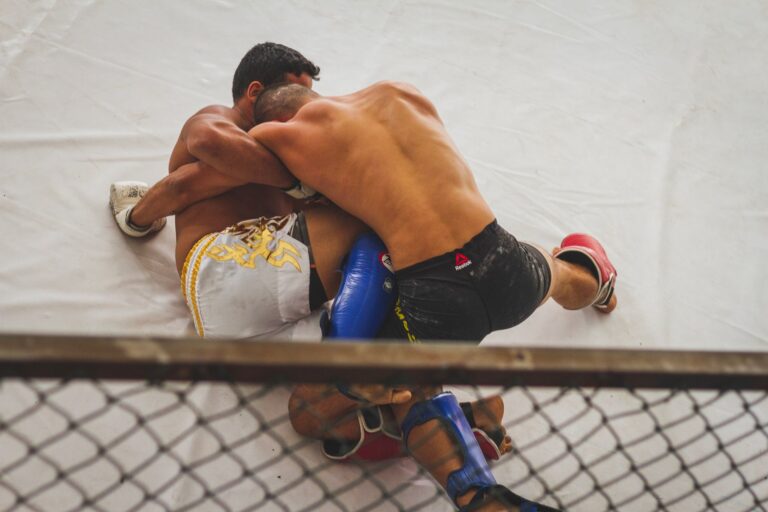
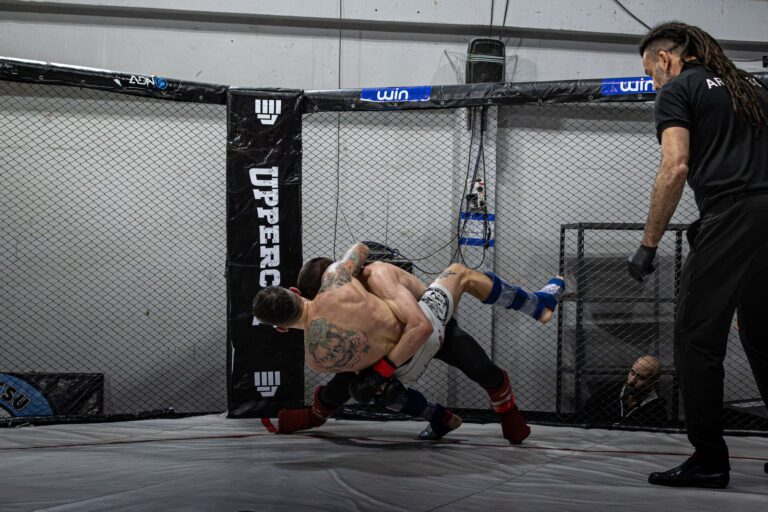
One year ago—September 6, 2025, at UFC Paris—Ruffy ran into Benoit Saint-Denis, a French-Canadian wrestler who had a clear game plan: take Ruffy down, hold him down, finish on the ground. Saint-Denis executed perfectly. He controlled the clinch, took Ruffy to the mat, and finished with a rear-naked choke in Round 2.
It wasn’t close. Ruffy’s takedown defense proved inadequate against top-level wrestling, and once he was on the floor, he had no answer. The loss was embarrassing in terms of the method—for a knockout artist with Ruffy’s reputation, getting submitted on the ground exposed a real structural weakness.
The question for UFC 331 is what he’s done about it. Training with Volkanovski—a former featherweight champion with elite wrestling defense—suggests he’s specifically addressing the hole. Whether that camp work translates to a live fight against Tsarukyan, who is a better wrestler than Saint-Denis with more refined wrestling-to-striking transitions, remains to be answered on September 19.
Ruffy vs. Tsarukyan at UFC 331: The Title Elimination Fight That Defines Both Careers
Arman Tsarukyan has said he’ll stop Ruffy in Round 3 via elbows. That’s not trash talk—it’s a strategic declaration. Tsarukyan’s plan involves grinding early rounds through wrestling and top control, accumulating damage with elbows, and wearing Ruffy’s gas tank down through attrition rather than engaging in a striking exchange he knows favors the Brazilian.
Ruffy’s stated goal is equally blunt: keep it standing and win the title shot. He knows a wrestling fight plays into Tsarukyan’s hands. His job is to stay disciplined on the feet, use movement to prevent clinch entries, and create the kind of early offensive threat that makes Tsarukyan hesitate to shoot. If Ruffy can score a knockdown in the first two rounds, the calculus shifts—Tsarukyan can’t afford to be patient and methodical if he’s already been decked.
This is a genuinely difficult matchup to predict. Ruffy’s KO power is real and dangerous enough to end any fight at any moment. Tsarukyan’s wrestling is elite enough to shut down any striker if he can get position. The margin is thin in both directions.
For full context on who Tsarukyan actually is, our Arman Tsarukyan fighting style breakdown runs the tape on the wrestling system Ruffy has to survive. And to understand what both men are competing for, the Justin Gaethje fighting style article shows exactly what the UFC 331 winner walks into for the title.
The TKO Tycoon Angle: When Do You Build a Ruffy-Style Knockout Artist?
In TKO Tycoon, the Ruffy archetype is the highest-risk, highest-reward build in the lightweight division. You’re building for early finishes, maximizing striking output and KO power while accepting that your floor against top wrestlers and grapplers is a controlled loss by submission or decision.
The real strategic question the Ruffy profile raises is when to invest in defensive attributes versus doubling down on finishing ability. Ruffy’s career arc says: maximize offense first, because the finishing rate generates opportunities faster than the grappling gap costs you. He only lost once (to Saint-Denis) despite the wrestling weakness before Tsarukyan, and that one loss came at UFC Paris—an event he’s now avenging spiritually by fighting for the title shot.
But the lesson is also clear: at the elite level, you can’t leave holes this large and expect them to stay unexploited. Tsarukyan is the second wrestler to get that Ruffy booking. It won’t be the last time a wrestler targets him if the defense doesn’t tighten up. In TKO Tycoon terms, this is the point in a career where you stop ignoring your takedown defense rating and start spending upgrade points on the floor game—not to become a grappler, but to survive long enough to get back to the striking where you’re dangerous.
FAQ: Mauricio Ruffy Fighting Style
What is Mauricio Ruffy’s fighting style?
Mauricio Ruffy is an aggressive pressure striker combining boxing, Muay Thai, and spinning techniques. He is especially known for his spinning wheel kick, powerful right hand, and exceptional finishing instinct. Of his 14 career wins, 13 have come by knockout or TKO, giving him one of the highest finishing rates in UFC lightweight history.
What does Mauricio Ruffy’s nickname “Ruffy” mean?
The nickname “Ruffy” comes from Monkey D. Luffy, the protagonist of the anime series One Piece (early Portuguese translations used “Ruffy”). Ruffy’s brother suggested the name before his professional MMA debut, and the crowd’s reaction after his first knockout made it stick permanently. He has four pets named after One Piece characters.
Has Mauricio Ruffy ever lost in the UFC?
Yes. Ruffy lost to Benoit Saint-Denis at UFC Paris on September 6, 2025 via rear-naked choke in Round 2. Saint-Denis exploited Ruffy’s takedown defense weakness, controlling the fight on the ground before finishing with the submission. Ruffy has since trained with Alexander Volkanovski specifically to address grappling gaps ahead of UFC 331.
When does Ruffy fight Tsarukyan at UFC 331?
Mauricio Ruffy vs. Arman Tsarukyan takes place at UFC 331 on September 19, 2026 at Crypto.com Arena in Los Angeles, California. The fight serves as the co-main event, with the winner earning a lightweight title shot against champion Justin Gaethje.
References
- UFC.com — Mauricio Ruffy Official Profile — career record, ranking, fight history
- Yahoo Sports / ESPN MMA — UFC Freedom 250 Chandler KO recap and post-fight proposal
- Bloody Elbow — Tsarukyan vs. Ruffy UFC 331 preview and title shot implications
- LowKick MMA — 2025 Knockout of the Year: Ruffy’s spinning wheel kick over King Green
Image credit: lasueur.com