UFC 330 Recap: Makhachev Breaks the Record, Garry Gave Him a Real Fight
Seventeen. That’s the number no one in UFC history had reached before Islam Makhachev walked out of the Xfinity Mobile Arena in Philadelphia on August 15, 2026, still wearing his belt and still unbeatable. With his unanimous decision win over Ian Machado Garry at UFC 330, Makhachev surpassed Anderson Silva’s long-standing record of 16 consecutive UFC victories — a mark that had stood since 2013 and that many assumed would never fall.
The scorecards (49-46, 49-46, 48-47) told one story. The fight told another.
Garry made this difficult. He fought smart, survived a near-finishing head kick in the second round, and put enough together in rounds three and four that at least one judge had it close going into the championship rounds. This wasn’t a coronation. It was a war — and Makhachev proved, again, that when wars get deep, nobody is better equipped to win them.
Islam Makhachev vs. Ian Machado Garry — Round-by-Round Fight Breakdown
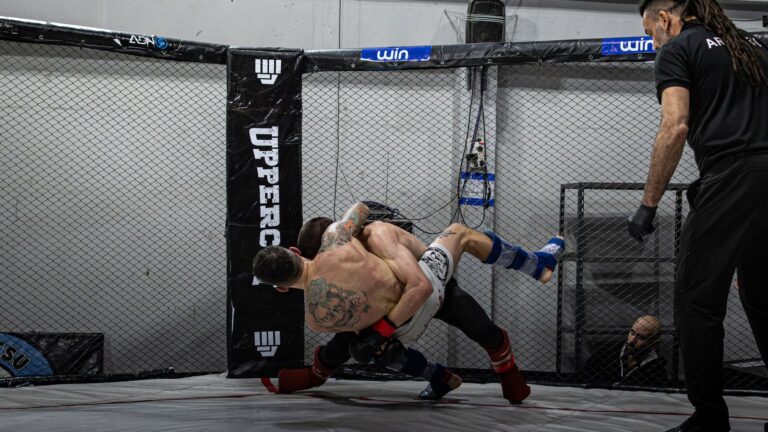
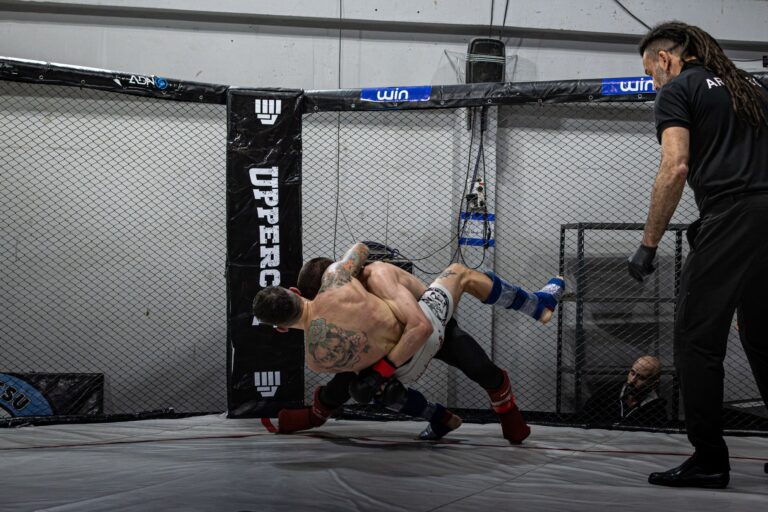
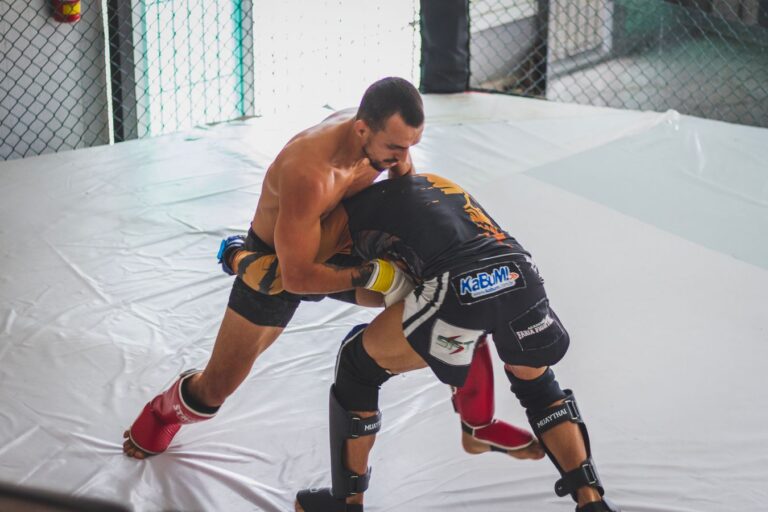
Makhachev controlled the fight through a combination of takedowns and cage work. Garry showed the best wrestling defense of his career but couldn’t stay down, standing up over a dozen times in the first round alone. Every time he got back to his feet, Makhachev was waiting — closing the distance, going to the lead leg, starting the cycle again.
Round 1: Makhachev’s takedown game was relentless. He didn’t need to hold Garry down — the energy cost of constant standup attempts added up. Garry looked sharp in the brief moments he had space to work, landing a nice right hand that got the Philadelphia crowd’s attention. Still, the round went to Makhachev based on total control time.
Round 2: This was the round that almost changed everything. Makhachev uncorked a massive head kick that landed flush and had Garry hurt — badly. The Irishman survived on instinct and clinch work, tying up and stalling the damage. But instead of pressing to finish, Makhachev allowed a brief reset, and Garry found his legs again. Whether that was ring rust, respect, or a calculated choice to avoid a scramble, it’s the one moment that could haunt the champion’s team in a future rematch conversation.
Round 3: Garry’s round. Makhachev looked tired for the first time in years, and Garry exploited it — staying at range, landing precision shots, and making the champion work to close distance. If there was a case for Garry winning the fight, it started being built in round three.
Round 4: Back and forth. Garry continued to do damage in the clinch, landing hard shots to the body and head. Makhachev landed one more significant takedown but couldn’t hold Garry down for meaningful time. One judge had Garry winning this round.
Round 5: Makhachev closed the show the way champions do. He found a takedown in the final two minutes when Garry was tiring, took his back, and controlled the remainder of the round. On the scorecards, that was the fight. The fifth round ended any debate.
How Garry’s Game Plan Almost Worked — and Why It Didn’t
Garry entered UFC 330 with the best wrestling defense of any striker Makhachev has faced in years. His movement, his hip position, and his ability to wall-walk and stand up were genuinely impressive — better than most observers expected from a natural welterweight testing himself at this level.
But “good wrestling defense” against Islam Makhachev still means getting taken down. It means fighting exhausted. It means operating in a fight where the champion sets the tempo, chooses the range, and decides when to stand and when to wrestle based on what’s hurting you more in the moment.
Garry couldn’t hurt Makhachev badly enough in rounds three and four to change the calculus. The head kick scare in round two was the best opportunity — if Garry had the experience to know the champion was hurt and the grappling defense to survive a desperate scramble, that moment could have been a finish. He chose the clinch instead. Smart. But it also meant the best chance to stop the record streak slipped away.
What Garry proved: he belongs in conversations about who challenges for this title down the road. What he didn’t prove: that he’s ready to beat the best grappler in the history of this weight class.
Makhachev’s 17-Win Streak — What the Record Actually Means
Anderson Silva won 16 fights in a row between 2006 and 2012, finishing 14 of them. His streak included title defenses against Forrest Griffin, Dan Henderson, Chael Sonnen (twice), Vitor Belfort, and Yushin Okami. That’s not just a high number — it’s a list of hall-of-famers and legitimate threats.
Makhachev’s 17 includes Charles Oliveira (one of the most dangerous fighters in lightweight history), Dustin Poirier, Alexander Volkanovski (twice — one of the greatest pound-for-pound fighters of his era), and now Garry. The quality of opposition is there. The consistency is there.
Where the debate gets interesting is finishing rate. Silva finished his opponents at an elite rate. Makhachev has leaned heavily on decisions over the past several fights — technically dominant, but not always exciting. That’s a legitimate conversation about legacy, but it doesn’t change what 17 means. Seventeen consecutive fights without a loss in the UFC. That’s historic, regardless of how the wins come.
For context on what it takes to manage a fight record at this level — and how cardio, pace, and grappling skill interact over five-round championship bouts — our breakdown of clinch work in MMA covers the technical side that most casual fans miss. The same principles Makhachev used to neutralize Garry’s striking in rounds one and five are exactly what separates elite grapple-heavy fighters from everyone else.
Mackenzie Dern Defends Her Title Against Gillian Robertson
The co-main event was a grappling clinic that the UFC’s algorithm-friendly audience probably underappreciated in real time. Dern submitted attempts on Robertson throughout, and Robertson — herself one of the best submission grapplers in women’s MMA — made her work for every takedown and every position.
Dern’s BJJ remains the most polished in the women’s game, but what’s improved is her striking comfort. She’s no longer just looking to get the fight to the mat — she’s setting it up with jabs and low kicks that create openings. The scorecards (49-46, 49-46, 48-47) reflected her control over all five rounds without a single dominant, crowd-pleasing moment. That’s championship-level performance: boring to watch casually, impressive to understand technically.
Rest of the Card — Finishes That Actually Matter
UFC 330 delivered outside the title fights too.
Esteban Ribovics def. Edson Barboza (R2, TKO): Ribovics is a problem. The Argentine striker took a dangerous fight against a seasoned veteran and put him away in two rounds. Barboza at 37 has been declining, but he still has the kind of power that can end a night — Ribovics didn’t let him use it. At this trajectory, Ribovics is a top-5 lightweight contender conversation within a year.
Jalin Turner def. Kauê Fernandes (R1, TKO): Turner came into this fight with something to prove after a rough stretch, and he delivered. First-round TKO against a tough opponent sends a message. Long Range Turner is back.
Tresean Gore def. Vicente Luque (UD): Upset of the night. Luque at his best is a finishing machine with elite grappling to back up his striking. Gore fought the perfect game plan — controlled distance, avoided the grappling exchanges, and outlasted a fighter who usually makes people quit. A sign that Luque may be aging out of his prime, or that Gore is quietly becoming a dangerous welterweight. Possibly both.
Neil Magny def. Ramiz Brahimaj (R2, TKO): Magny keeps finding ways to extend a career that has outlasted almost everyone from his era. At this point he’s a journeyman-killer who occasionally still has the tools to beat ranked opponents on the right night.
What’s Next for the Lightweight Division After UFC 330?
Makhachev has cleared the landscape. Arman Tsarukyan is the logical next challenger — he’s the highest-ranked contender who hasn’t had his mandatory shot, and his wrestling-heavy style would at least theoretically give Makhachev a different problem to solve than Garry offered. Charles Oliveira could demand a rematch and would have a case, but his loss to Makhachev was definitive enough that the UFC probably doesn’t want to book it.
A superfight is the other option. Belal Muhammad at welterweight has cleaned out his division. A cross-division matchup is a promotional dream that would probably generate the kind of pay-per-view numbers that make a “legacy” fight worth scheduling. Whether Makhachev goes up or Muhammad comes down is the argument — but the fact that it’s being seriously discussed tells you everything about where Makhachev’s career stands right now.
If you want to test your own roster-building instincts against a champion-level fight game, TKO Tycoon puts you in the matchmaker’s seat — who you pair against an elite grappler like Makhachev, and what style advantages you build for your own fighters, are the kinds of decisions that separate average managers from title-holders in the game.
Frequently Asked Questions About UFC 330
Who won at UFC 330?
Islam Makhachev defeated Ian Machado Garry via unanimous decision (49-46, 49-46, 48-47) to retain his UFC title at UFC 330 in Philadelphia on August 15, 2026. Makhachev also set a new UFC record with his 17th consecutive victory, surpassing Anderson Silva’s previous mark of 16 straight wins.
Did Islam Makhachev break Anderson Silva’s record?
Yes. With his win over Ian Garry at UFC 330, Makhachev extended his consecutive UFC win streak to 17, breaking Anderson Silva’s previous record of 16 straight victories. Silva held the record from 2012 until August 2026.
Who is Ian Machado Garry?
Ian Machado Garry is an Irish MMA fighter known for his polished striking and footwork. He rose through the UFC ranks as a welterweight, earning a title shot against Makhachev at UFC 330. Despite losing by unanimous decision, Garry showed competitive grappling defense and striking that established him as a legitimate elite contender.
What happened in the UFC 330 co-main event?
Mackenzie Dern defeated Gillian Robertson by unanimous decision in the co-main event of UFC 330 to retain her title. The grappling-heavy fight showcased Dern’s elite BJJ combined with an improved striking game across five rounds of championship action.
References
- CBS Sports — UFC 330 full fight results and round-by-round scoring
- MMA Mania — UFC 330 live updates, results, and video highlights
- ESPN MMA — Official UFC 330 fight results and scorecards
- Sherdog — UFC 330 play-by-play, results and round scoring
Image credit: paramountplus.com