Tom Aspinall Fighting Style: Why the UFC Heavyweight Champion Finishes Every Fight
Sergei Pavlovich was the most feared knockout puncher in the UFC heavyweight division. He walked into UFC 295 on a four-fight KO streak, fresh off a 55-second demolition of Curtis Blaydes. Tom Aspinall finished him in 69 seconds. That wasn’t luck — it was the result of a fighting style that no heavyweight in MMA history has really seen before.
Aspinall is now the undisputed UFC heavyweight champion. With a title unification bout against interim champ Ciryl Gane locked in for UFC Paris on September 5, 2026, the whole MMA world is finally paying attention. They should have been watching years ago.
His record sits at 15-3. Every single win ends inside the distance. No one at heavyweight takes people apart with this kind of consistency.
Tom Aspinall Fighting Style: The Short Answer
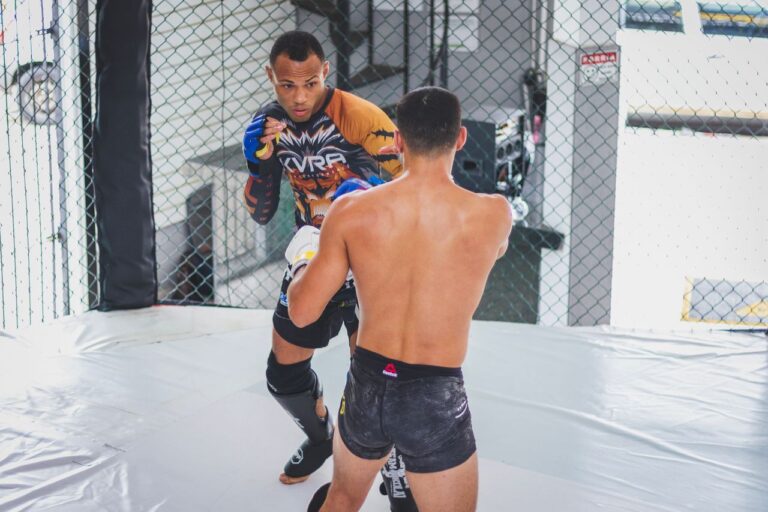
Tom Aspinall fights like a middleweight in a heavyweight body. He uses sharp footwork, intelligent feinting, and fast straight punches to create openings, then switches to takedowns that look identical to his striking entries. On the ground, he holds a BJJ black belt and actively hunts submissions. The combination of genuine mobility and finishing ability from anywhere is what separates him from the entire division.
The Footwork That Makes Aspinall Different From Every Other Heavyweight
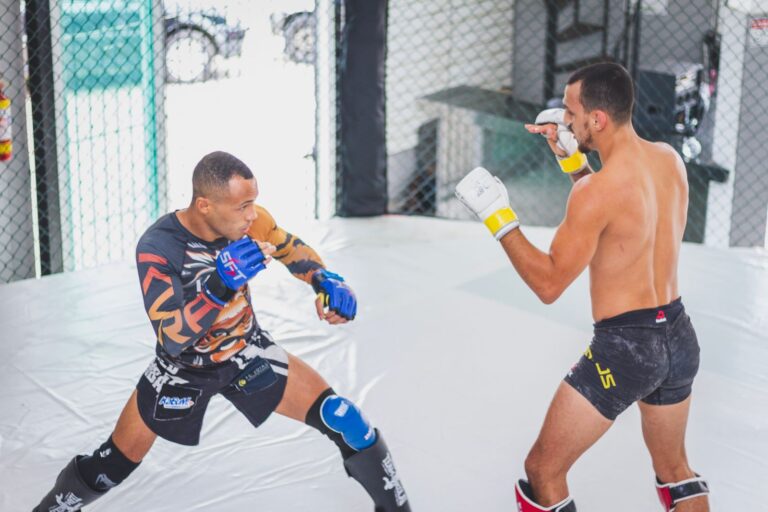
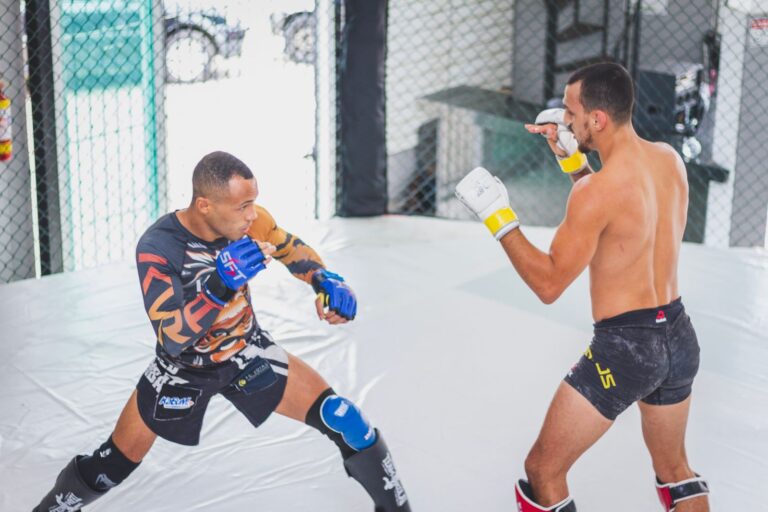
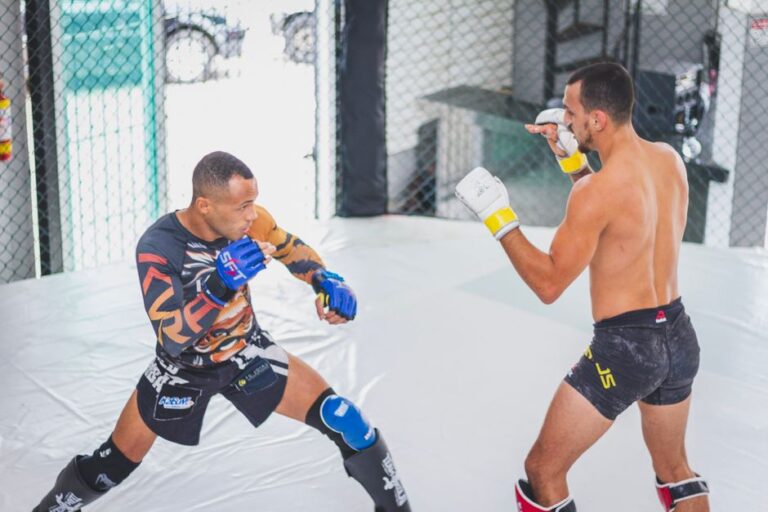
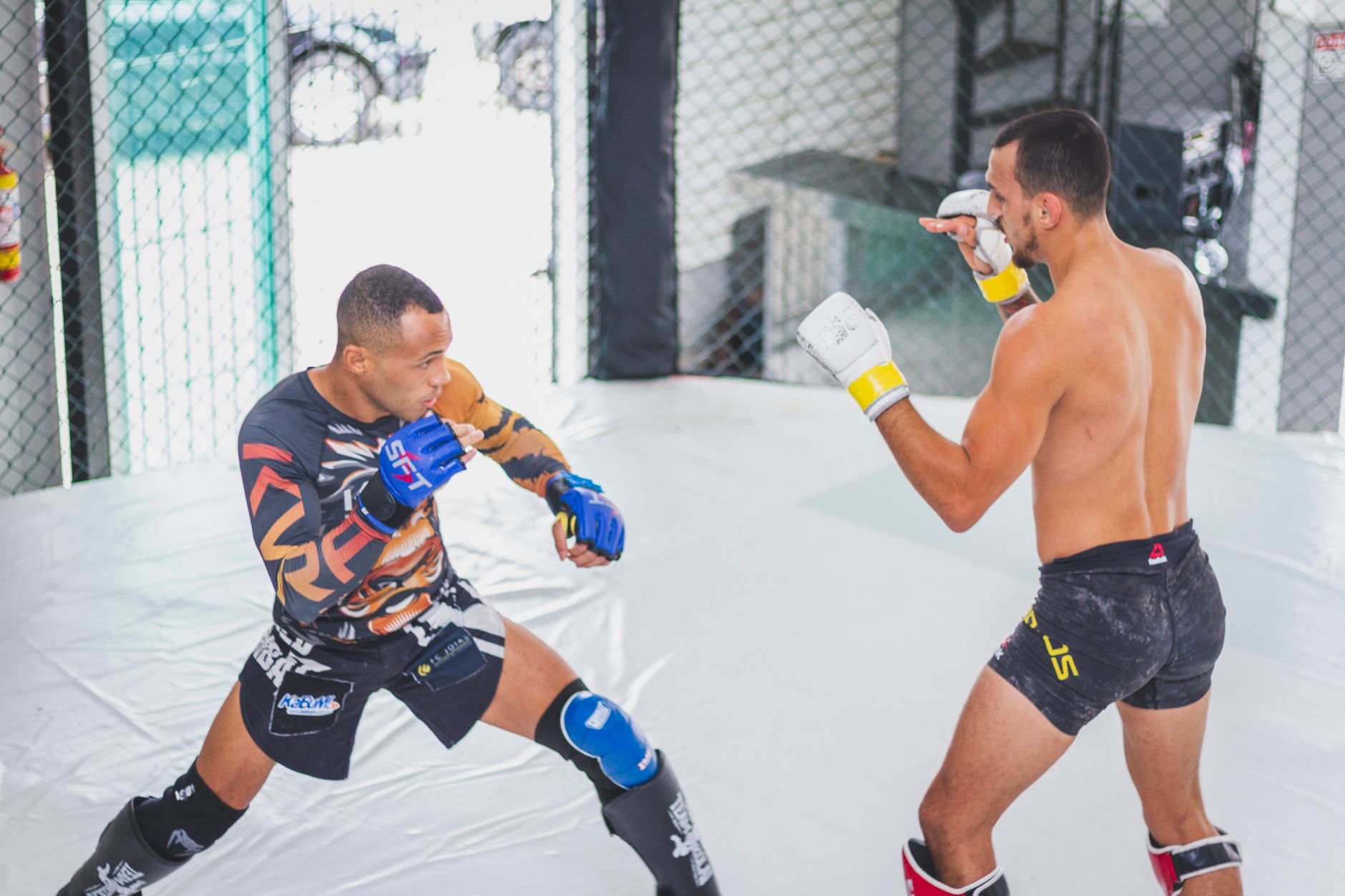
Most heavyweights pick a spot and grind. Aspinall doesn’t work like that. He operates from a wide Orthodox stance with his weight distributed to move in every direction quickly — and he uses that range constantly.
He cuts angles rather than circling predictably. Not just moving around the cage, but stepping to the outside of his opponent’s lead foot to remove their power line while keeping his own punches on target. It’s the kind of footwork you see from elite welterweights and lightweights. At 265 pounds, it’s genuinely unusual.
Watch his entries closely. He feints with his head and shoulders before committing, creating a read that makes opponents guess wrong before the real attack arrives. The actual punch or level change lands before they’ve finished reacting to the ghost movement.
His recovery is the other underrated piece. After combinations, he exits range fast — not circling into a counter, but resetting at a distance where he controls the next exchange. Most heavyweights eat counters after their own combinations because they’re slow to get out. Aspinall doesn’t give that window.
How Aspinall’s Striking Sets Up His Takedowns (and Vice Versa)
This is the piece most casual fans miss: Aspinall’s striking and grappling don’t run as separate systems. They run off the same entry, and that’s what makes him so hard to defend.
His blast double — a two-handed drive to the legs — telegraphs exactly like his straight punches. Same head position, same level drop, same aggressive step forward. By the time an opponent decodes whether it’s a punch or a takedown, they’ve already been hit or taken down.
The pressure this creates is relentless. Respect the takedown and you eat punches. Load up to counter and he changes levels — now you’re on the mat. There’s no safe read, which is why so many opponents freeze in front of him instead of fighting back with urgency.
His jab serves as both a range-finder and a door-opener. He throws it with a step to his left, angling off while landing on the outside of the opponent’s guard. From there, the right hand is open. The level change is open. Both threats are live at the same time, and good heavyweights can only stop one at a time.
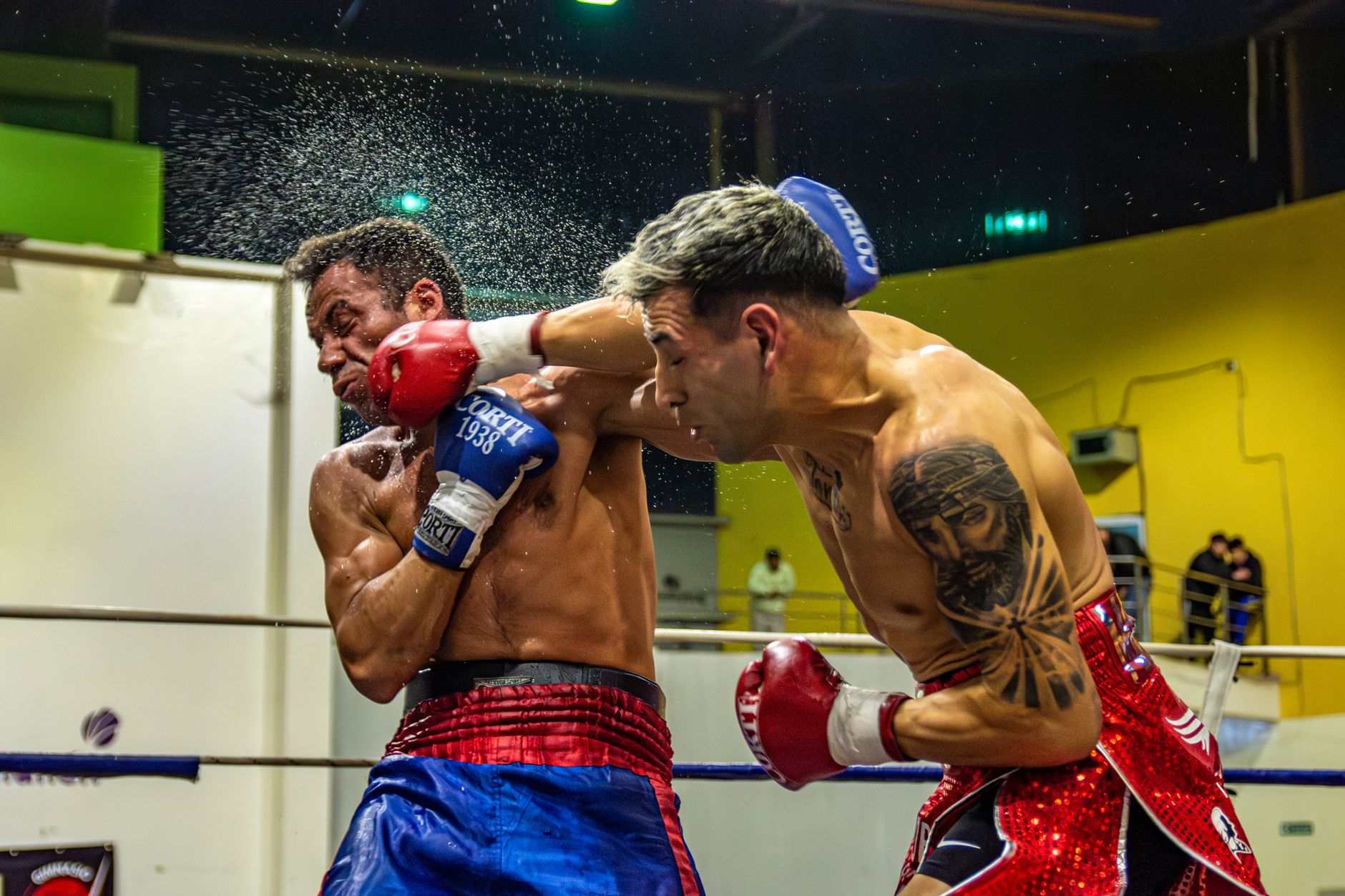
The Submission Arsenal That Heavyweights Don’t Expect
Aspinall holds a BJJ black belt, and unlike a lot of striking-first fighters with grappling credentials on paper, he actually uses it on fight night under pressure.
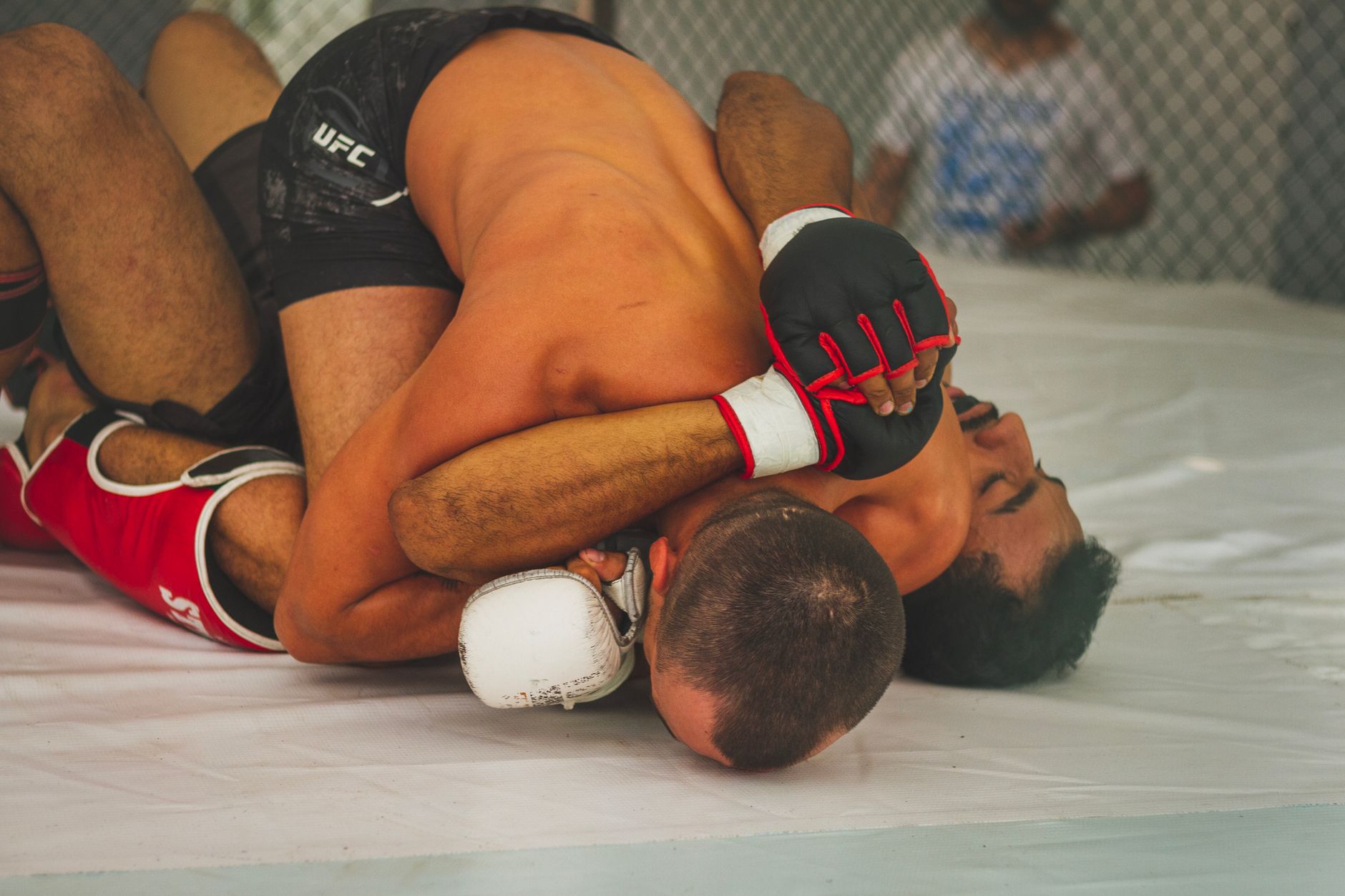
His preferred route to submissions runs through back control. He’s a patient body-lock wrestler who drives opponents to the mat or the fence and works for seat-belt position methodically. Once he has the back with hooks in, the rear-naked choke is a matter of when — not if. He has the squeezing power to finish from there, and he has the patience to maintain position until the arm finds the neck.
What makes him particularly dangerous is that he hunts submissions from everywhere. He doesn’t set up camp in top position and throw ground and pound until someone covers up. He looks for guillotines on failed takedown attempts. He looks for triangles from bottom guard. He looks for armbars in transitions between positions. His ground IQ keeps searching even when the conservative option would be to just grind.
At heavyweight, this is almost unprecedented. The division has historically been dominated by wrestlers who hold people down and punch them, or strikers who try to keep it standing. A genuine submission threat from top, bottom, and transitions changes the entire dynamic of what a grappling exchange looks like against him.
Compare him to a one-dimensional striker who becomes predictable the moment a fight hits the ground. Islam Makhachev has built a similar “there’s no safe position” reputation at lightweight — Aspinall is building the same thing at 265. There’s nowhere to put him that makes things easier for you.
The Ciryl Gane Rematch: What the Styles Say About Paris
Ciryl Gane stopped Alex Pereira in round two at UFC Freedom 250 to capture the interim heavyweight title. Aspinall accepted the challenge publicly within 24 hours. UFC Paris, September 5, 2026 — title unification.
Their first meeting at UFC 321 in October 2025 ended in a no-contest after repeated eye pokes from Gane forced a stoppage in round one. It was one of the most frustrating endings to a heavyweight title fight in recent history. Both camps wanted the rematch. Now they have it.
Gane is technically the sharpest striker in the heavyweight division — good Muay Thai, active jab, strong front-foot pressure, and a front kick that keeps opponents off balance. He’s not a grappler, which is Aspinall’s clearest structural advantage in this fight.
If Aspinall closes distance without eating a straight knee or a right hand, this goes to the mat and Gane is in serious trouble. The question is whether Gane’s range game — long jab, front kick, movement — can keep Aspinall on the outside long enough to build a lead or find a finish standing.
Aspinall’s footwork should theoretically neutralize Gane’s range advantage. The stylistic edge goes to Aspinall as long as he fights his own game. The open question is the late rounds if it goes long — Gane has been in championship rounds before, Aspinall hasn’t been tested there. But given Aspinall finishes every fight, there’s a reasonable argument the late-round question never gets answered.
How to Build an Aspinall-Style Fighter in TKO Tycoon
In TKO Tycoon, Aspinall’s profile maxes out on takedown offense, ground control, and submission hunting while keeping striking efficiency high enough to be a genuine standing threat. The game punishes one-dimensional heavyweight builds — a pure puncher gets submitted, a pure wrestler gets picked apart on the feet.
The Aspinall template is an aggressive pressure fighter who enters fast, mixes levels constantly, and converts ground time into submission attempts rather than just accumulating control time. Think of it as striking used to set up grappling finishes: every punch is a threat that makes the level change harder to read, and every takedown attempt creates punching angles when the opponent sprawls.
If you’re building a heavyweight in TKO Tycoon, don’t neglect the grappling skill tree at the expense of knockout power. The fighters who dominate the heavyweight ranks aren’t pure KO artists — they’re the ones who can finish from standing, from the clinch, from top, and from bottom. That’s the Aspinall model. It’s also the most fun way to play the weight class.
Frequently Asked Questions About Tom Aspinall’s Fighting Style
What is Tom Aspinall’s fighting style?
Tom Aspinall is a mobile, pressure-forward heavyweight who combines sharp Orthodox boxing with BJJ black-belt grappling. He uses identical striking and takedown entries to keep opponents guessing, and he finishes fights with both knockouts and submissions — every win on his professional record is a finish.
What submissions does Tom Aspinall use?
Aspinall’s signature submission is the rear-naked choke from back control, though he also hunts guillotines on takedown attempts and armbars in ground transitions. He holds a BJJ black belt and actively looks for the finish from every position on the ground — not just from top control.
Why is Tom Aspinall so fast for a heavyweight?
Aspinall trains with Team Kaobon in Manchester and built his base in kickboxing and BJJ before transitioning to MMA. He’s always moved like a smaller fighter — wide stance, active footwork, constant head movement — and carried that movement style into the heavyweight division rather than adopting the stationary brawling style most big men default to.
Who is Tom Aspinall fighting next?
Tom Aspinall is scheduled to fight Ciryl Gane in a heavyweight title unification bout at UFC Paris on September 5, 2026. It’s a rematch from their UFC 321 no-contest, with Gane holding the interim title after defeating Alex Pereira at UFC Freedom 250.
References
- ESPN — Aspinall accepts Gane challenge for Paris unification fight
- CBS Sports — UFC 321 Aspinall vs Gane card details
- Fight.tv — Breaking down Aspinall’s techniques and key strategies
- MMA Mania — UFC Freedom 250 results and heavyweight title picture