UFC 330 Preview: Can Ian Garry Actually Beat Islam Makhachev?
Picture round two at UFC 330 in Philadelphia: Islam Makhachev closes the distance, shoots a low single leg, and Ian Garry — 6-foot-3 of Irish precision — hops laterally off the fence, tags Makhachev on the way out, and resets at center. If that sequence happens even twice, the welterweight championship picture becomes genuinely murky. That one possibility is why this title fight on August 15 is more interesting than most people are giving it credit for.
Makhachev is the best fighter on the planet. He might also be stepping into the most stylistically dangerous title defense of his career. Ian Garry is not Jack Della Maddalena. And this is not the same Makhachev camp that built a career on forcing opponents to the mat.
Islam Makhachev Is Already One of the UFC’s Greatest Two-Division Champions
Makhachev (28-1) spent three years owning the lightweight division, running a streak that included a submission over Charles Oliveira, a unanimous decision over Alexander Volkanovski, and a first-round finish of Renato Moicano in January 2025. Then he vacated the 155-pound title in May 2025 and chased history at welterweight.
He got it at UFC 322 in November 2025 at Madison Square Garden, grinding out a five-round unanimous decision over Jack Della Maddalena to win the 170-pound belt. No wild knockouts, no dramatic finishes — just relentless, suffocating control for 25 minutes. The performance was a statement: Makhachev does not need his opponents to be bad wrestlers to beat them. He just needs a wall and patience.
Now 28-1 with 13 UFC victories, he is chasing Anderson Silva’s 16-fight promotional win streak. UFC 330 is defense number one at welterweight, and the unbeaten Garry is the biggest striker Makhachev has ever faced in terms of pure technical stand-up skill.
Ian Garry: The First Irish Title Challenger Since McGregor, and the Comparison Is Not Just Marketing
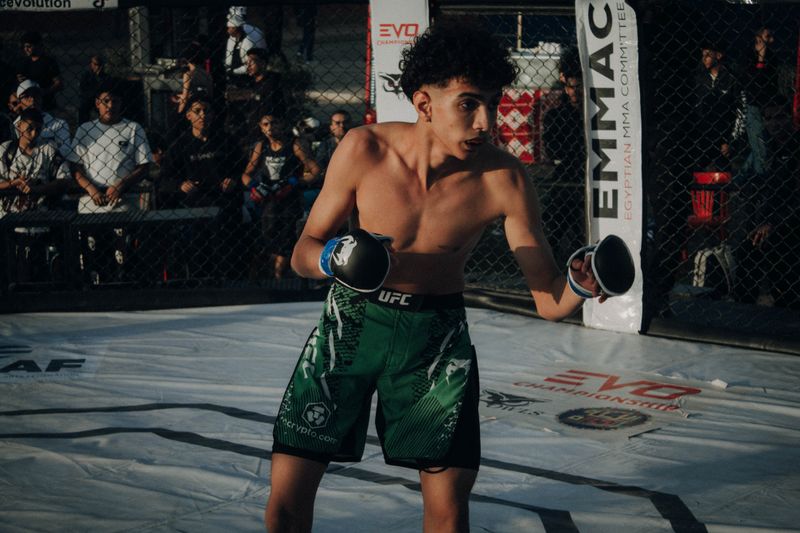
Ian Garry enters UFC 330 at 17-1, riding a three-fight win streak, ranked number one in the welterweight division. He became the first Irishman to challenge for a UFC title since Conor McGregor took on Chad Mendes and Jose Aldo at UFC 189 in 2015. That is a big deal — not just for optics, but because the comparison to McGregor is not entirely lazy.
Like McGregor in 2015, Garry carries a confidence that borders on irritating for neutrals and electrifying for fans. Unlike McGregor’s compact left-hand power game, Garry fights with length. He uses his 6-foot-3 frame to control range with his jab, punishes overcommitted shots, and moves off lines with a level of footwork that most welterweights cannot match.
We already broke down Ian Garry’s fighting style in depth when his title shot was still a question mark. Now that it is confirmed, the key question is whether that movement-based game can survive Makhachev’s pressure at the highest level the UFC has to offer.
Garry has never been finished in his professional career. He has been dropped, he has been in tight spots, but nobody has put him away. Against Makhachev, that resilience will need to show up from minute one.
The Grappling Problem Nobody Wants to Honestly Discuss Before UFC 330
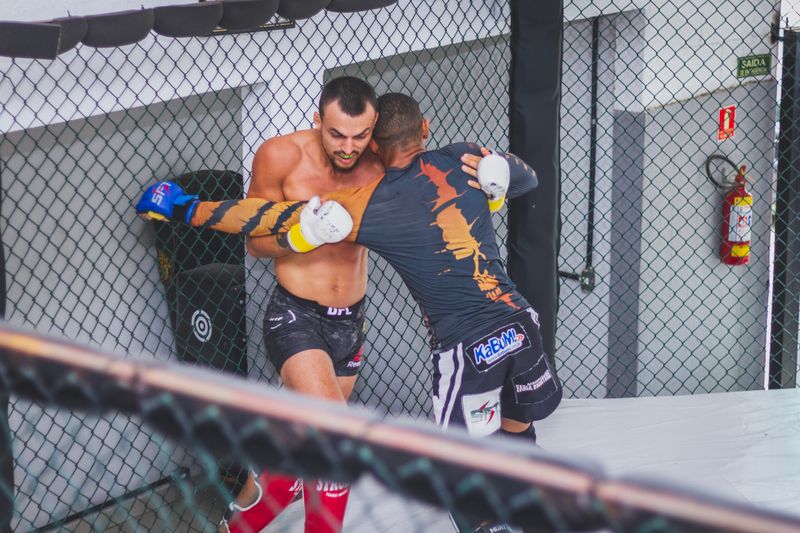
When you ask Ian Garry about Makhachev’s wrestling, he does not dodge it. He called the champion’s grappling “like a weighted blanket — it suffocates you.” Then he said he is too good to stay trapped. That combination of honest assessment and self-belief is either the mindset of a future champion or of a man who has not yet felt what Makhachev’s top control actually does to your hips and lungs over 15 minutes.
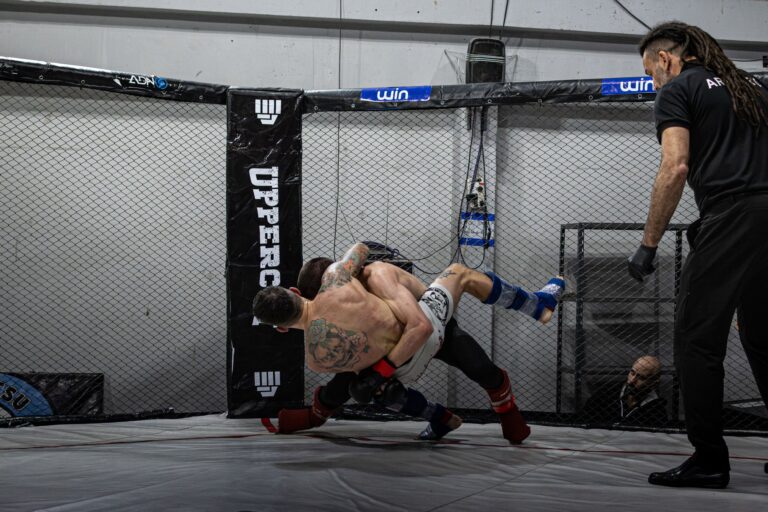
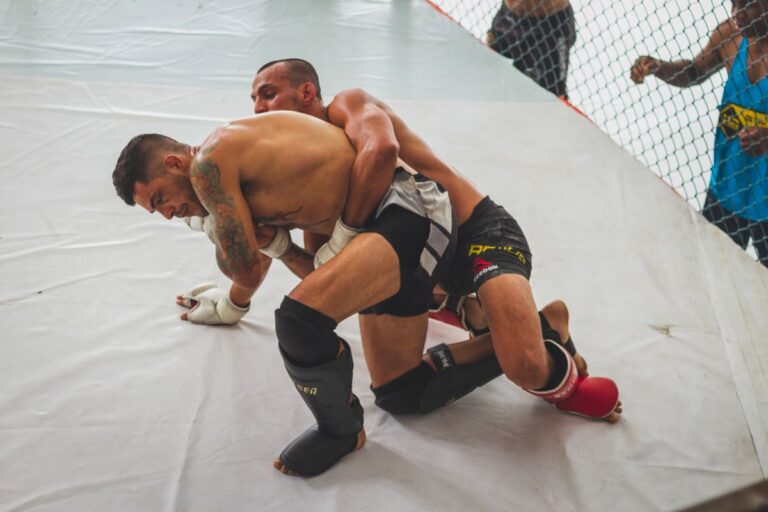
The realistic concern for Garry is not any single takedown. It is what happens after the fifth or sixth failed entry attempt. Makhachev’s takedowns — even the ones that do not land — drain defensive energy. Sprawling hard, returning to feet, resetting: that costs cardio. By round three, a fighter who spent rounds one and two stopping takedowns often starts getting sloppy on their feet. That is where Makhachev creates his finishes.
Garry’s length genuinely complicates Makhachev’s entry game. At 6-foot-3, Garry creates angles and distances that shorter opponents like Moicano or Poirier never could. A low single that works against a 5-foot-9 guy is a different proposition against someone who can stuff it with a step back and a knee before it even gets started. The reach advantage does not stop takedowns, but it makes them more expensive to attempt — and more dangerous to mistime.
Sean O’Malley, who knows a thing or two about being an underdog striker against elite competition, has gone on record saying he sees a real upset threat here. He is not wrong to say it. But seeing a threat and capitalizing on one are very different things.
What Makhachev’s “No Takedown” Strategy Actually Reveals About UFC 330
The most interesting development leading into UFC 330 came from Makhachev’s camp, which teased a striking-first approach against Garry. The hint was deliberate. A no-takedown strategy against the most technical striker in the welterweight division.
This tells you two things. First, the AKA camp has looked at Garry’s length and footwork and decided that committing to takedown entries might be less efficient than usual. Garry is genuinely hard to catch in the open, and forcing entries against his frame risks eating counters. Second, and more importantly: Makhachev’s striking has quietly become elite. People forget this because his grappling dominates the conversation, but Makhachev nearly finished Dustin Poirier with ground-and-pound after standing exchanges, and he dropped Arman Tsarukyan in the pocket. His timing, his jab, his level changes — they are all legitimate weapons at the championship level.
If Makhachev decides he does not need to take Garry down to beat him, and if that strategy works, the belt is not just defended — it is defended in a way that silences every future challenger. For a man chasing Anderson Silva’s legacy, winning a title fight on the feet against the best striker in the welterweight division is the kind of statement that defines careers.
The Two Ways UFC 330’s Main Event Actually Ends
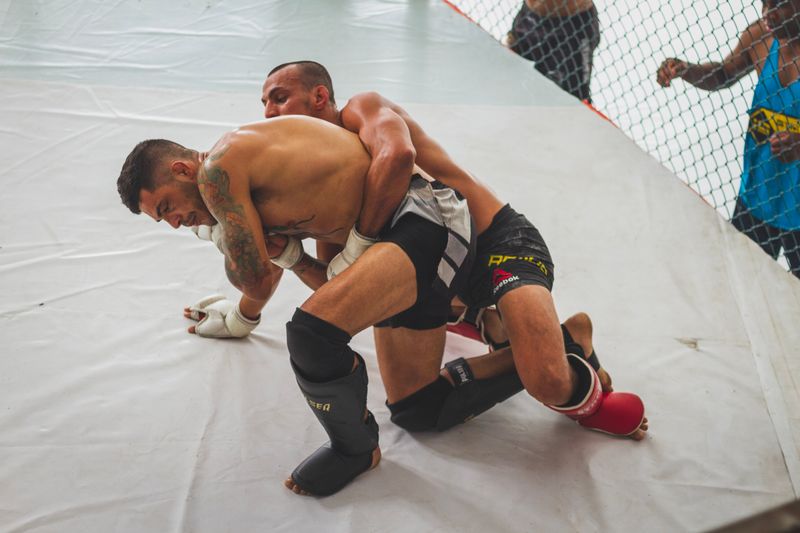
Garry wins this if he can do three things consistently for 25 minutes: stay off the fence, make every takedown entry cost something, and touch Makhachev clean enough to force a reaction. The jab is his best weapon. If Garry lands it 40-plus times a round and makes Makhachev think twice before closing distance, the early rounds favor the challenger on volume and movement. A wide-open round-three scramble where Garry is still fresh — because the grappling threat never fully materialized — is his best knockout window.
Makhachev wins this the way he wins everything: attrition. He does not need a highlight. He needs to make Garry uncomfortable, drain the challenger’s hips with takedown feints even if those feints never complete, find the clinch once or twice, and accumulate control time in the later rounds. By round four of a Makhachev fight, opponents start taking the fence out of habit. Once Garry is backed up there and tired, the champion’s grinding game takes over. A late TKO or a wide decision are both very realistic outcomes.
The fight will likely be decided by one question: can Garry maintain disciplined movement when he is winded and his feet feel heavy? Most fighters say yes before the fight. Most fighters say no with their body language by round four.
UFC 330 Prediction: The Champion’s Blueprint Holds, but Philadelphia Will Be Loud
Makhachev wins by fourth-round TKO. Garry keeps it competitive through two and a half rounds, lands the better striking in patches, and there is a moment — probably in round two — where you genuinely believe the upset is happening. Then Makhachev traps him on the fence, works a body-lock, and the attrition begins. By round four, Garry’s movement slows enough for the finish.
That is not a boring pick. A 17-1 unbeaten challenger who has never been stopped, with legitimate range and footwork, against the pound-for-pound number one — there is a real fight here. Anyone who dismisses Garry outright is not watching the same tape.
If you play TKO Tycoon, the MMA management game, this matchup is the clearest argument in the game for why grappling pressure stats matter even for your dedicated strikers. You can build the perfect technical boxer, but if your game plan does not account for takedown attrition across five championship rounds, the fourth-quarter stoppages will keep finding you.
August 15. Philadelphia. Do not sleep on the underdog.
Frequently Asked Questions About UFC 330: Makhachev vs Garry
When is UFC 330 and where does it take place?
UFC 330 takes place on August 15, 2026, at the Xfinity Mobile Arena in Philadelphia, Pennsylvania. It marks the UFC’s return to Philadelphia for the first time since 2019. The main card typically begins at 10 PM ET on pay-per-view.
What title is on the line at UFC 330?
The UFC welterweight championship is on the line. Islam Makhachev won the 170-pound title at UFC 322 in November 2025, defeating Jack Della Maddalena by unanimous decision at Madison Square Garden. UFC 330 is his first title defense at welterweight.
Has Ian Garry ever been stopped in his MMA career?
No. Ian Garry enters UFC 330 with a 17-1 professional record and has never been stopped by TKO, knockout, or submission. His one career loss came by decision. That finishing resistance is one of the most underrated arguments in his favor heading into the title fight.
Who is the betting favorite for Makhachev vs Garry at UFC 330?
Islam Makhachev opens as a significant betting favorite. Ian Garry enters as a live underdog — enough that analysts like Sean O’Malley have publicly flagged the upset potential, but not close enough on the line to suggest the market views this as a coin flip.
References
- UFC.com — UFC 330: Makhachev vs Machado Garry official event page
- Bloody Elbow — Makhachev’s coach teases surprise no-takedown strategy against Garry
- MiddleEasy — Ian Garry describes Makhachev’s grappling as a weighted blanket
- MMA Mania — UFC 330 fight card, start time, date and location