UFC P4P Rankings 2026: How Islam Makhachev Took the Throne From Jon Jones
Islam Makhachev choked Jack Della Maddalena unconscious at UFC 322 to become the eleventh fighter in promotional history to hold belts in two weight classes — and the moment the referee waved it off, the entire p4p UFC rankings ledger flipped. Jon Jones held the top spot for most of the last decade by default. Not anymore.
The pound-for-pound conversation in 2026 isn’t a thought experiment. It’s a paper trail of finishes, dominant decisions, and a Dagestani who keeps doing the same thing to every elite division he visits. Here’s the real shape of the rankings, why the math favors Makhachev now, and which fighters are actually positioned to take it from him.
How Islam Makhachev Earned the #1 Pound-for-Pound Spot
Makhachev took the top pound-for-pound rank by doing something nobody else on the current roster has done: he ran an undefeated streak through a stacked lightweight division, then immediately moved up and dismantled a reigning welterweight champion. That’s not a hype-driven ranking. That’s a resume that survives any honest scoring system.
His title run at 155 included finishes of Charles Oliveira (twice), a clean rematch sweep of Alexander Volkanovski, and a submission of Dustin Poirier that ended Poirier’s title window for good. By the time he vacated lightweight, the division had no realistic challenger left who hadn’t already been thoroughly handled. That’s the kind of cleanout most pound-for-pound debates demand.
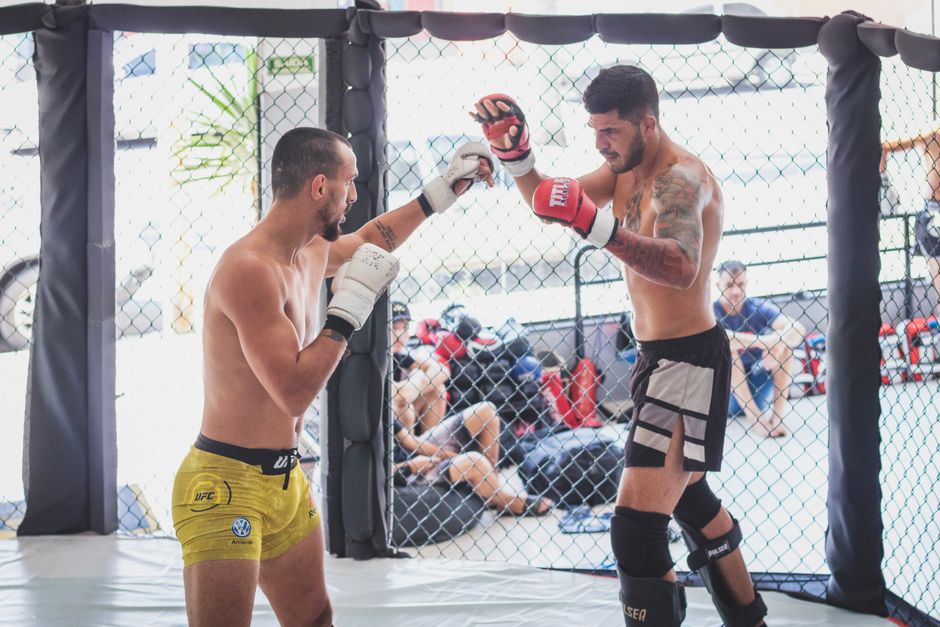
UFC 322 was the punctuation mark. Jack Della Maddalena entered with a 19-fight win streak and the welterweight strap. Makhachev showed up fifteen pounds heavier than his usual walking weight, took JDM down at will, and finished him in the third with a face crank. Two divisions. Two belts. One fight to settle it.
The Current UFC Pound-for-Pound Rankings 2026 Top 10
The current UFC pound-for-pound rankings for 2026 reflect a generational shift. Makhachev sits at #1 with two divisional belts. Topuria, Volkanovski, and Pantoja anchor the top five behind him, with Du Plessis and Pereira balancing the heavyweight end of the list. The era of one fighter holding the top for a decade is over.
Here’s how the top of the list looks as of June 2026:
- Islam Makhachev — Two-division champ (LW, WW)
- Ilia Topuria — Lightweight champion, undefeated
- Alexander Volkanovski — Featherweight, second reign confirmed
- Alexandre Pantoja — Flyweight, deepest run in division history
- Dricus Du Plessis — Middleweight champion
- Alex Pereira — Three-weight chaser, interim HW challenger
- Merab Dvalishvili — Bantamweight, pace nobody can match
- Tom Aspinall — Heavyweight champion
- Belal Muhammad — Former welterweight champ
- Kayla Harrison — Women’s bantamweight champion
Jon Jones is conspicuously absent. After his second retirement and refusal to defend the heavyweight strap, the ranking algorithms in their newer form simply stopped giving him credit for old work. That’s the right call, even if it stings.

Why the New UFC Rankings System Boosts Makhachev’s Case
The UFC’s revamped rankings system, announced in May, swapped subjective panel votes for a measurable model based on opponent quality, win method, and recency. Under that math, Makhachev’s resume — three years of finishes against elite competition with zero questionable decisions — scores higher than any other active fighter’s record.
Opinion-based pound-for-pound voting had a Jones problem. He sat at #1 long after he stopped fighting actively, which made the entire list feel frozen. The new system penalizes inactivity hard. It rewards finishes more than narrow decisions. And it weights wins against top-five opponents far more than wins against the back end of a division.
That formula is essentially Makhachev’s biography. He finishes. He’s active. He’s beaten the top of two divisions. The system didn’t pick him because the executives liked him. It picked him because the inputs all point the same direction.
The controversy around the new system has been mostly aesthetic. Some fans want their favorites at the top regardless of what the numbers say. But the algorithmic version did one thing the old version couldn’t — it produced a top ten that survives a stat-line audit.
The Two-Division Argument: Lightweight and Welterweight Resume
Holding belts in two divisions doesn’t automatically lock you into the top pound-for-pound spot. Conor McGregor did it and slid down the rankings within a year. Henry Cejudo did it and got benched. What separates Makhachev is that his second belt didn’t come against a soft champion in a weight class he naturally fit. He moved up against the longest active win streak in the welterweight division.
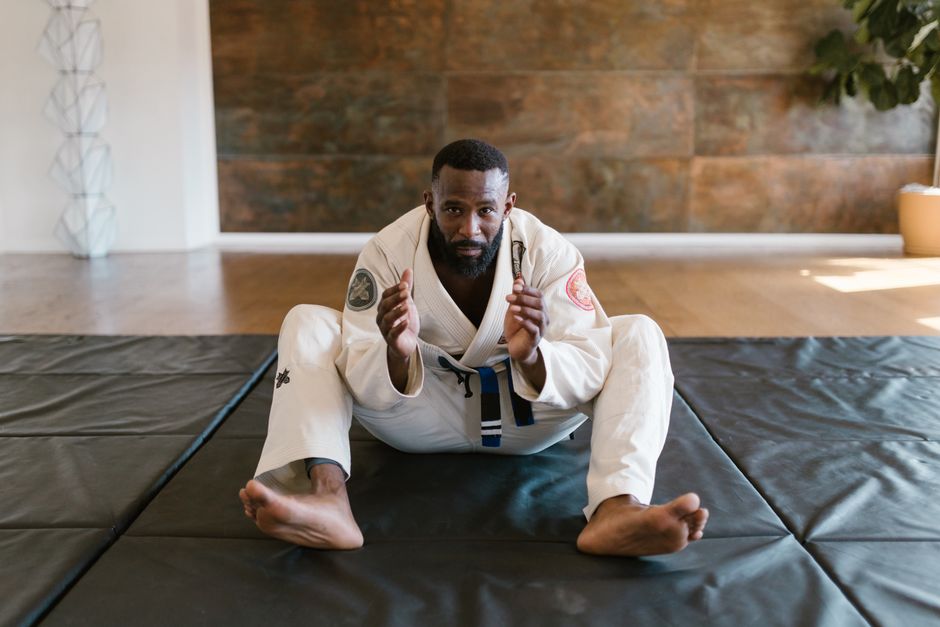
His base is Combat Sambo — the same Dagestani grappling pipeline that produced Khabib Nurmagomedov and a handful of regional champions. Sambo’s wrestling-heavy chain wrestling, paired with Russian-style top control, translates to MMA the way wrestling-based fighters keep dominating UFC belts across every weight class. The skill set scales up. Striking ranges shift with weight, but a takedown is a takedown.
What made the JDM fight different was Makhachev’s striking patience. He didn’t try to out-box a boxer. He set up level changes off his jab, ate a few shots to close distance, and worked his way to the back the moment JDM gave up an angle. Old-school problem solving. Nothing flashy. The kind of fight you watch twice — once for excitement, once for the technical breakdown.
Who Could Knock Makhachev Off the Top in 2026?
Three fighters have a realistic shot at displacing Makhachev from #1 inside the next year: Ilia Topuria with a title defense win streak at lightweight, Alex Pereira if he secures a third belt at heavyweight, and Alexandre Pantoja if he finishes Manel Kape in their flyweight rematch. Volkanovski is fading. Du Plessis isn’t active enough. Everyone else is too far back.
Topuria is the most interesting case. He’s undefeated, he’s the new lightweight king with Makhachev vacated, and he’s about to defend against Justin Gaethje at the White House card on June 14. If he turns Gaethje into a highlight reel — which his last three fights suggest he can — the rankings argument starts shifting fast. A finish over a former interim champion in front of a global audience is exactly the kind of input the new system rewards.
Pereira is the wildcard. He vacated his light heavyweight strap to chase the interim heavyweight belt against Ciryl Gane. A three-division UFC champion has never happened. If Pereira pulls it off, that historical milestone produces more ranking weight than almost anything else on the table.
Pantoja’s path is quieter but real. The flyweight division has been treated like an afterthought by the pound-for-pound voters for years. Pantoja’s eighth consecutive title defense, if it lands a finish, is the kind of stat line that algorithmic rankings can’t ignore.
What P4P Rankings Mean for TKO Tycoon Strategy
The math behind real-world pound-for-pound rankings — opponent quality, win method, recency — is the same math the TKO Tycoon game uses to score your fighter’s career arc. Wins against top-five contenders generate more reputation than wins against fringe opponents, and finishes always outweigh decisions in your fighter’s overall trajectory.
That’s why early-career matchmaking matters more than most new players realize. Padding your record with low-tier opponents looks fine in the short term, but the recency multiplier starts punishing inactivity against ranked fighters fast. A 12-0 record built off can-crushers will get passed by a 6-1 fighter who beat two top-tens.
The two-division play also works the same way. Vacating your belt to move up is a calculated risk: you lose the active-champion bonus while you reset weight, but a successful belt run in the new division compounds your pound-for-pound score with a multiplier most players never trigger. Worth the risk only if your stats actually scale at the higher weight. Makhachev’s career is a textbook case of that exact path.
Frequently Asked Questions
Who is #1 in the UFC pound-for-pound rankings right now?
Islam Makhachev holds the #1 pound-for-pound spot as of June 2026. He earned it after submitting Jack Della Maddalena at UFC 322 to add the welterweight title to his lightweight reign, becoming the eleventh fighter in UFC history to hold belts in two divisions.
Why isn’t Jon Jones in the pound-for-pound top ten anymore?
Jones fell out of the active pound-for-pound list because of inactivity. The new UFC ranking system weighs recency heavily, and Jones hasn’t defended a belt or fought in a competitive bout in over a year. The system rewards active title-holders over historical resumes.
How does the new UFC ranking system actually work?
The new system replaced opinion-based panel voting with measurable inputs: opponent quality, win method, recency, and activity rate. Each ranked win generates points scaled by the opponent’s own position. Finishes outweigh decisions. Inactivity drains a fighter’s score until they fight again.
Can Ilia Topuria pass Makhachev in the pound-for-pound rankings?
Yes, but he needs a finish over Gaethje and a clean title defense streak at lightweight. Topuria is undefeated and already top five. A statement performance at the White House card on June 14 would close most of the gap between him and the #1 spot.
Build a #1 Fighter of Your Own
Pound-for-pound conversations come down to one question: did you fight the best, and did you finish them? Try the same math against a fully simulated MMA roster in the TKO Tycoon game. Vacate, climb divisions, and see whether your two-belt run survives the recency penalty.
References
- CBS Sports — UFC 322 results: Makhachev wins second title — Della Maddalena finish details and two-division milestone
- Sherdog — UFC announces new rankings format — performance-based scoring methodology
- UFC.com — Main card results: UFC 322 — official event recap and round-by-round breakdown
- The Big Lead — UFC power rankings entering June 2026 — divisional analysis and pound-for-pound shifts
Into BJJ? TaipeiBJJ.com covers training resources and BJJ content.
Play TKO Tycoon — the MMA management game for fight fans.
Shop on Amazon
MMA & Boxing Gear on Amazon →
As an Amazon Associate we earn from qualifying purchases.