UFC Heavyweight Rankings: Who’s Closest to Ciryl Gane’s Title
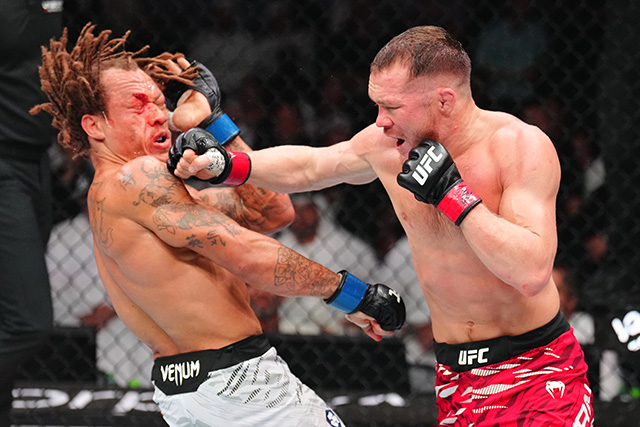
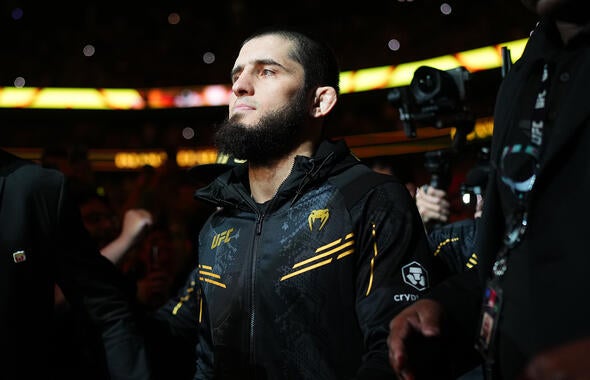
Heavyweight hasn’t had an undisputed title fight resolve cleanly since Tom Aspinall and Ciryl Gane first met at UFC 321, when an accidental eye poke four and a half minutes into round one ended the fight as a no contest. Aspinall tried to push through the lingering damage, but the injury kept recurring, and he eventually gave up the belt rather than keep defending a title he couldn’t train for. The UFC elevated Gane to undisputed champion without him having to win the rematch, and instead of running that rematch back immediately, they booked his first defense against Josh Hokit — a fighter who was fighting on Dana White’s Contender Series fourteen months ago. That’s the story of heavyweight right now: a champion who won the title by default, defending it against a challenger who skipped the line. Everyone else in the top five is left watching from the outside.

Ciryl Gane: The Champion Who Inherited the Job
Gane didn’t beat Aspinall for this title — he was elevated to undisputed champion after Aspinall’s eye injury made continuing to hold the belt untenable. That’s not a knock on Gane’s skill set, which is still the best pure kickboxing in the division: elite footwork for a heavyweight, a jab that controls range against bigger and more durable opponents, and a gas tank that lets him keep moving in the championship rounds when most 250-pound fighters are looking for a takedown just to rest. But it does mean he’s a champion with something to prove that a normal title win would have settled already.
That’s exactly what makes the Hokit fight dangerous for him. A clean, decisive finish silences the “he backed into this” argument instantly. Anything less — a decision, a scare, a slow start — and the division’s actual list of contenders gets louder about why they, not Gane, should be getting the next crack at undisputed gold.
Tom Aspinall: Still the Uncrowned #1 Even While Hurt

Aspinall remains the #1 ranked heavyweight in the UFC despite not having fought since the no contest, and that ranking isn’t sentiment — it’s that nobody left in the division has beaten the version of Aspinall that finishes almost everyone he touches. Before the eye injury derailed his reign, he was running through the top of the division in minutes, not rounds, with a finishing rate that made him the rare heavyweight who could end a fight standing or on the mat. Vacating the belt rather than keep defending through recurring damage was the right long-term call, but it leaves him in an unusual spot: the best fighter in the division, with no title and no clear next fight.
If Gane struggles with Hokit even slightly, Aspinall vs. the winner becomes the fight the entire division is built around. If Gane looks dominant, the UFC has a harder conversation — does an undisputed champion who inherited the belt have to run it back against the man who actually lost it by circumstance, not performance? Either way, Aspinall doesn’t need a win to stay relevant. He needs his eye to hold up.
Alexander Volkov: The Veteran Nobody Wants to Fight Right Now

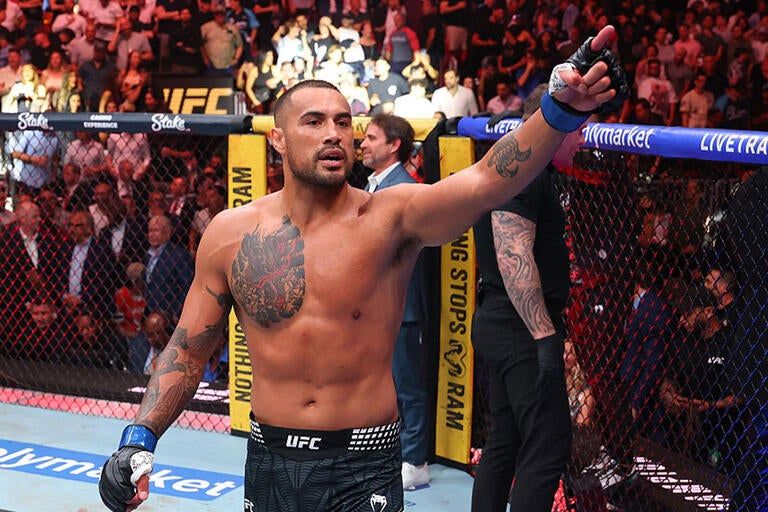
Volkov is heavyweight’s quiet problem. While the title picture has been consumed by injuries and fast-tracked challengers, he’s been stacking wins the old-fashioned way — a unanimous decision over Waldo Cortes-Acosta in May, then a clean decision over Rizvan Kuniev on October 24 that moved him into the thick of the top five. At 37, with a kickboxing background that’s aged into one of the most technical striking games at heavyweight, Volkov isn’t the name that gets a casual fan excited. He’s the name that makes other contenders’ camps nervous, because he’s long enough to keep sluggers at range and durable enough to survive the exchanges when he can’t.
The problem for Volkov is timing, not ability. Pereira and Pavlovich are about to fight each other, Hokit has the title shot, and Aspinall is the obvious next-in-line if he’s healthy. A veteran who wins the right way at the wrong moment is still a veteran waiting for his number to be called.
Alex Pereira: The Heavyweight Experiment Nobody’s Ready For

Pereira moving up from light heavyweight into the heavyweight rankings is the single biggest wildcard in the division, and the UFC didn’t ease him in — he’s booked against Sergei Pavlovich at UFC 335 on December 12, which is as close to a trial by fire as a weight-class debut gets. Pereira’s calling card has always been one-shot knockout power married to elite kickboxing fundamentals, the same package that made him a two-division champion already. The question heavyweight has never had to answer before is what that power looks like against opponents who outweigh him by thirty or forty pounds and can shrug off shots that end fights at 205.
Pavlovich is the worst possible first test and the best possible one at the same time. If Pereira’s hands translate at this weight, he skips the line the same way Hokit did. If they don’t, the heavyweight move is over before it starts, and he’s back down at 205 having lost nothing but a few months.
Sergei Pavlovich: One Punch Can End the Whole Conversation

Pavlovich is the hardest puncher left in a division built on hard punchers, and he reminded everyone of that in May with a first-round knockout of Tallison Teixeira that lasted barely longer than the walkout. His game plan has never been complicated — close distance, find the chin, end the night — and at heavyweight that plan has a way of making complicated opponents look simple. The knock on him has always been durability on the other side of the exchange, the fights where he’s eaten a clean shot before landing his own.
Pavlovich vs. Pereira at UFC 335 isn’t just a measuring-stick fight for the new guy. It’s the fight that likely determines who’s the true #1 contender once Hokit’s title defense is settled, since it’s a direct elimination match between two men with the power to end anyone’s night in a single exchange. Whoever walks out of that fight healthy walks straight into the title conversation.
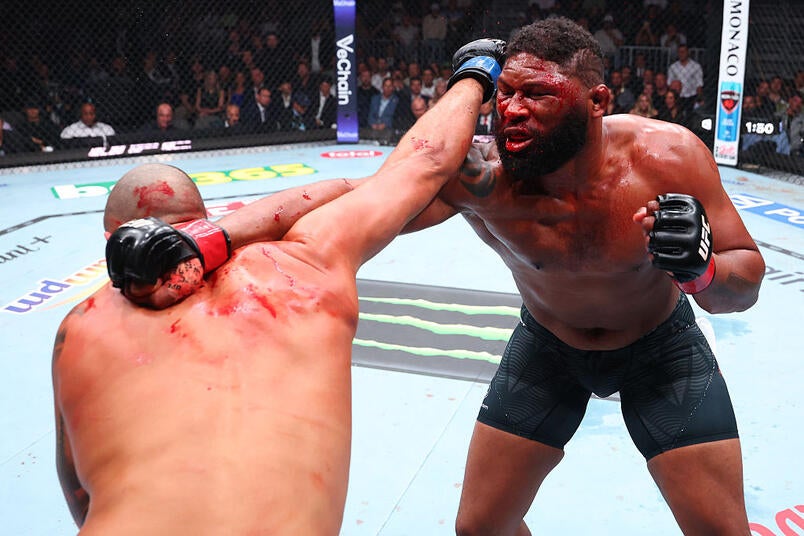
Josh Hokit and Curtis Blaydes: The Fast Riser and the Forgotten Veteran
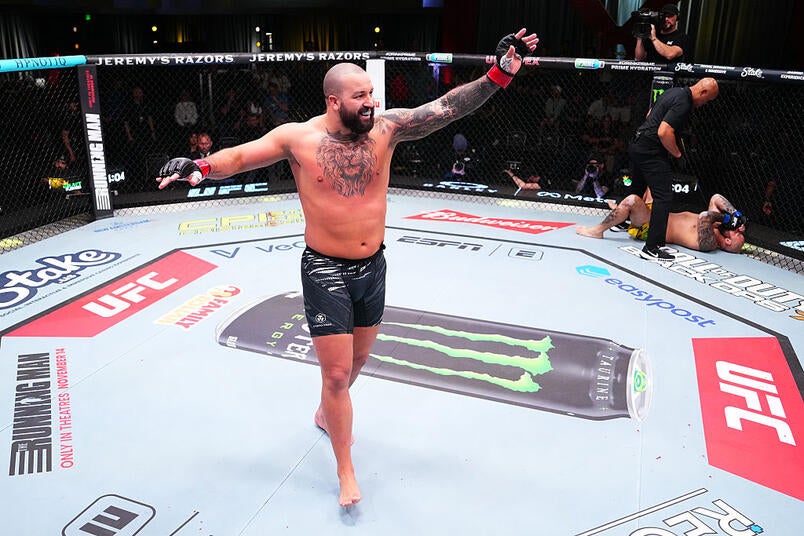
Hokit’s path to a title shot is the fastest in recent heavyweight history — a Contender Series knockout in August 2025, four Octagon appearances since, three of them finishes, including a TKO of Derrick Lewis at UFC Freedom 250 that convinced the UFC he was ready to skip past four more established contenders. He’s not ranked #1, #2, or #3. He got the title shot because Aspinall’s belt became available at the exact moment Hokit’s finishing streak made him the most interesting young name in the division, and the UFC prioritized a fresh story over a résumé-first challenger. Whether that’s a smart bet or a mistake gets answered on November 14.
Blaydes is the opposite story entirely — a durable, wrestling-heavy veteran who beat Waldo Cortes-Acosta by decision in September and currently has no fight booked, buried in a division that’s suddenly obsessed with knockout power and title-shot narratives. He’s not going anywhere in the rankings, but in a heavyweight picture this crowded with punchers and rising stars, a grinder who wins rounds instead of highlight reels is easy for the UFC to overlook when it’s handing out the next big fight.
Building This Chaos in TKO Tycoon
If you’re managing a heavyweight in TKO Tycoon, this division is a case study in two completely different ways to build a contender. A Gane or Aspinall-style build — footwork and cardio stacked high for a big-man frame — only pays off if you’ve also invested in durability, because the one thing that ends heavyweight title reigns fastest isn’t getting out-struck, it’s an injury or a single mistake against a puncher who doesn’t need a second chance. Neglect durability on a finesse-heavy build and you’ve created a champion who’s one bad camp away from vacating the belt exactly like Aspinall did.
Hokit’s rise is the build every new manager should study: a finishing-rate archetype with a weak overall record on paper can still out-earn a technically “better” roster fighter if the power and the finishing instinct are real. The UFC didn’t fast-track him because his stats were the highest in the game — they fast-tracked him because his finish rate created a story worth selling. In TKO Tycoon, a fighter who racks up stoppages, even against lower-ranked opposition, can leapfrog a more decorated roster-mate into a title opportunity if the front office reads his momentum the same way.
Who’s Actually Closest to the Belt

Strip away the title-shot politics, and Tom Aspinall is still the correct answer to “who’s closest to Gane’s title” — he’s the #1 ranked heavyweight in the world, and the only reason he isn’t the one fighting Gane on November 14 is health, not form. But if Aspinall’s eye doesn’t clear him to return soon, the real next-in-line is whoever comes out of Pavlovich vs. Pereira on December 12, since that fight is a direct elimination bout between two men capable of ending the conversation in one punch.
Hokit getting there first doesn’t erase any of that math — it just means heavyweight’s title picture and heavyweight’s title shot are, for the first time in years, two completely different conversations. If Hokit wins on November 14, he’s a legitimate champion regardless of who he jumped. If he loses, the division snaps right back to the Aspinall-Pereira-Pavlovich logjam that was always the real fight. Either way, the next six months at heavyweight are going to be the most consequential the division has had in years.
Sources
- UFC Men’s Heavyweight Rankings — Tapology — current divisional rankings.
- Aspinall-Gane Ruled No Contest After Eye Poke — ESPN — UFC 321 result and injury context.
- UFC Promotes Gane to Undisputed Champion, Books Title Defense vs. Hokit — ESPN — title elevation and UFC 334 booking.