Rear Naked Choke: Why One Hold Ends a Third of All UFC Submissions
The rear naked choke ends roughly one in three submission finishes in UFC history, and nothing else comes close. Not the guillotine. Not the armbar. Not the leg locks that get all the modern hype. When a fighter climbs onto someone’s back and threads an arm under the chin, the fight is usually seconds from over. It is the closest thing MMA has to a guaranteed finish, and most fans still underrate how much of the sport is built around getting there.
Here is the position I will defend for the next 1,500 words: back control is the single most valuable spot in a fight, and the rear naked choke is the reason. Everything else in grappling is a means to that end.
What the Rear Naked Choke Actually Does to the Body
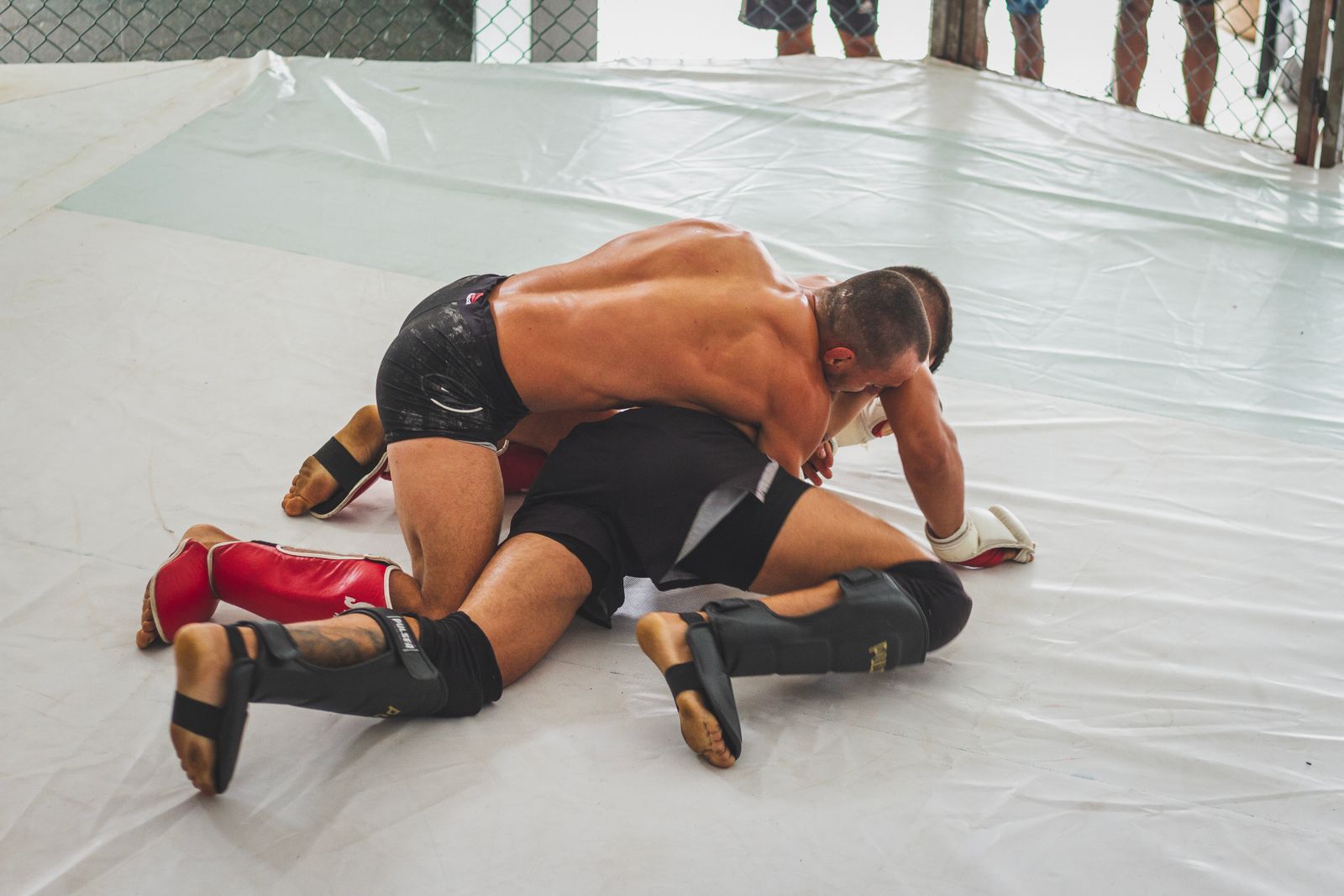
The rear naked choke is a blood choke, not an air choke. It pinches the carotid arteries on both sides of the neck and cuts blood flow to the brain, which is why a clean one puts a trained fighter to sleep in seconds. Squeezing the windpipe is the amateur mistake. The real finish comes from the sides.
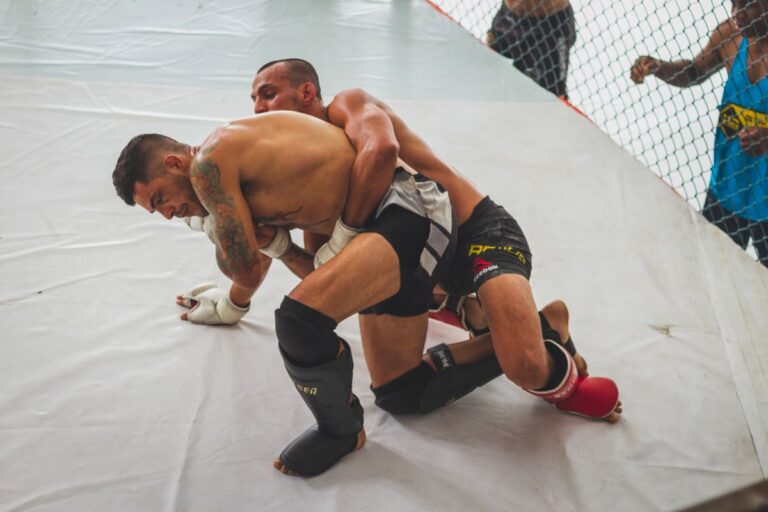
Once back control is set, the finishing arm slides across the throat until the crook of the elbow lines up with the chin. The choking hand grabs the opposite bicep, the free hand slides behind the opponent’s head, and the fighter squeezes their elbows together like a nutcracker. Done right, there is no dramatic yank. Just quiet, closing pressure the other person cannot out-muscle.
Nobody Gives Up Their Back, So How Do Fighters Take It
Opponents never volunteer their back. It gets taken in the chaos, usually off a scramble, a failed takedown, or a fighter turning away from ground-and-pound. The instant someone rolls to their knees to stand up, their spine is exposed and a good grappler is already climbing on.
The two hooks matter more than the choke itself. Those are the feet slotted inside the opponent’s thighs, and they turn a loose ride into a locked cage. Add a body triangle, where one leg crosses over the other ankle, and the back rider becomes almost impossible to shake. Strong wrestling in MMA is often just the vehicle that delivers a fighter to this exact position.
The 8.9-Second Clock That Makes the Choke So Deadly
Studies on the rear naked choke put the average time to unconsciousness at about 8.9 seconds once the choke is locked, regardless of grip style. That number explains why referees stay glued to a fighter’s face during back exposure. There is almost no margin to survive a fully sunk choke.
Compare that to a tight armbar, where a stubborn fighter can grit through pain and even risk a broken arm to escape. Nobody grits through a blood choke. You either defend it before it locks or you wake up asking what happened. That binary is what makes the position so brutal, and so decisive on the scorecards that never get written because the fight ended.
Defending the Rear Naked Choke Starts Before It Is Locked
The best defense is refusing to give up the back at all. Keep your chin tucked, protect your neck with both hands, and never turn belly-down while someone is on top of you. Once the choke is under the chin, the escape window has mostly closed.
If the back is already taken, the priority is hand-fighting. Fight the choking arm with both of yours, peel the wrist, and keep the elbow from crossing your throat. Escapes run on timing and posture, not raw strength, so the earlier a fighter attacks the grip the better. Clearing one hook and turning into the opponent, rather than away, is the classic route back to safety. Turning away just feeds them the choke.
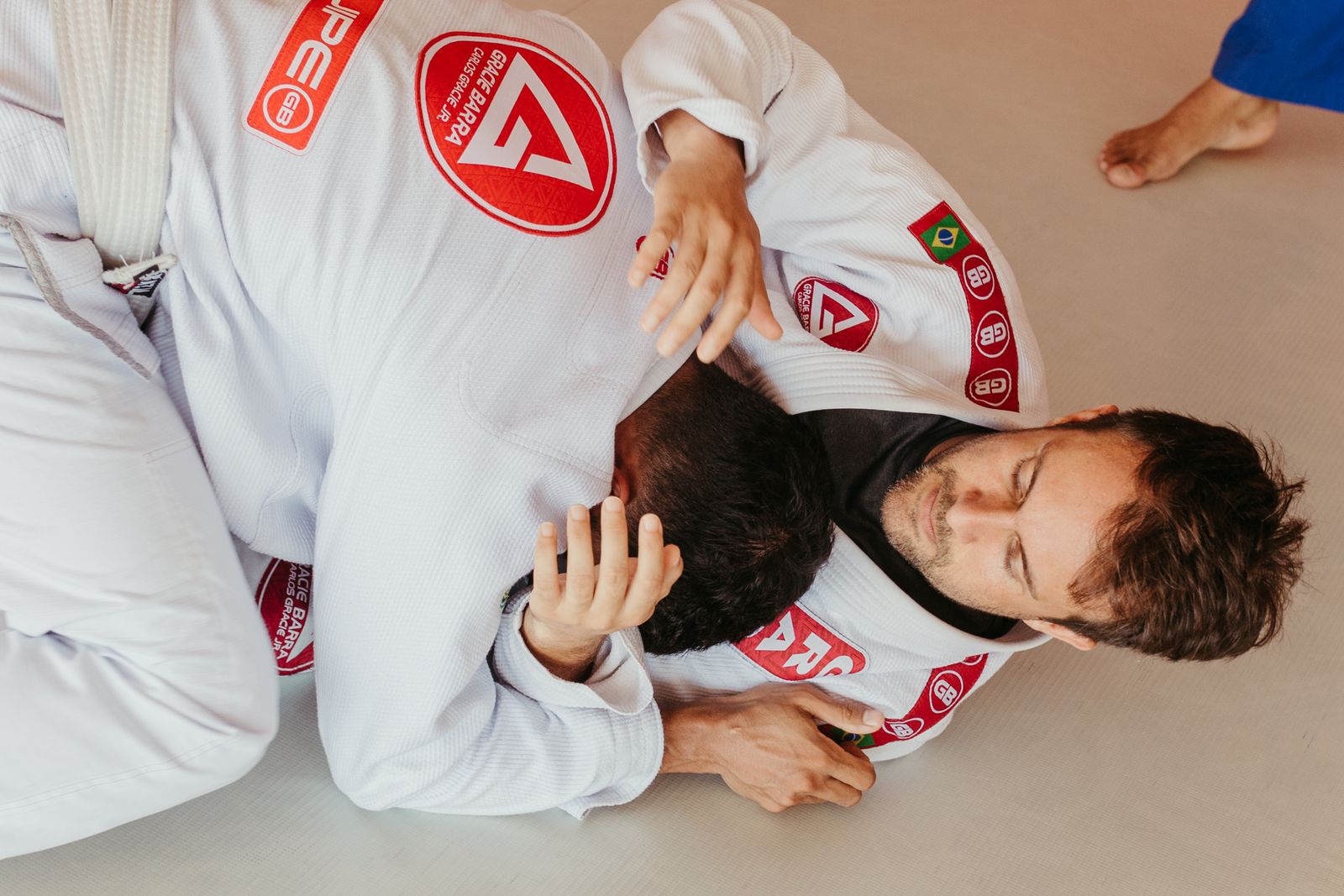
Why Back Control Is the Most Valuable Position in MMA
Back control gives a fighter the most offense with the least danger. From the back you can strike, threaten the choke, and stay glued to an opponent who cannot see you or hit you cleanly. No other dominant spot offers that mix of safety and fight-ending threat all at once.
This is why elite camps drill back-takes as a finishing sequence, not a lucky accident. The submission threat forces the defender to expose their neck to breathe, which opens strikes, which forces movement, which reopens the choke. It is a loop the losing fighter cannot solve. A well-timed heel hook might be flashier, but back control wins more fights precisely because it is so hard to reverse.
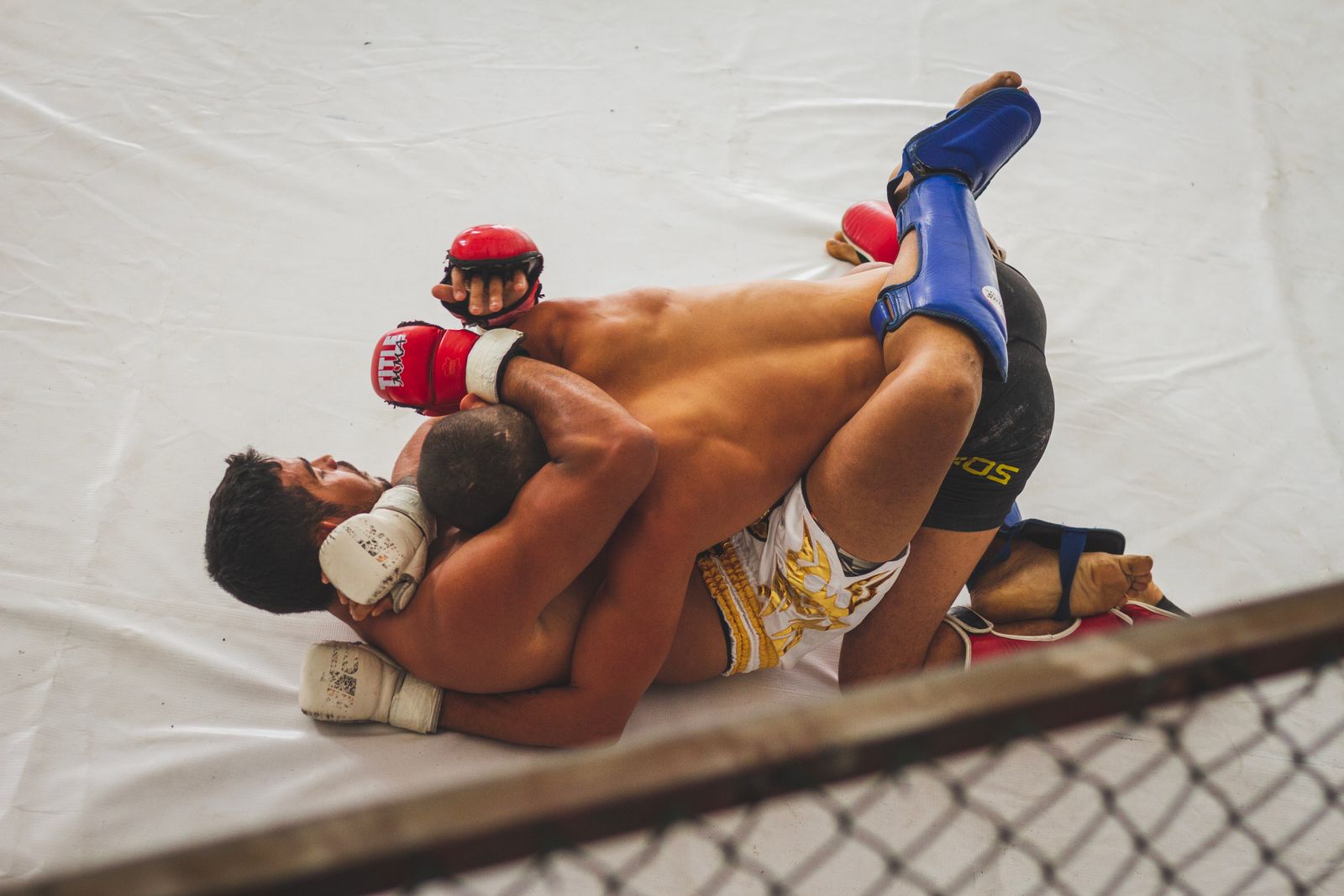
What the Rear Naked Choke Teaches You in TKO Tycoon
Real MMA rewards fighters who chain positions toward the back, and the same logic drives smart roster building in the TKO Tycoon game. A grappler with high wrestling and submission ratings is not just a defensive pick. Those stats are the engine that turns a scramble into a finish, exactly like a real back-take.
The tie-in is simple. Pairing takedown ability with submission skill in a single fighter mirrors the real path to a rear naked choke: get the fight down, ride the hips, climb to the back, close the deal. Build a fighter who can only strike and you have a highlight reel with no floor. Build one who can hunt the back and you have a finisher who wins on the nights the striking does not land.
Frequently Asked Questions
Why is it called a rear naked choke?
The “naked” part means no gi or clothing grip is used, unlike collar chokes in jiu-jitsu. “Rear” refers to applying it from behind, on the opponent’s back. The name simply describes a bare-armed choke taken from the back position.
Is the rear naked choke dangerous or safe?
In trained hands with a fast tap or referee stoppage, it is one of the safer ways to end a fight because it causes no lasting damage. Held too long it is dangerous, since cutting blood to the brain can cause serious harm. In sport MMA the referee stops it the moment a fighter goes limp.
What is the most common submission in the UFC?
The rear naked choke, by a wide margin. It accounts for roughly a third of all UFC submission finishes, far ahead of the guillotine, armbar, or triangle. Its dominance comes from the strength of the back position, not the choke alone.
How do you escape a rear naked choke?
Defend early by fighting the choking arm before it crosses your throat, and keep your chin tucked. Peel the wrist, clear a hook, and turn into your opponent rather than away. Once the arm is locked under the chin, escape becomes very difficult.
References
- Wikipedia: Rear Naked Choke – mechanics, blood-choke physiology, and the 8.9-second average time to unconsciousness
- Evolve MMA: How To Escape The Rear Naked Choke – hand-fighting and early-defense escape principles
- Grapplearts: How to Defend and Escape the Rear Naked Choke – timing, posture, and turning-in defense detail
- Evolve MMA: BJJ 101, The Rear Naked Choke – step-by-step finishing mechanics from back control
Into BJJ? TaipeiBJJ.com covers training resources and BJJ content.
Play TKO Tycoon — the MMA management game for fight fans.
Shop on Amazon
MMA & Boxing Gear on Amazon →
As an Amazon Associate we earn from qualifying purchases.
Shop on eBay
MMA & Boxing Gear on eBay →
We may earn a commission when you shop through our eBay links.