How Do Fighters Cut Weight in MMA? The Brutal Fight-Week Science Explained
Roughly 39% of MMA fighters step into the cage already dehydrated. Not tired. Not nervous. Dehydrated, on fight night, in a sport where the other guy is trying to knock them unconscious. That number should stop you cold, because it means the most dangerous thing a fighter does all week often has nothing to do with the fight itself.
Weight cutting is combat sports’ worst-kept secret. Fans watch a 170-pound welterweight make weight on Friday and fight at 185 on Saturday and assume that’s normal. It isn’t normal. It’s a controlled crisis, run by nutritionists with spreadsheets, and it decides more fights than most highlight reels will ever admit.

What Does Cutting Weight in MMA Actually Mean?
Cutting weight in MMA means dropping body mass fast to hit a division limit at the weigh-in, then gaining most of it back before the fight. Fighters usually shed 5-10% of their body weight in the final week, almost all of it water, then rehydrate hard afterward to fight bigger than their listed class.
Here’s the part casual fans miss: nobody is losing fat during fight week. A camp handles the fat. The final cut is pure water manipulation, a temporary trick played on the body’s plumbing so a fighter can weigh 155 on Friday and step in the cage closer to 170. The whole point is to be the biggest human legally allowed to occupy your weight class.
How Do Fighters Cut Weight Before a Fight?
Fighters cut weight through a staged fight-week protocol: they cut carbs and sodium, drop fiber, then use dehydration tools like saunas, hot baths, and sweat suits to sweat out the last several pounds. The heavy water loss happens in the final 24 to 48 hours before the weigh-in, not across the whole camp.
The sequence usually looks like this. Six or seven days out, the diet strips down: low carbohydrate, low sodium, low residue. Then comes the counterintuitive move that makes the whole thing work.
Water Loading: The Trick That Makes the Cut Work
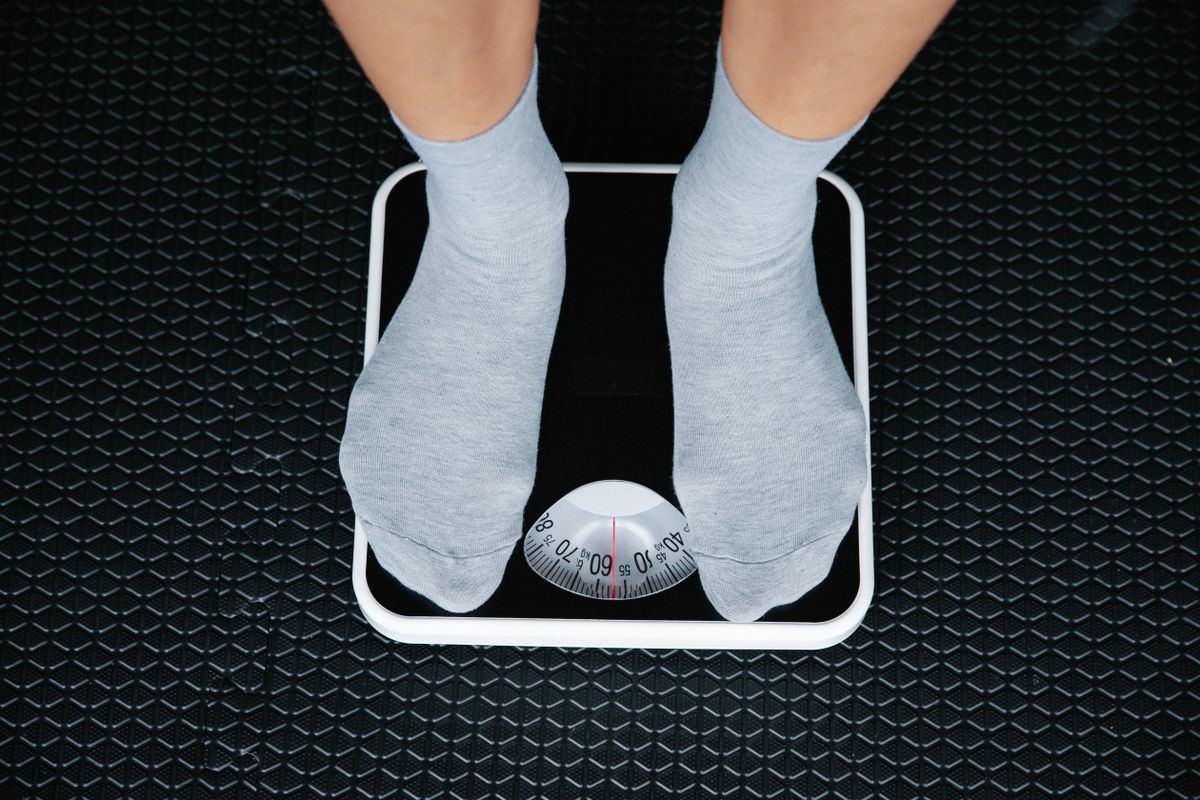
Water loading means drinking large volumes of water early in fight week, sometimes two gallons a day, then sharply cutting intake before the weigh-in. The flood of water ramps up the body’s flushing hormones, and when the fighter suddenly stops drinking, the body keeps expelling fluid on autopilot, dumping weight fast.
It sounds like nonsense until you understand the hormones. Load the body with water for three or four days and it downregulates the systems that hold fluid in. Yank the water away on the final day and those systems are still stuck in “flush” mode. The fighter keeps urinating out weight they haven’t replaced. Stack a hot bath above 42°C on top of that, and the last few pounds sweat off in a bathtub the night before or morning of the weigh-in.
Done right, it’s precise. Done wrong, it’s a hospital visit. The margin between “made weight” and “kidney damage” is thinner than most fans would ever guess, which is exactly why fighters who move up in class, like Robert Whittaker’s jump to light heavyweight, often talk about the cut ending their careers before the punches ever would.
Rehydration: Where Fights Are Actually Won
Rehydration is the recovery window between the Friday weigh-in and the Saturday fight, and it decides how much of a fighter’s real size and power comes back. Fighters reload with electrolyte solutions, salt, and easy carbs like white rice, pulling water back into their muscles. A good rehydration can restore 10 kilograms or more before the first bell.
This is the phase nobody televises and everybody underrates. Two fighters can both weigh 155 on Friday. One rehydrates like a professional and walks in Saturday at 172, sharp and springy. The other guzzles water badly, bloats, cramps, and shows up sluggish. Same weigh-in number, completely different fighter. The cut gets the headlines, but the rehydration wins the fight.

Why Weight Cutting Is the Most Dangerous Part of MMA
Weight cutting is widely considered the single most dangerous part of MMA because severe dehydration strains the kidneys, thins the fluid protecting the brain, and drops performance. Studies link it to kidney damage, hormonal problems, and at least one documented fighter death, and fighters who cut more tend to lose more.
Take the brain risk on its own. Dehydration lowers the cerebrospinal fluid that cushions your brain inside your skull. Fight dehydrated and every clean shot rattles a brain with less padding around it, raising the odds of a knockout or something far worse. Now add the ugliest stat in this whole piece: fighters who cut the most weight lose more often than the ones who cut less. The size advantage everyone chases may be quietly costing them the win.
My take? The sport tolerates this because banning it is hard and enforcing hydration testing is harder. But make no mistake, the scale hospitalizes more fighters than the cage does.

What Weight Cutting Teaches You About TKO Tycoon Strategy
In fight management, weight class is a resource-management decision, not a fixed trait. Cutting a fighter to a lower division buys a size edge but costs stamina, durability, and recovery. Managing that trade-off, size versus conditioning, is exactly the kind of call that separates a good record from a title run.
If you run a stable in the TKO Tycoon game, this logic lands hard. Dropping a fighter a weight class to bully smaller opponents looks smart on paper, right up until his cardio tank empties in the championship rounds and a fresher opponent walks him down. The real MMA lesson is the same one that wins in the game: the biggest fighter in the room is useless if he gassed out making the room. Match your roster to weight classes they can hold without wrecking themselves, and you win more fights than the manager chasing size at any cost.
Frequently Asked Questions
How much weight do MMA fighters cut?
Most fighters cut 5-10% of their body weight during fight week, which is roughly 8 to 20 pounds depending on their division. Almost all of it is water weight, dropped through diet manipulation, water loading, and sweating, then regained after the weigh-in.
Is cutting weight in MMA dangerous?
Yes. Extreme weight cutting is linked to kidney damage, hormonal imbalance, reduced brain protection, and at least one documented fighter death. Many analysts consider it the most dangerous aspect of the sport, more likely to hospitalize a fighter than the fight itself.
How do fighters gain weight back so fast after weigh-ins?
They rehydrate aggressively with water, electrolytes, salt, and easy-digesting carbohydrates like white rice or pasta. These pull fluid back into the muscles and bloodstream, letting a fighter regain 10 kilograms or more in the 24 hours between the weigh-in and the fight.
Why don’t fighters just compete at their natural weight?
Because nearly everyone cuts, so refusing to cut usually means facing an opponent who rehydrated 15-20 pounds heavier. Fighting at your natural weight against a big cutter is a real size disadvantage, which is why the practice persists despite the risks.
References
- Evolve MMA – water loading and rehydration protocol details
- The Conversation – health risks and dehydration research on weight cutting
- Combat Sports Law / UFC Performance Institute – the 10% body-mass fight-week guideline
- Precision Fuel & Hydration – fighter rehydration case study