Jiri Prochazka Fighting Style: The Controlled Chaos That Made a UFC Champion
With two minutes left in round five at UFC 275, Jiri Prochazka was losing on the scorecards against a champion who had never been stopped. Then he sank in a rear-naked choke, finished Glover Teixeira, and became the UFC Light Heavyweight Champion in one of the most dramatic title wins in the promotion’s history. Nobody watching the samurai-tattooed Czech scream at the Prague sky was surprised. They had been watching this coming for three years.
Prochazka’s style defies clean categorization. Coaches who teach fundamentals cringe at his guard, his footwork, his fondness for spinning backward into danger. But there’s a method inside the chaos, and once you see the system, it clicks.
The Samurai Philosophy Behind Every Prochazka Fight
Prochazka has trained extensively in Japan with Grabaka Hitman and absorbed Japanese martial philosophy in a way that goes beyond surface-level branding. His approach is rooted in mushin — acting without conscious thought, letting movement flow from instinct rather than calculation. This matters practically. Most fighters operate from trained responses: if he throws a right hand, I parry and counter. Prochazka operates differently, allowing his body to respond without a decision tree. The result looks sloppy but it’s fast and unpredictable.
He also trains sword fighting — not as a gimmick but as a way to develop wide peripheral vision and distance management. The sword work forces attention on the opponent’s entire body rather than the hands alone. That translates directly into how he reads telegraphing moments in striking exchanges.
Jiri Prochazka’s Spinning Attacks Are Not Gambling — They’re a System
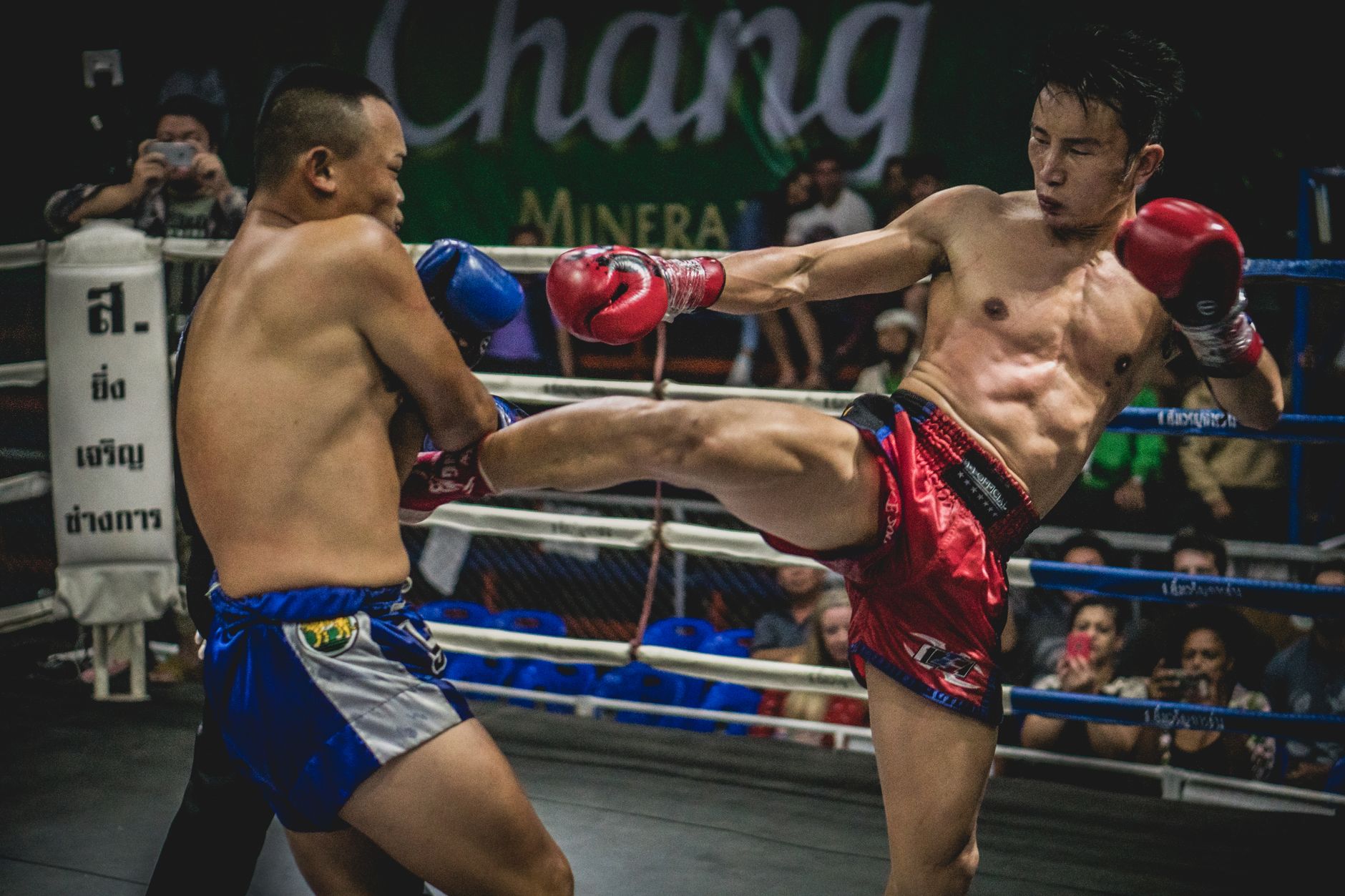
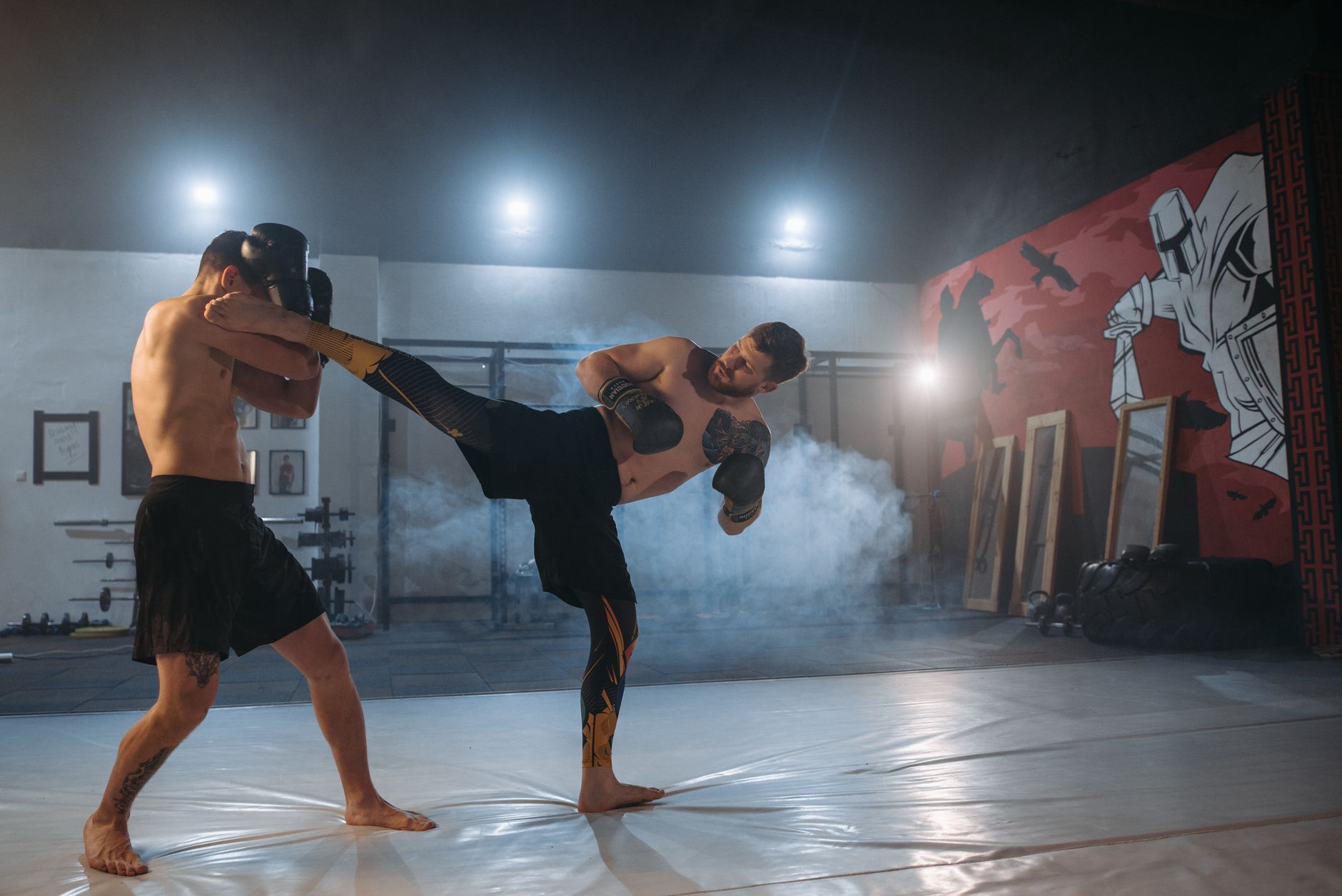
Nobody in the UFC’s 205-pound division throws spinning elbows, back fists, and spinning heel kicks at championship level as frequently as Prochazka. These are considered high-risk for a reason — you turn your back on your opponent, and a miss leaves you exposed and off-balance. He makes them land through obsessive repetition and an unusual sense of timing.
The key is that he doesn’t throw them randomly. He sets them off scrambles, off parries, and off feints that briefly open an opponent’s position. The spinning back elbow has become a signature finishing weapon because he throws it from positions where opponents don’t expect rotation. In his RIZIN career before the UFC, he finished fighters with these techniques at a rate that proved they weren’t desperation shots. He had already drilled them into muscle memory at the highest level of Japanese MMA.
The Zombie Mentality: Why Damage Doesn’t Change His Strategy
Prochazka takes shots. His response to being hurt is often to attack harder, not retreat. This is deliberate — he describes it as willingness to “enter the fire,” and it creates a specific psychological problem for opponents. Most fighters operate on an implicit deal: if I hurt him, he backs off and I take over. Prochazka violates that deal. He pushes forward when rocked, clinches when hurt, counters when you expect defense.
Against fighters who rely on hurt-confirm-finish sequences, this breaks the game plan. You land a clean right hand, confirm it landed clean, move to finish — and he’s already grabbing you or throwing back. The practical cost is accumulated damage over time, but in the short term, it makes him genuinely difficult to finish cleanly with a single exchange. He either clinches to neutralize the moment or throws hard enough that you have to worry about your own position while finishing him.
Prochazka’s Grappling: The Underrated Half of His Championship Run
His ground game doesn’t get the attention it deserves. Prochazka finished one of the most dangerous submission artists in the division’s history — Glover Teixeira — with a rear-naked choke in the fifth round. He has a genuine command of leg locks and upper-body submissions, and his transitions from striking to the clinch to the mat connect naturally without appearing to be a separate game mode.
When he takes damage, he doesn’t panic and run. He clinches. From the clinch he’s comfortable dragging opponents down or pulling guard. He has solid defensive wrestling against pure takedown artists. He’s not going to get dismantled against the wall like certain other striker-archetypes do when grapplers get their hands on him.
What Alex Pereira Exposed About Prochazka’s Style
The answer to Prochazka’s chaos is overwhelming power combined with the willingness to walk into his attacks to land yours first. Alex Pereira figured this out. Pereira’s left hook is the most dangerous single strike in the 205-pound division, and he accepted Prochazka’s incoming fire rather than trying to time him cleanly. He treated every exchange as a trade where his power advantage would win. It worked.
The weakness in Prochazka’s style is that the zombie mentality breaks down at the highest power threshold. When someone hits hard enough, the forward pressure becomes pure damage he can’t absorb and attack through simultaneously. His chin, while durable by any normal standard, is not limitless against a once-in-a-generation puncher.
The good news for Prochazka: Pereira is exceptional. The specific combination of one-shot power and composure required to beat Prochazka this way is rare at 205 pounds. Most of his opponents don’t have Pereira’s left hook. You can read more about what makes that striker tick in this breakdown of Alex Pereira’s fighting style.
Where Jiri Prochazka Fits in the LHW Division Right Now
Despite the losses to Pereira, Prochazka remains one of the most compelling fighters in the light heavyweight division. His style produces finishes — he has never gone to a decision in his UFC career. His willingness to fight anyone at any time keeps him permanently relevant in a division that needs personalities.
The fighters who give him trouble are the ones who combine elite power with clean timing. Wrestlers and volume strikers tend to play into his game. He’s not going to get outworked — he doesn’t fight that kind of fight. The question for him going forward is whether his chin holds up through another title run, or whether the accumulated damage from his career style catches up.
If you want to test a Prochazka-style fighter — aggressive, high-risk, no decision mode — TKO Tycoon lets you build exactly that archetype and see how it holds up against every type of opponent the game throws at you.
Frequently Asked Questions About Jiri Prochazka’s Fighting Style
What martial arts background does Jiri Prochazka have?
Prochazka’s base is Muay Thai and kickboxing, refined through extensive training in Japan with Grabaka Hitman. He also incorporates Japanese martial arts philosophy and sword fighting into his training, which shapes his distance management, wide peripheral vision, and the mushin (no-mind) approach he brings into competition.
Why does Prochazka use so many spinning attacks in MMA?
Prochazka has drilled spinning elbows, back fists, and heel kicks to the point they’re reliable weapons, not gambles. He sets them up off scrambles, parries, and feints that create brief positional windows. His RIZIN finishing record demonstrated these techniques were fight-ending tools at a high level long before he joined the UFC.
What is Jiri Prochazka’s biggest weakness as a fighter?
His forward-pressure style means he absorbs significant damage, and his chin — while durable — has limits at the highest power threshold. Fighters who combine knockout power with clean timing, like Alex Pereira, can catch him while he’s walking in. He also overcommits on spinning techniques occasionally, briefly exposing his back when they miss.
Has Jiri Prochazka ever gone the distance in the UFC?
No. Every UFC fight in Prochazka’s career has ended by finish — either his own KO or submission victories, or the stoppage in his fights against Pereira. This is a direct product of his all-or-nothing style: he prioritizes aggression and the finish over safety and points accumulation.
References
- UFC.com — Jiri Prochazka official profile — career record, fight history, and stats
- MMA Fighting — Prochazka wins LHW title at UFC 275 — analysis of the Teixeira finish
- ESPN MMA — UFC 295 results and analysis — breakdown of what Pereira exposed