Leon Edwards Fighting Style: How Rocky Built a Champion (and What Prates Exposed)
The head kick that floored Kamaru Usman at UFC 278 — landed in the final minute of round five, while Edwards was reportedly losing on the scorecards — is one of the most dramatic finishes in welterweight history. It also told you everything about how Leon “Rocky” Edwards fights. He doesn’t need to dominate. He just needs to wait, accumulate, and then detonate.
That style carried him to the UFC welterweight title and through multiple defenses. Then Carlos Prates came along in 2026 and cracked the formula. Now Rocky is plotting a comeback — and understanding his style is the first step in figuring out whether that comeback makes sense.
The Counter-Striking Foundation at the Core of Leon Edwards’ Style
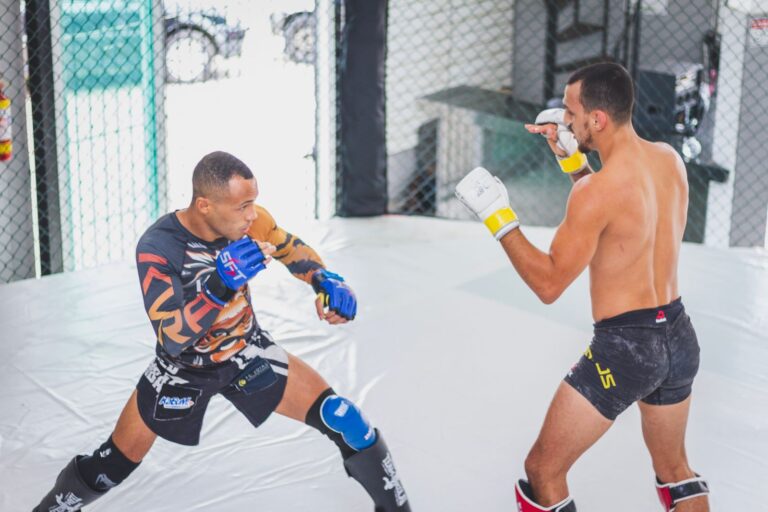
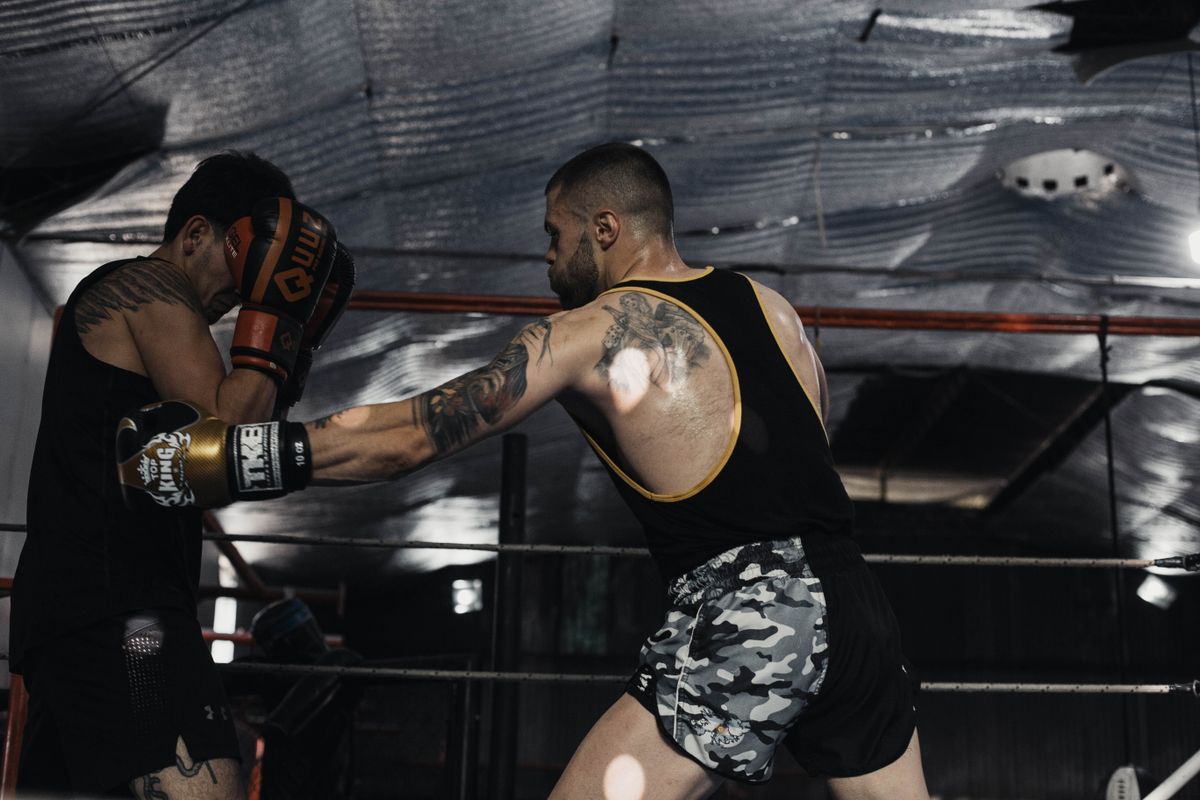
Leon Edwards is a volume counter-striker who wins by making opponents pay for their aggression. He doesn’t chase fights. He invites pressure, creates opportunities off that pressure, and punishes over-extension with crisp, accurate shots — often to the body as much as the head.
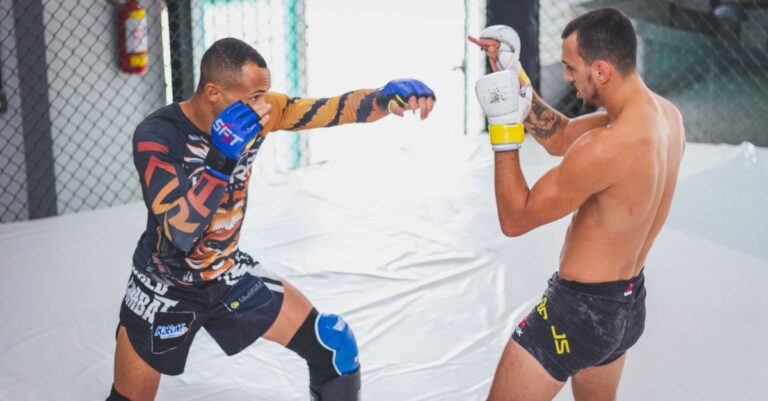
The technical fingerprints are clear: educated jab to control distance, rear straight to the body to drain energy over rounds, check left hook to catch opponents loading up. His combinations are short — two or three shots — but they land clean because he’s positioned himself so precisely that counters almost fire automatically. There’s a mechanical efficiency to Edwards that most fighters at his level don’t have.
What separates him from other counter-strikers is his composure under fire. He doesn’t panic when opponents close distance. He doesn’t brawl. He clinches intelligently, works back to range, and resets. It took years of painful losses — the infamous “L” against Vicente Luque in 2016 — to build that discipline. Once it clicked, he became nearly impossible to finish in the pocket.
Leon Edwards’ Kicking Arsenal — More Than Just That Head Kick
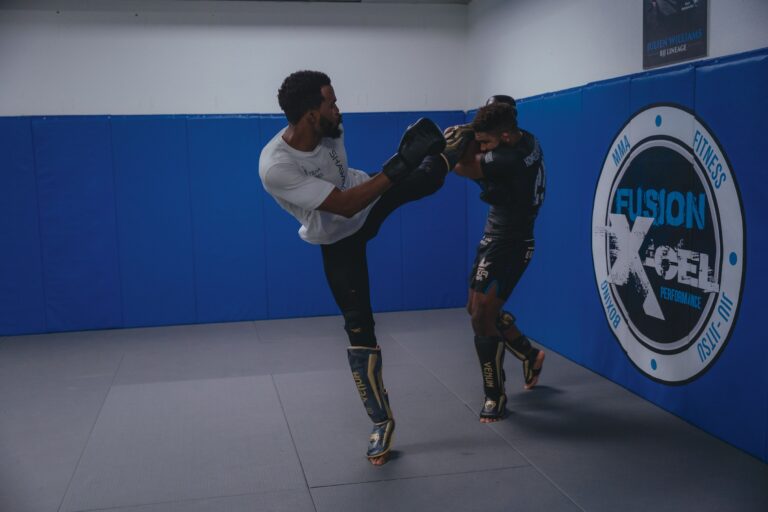
Rocky throws more kicks than most of his welterweight peers, and he throws them well. His signature is the switch kick to the body, which he disguises with footwork before landing flush. He uses the teep (front kick) constantly to reset distance, and his calf kicks are among the more consistent in the division.
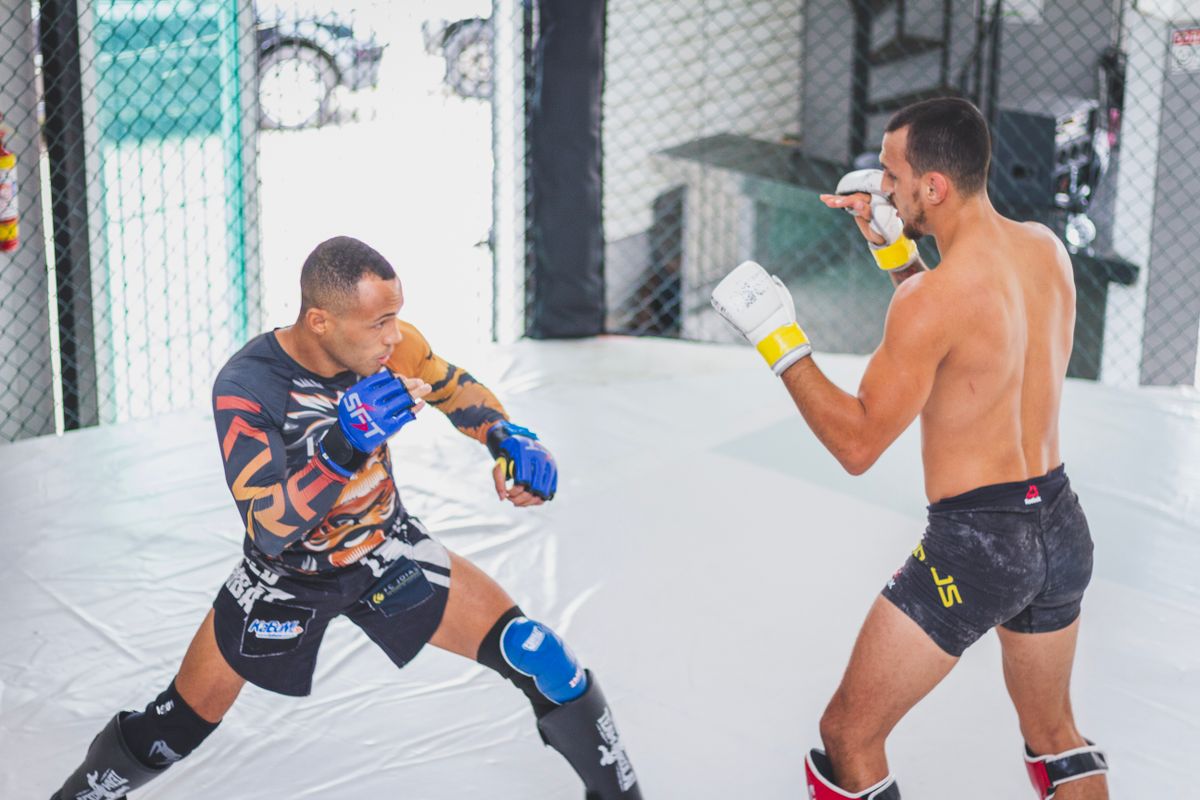
The head kick is obviously the highlight reel weapon — but it’s worth noting how rarely he telegraphs it. Against Usman, it landed because Usman was conditioned to track the same setup and Rocky changed the height. He does this constantly: show a pattern, then violate it. Fights later in his career featured multiple rounds of body kicks before a head kick attempt. By the time it comes, opponents have been trained to drop their guard to protect the ribs.
The problem is he doesn’t throw kicks in combinations very often. He treats them as standalone statements rather than flowing weapons. Against someone like Prates, who has devastating counter-striking of his own, that habit made the kicks easier to time.
Range Control and Footwork That Defined a Championship Career
Leon Edwards’ footwork is underappreciated. He’s not flashy — no spinning or jumping — but his lateral movement and angle-cutting are precision tools. He controls the center of the cage without being obvious about it, pushing opponents to the fence with small pivots rather than direct pressure.
His range management is particularly sharp. He fights at the exact distance where his jab and rear straight land at full extension but his opponent’s shots fall slightly short. Getting inside that distance requires a commitment that Edwards is very good at punishing. Getting outside it means eating the teep.
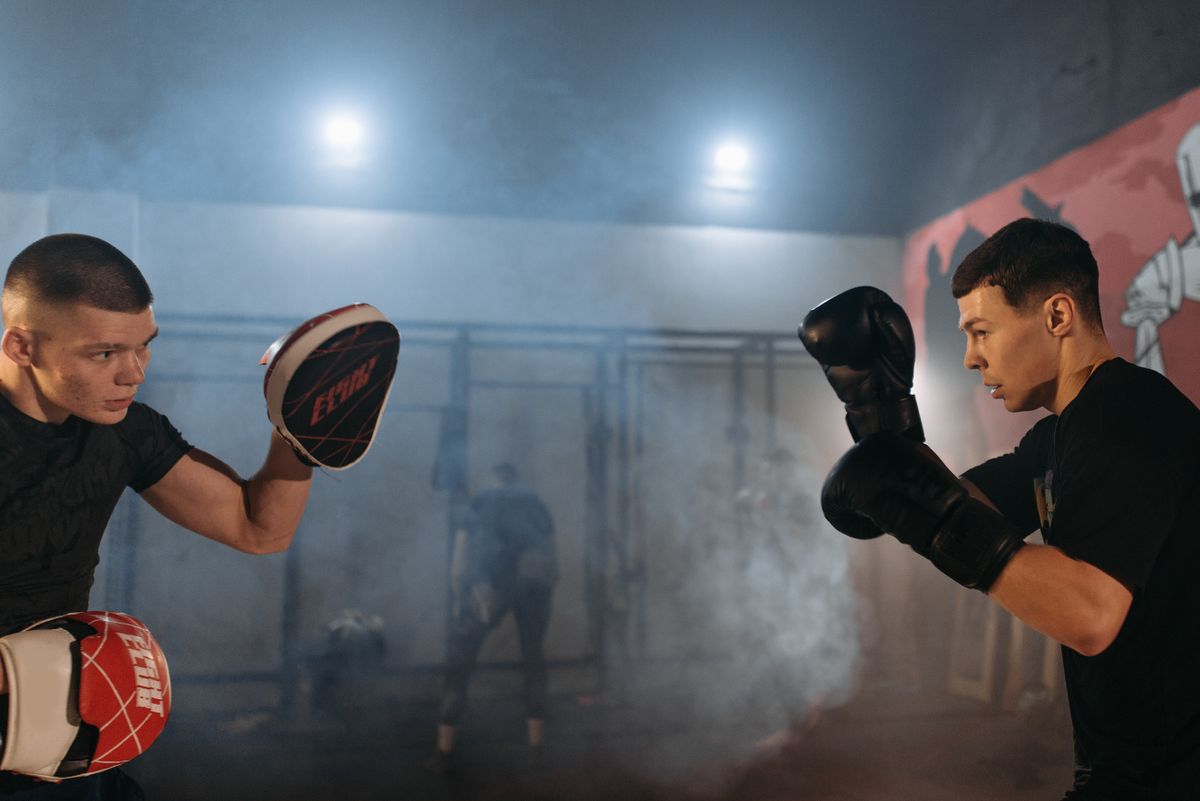
The Colby Covington fight demonstrated this perfectly. Covington is relentless with forward pressure and double-leg attempts, but Edwards neutralized most of it by making his footwork unpredictable. He changed levels, changed angles, and consistently reset to range before Covington could chain his wrestling. It wasn’t dominant, but it was sufficient — and sufficient is often all Rocky needs.
Takedown Defense and Grappling — The Underrated Safety Net
Leon Edwards’ wrestling defense is elite. His sprawl timing is excellent, his underhook battles are sharp, and he clinches intelligently when takedowns look unavoidable. In 32 UFC fights, he’s been taken down rarely enough that it’s almost a non-factor in most matchups. Against Usman — arguably the greatest UFC welterweight wrestler ever — he held his own on the feet and avoided the takedowns that typically define Usman’s wins.
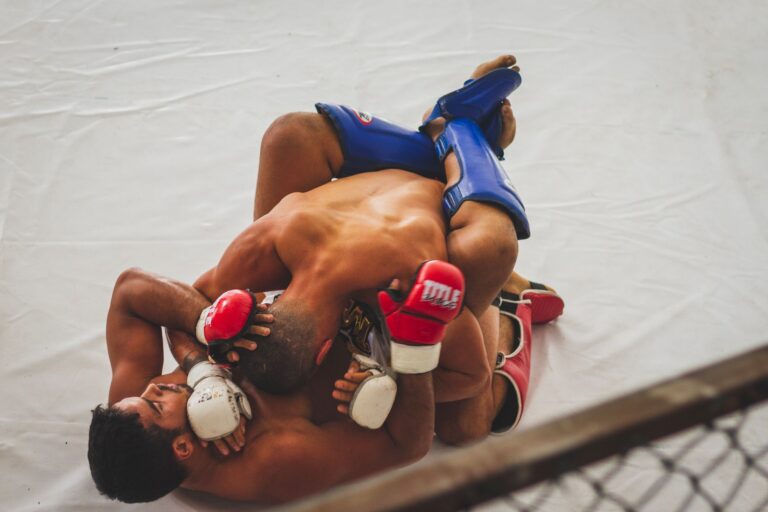
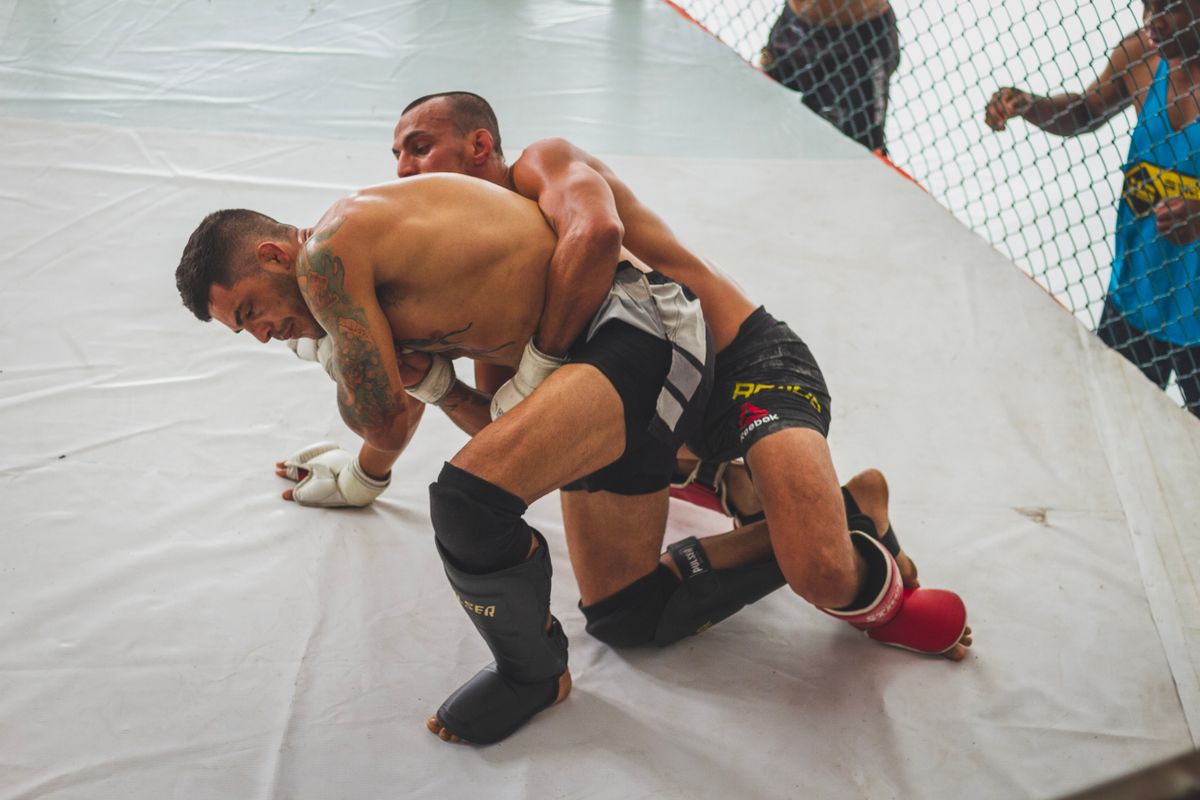
On the ground, Rocky is competent but not dangerous. His guard work is functional, his sweeps are basic, and he doesn’t threaten submissions. He’s built to be on his feet, and his defensive grappling exists to return him there — not to threaten opponents from the bottom. That’s a limitation he’s managed well, but it’s there.
How Carlos Prates Exposed the Gaps in Leon Edwards’ Style
The Prates loss was instructive. Carlos Prates is a counter-striker too, but a more offensive one — he initiates more, he switches stances unpredictably, and his power from either hand is genuine. Against someone who counter-punches for a living, the question is always: what happens when your opponent is also waiting for counters?
Prates solved the Edwards puzzle by loading up on single-shot power throws — specifically the switch-stance left hook — after feinting Rocky into a committed rear straight. Edwards committed to his counters too hard and left himself out of position. His footwork, which is designed to be proactive, became reactive. Once Prates established that pattern, it was only a matter of time.
The other gap Prates targeted: Edwards’ head movement off the centerline. Rocky doesn’t duck or weave much — he relies on range to avoid shots. When Prates closed distance with combination pressure, Edwards had no real head movement to fall back on. He stood in the blast radius and paid for it. You can read a deeper breakdown of how Prates does his damage in our Carlos Prates style analysis.
Rebuilding Rocky: What Leon Edwards Needs in 2026
Edwards is 35 in 2026. The window is real but not slammed. A few things would meaningfully strengthen his game coming back from the Prates loss:
- Head movement off the center: He needs to slip outside more, particularly to his left when opponents load the right hand. It’s the most obvious fix and the hardest to engrain after a decade of drilling the other way.
- More combination variety: Rocky ends combinations too early. An extra shot — especially a body shot finish — would keep opponents guessing longer and create more late-fight damage.
- Offensive initiating: His counter-first approach makes him readable against other patient fighters. More traps and feints designed to draw specific counters would give him better reads on match-specific opponents.
The base is still there. The footwork, the range control, the takedown defense — those don’t leave overnight. If Rocky can patch the head movement and become slightly less predictable in how he ends sequences, he’s still a top-three welterweight on any given night.
How to Use Leon Edwards’ Style in TKO Tycoon
In TKO Tycoon, the Edwards archetype rewards a specific build: high striking technique, above-average speed, and solid stamina, but not necessarily power-first. Here’s how to replicate his game:
- Max your counter-strike rating: The entire Edwards game is built on punishing opponent aggression. Counter-strike efficiency is your primary stat investment.
- Invest in kicking technique: Rocky’s kicking arsenal — body kicks especially — drains opponent stamina over rounds. That sets up late finishes.
- Don’t neglect takedown defense: Your ground game doesn’t need to be a weapon, but it needs to be solid enough to return the fight to the feet consistently. A single-leg sprawl training module pays dividends against wrestlers.
- Cardio over power: Edwards fights 25-minute wars. Stamina allows you to stay sharp in rounds four and five, when the head kick opportunity presents itself. Power-first builds burn out before those opportunities arrive.
The big lesson from the Prates loss applies in-game too: if your opponent is also a counter-striker, you need an initiating option. Don’t let TKO Tycoon fights become staring contests where whoever blinks first loses.
Frequently Asked Questions About Leon Edwards’ Fighting Style
What is Leon Edwards’ fighting style?
Leon Edwards is a technical counter-striker with an excellent kicking game and elite takedown defense. He controls range with his jab and teep, punishes opponent aggression with rear straights and body kicks, and is disciplined enough to avoid brawling exchanges. His style rewards patience — he tends to get better as fights go later.
What martial arts does Leon Edwards train?
Edwards trains Muay Thai, boxing, and wrestling. His striking is rooted in Muay Thai clinch work and kickboxing, while his wrestling defense has been developed through years of MMA training. He’s not a submission specialist, but his ground defense is strong enough that opponents rarely threaten him there.
How did Carlos Prates beat Leon Edwards?
Prates exploited Edwards’ habit of committing to counters too hard, catching him with a switch-stance left hook after feinting the rear straight. He also pressured Edwards into exchanges where Rocky’s lack of head movement became a liability — Edwards relies on range rather than evasion, and Prates closed that range effectively.
Can Leon Edwards win a UFC title again?
At 35, Edwards still has the technical foundation to compete at the top of the welterweight division. Whether he can reclaim a title depends on whether he makes meaningful adjustments — particularly better head movement and more offensive variety. His base skills haven’t degraded; the question is adaptability.
Think you can manage the next Leon Edwards?
Build your welterweight contender in TKO Tycoon — guide them from regional shows to world title contention. Counter-striking builds are some of the most satisfying in the game.
References
- MMA Fighting — Leon Edwards fighter profile and career record
- ESPN MMA — Leon Edwards stats and fight history
- UFC.com — Official Leon Edwards athlete profile