Ilia Topuria Fighting Style: The Two-Weight Champion Who Finally Met His Match
At UFC 298 in February 2024, Ilia Topuria landed a left hook on Alexander Volkanovski that dropped the featherweight champion clean. Twenty-two months later, he had two UFC championship belts and a spotless professional record. Then Justin Gaethje walked him down in round four at UFC Freedom 250 and the corner threw in the towel.
That arc — from unknown Georgian prospect to two-division champion to first-ever loss — is the story of a fighter whose style was so good it worked until it ran into someone who mirrored it back. Understanding Topuria’s game tells you a lot about what a complete modern MMA fighter actually looks like, and where even the best blueprints have a ceiling.
Topuria’s Boxing Is Built Directly on Canelo’s Blueprint
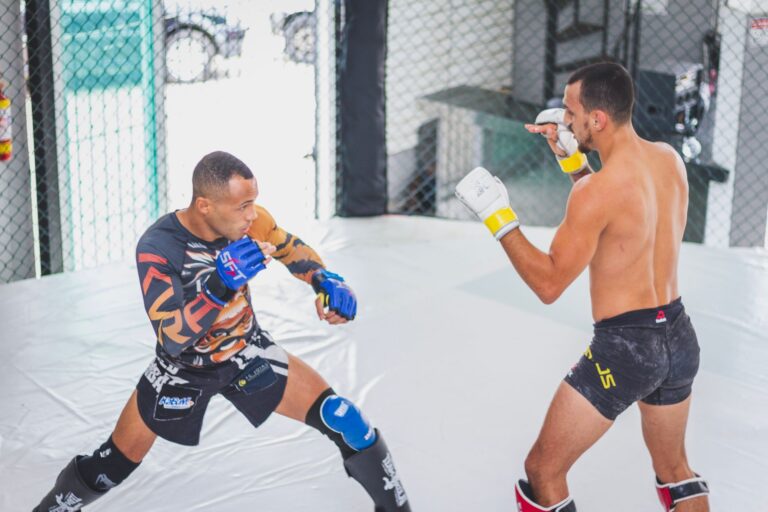
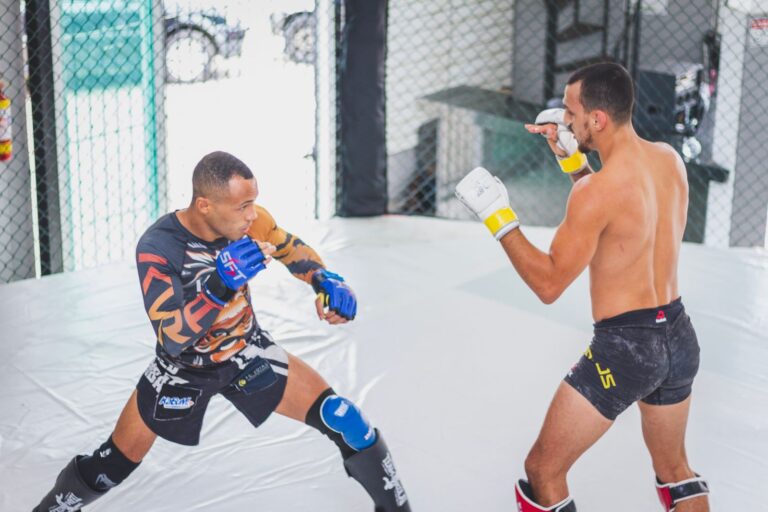
Topuria fights with a tight, high guard and slips punches rather than evading them with footwork. He’s said publicly that Canelo Álvarez is his boxing model, and you can see it: short combinations, shoulder rolls on incoming shots, and a preference for fighting at close range where his power is maximized rather than at the end of long strikes where he’d be more exposed.
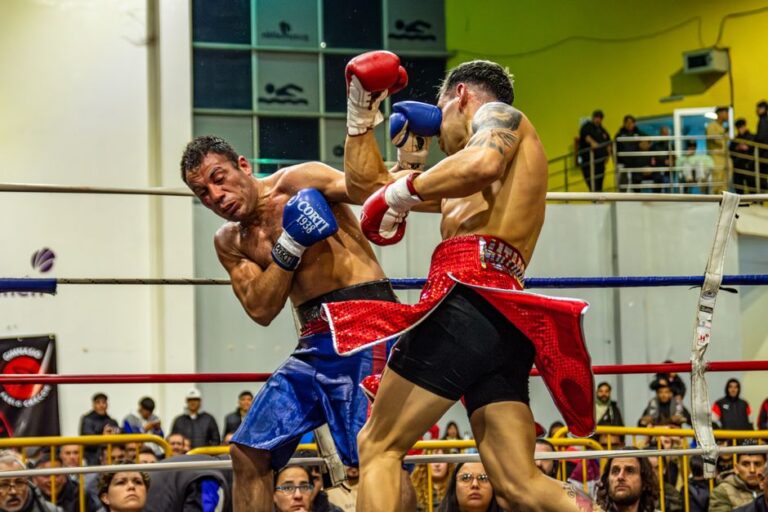
The jab is a control tool, not a scoring weapon. Topuria uses it to measure distance and dictate tempo — setting the rhythm before he breaks it. When he does break it, it’s almost always the left hook. Seven knockouts in his career. Five of them were fighters who thought they were safe until they weren’t. Volkanovski, then considered the pound-for-pound best on the planet, went to sleep on his feet from one clean left hook in round two at UFC 298. Max Holloway — the man who’d taken everything the division had thrown at him — couldn’t survive it either at UFC 308.
The hook isn’t just power. It’s timing. Topuria waits for a specific moment: when the opponent is either loading their own punch or stepping into range. He’s not hunting recklessly. He’s collecting information and spending it at exactly the right moment.
The Calf Kick: The Setup That Makes the Left Hook Work
Before Topuria loads up on the hands, he targets the lead leg. His calf kick is consistent, accurate, and thrown to the exact spot on the peroneal nerve that turns a leg into a liability. Three or four calf kicks in and the opponent’s plant foot starts betraying them — they can’t pivot cleanly, they second-guess their footwork, and the small window to step off Topuria’s hook closes even further.
This is the kind of setup that gets missed in highlight reels because the knockouts look clean and sudden. They’re not. They’re the result of an opponent who’s already compromised — a fighter whose legs aren’t fully reliable, whose defensive movement has been narrowed, who’s thinking about the leg rather than the right hand that sets up the hook.
Topuria doesn’t announce his combinations. He builds the conditions for them fight-by-fight, round-by-round, kick-by-kick.
Elite BJJ That Forces Opponents Into Impossible Choices
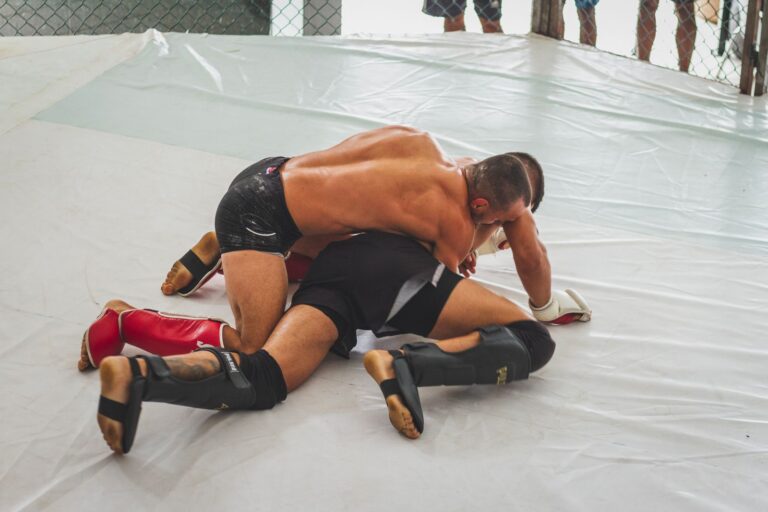
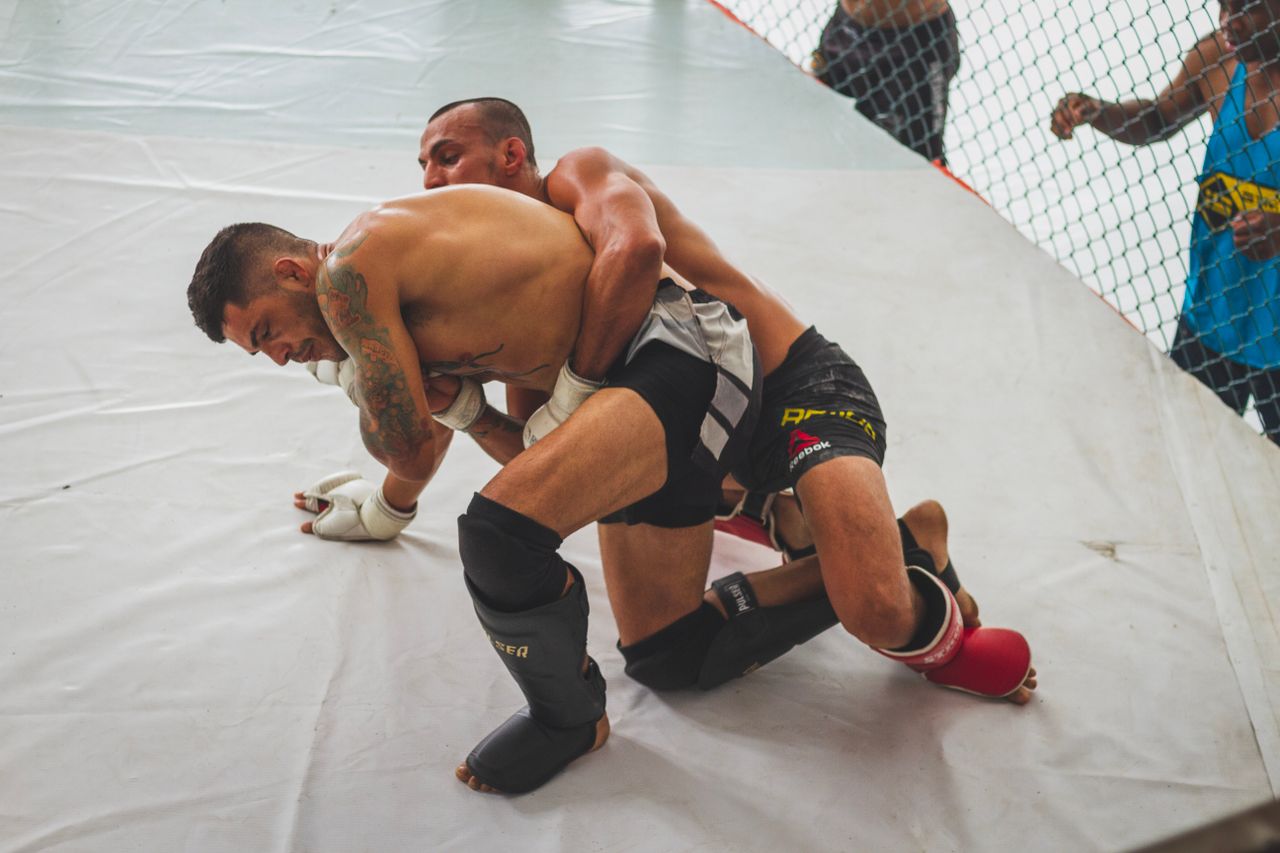
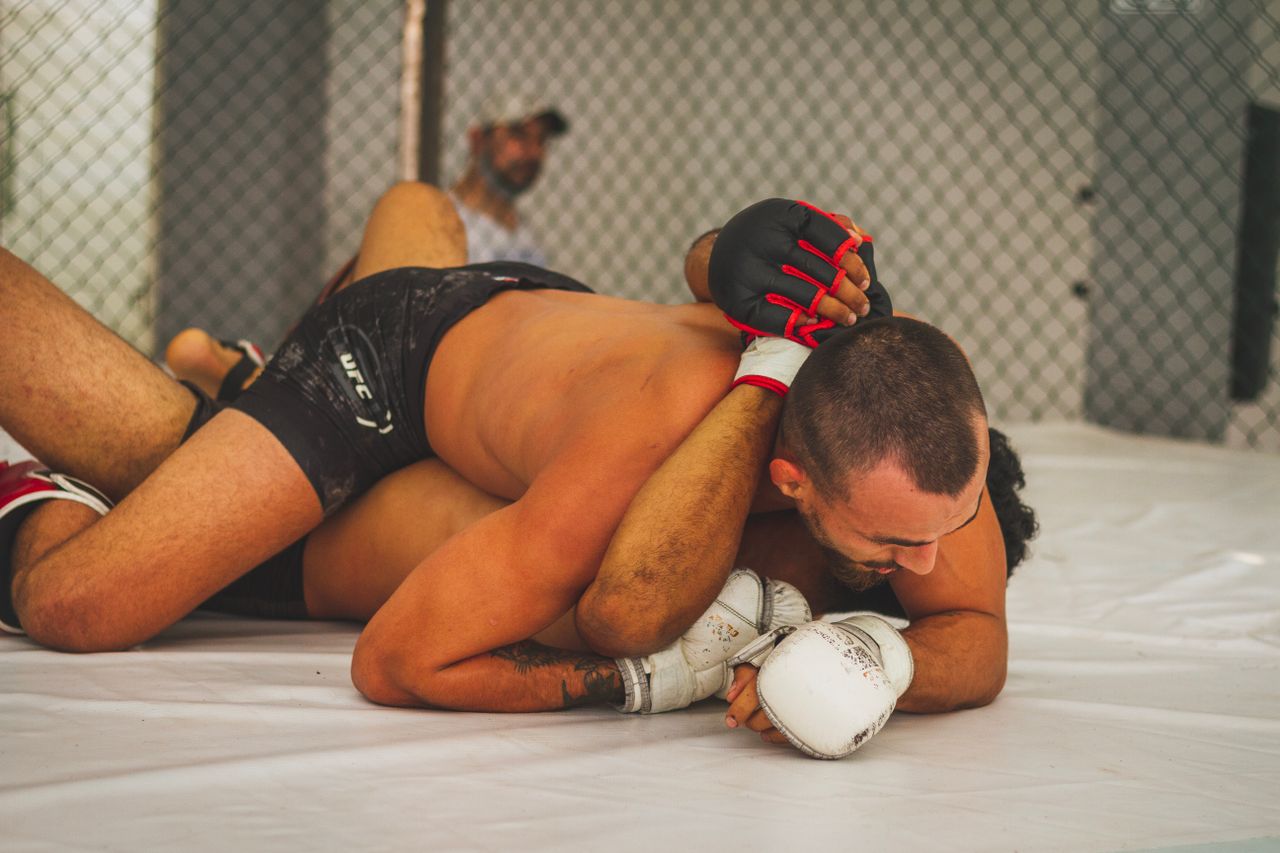
Eight of Topuria’s 17 wins are submissions. Triangle choke, rear-naked choke, guillotine, anaconda choke, arm triangle. This is a genuine black belt — not a striker who “also grabs people.” The grappling is a primary threat, not supplementary insurance.
The intelligent part of Topuria’s design is how striking and grappling reinforce each other. If you watch his hands too closely, you miss the body lock entry. If you load up with your own shots trying to beat him to the punch, you walk into a takedown. The opponent is constantly solving the wrong problem.
When he does get to the ground, there’s no comfort zone. Topuria moves fluidly from position to position, attacks submissions from disadvantageous spots, and has finished fights from places where most fighters would stall. The variety of his submission wins isn’t an accident — it reflects a genuine technical education on the mat rather than a few reliable moves drilled until they’re automatic.
Forward Pressure and Fight IQ as Weapons in Themselves
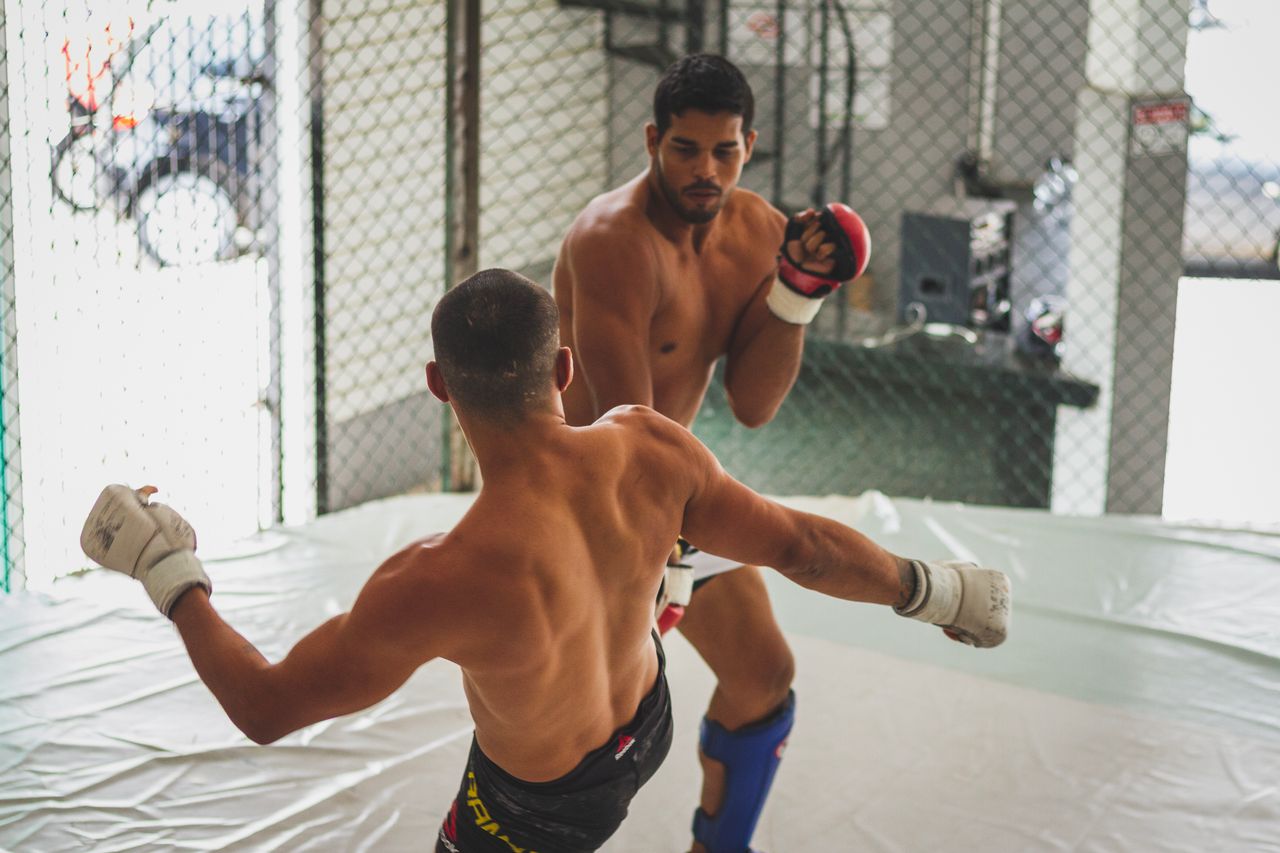
Topuria controls fights before the exchanges happen. His forward movement is deliberate — not reckless aggression, but methodical cage cutting that limits exit angles. He doesn’t rush; he closes space gradually, and by the time most fighters realize they’re pinned against the fence, the options are already narrowed to react or absorb.
His fight IQ shows up in the moments between exchanges. Topuria doesn’t coast on rounds he’s winning — he maintains presence, stays in range, keeps the threat live. That sustained pressure has a psychological cost that accumulates across rounds. By the time a fighter has spent three rounds managing all the problems Topuria presents, their decision-making bandwidth in round four is significantly reduced.
This is what separated him from elite competitors for most of his career: he didn’t just have weapons, he had a system for deploying them that steadily degraded the opponent’s ability to respond.
What the Gaethje Fight Actually Revealed About Topuria’s Ceiling
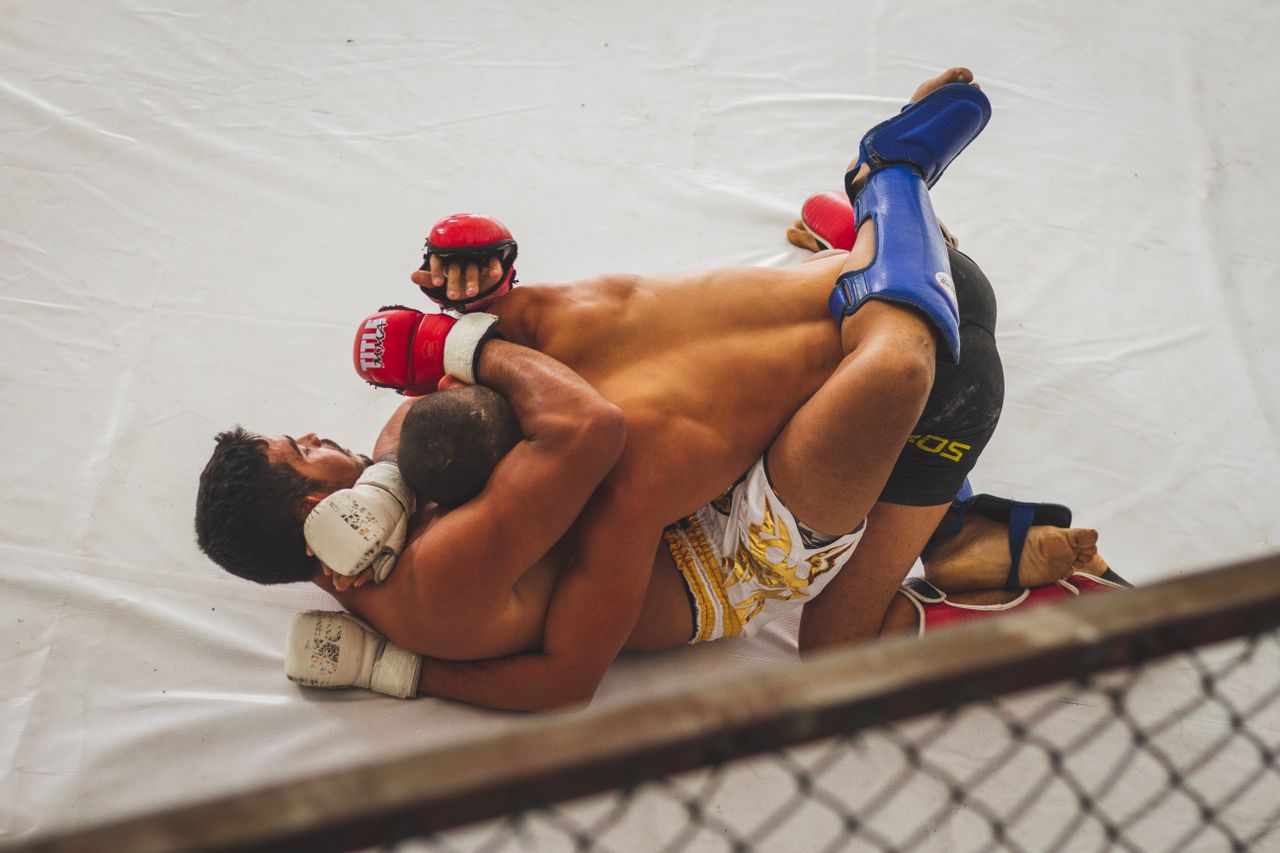
The corner stoppage at 5:00 of round four at UFC Freedom 250 ended Topuria’s run as lightweight champion, and it’s worth examining what Gaethje actually did. Because it wasn’t a single adjustment — it was a sustained exposure of how Topuria’s system responds to someone who can implement it better.
Gaethje’s own style is built on the same pillars: relentless forward pressure, leg kicks, short-range power strikes, and a willingness to accept damage in exchange for position. When a fighter runs a pressure-based system into another pressure-based system with more durability, something has to give.
Gaethje’s leg kicks matched and exceeded Topuria’s calf kick volume. His chin held up through the early rounds when Topuria was landing his best work. And by the fourth round, the conditions that Topuria usually creates — a compromised opponent with limited options — were inverted. The corner didn’t throw in the towel because Topuria was badly hurt in an obvious way. They stopped it because the trajectory was clear.
Topuria’s style is not broken. But Gaethje identified the specific opponent profile that breaks it: a durable pressure fighter who can absorb punishment longer, throw volume at the same rate, and wait for the system to deteriorate rather than survive it.
How Topuria’s Fighting Style Maps to TKO Tycoon Strategy
The core of Topuria’s game — use kick damage to compromise the opponent’s movement, threaten two separate finish paths to drain their decision-making, apply sustained pressure to degrade performance across rounds — is exactly the strategy that TKO Tycoon rewards in its management system. Stamina management, multi-round threat deployment, knowing when to convert a takedown versus pressing the striking advantage: these are the same variables Topuria manipulates in real MMA.
His career also demonstrates something useful for game strategy: a technically superior fighter with a complete system can still lose when the opponent is physically built to absorb that system’s best outputs. Matching style to opponent isn’t just a real-world principle — it’s the edge that separates good TKO Tycoon players from great ones.
Frequently Asked Questions About Ilia Topuria’s Fighting Style
- What is Ilia Topuria’s fighting style?
- Topuria blends Mexican-style boxing — tight guard, left hook power — with elite Brazilian Jiu-Jitsu and consistent calf kick setups. His style relies on forward pressure, seamless strike-to-grapple transitions, and a submission threat that forces opponents to make bad decisions on the feet.
- How many knockouts does Ilia Topuria have?
- Topuria has seven knockout wins in professional MMA. His highest-profile stoppages include Alexander Volkanovski (UFC 298) and Max Holloway (UFC 308), both finished with the same left hook combination he’s used throughout his career.
- Who beat Ilia Topuria?
- Justin Gaethje stopped Topuria via TKO (corner stoppage) at 5:00 of round four at UFC Freedom 250 on June 14, 2026. Gaethje took the UFC lightweight title in the process. It was Topuria’s first professional loss.
- Is Ilia Topuria a BJJ black belt?
- Yes. Topuria holds a BJJ black belt and has eight submission wins across his career. His submission repertoire includes triangle choke, rear-naked choke, guillotine, anaconda choke, and arm triangle — genuine technical variety, not a single go-to move.
References
- Evolve Daily — Analyzing Ilia Topuria’s Style of Fighting — technical breakdown of Topuria’s striking and grappling base
- UFC.com — Ilia Topuria Official Profile — official fight record and stats
- Sherdog — UFC Fight Night 283 — event and fighter context for current UFC landscape