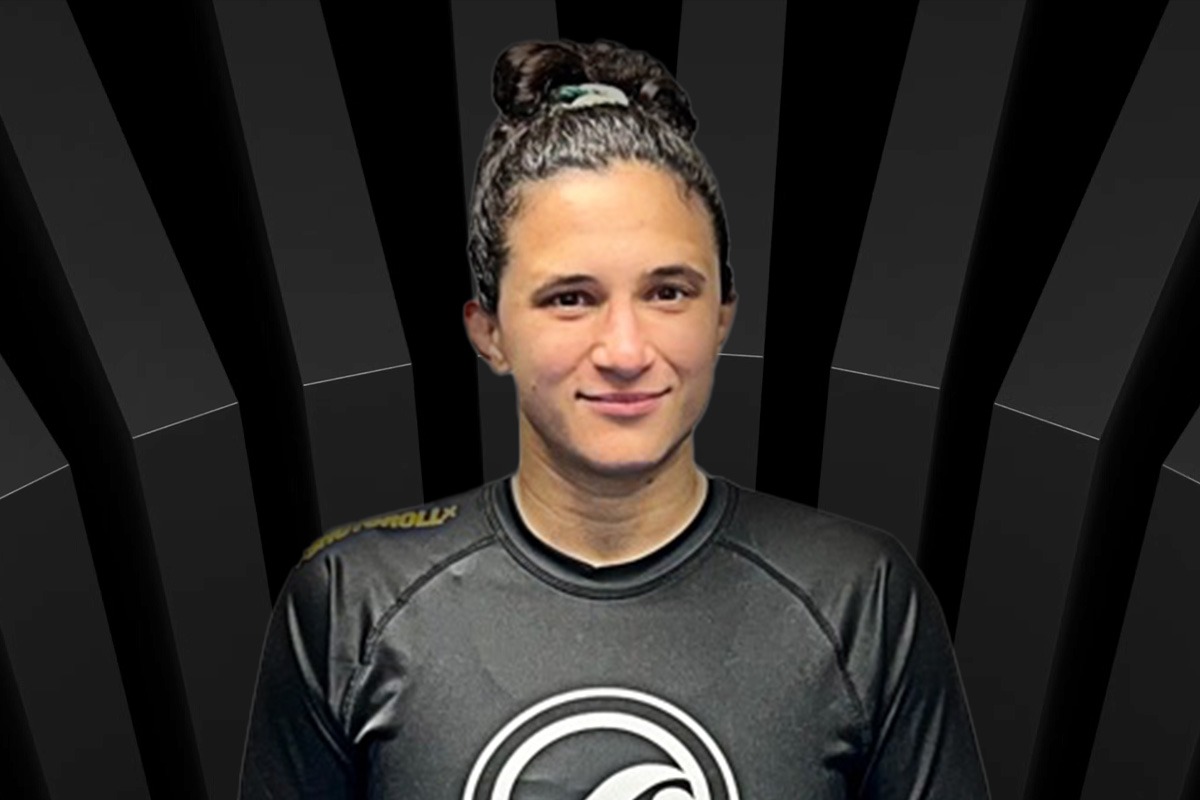
Shoyoroll Backlash: BJJ Community Slams Brand’s Rashguard Ad
Within an hour of Shoyoroll posting its ROAN TVT campaign, the top comment wasn’t about the fabric, the cut, or the price. It was “we’re going backwards” — five words that summed up how fast the Shoyoroll backlash spread, and how a 15-year-old jiu-jitsu apparel brand torched a chunk of its own credibility with one Instagram reel.
Shoyoroll built its name on ranked rashguards and IBJJF-approved gis, the kind of gear serious competitors actually queue up to buy at Jiu-Jitsu CON. So when the brand’s marketing team put out a campaign that looked more like a swimwear ad than a training-gear ad, the sport’s own community didn’t let it slide.
What Shoyoroll Actually Posted
The campaign was built around the ROAN TVT, a new rashguard in Shoyoroll’s lineup. The Instagram post featured a model wearing the rashguard in a noticeably loose, braless silhouette — a styling choice with no functional basis in how the garment is used. Rashguards exist to be tight. That’s the entire point of the product category: a compression layer that stays in place through scrambles, sweeps, and hours of grip fighting, not something that shifts or gaps mid-roll.
Comments on the post filled up fast, and the tone was consistent rather than scattered. “This is so weird with everything that’s happened in the community the past couple years,” one commenter wrote, tying the ad directly to a period where BJJ gyms have been reckoning publicly with a wave of coach and instructor misconduct cases. Against that backdrop, an apparel brand leaning into a sexualized look for its women’s gear landed as tone-deaf at best.
The Pushback Was Immediate — and Specific
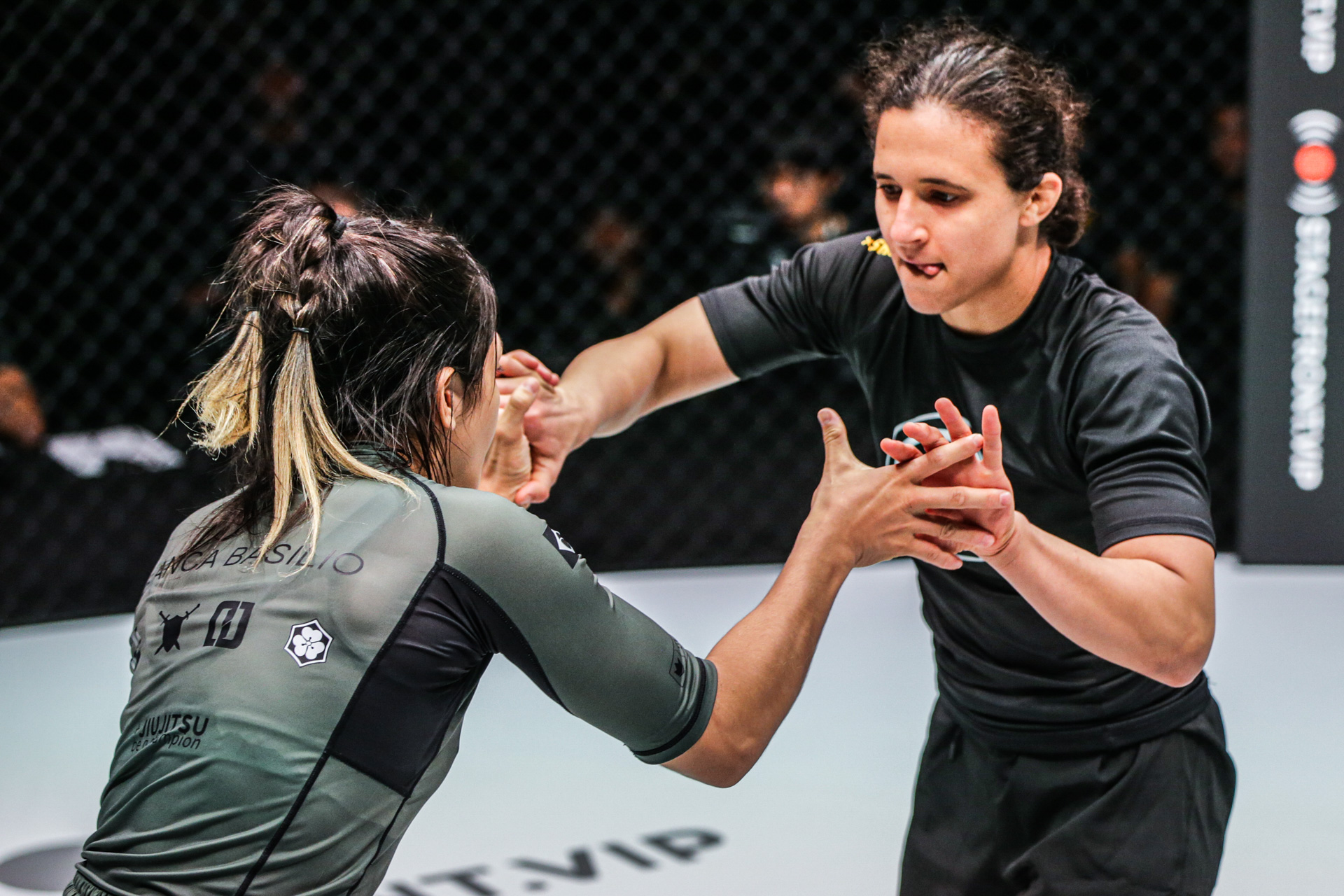
What stands out about this backlash isn’t just its volume. It’s how technical the criticism got. This wasn’t a vague “that’s inappropriate” pile-on — it was practitioners explaining, in detail, exactly why the ad failed on its own terms.
“Not using real athletes is one thing. Not even trying to make it look like actual jiu-jitsu is another. No woman who trains is rolling without a sports bra. If you’re selling jiu-jitsu apparel, why sexualize the sport instead of representing the people who actually practice it?” read one of the most-liked replies. Another commenter put it more bluntly: “If you actually train, you know no bra ain’t it.” A third noted the ad undercut Shoyoroll’s own selling point: “Not only is this weird because of the no bra look, but it also shows your material is whack” — pointing out that a rashguard needs support built into the fabric to stay functional, and a garment shown sagging on camera isn’t demonstrating that.
That last point matters more than it might seem. Shoyoroll’s entire brand promise is engineering — four-way stretch, ranked compression fits, IBJJF-legal cuts. A marketing choice that makes the product look loose and unstructured undercuts the actual pitch to the exact customers who care most about fit.
Shoyoroll Built Its Name on the Opposite Idea
Part of why this stung is that Shoyoroll isn’t some fast-fashion gear brand that stumbled into the sport. It’s been one of jiu-jitsu’s most collected apparel labels for over a decade, known for limited “ranked” rashguard drops that resell for multiples of retail and gis that get lined up for at events like Jiu-Jitsu CON. The brand’s recent collaboration with the IBJJF on a competition-legal gi only reinforced that reputation — this is a company that competitors trust to understand what actually happens on the mats.
That history is exactly why the ROAN TVT campaign landed as a betrayal rather than a one-off misfire. A brand with no credibility to lose gets a pass on a bad ad. A brand that built fifteen years of trust on functional, competition-tested gear does not get the same benefit of the doubt when it suddenly starts selling sex appeal instead of stitching.
Why Loose Rashguards Are a Real Problem, Not Just Optics
Anyone who has actually rolled no-gi knows why the comments zeroed in on fit specifically. A rashguard that isn’t compression-tight rides up during guard retention, bunches during scrambles, and creates grip points an opponent can use against you. It’s not a hypothetical concern — it’s the first thing any experienced grappler checks before buying. Loose fit isn’t a look. It’s a liability on the mats.
Every practitioner knows the actual test: raise both arms overhead, bridge, shrimp to one side, then the other, and see whether the hem stays put or crawls up the torso. Grapplers run through some version of that check in a fitting room or a bedroom mirror before a single roll happens, because a rashguard that fails it becomes something to adjust mid-match instead of something you forget you’re wearing. A campaign image that shows the exact failure mode — loose fabric, no support, nothing holding it in place — isn’t just an odd styling choice. It’s the brand accidentally demonstrating the one thing its own customers are trained to spot immediately.
That’s also why so many of the angriest comments came from women specifically. Female competitors have spent years pushing brands to take women’s-specific cuts seriously instead of treating them as a shrunk-down men’s pattern with a different color way. An ad that swaps functional fit for a braless look reads, to that audience, like a step backward on a fight they’ve been having with gear companies for a long time — not a fresh marketing angle.
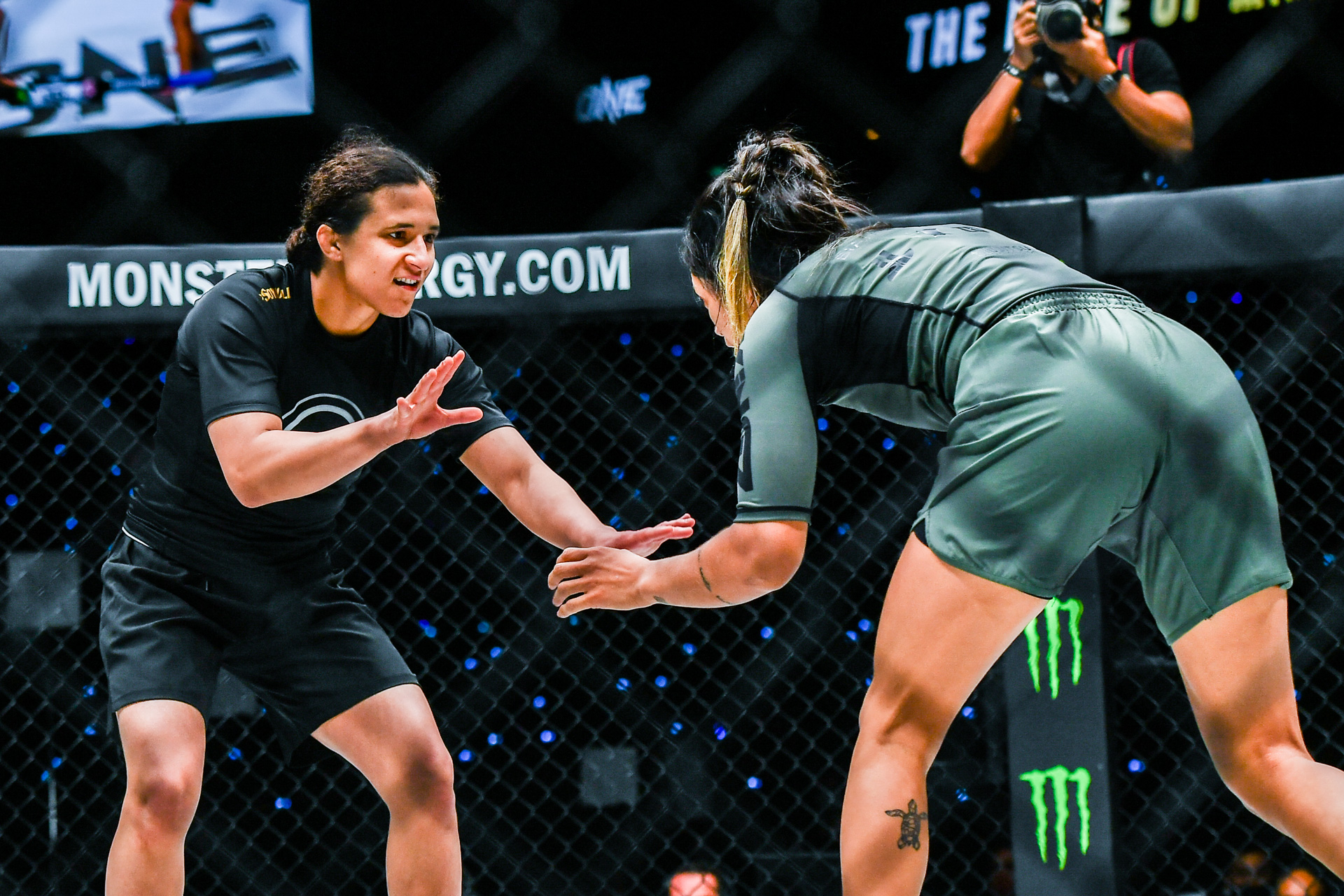
That’s the gap the backlash kept circling back to: an ad built around a look that would never survive five minutes of live rolling, sold by a brand whose entire reputation is built on gear that’s supposed to perform under exactly that kind of pressure.
The Bigger Context Shoyoroll Stepped Into
Timing made this worse for the brand. Jiu-jitsu has spent the last few years publicly confronting a string of coach and instructor misconduct cases — the kind of stories that forced gyms, federations, and athletes to have uncomfortable conversations about power, trust, and how women are treated in training spaces. Blue belt Maya Nazareth and purple belt Sirena Allen-De Guzman have both spoken previously about how sexualizing female athletes undermines the years of work practitioners have put into being taken seriously as a legitimate combat sport rather than a spectacle.
Neither made this specific ad about themselves, but their broader point is exactly what practitioners were reaching for in the comments: there’s nothing wrong with an athlete who trains looking good doing it, but there’s a real difference between a brand celebrating an athlete’s ability and a brand deliberately framing a woman’s body to sell a product she’s not shown using correctly.
Has Shoyoroll Responded to the Backlash?
As of publication, Shoyoroll has not issued a statement addressing the backlash, and the original post remains live. That silence is its own signal in a sport this size — brands that misjudge their own community usually move fast to clarify or apologize once a post starts costing them customers rather than winning them new ones. If Shoyoroll does respond, expect it to lean on “creative direction” language rather than a direct apology; that’s the standard playbook for gear brands caught in this exact spot. We’ll update this piece if that changes.
The Real Lesson for BJJ Brands
Jiu-jitsu’s customer base is unusually hard to fool on this specific point, because almost everyone buying the gear also uses it. A running shoe brand can get away with an aspirational ad shot on someone who’s never run a mile. A BJJ gear brand can’t, because the people scrolling past the ad rolled that morning and know exactly what a functional rashguard looks like under load. Shoyoroll didn’t just misjudge tone — it misjudged its own audience’s expertise.
The brands that will come out ahead of this moment aren’t the ones chasing engagement with a controversial cut. They’re the ones putting real competitors, in real gear, doing what the gear is actually built for, front and center — because that’s the only kind of marketing this specific audience doesn’t see through immediately.
Where TKO Tycoon Fits Into This
It’s a small irony that a gear brand got this wrong the same year fight fans are managing entire rosters based on exactly the opposite instinct. In TKO Tycoon, the free-to-play MMA management game on this site, the fighters who build the strongest brands aren’t the ones with the flashiest walkout gimmick — they’re the ones whose in-game reputation stat climbs because they keep winning and keep representing their camp well. Marketing stunts spike attention for a week; a fighter’s actual body of work is what keeps sponsors and fans long-term. Shoyoroll built a following the same way, one ranked rashguard at a time, over more than a decade. One tone-deaf ad doesn’t erase that, but it’s a reminder that in combat sports — virtual or real — credibility is the actual asset, and it’s slower to build than it is to spend.
If the technical side of this story interests you more than the marketing side, we broke down exactly how fit and movement work together in real no-gi grappling in our heel hook breakdown — the same principle applies to gear as it does to technique: it only works if it’s built for what actually happens when two people are fighting for position.
Sources
- Shoyoroll Receives Massive Backlash For Using Sex Appeal To Market Jiu-Jitsu Gear — BJJ Doc, original reporting with community comment screenshots
- @shoyoroll on Instagram — brand’s official account, source of the ROAN TVT campaign post
- Shoyoroll — Wikipedia, brand background and history