Manel Kape Fighting Style: How Starboy Finally Solved the Pantoja Puzzle
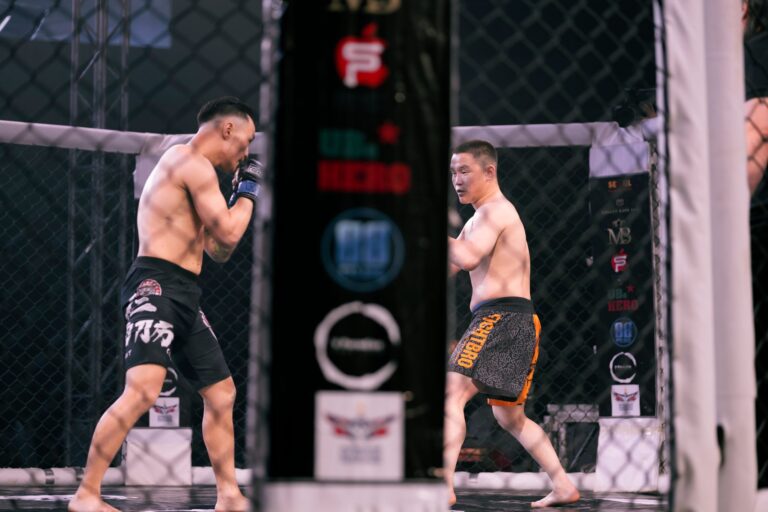
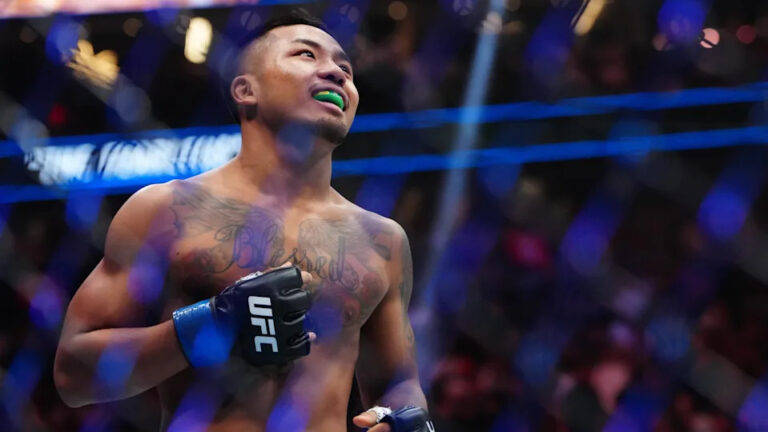
Manel Kape landed 62 significant strikes to Alexandre Pantoja’s 31 across five rounds, and the gap wasn’t close on a single scorecard. That’s the number that should end the debate about whether “Starboy” got lucky or whether he solved a puzzle nobody else in the flyweight division had cracked in four years. Pantoja had beaten Brandon Moreno twice, throttled Kai Kara-France, and made Steve Erceg look like a regional prospect. Kape didn’t just win a decision. He took Pantoja’s own weapon — suffocating forward pressure — and used a faster, meaner version of it to dismantle the guy who’d made a career out of dismantling everyone else.
I’ve watched a lot of flyweight tape over the last few years, and most breakdowns of Kape stop at “he hits hard.” That undersells what actually happened in his title run. This is a fighter who rebuilt his approach to distance, fixed a chin that used to be a real liability, and turned his worst trait — recklessness — into a calculated risk he now takes on his own terms. Here’s the actual anatomy of how Manel Kape’s fighting style became good enough to beat the best flyweight of his generation.
Manel Kape’s Path to the UFC Flyweight Title
Kape went 23-7 across his pro career, including six knockouts inside the UFC flyweight division — the most in company history at 125 pounds. He lost early UFC fights on the feet and on the ground before a five-fight win streak, capped by a comeback TKO over Kyoji Horiguchi, forced the promotion to finally give him the title shot he’d been demanding since 2023.
Kape’s road wasn’t a straight line. He dropped a controversial split decision to Muhammad Mokaev in 2024 and looked hittable against bigger, longer flyweights early in his run. What changed wasn’t his power — it was his patience. He stopped chasing knockouts in the first 90 seconds and started setting them up over five-minute rounds, and that adjustment is the entire story of how he got to the belt.
The Boxing Foundation Behind Kape’s Striking
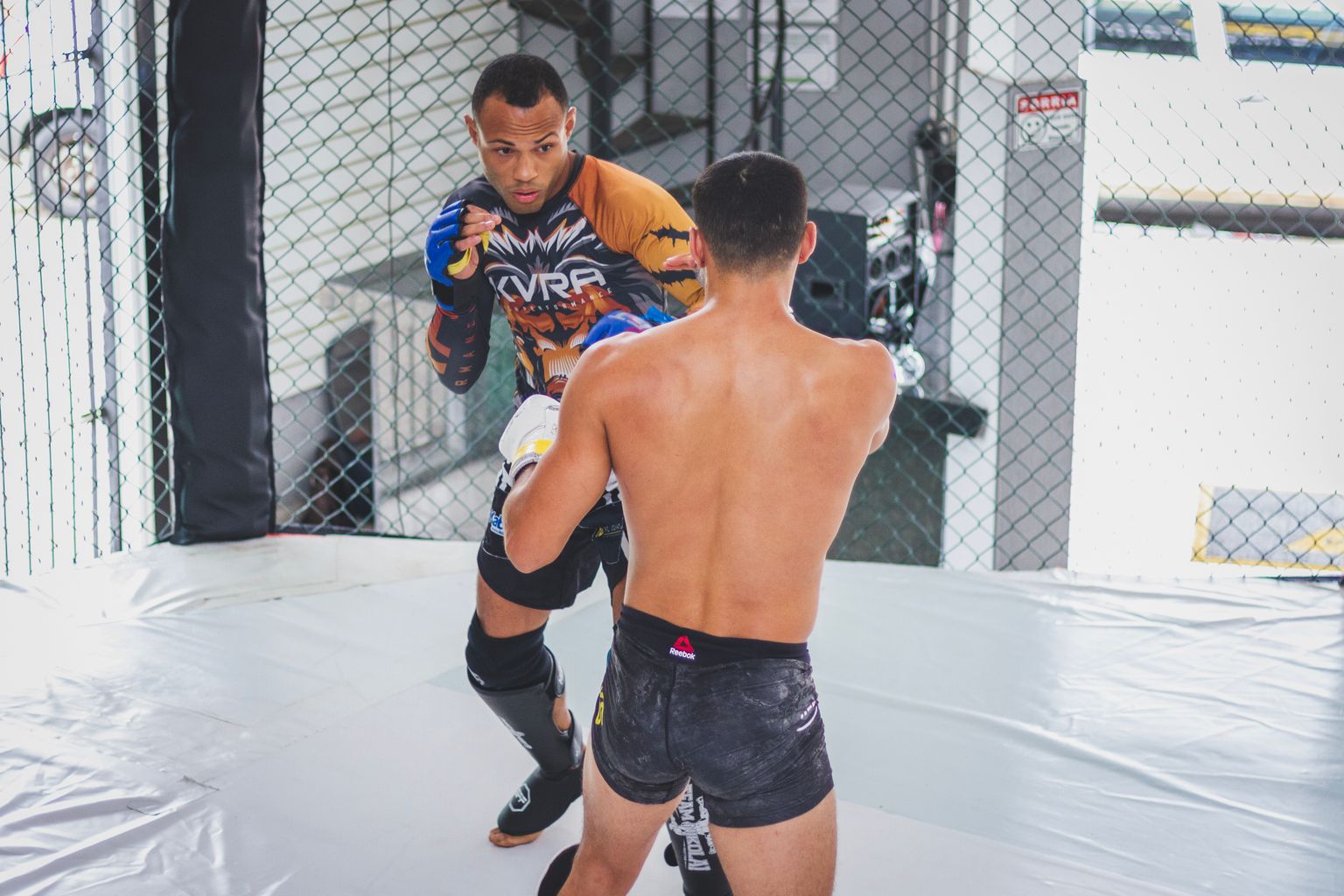
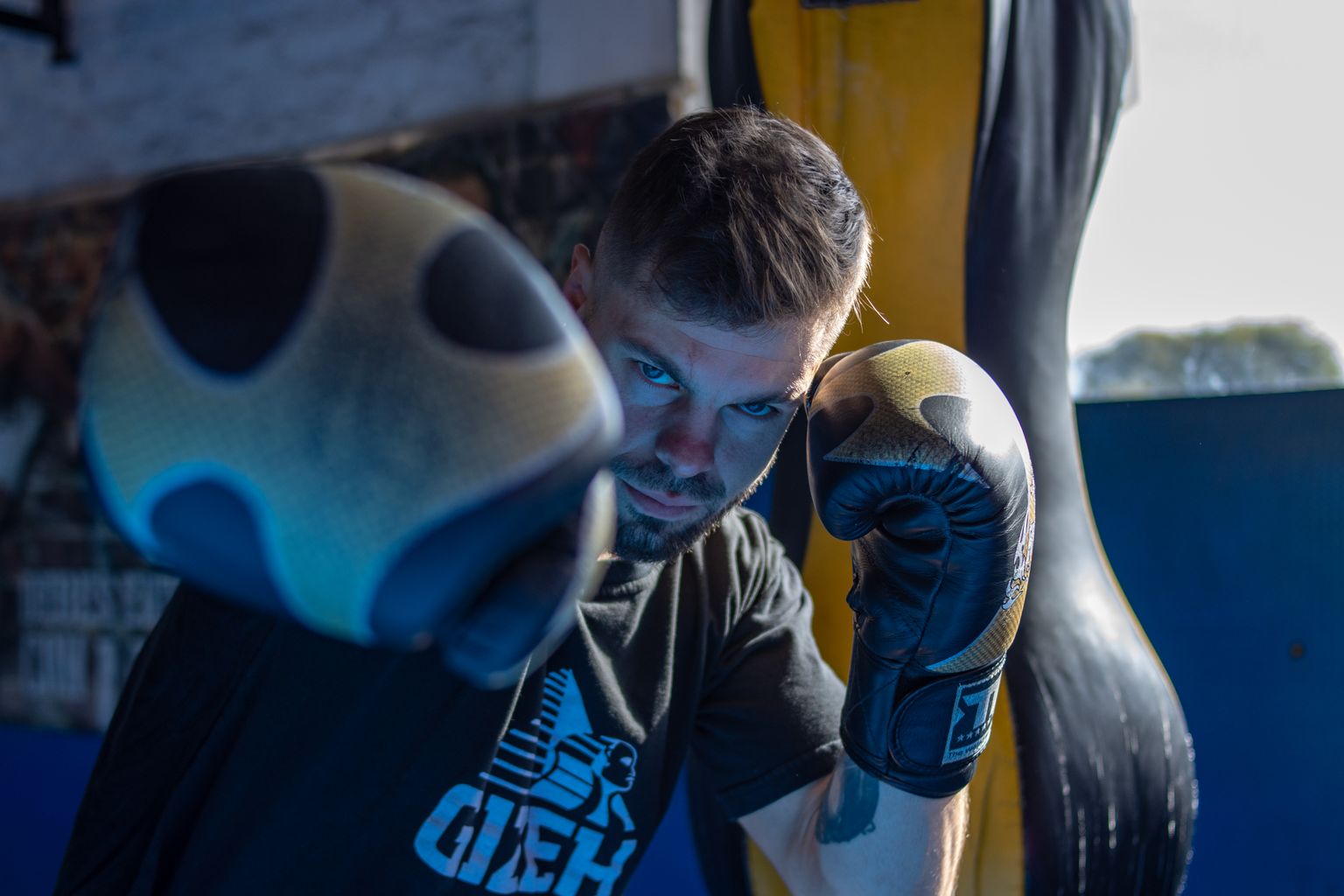
Kape trains out of a boxing-heavy camp and it shows in his hands before it shows in anything else. His jab isn’t a range-finder the way most flyweights use it — he throws it to hurt, snapping the head back and opening the chin for the right hand that follows a half-second later.
At 68 inches of reach on a 5’4″ frame, Kape is stocky for the division, which forces opponents to either stand in punching range (bad idea) or circle out wide (which he counters with check hooks). Against Pantoja, that jab-cross-hook sequence landed clean over and over in the first two rounds, and it never really stopped working. Most flyweight boxing is safe and technical. Kape’s is violent and technical, which is a much harder problem to solve in a five-round fight.
Why Kape’s Fence-Trap Pressure Ends Fights Early
Kape’s real weapon isn’t a single punch — it’s a sequence. He walks opponents down behind a high guard, angles them off the center of the cage, and traps them against the fence where their only options are cover up, shell, or get taken down. From that spot he throws combinations, not single shots, and 15 of his 23 career wins have come by knockout because fighters simply run out of answers once their back hits the cage.
This is the same fence-trapping logic that shows up constantly in cage-control strategy discussions, including our breakdown of how MMA judges actually score fights — judges reward the fighter dictating position, and nobody in the flyweight division dictates position better right now than Kape.
How Kape’s Style Solved the Pantoja Puzzle
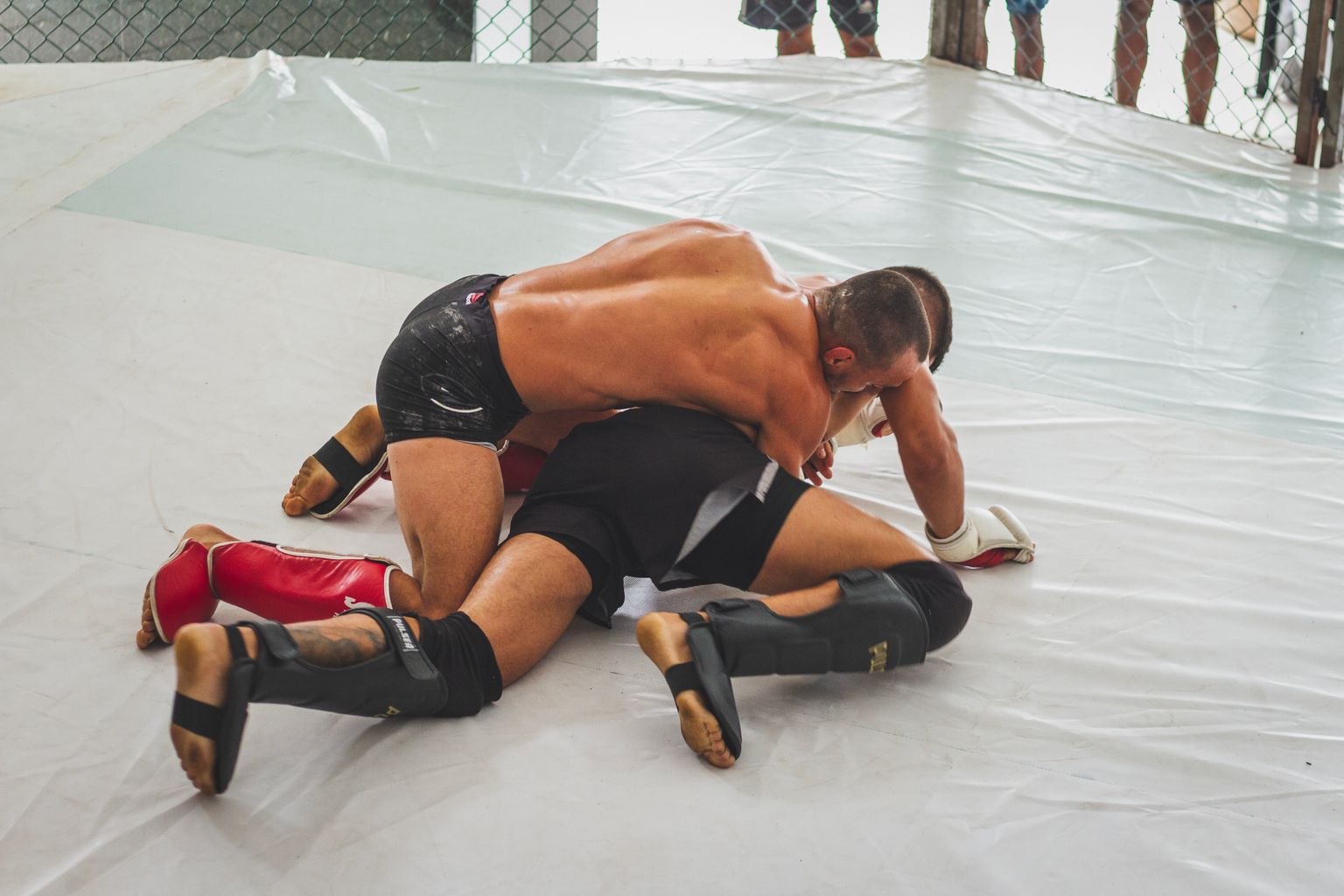
Pantoja beats grapplers by out-wrestling them and beats strikers by out-scrambling them — he’s historically been the best flyweight at turning bad positions into neutral ones. Kape’s counter was simple on paper and brutal in execution: never let the fight get to a scramble in the first place. He kept the pace high enough, and the punches heavy enough, that Pantoja spent three rounds managing damage instead of hunting for the takedowns and transitions that usually bail him out.
That’s the blueprint other 125-pounders will try to copy now, and most of them don’t have the volume or the chin to survive trying it. Kape absorbed real shots in the championship rounds and kept firing back, which is the part of this win that doesn’t show up in a highlight reel but matters more than any single knockdown.
Coaching Kape’s Fence Pressure Inside TKO Tycoon
If you’re running a flyweight camp in TKO Tycoon, Kape’s fight is basically a case study in why cage-cutting stats matter as much as raw power ratings. A fighter with elite pressure and combination output but average one-shot power will out-finish a bigger puncher who lets opponents circle freely — because volume against the fence beats a single home-run shot most nights.
Build your gym’s striking tree around footwork and combination output before you chase knockout power upgrades, and you’ll see the same kind of finishing rate Kape put together on his way to the belt. It’s a slower path to a stopping-power stat line, but it’s the more reliable one over a full season.

What Comes Next for the New Flyweight Champion
Kape’s first title defense will draw the whole contender line — Tatsuro Taira, Amir Albazi, and a motivated Joshua Van are all realistic first challenges. Whoever gets the call has to answer the same question Pantoja couldn’t: how do you out-work a champion whose entire style is built around never letting the pace drop below “uncomfortable.”
My money says the first fighter who beats Kape does it with distance management and leg kicks, not by trying to out-box him — nobody’s out-boxing him right now. Until someone proves that theory right, he’s the correct favorite against anyone in the division.
Frequently Asked Questions
What is Manel Kape’s fighting style?
Kape is a boxing-based pressure fighter who combines a heavy jab and check hook with relentless forward movement to trap opponents against the fence. He’s landed 15 knockouts across his pro career, most of them coming after multi-punch combinations rather than single power shots.
How did Manel Kape beat Alexandre Pantoja?
Kape out-struck Pantoja significantly across the fight by keeping a pace high enough that Pantoja couldn’t set up his usual grappling exchanges and scrambles. Instead of trying to avoid Pantoja’s wrestling, Kape made the fight too fast and too violent for it to ever get there.
What is Manel Kape’s UFC record?
Kape enters his first title defense with a 23-7 professional record, including six knockouts inside the UFC flyweight division — the most in the promotion’s history at 125 pounds.
Who could challenge Manel Kape next for the flyweight title?
Tatsuro Taira, Amir Albazi, and Joshua Van are the most realistic next challengers based on current rankings and recent performances. Each presents a different threat — Taira’s grappling, Albazi’s durability, and Van’s speed — but none has faced Kape’s current pace in a five-round fight.
Try Calling Kape’s Fight Style Yourself
Think you can build a fighter who wins the way Kape does — pressure, volume, and a chin that holds up in the championship rounds? Build your own roster and test your fight IQ in TKO Tycoon, the free in-browser MMA management game.
References
- UFC.com – Manel Kape official athlete profile and record
- ESPN MMA – flyweight division coverage and rankings
- Sherdog – Manel Kape fight history and statistics
- MMA Fighting – UFC flyweight title picture analysis