Wrestling in MMA: Why Grapplers Keep Winning UFC Belts in 2026
Khabib Nurmagomedov retired 29-0 because nobody on the planet could keep him standing for three rounds straight. That’s not nostalgia — it’s the same reason Merab Dvalishvili, Magomed Ankalaev, Belal Muhammad, and Khamzat Chimaev all hold UFC belts in 2026. Wrestling didn’t become less important as MMA got more polished. It became more important, because the strikers got better at defending it, and only the wrestlers who can chain takedowns at scramble speed still get the job done.
Why Wrestling Still Wins Fights in 2026
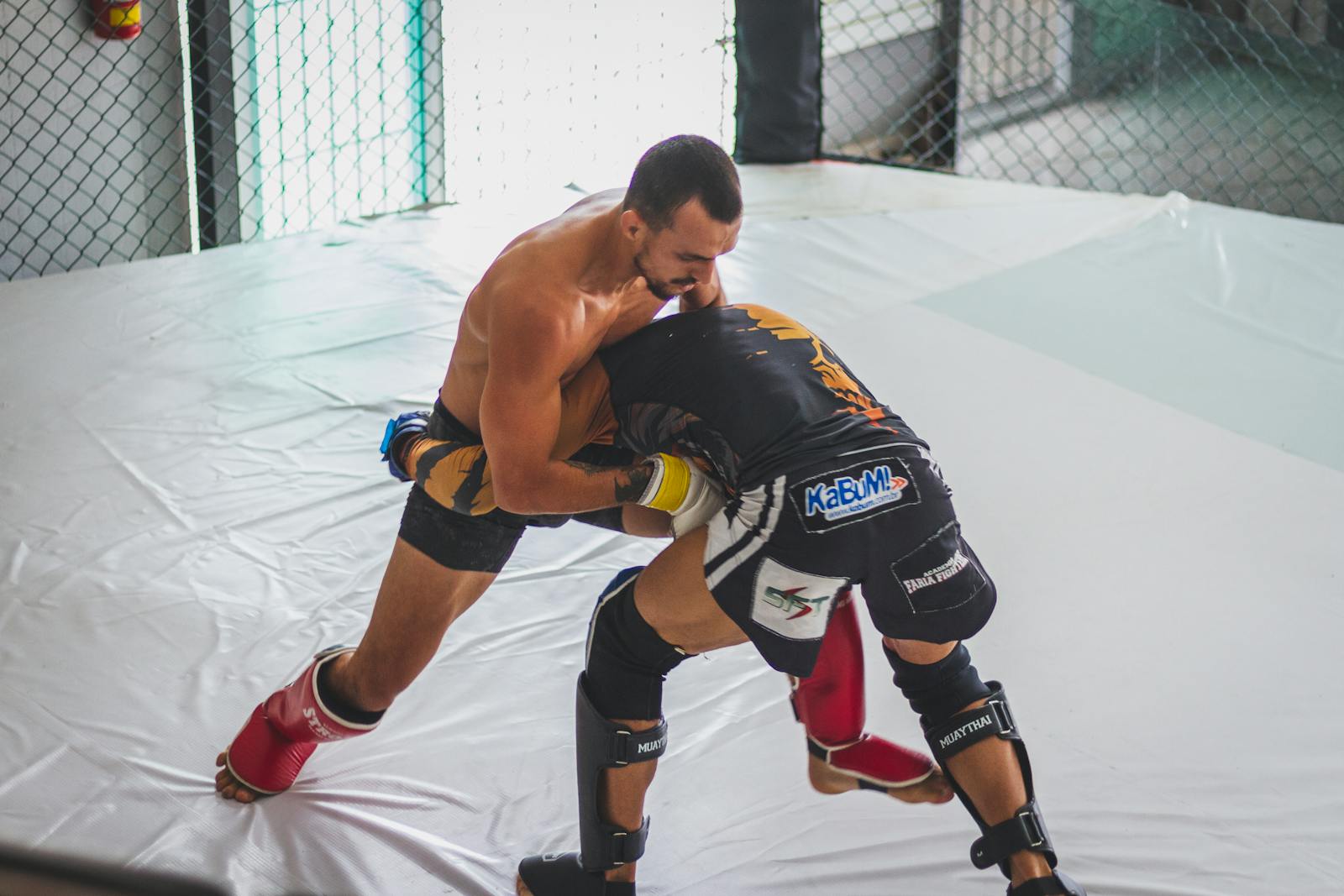
Wrestling decides where the fight happens. A fighter who can take an opponent down or threaten to take them down at will dictates the entire striking exchange. Opponents who fear a level change can’t commit to kicks, can’t load up on hooks, and start fighting on their back foot. That positional control is what wins decisions and breaks willpower over five rounds.
The data on this hasn’t moved in a decade. Wrestling-based fighters convert takedowns at higher rates than ever, but the more interesting number is what happens when they don’t land the takedown. Even failed shots cost opponents energy, force them to back up, and reset the timer on every striking combination they were building. Strikers don’t lose to wrestlers because they get tired of getting taken down. They lose because they get tired of not getting taken down — because the threat alone shrinks their offense to jabs and singles.
The Khabib Blueprint: Pressure, Pace, and Position
Khabib Nurmagomedov’s career rewrote what wrestling in MMA could look like. He didn’t chase the takedown — he chained pressure, body locks, and cage walks until the opponent’s posture broke. Pace plus position, not raw athleticism, is why he retired undefeated and why his blueprint still wins title fights today.
Most fighters before Khabib treated the takedown like a single move. Shoot, finish, score points, reset. Khabib treated it like a chess opening. The double leg in open space was almost never the first move — he’d close distance with hooking shots, hit a body lock, walk his opponent into the cage, and use the chain link as a second wrestler holding them up. By the time the actual takedown happened, the opponent was already mentally cooked.
You can see the exact mechanics in this UFC breakdown:
Chain Wrestling Is Why Modern Champions Always Reset
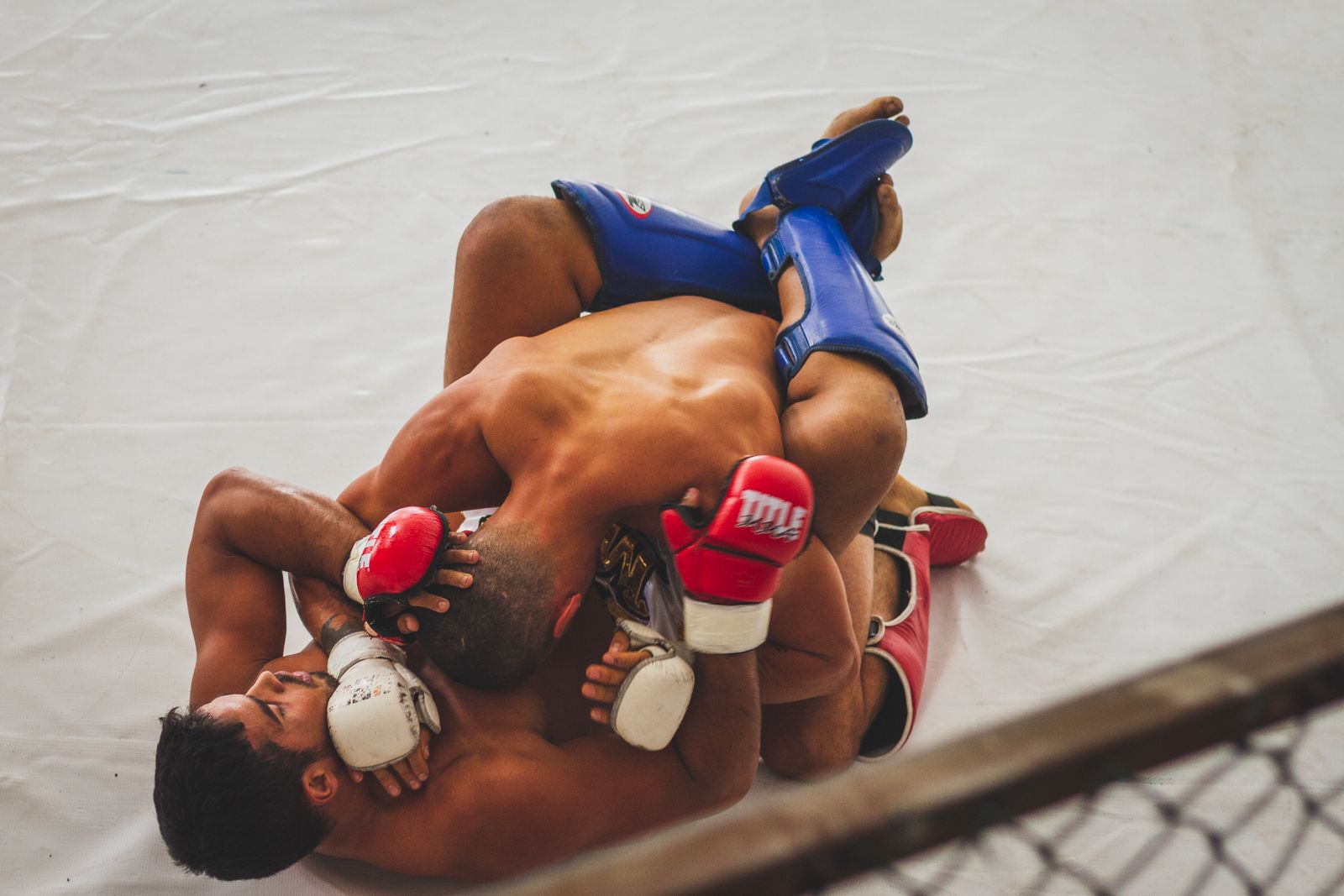
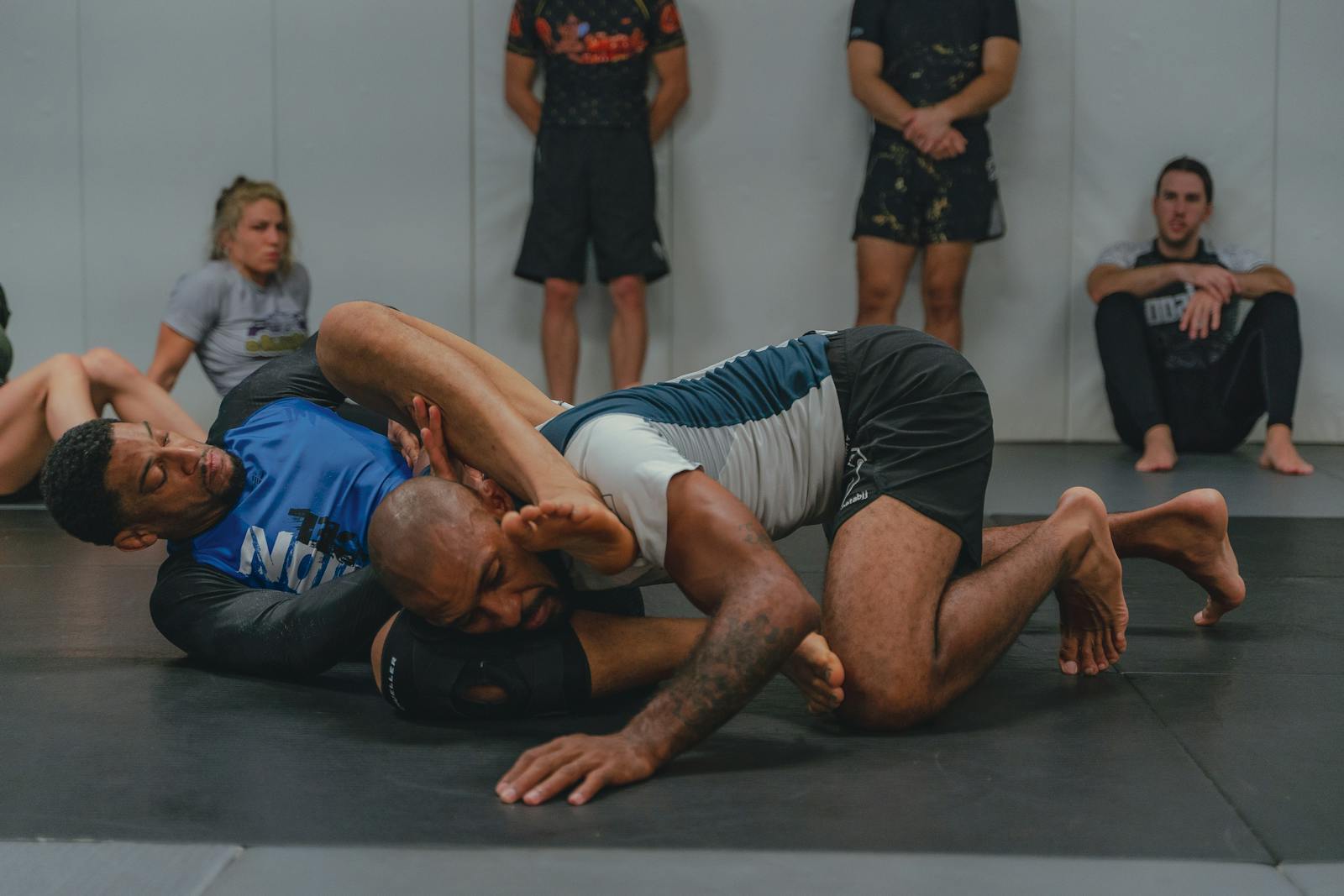
Chain wrestling is the ability to flow from one takedown attempt straight into another without losing position, energy, or the cage. It’s why champions like Khamzat Chimaev and Merab Dvalishvili rack up takedown numbers that would have been unthinkable a generation ago. They don’t shoot once and finish — they shoot a sequence.
Old-school MMA wrestling was binary. The double leg either landed or it didn’t, and if it didn’t, the wrestler ate a knee on the way up and reset to the center. Modern champions don’t reset. They run a tree. The double becomes a single, the single becomes a high crotch, the high crotch becomes a body lock, and if all of that fails, they still ended up in the clinch instead of back at range.
Merab Dvalishvili put up 11 takedowns against Henry Cejudo — an Olympic gold medalist in freestyle wrestling. Khamzat finished Dricus Du Plessis with relentless chained pressure that never gave the champ a second of rest. The pattern is identical. Never one shot. Always a sequence. The opponent’s gas tank runs out before the wrestler’s does, and the scorecard turns into a formality somewhere around round three.
How Strikers Actually Beat Wrestlers (And It’s Not Sprawl)
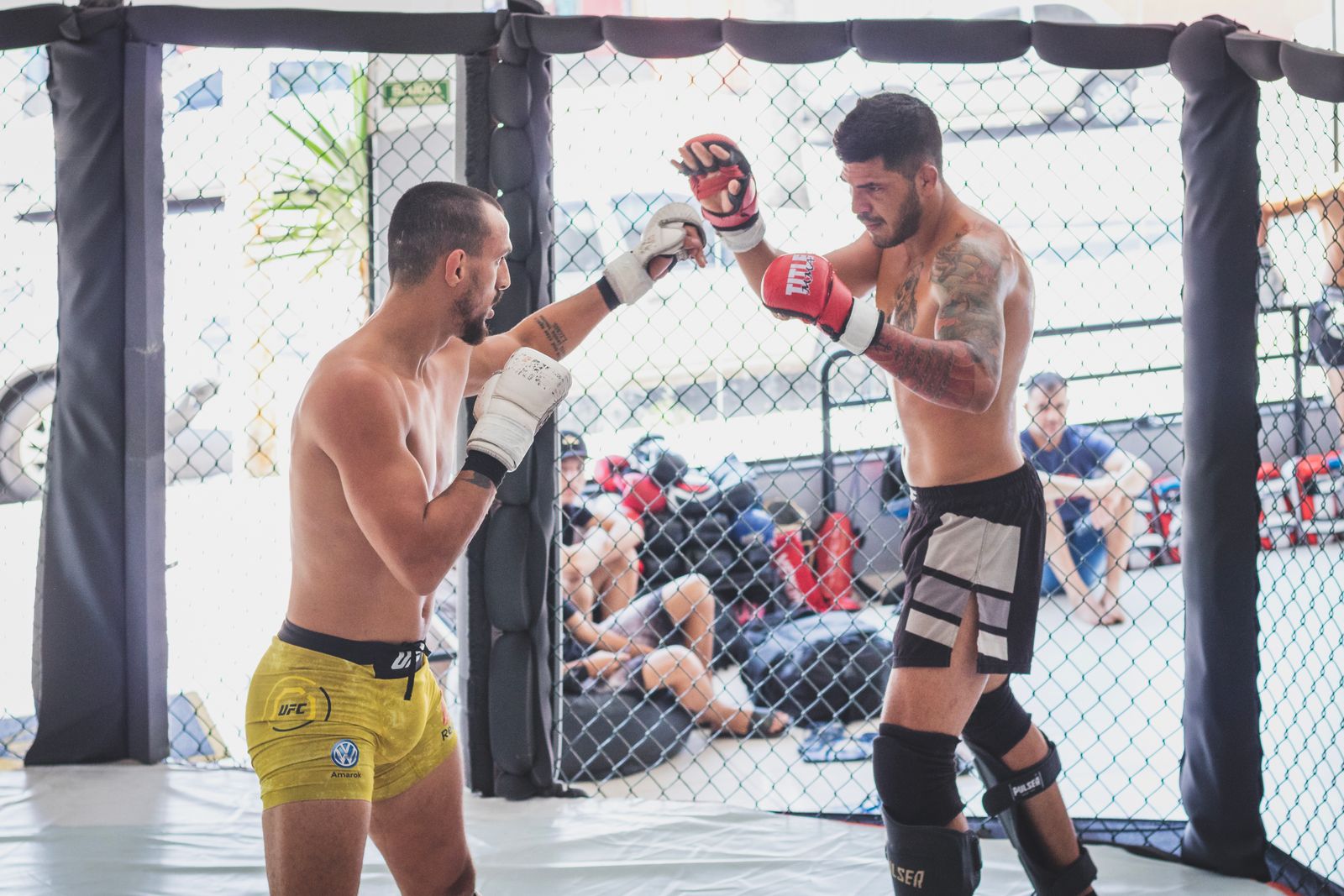
Strikers don’t beat wrestlers by out-sprawling them. They beat wrestlers by making the level change cost more than it gains — sharp uppercuts on the way in, hard knees in the clinch, and lateral footwork that turns every shot into a wasted lunge. Israel Adesanya did it. Alex Pereira does it. The sprawl alone isn’t enough anymore.
The dead approach is the one most strikers learn first: feel the shot, sprawl back, get up. That worked in 2010 when wrestlers only fired one attempt per exchange. Against a chain wrestler, sprawl-and-stand turns into sprawl-and-eat-a-double-from-the-knees ten seconds later. The fighters who shut down wrestling now don’t survive shots — they punish them.
Watch how Alex Pereira fought Magomed Ankalaev. Lateral movement on every reset. Hard front kicks to the chest the moment Ankalaev squared up. Pereira didn’t avoid the shot — he made setting up the shot too expensive. Adesanya did the same with knees in the clinch against Costa and Whittaker. The lesson: you can’t out-wrestle a wrestler from underneath, so you have to make the cost of every level change feel like a bad trade.
Building a Wrestler in TKO Tycoon
In TKO Tycoon, wrestling functions less as a single stat and more as the floor for everything else. Fighters with low wrestling lose decisions, eat ground-and-pound, and burn cardio defending takedowns they should never have given up. Build wrestling early, even on striker prospects — it’s the cheapest insurance policy in the game.
The mistake new managers make is treating the wrestling stat the way an old-school MMA fan thinks about it: a separate path, mutually exclusive with striking. The actual sim treats it the way modern MMA works. Wrestling is what lets your striking exist. A 70 striking / 40 wrestling prospect gasses out in round two against any opponent who threatens shots. A 60/60 build outpaces both extremes in the win column over a 30-fight career.
If you want a full breakdown of stat priorities at every camp tier, our TKO Tycoon strategy guide walks through the early-game pivot points where wrestling investment pays the biggest dividends. You can also start a new manager save in the TKO Tycoon game and test the build philosophy against the AI directly — the sim will not be kind to one-dimensional fighters.
Frequently Asked Questions
Why do wrestlers win so many UFC titles?
Wrestlers control where the fight happens. The threat of the takedown shrinks an opponent’s offense to safe, low-risk strikes, and the actual takedown forces opponents to spend cardio defending instead of attacking. Over five rounds, that math compounds heavily in the wrestler’s favor.
Is wrestling more important than striking in MMA?
It depends on the era and the matchup, but the modern UFC champion is almost always wrestling-literate even if they’re known as a striker. Pure strikers without championship-level takedown defense (typically 70% or higher) get out-grinded over five rounds and lose decisions even when they win the striking exchanges.
Who is the best wrestler in MMA today?
Khamzat Chimaev and Merab Dvalishvili are the consensus picks in 2026, with Magomed Ankalaev close behind. All three combine elite chain wrestling with cardio that holds up across five championship rounds — the rare combination that turns wrestling skill into a full career, not a one-fight trick.
Can a striker beat a wrestler in MMA?
Yes, but not by sprawling and waiting. The strikers who beat wrestlers do it by making every level change painful — hard knees in the clinch, uppercuts on the entry, and lateral footwork that resets the range constantly. Alex Pereira, Israel Adesanya, and Conor McGregor at his peak all did this against high-level wrestlers.
Build the Fighter, Run the Promotion
Wrestling pays the bills in MMA, and it pays them in the sim too. Test the wrestling-vs-striking trade-off yourself: build a chain wrestler, build a pure striker, and let the cage settle it. Start a free run of the TKO Tycoon game and see how far a 60/60 prospect goes against a 90/30 one.
References
- UFC.com — Official UFC news and statistics referenced for current title holders and takedown numbers.
- MMA Fighting — Analysis of Khamzat Chimaev and Merab Dvalishvili’s wrestling-led championship runs.
- ESPN MMA — Historical takedown attempt and conversion data across UFC champions, including the Khabib Nurmagomedov era.
- Bloody Elbow — Technical breakdowns of chain wrestling and cage-pin mechanics in modern MMA.
Into BJJ? TaipeiBJJ.com covers training resources and BJJ content.
Play TKO Tycoon — the MMA management game for fight fans.
Shop on Amazon
MMA & Boxing Gear on Amazon →
As an Amazon Associate we earn from qualifying purchases.