Heel Hook in MMA: The Submission the Sport Spent Years Learning to Fear
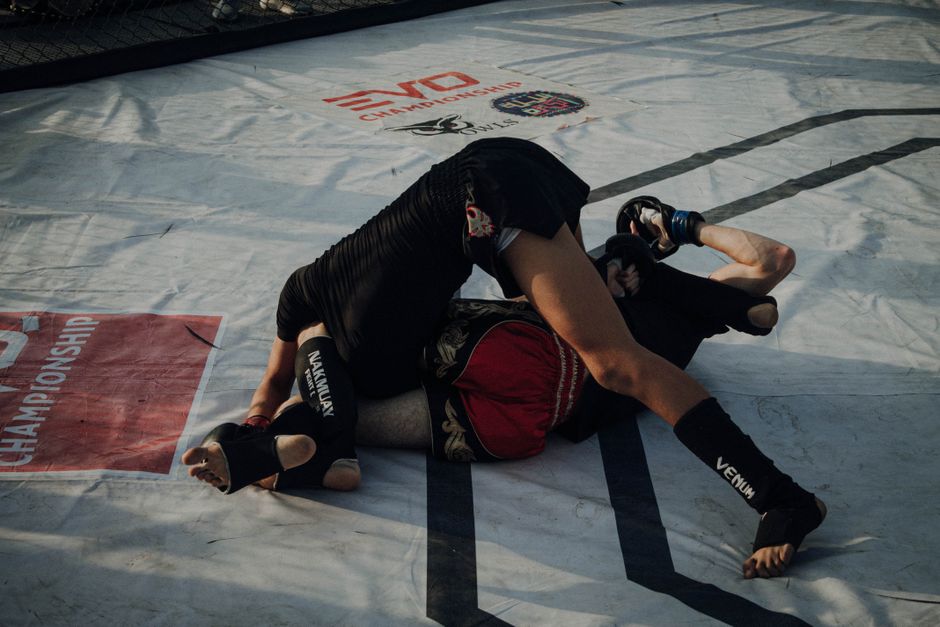
Ryan Hall needed three minutes and one Imanari roll to fold BJ Penn’s leg in half. No punches. No positional grind. Hall dove at the legs from open space, tangled his own limbs around Penn’s, and cranked the heel until the referee waved it off. It looked less like a fight and more like a machine seizing up. That is the heel hook, the one submission that does not ask you to tap. It informs you.
For most of MMA’s history, the heel hook was the technique nobody trained and everybody feared. That has flipped. A generation of grapplers raised on leg locks has dragged the move into the cage, and now it ends fights in seconds that used to go the distance. Here is how it works, why it is so brutal, and why it took the sport twenty years to respect it.
What Is a Heel Hook in MMA?
A heel hook is a leg-lock submission that traps the foot and twists the heel, sending torque through the ankle, knee, and hip at once. Unlike a choke, it does not cut off blood or air. It attacks ligaments directly. The knee is the target, and the heel is just the handle used to wreck it.
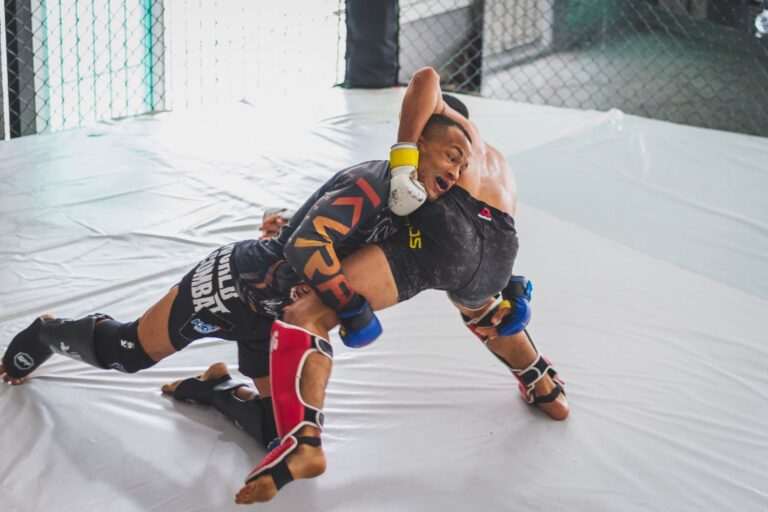
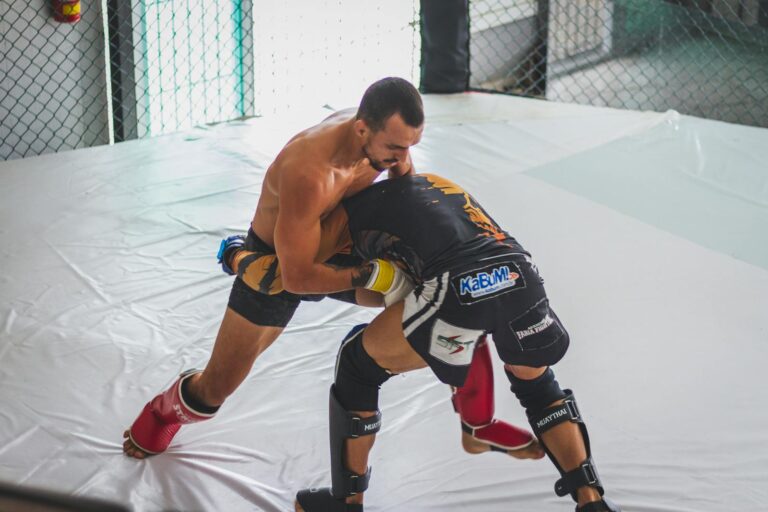
The mechanics start with control, not the finish. The attacker builds a leg entanglement, an ashi garami or one of its cousins, that isolates a single leg and pins the hip so the opponent cannot spin out of the torque. Only once the leg is stapled in place does the heel come into play. Grab the heel, trap the toes against your body, and rotate. The foot stays put while everything above it turns.
How the Heel Hook Actually Breaks a Leg
The damage happens at the knee, not the ankle. When the heel twists and the shin follows, the tibia rotates against a fixed femur. That shears the ligaments holding the knee together, the ACL, MCL, and the meniscus. By the time a fighter feels pain, the tear has often already started. That is why the heel hook has no warning gap.
Compare that to a choke. A rear naked choke gives you seconds of tightening pressure and a clear “tap now or sleep” decision. The heel hook skips the negotiation. Ligaments do not send the same slow-burn pain signal that muscle and windpipe do, so fighters frequently do not realize how close they are to a torn knee until it pops. Coaches drill one rule above all others in leg-lock rooms: tap early, tap often, ask questions later.
Inside vs Outside Heel Hook: Which One Ends Fights
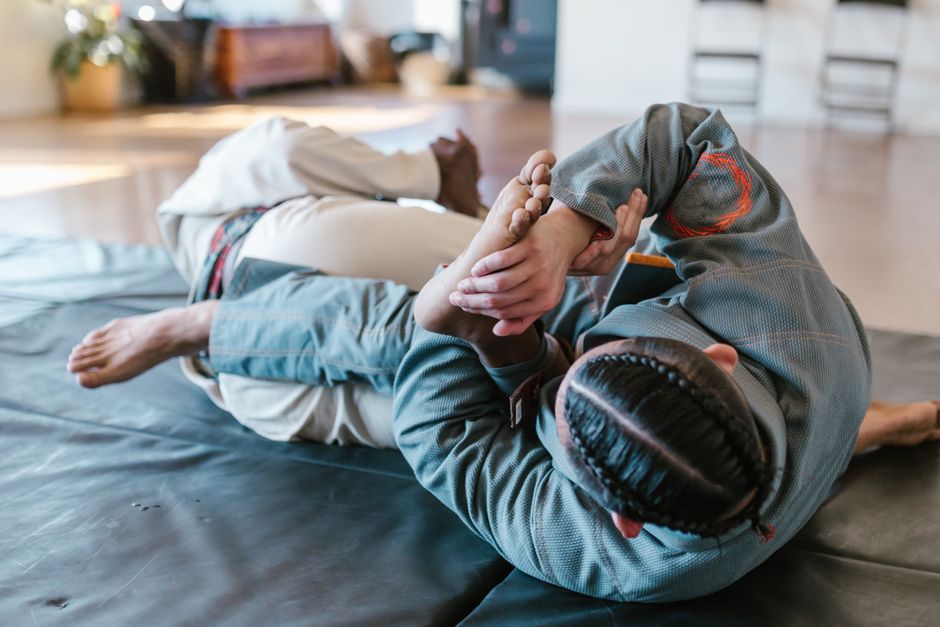
There are two finishes, split by which side of the leg you attack. The outside heel hook rotates the foot away from the body and is the more common entry. The inside heel hook rotates it inward, following the knee’s natural weak line, and most grapplers agree it is the faster, nastier tear. The entanglement you use decides which one is on the table.
The inside version earned its reputation for a reason. It stacks the twist directly onto the ligaments that are already under load, so it needs less range of motion to do damage. That is why competitive grappling banned it at lower belts for years while allowing the outside variant. In MMA there is no such filter. Both are legal in the UFC, ONE Championship, and PFL, and a good leg-locker will hunt whichever the scramble hands him.
Why MMA Ignored Leg Locks for Two Decades
Old-school jiu-jitsu treated leg locks as cheap and low-percentage, a way to give up top position for a desperate grab. Instructors literally refused to teach them. That cultural block, not any flaw in the technique, kept heel hooks out of MMA. When nobody attacks the legs, nobody learns to defend them, and the whole skill stays frozen.
The dam broke when a new wave of grapplers stopped listening. They proved that a leg entanglement is a controlling position in its own right, not a scramble you bail into. Once the control theory got solved, the finish rate exploded. Fighters who came up in that system now enter the cage seeing a submission every time an opponent throws a lazy leg forward, the same instinct a back-taker feels hunting the rear naked choke from a beaten opponent.
The Fighters Who Made the Heel Hook Mainstream
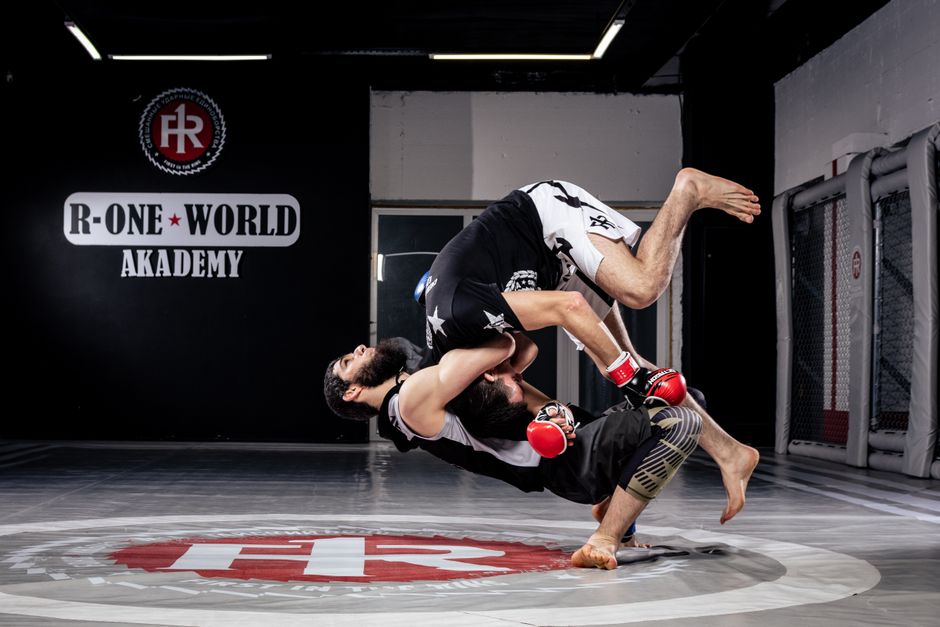
Ryan Hall is the poster case: his Imanari-roll heel hook on BJ Penn showed a wide audience that leg locks could finish elite fighters cold. But he is not alone. A cluster of leg-lock specialists across the UFC and ONE now build entire game plans around dragging the fight to the mat and hunting the entanglement, turning what was once a novelty into a legitimate path to a belt.
What makes them dangerous is that they invert the usual grappling exchange. A takedown that lands in top position used to be pure good news for the wrestler. Against a leg-locker, that same takedown can end with the top man’s knee in an inside heel hook because he stepped into a trap. The threat reshapes how opponents shoot, pass, and scramble, even when the submission never gets locked in.
Reading Heel Hook Danger in TKO Tycoon
In a management sim, a leg-lock specialist is a high-variance asset. A fighter with an elite submission grappling rating and low striking can steal fights he has no business winning, but only when the bout hits the mat. Matchmaking around that strength, feeding him wrestlers and grapplers while avoiding pure knockout artists, is the difference between a title run and a highlight-reel loss.
That trade-off is exactly what makes roster building interesting in the TKO Tycoon game. A one-dimensional submission ace is fragile; pair his ground game with even average takedowns and cardio and suddenly he dictates where every fight happens. The heel hook is the ultimate equalizer in a real cage, and a smart manager treats it the same way in a simulated one, as a weapon that only pays off when you control the range it lives in.
Frequently Asked Questions About the Heel Hook
Is the heel hook legal in the UFC?
Yes. Heel hooks, both inside and outside, are legal in the UFC, ONE Championship, and PFL. They were once banned in many amateur grappling rulesets because of the injury risk, but professional MMA allows nearly all leg locks, including knee bars and toe holds.
Why is the heel hook considered so dangerous?
Because it attacks the knee’s ligaments through a twisting motion, and ligament damage often happens before a fighter feels enough pain to tap. Unlike a choke, there is little warning. Serious tears to the ACL and meniscus can occur in a fraction of a second.
What is the difference between an inside and outside heel hook?
The outside heel hook rotates the foot away from the body; the inside version rotates it inward along the knee’s weak line. The inside heel hook is generally regarded as faster and more destructive, which is why it stays banned at lower levels of sport grappling.
Who has the most famous heel hook finish in MMA?
Ryan Hall’s first-round heel hook of BJ Penn is the most cited example. Hall used an Imanari roll to drop straight into a leg entanglement from standing and finished inside the opening round, showcasing the submission against a legend.
Build the Fighter Who Owns the Ground
The heel hook rewards managers who understand that a submission ace only shines when the fight goes where he wants it. Draft the grappler, protect him from bombers, and steer every bout to the mat. Play the TKO Tycoon game and find out whether your leg-lock specialist becomes a champion or a cautionary tale.
References
- Evolve MMA – BJJ 101: Heel Hooks – mechanics of the leg entanglement and finish
- Elite Sports – Heel Hook: A Lethal Leg-lock Submission – inside vs outside finishes and injury risk
- MyMMANews – What Is a Heel Hook? – Ryan Hall vs BJ Penn and heel hook legality in MMA