Robert Whittaker’s Light Heavyweight Debut: Why Moving to 205 Might Save His Career
Nikita Krylov’s jaw gave out at 1:01 of round three. Robert Whittaker landed a short combination on the cage, Krylov turned away clutching his face, and the referee had seen enough. In his very first fight at light heavyweight, at 35 years old, a former middleweight champion walked in as the smaller man on paper and walked out looking like he’d been fighting at 205 his whole life.
“This is my home now,” Whittaker said afterward. That single sentence closed one of the best middleweight careers of the modern era and opened something nobody expected to be this convincing. The move up was supposed to be a soft landing for an aging veteran. Instead it looked like a fighter finally getting out of a cage he built for himself.

Why Robert Whittaker Moved to Light Heavyweight at 35
Robert Whittaker moved to light heavyweight because the weight cut to 185 pounds was doing more damage than any opponent. After back-to-back losses to Khamzat Chimaev and Reinier de Ridder, Whittaker decided that draining himself to make middleweight was costing him speed, recovery, and the sharpness that made him champion. At 205, he fights closer to his natural size.
Here’s the part fans miss. Whittaker was never a large middleweight. He walked around in the low 200s and cut hard to hit 185, and that cut got uglier every year. A fighter’s body doesn’t rebound from dehydration at 35 the way it did at 26. By the end of his middleweight run, the weight cut was eating into camps, hurting his output in later rounds, and turning fight week into a survival exercise. Moving up erases all of that. He eats, he trains, he keeps his muscle, and he shows up to the cage as himself instead of a rehydrated version of himself.
The Chimaev and de Ridder losses reframed everything. Another middleweight title run would have meant grinding through the same brutal cut for a rematch against a monster who already beat him. Light heavyweight offered a reset button. Fewer wars behind him at that weight, a whole new set of matchups, and no scale to fear.
How the Middleweight Weight Cut Was Quietly Wrecking His Prime
The weight cut was wrecking Whittaker’s prime by stealing the two things that defined him: his gas tank and his second-half explosiveness. Cutting 15 to 20 pounds of water in fight week leaves the nervous system fried and the muscles slow to fire. Fighters who cut too hard fade in championship rounds, and Whittaker’s late-fight dips lined up almost perfectly with his worst cuts.
Think about what made peak Whittaker special. He threw combinations off angles, reset instantly, and buried opponents under volume in rounds three, four, and five. That style runs on a full battery. Drain the battery in the sauna the day before, and the same fighter looks a half-step slow when it matters most. The talent doesn’t vanish. The fuel does.
There’s also the injury math. A depleted body absorbs damage worse and heals slower. Every hard cut raised the odds of a bad camp, a pulled-out fight, or a knockout he’d have shrugged off at full strength. Removing the cut doesn’t just help him win — it extends how long he can keep fighting at all.
Inside the Krylov Finish: A Striking Clinic, Not a Slugfest
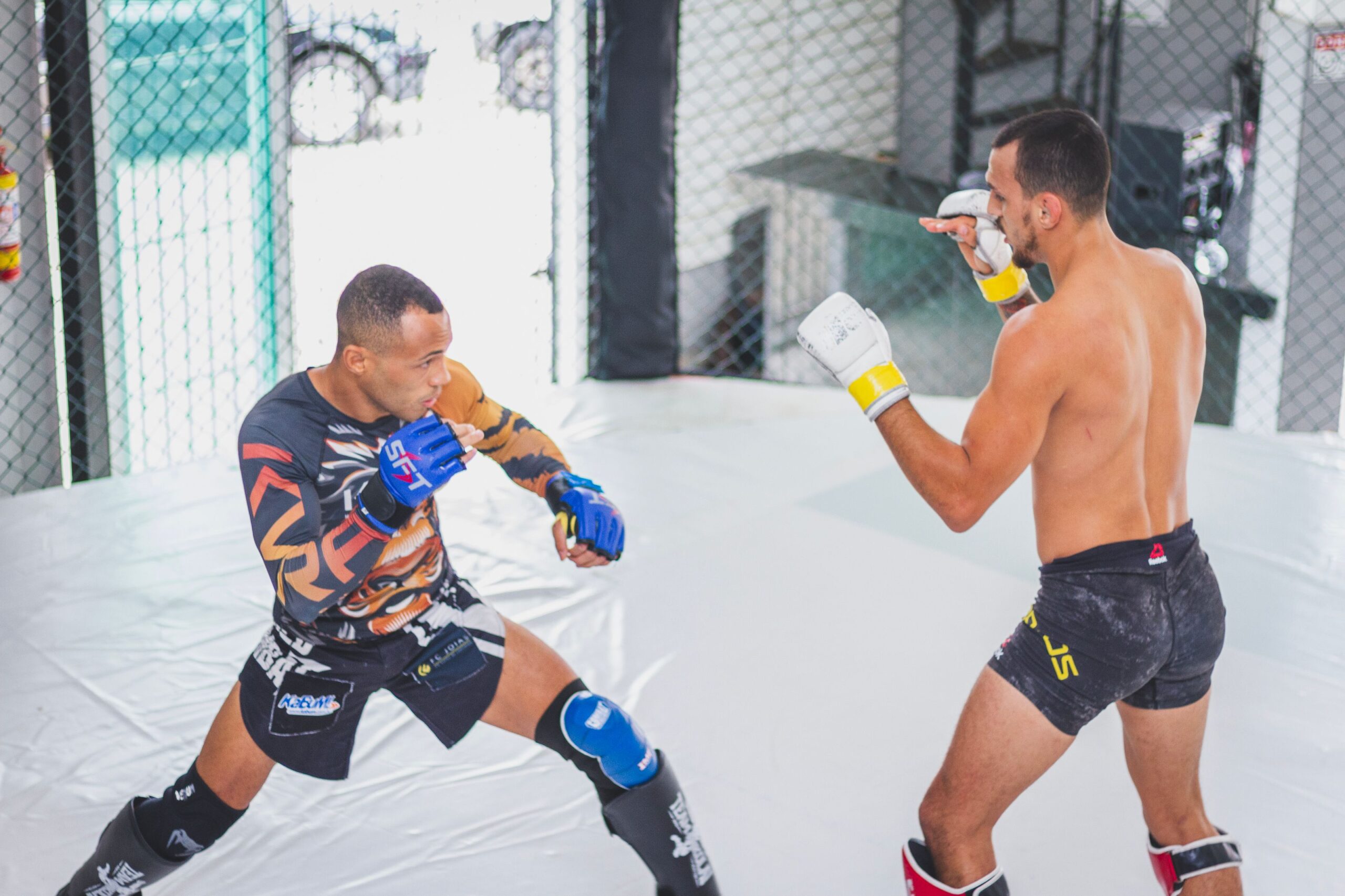
The Krylov finish was a striking clinic because Whittaker refused to make it a brawl. He picked Krylov apart with jabs, level changes, and combinations off the back foot, never planting long enough to get countered. By round three the damage had piled up, and a clean combination on the fence broke Krylov’s resistance and his jaw at 1:01.
Krylov is not a soft touch. He’s a ranked light heavyweight with knockout power and a decade of experience against big men. The fear going in was that Whittaker, giving up size, would get walked down and cracked. It never happened. Whittaker controlled distance from the opening bell, used his speed advantage like it was unfair, and made a bigger man feel small in his own division.
That’s the detail that should scare the rest of 205. Whittaker didn’t win by surviving. He won by dominating a stylistic test that was supposed to expose him. On the same UFC 329 card, Max Holloway punched his own ticket toward a title, but Whittaker’s performance was the quieter statement — a proof of concept that his tools travel up a weight class.
What Light Heavyweight Actually Asks of Robert Whittaker
Light heavyweight asks Whittaker to hold his speed edge against genuinely bigger, stronger men who hit harder in every exchange. The good news is that his footwork, timing, and combination striking don’t shrink at 205. The risk is grappling and clinch strength, where a large light heavyweight can lean on him and take away his movement.
Whittaker has said he wants a three-to-four-month window to add muscle without sacrificing quickness. That’s the whole game up here. Put on enough mass to survive the clinch and the takedown, but not so much that he becomes a slow, heavy version of a fighter whose entire identity is speed and angles. It’s a fine line, and the Krylov fight suggests he’s already walking it well.
The other adjustment is chin math. Bigger gloves don’t cover bigger fists, and one clean shot from a true 205er carries more consequence than anything he faced at 185. Whittaker’s answer is the same as it’s always been: don’t be there to get hit. Against Krylov, he mostly wasn’t.

Where Whittaker Fits in a Stacked 205 Division
Whittaker instantly becomes a top-ten name at light heavyweight and a live threat to anyone outside the title picture. The division is deep — Ankalaev, Rountree, Pereira’s orbit, and a pack of dangerous strikers — but Whittaker’s résumé and skill set put him ahead of most gatekeepers on day one. One or two more wins like the Krylov performance and he’s in the contender conversation.
The matchups almost write themselves. A striker-versus-striker test against someone like Rountree would tell us how his chin holds up. A wrestling-heavy opponent would answer the clinch question. Either way, Whittaker doesn’t need a long ladder. At 35, with the name recognition he carries, two good wins could fast-track him toward a title shot he never could have reached by starting over at middleweight.
What makes it exciting is that nobody knows his ceiling here yet. We know exactly what middleweight Whittaker was. Light heavyweight Whittaker is one fight old, and the first data point was a highlight-reel finish of a ranked opponent. That’s the best kind of unknown.
What Whittaker’s Move Teaches You in TKO Tycoon
Whittaker’s jump is a lesson in matching a fighter to the right division instead of forcing attributes that fight the body. In TKO Tycoon, a fighter who cuts too much weight loses conditioning and speed on fight night, exactly like Whittaker fading in late rounds. Move that same fighter to their natural class and those attributes come back.
The management sim mirrors the real trade-off. Drop a prospect to a lower weight class to chase a size advantage and you’ll see their cardio and recovery stats tank when the cut is too aggressive. Keep them where their frame belongs and you keep their full attribute pool. The best players in the TKO Tycoon game treat weight class as a strategic decision, not an afterthought — because a healthy fighter at 205 beats a drained one at 185 more often than the rankings suggest.
Whittaker just ran that experiment in real life. He stopped fighting the scale, kept his tools, and knocked out a bigger man. That’s the whole playbook, and it works in the game for the same reason it works in the cage.

Frequently Asked Questions
Why did Robert Whittaker move to light heavyweight?
Whittaker moved up because the weight cut to 185 pounds was draining his speed and cardio and getting harder as he aged. After losses to Khamzat Chimaev and Reinier de Ridder, he decided fighting near his natural weight at 205 would let him keep his strength and recover better between camps.
Who did Robert Whittaker fight in his light heavyweight debut?
He faced ranked light heavyweight Nikita Krylov at UFC 329 on July 11, 2026. Whittaker won by TKO at 1:01 of round three, finishing Krylov with a combination on the cage that reportedly broke Krylov’s jaw.
Is Robert Whittaker done with middleweight?
Yes. Whittaker said after the Krylov fight that light heavyweight is “home now” and that his middleweight chapter is closed. He expressed pride in what he accomplished at 185 but made clear he intends to stay at 205.
How old is Robert Whittaker?
Whittaker is 35 years old. He’s framed the move up as a way to extend his career, since removing the hard weight cut reduces wear on his body and lets him compete without draining himself before every fight.
References
- Yahoo Sports – UFC 329 results and detail on Whittaker’s third-round TKO of Krylov.
- CBS Sports – Round-by-round account of Whittaker’s light heavyweight debut striking clinic.
- BJPenn.com – Whittaker explaining his decision to leave middleweight and add mass at 205.
- Bloody Elbow – Reporting on the booking of Whittaker’s light heavyweight debut.
- UFC.com – Whittaker on feeling “happy again” ahead of his move to light heavyweight.