MMA Footwork Drills That Actually Carry Over to the Cage
Dominick Cruz once beat a world champion across five rounds without throwing a single significant power shot in the first frame. He won that round on footwork alone — angle changes, line breaks, level dips that froze the read. That’s the gap between an Instagram footwork drill and what actually shows up under the lights. Most MMA footwork drills look the same on social media. Almost none of them survive contact with a cage and an opponent who is trying to take your head off.
If you watched Justin Gaethje cut off Ilia Topuria on the South Lawn at UFC Freedom 250, you saw the answer to a question that most coaches still get wrong: what is footwork actually for? Not movement for movement’s sake. Footwork is a delivery system for offense and a denial system for the opponent’s. The drills that build real cage footwork are not the drills people post.
What MMA Footwork Looks Like at the Highest Level
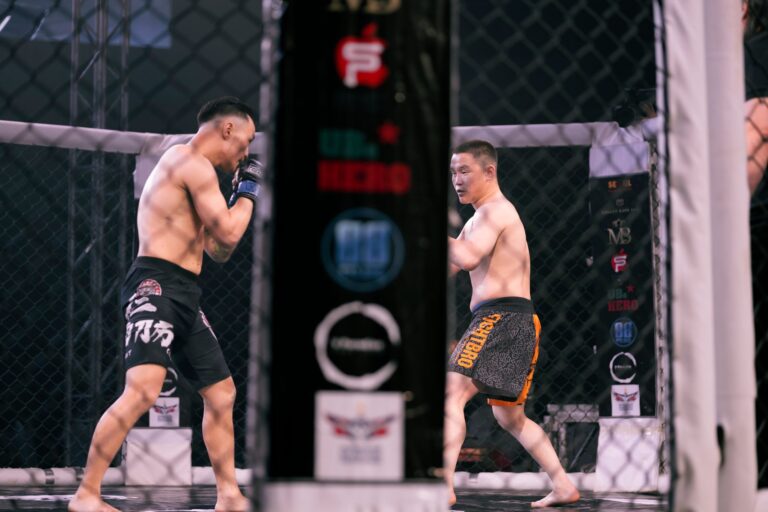
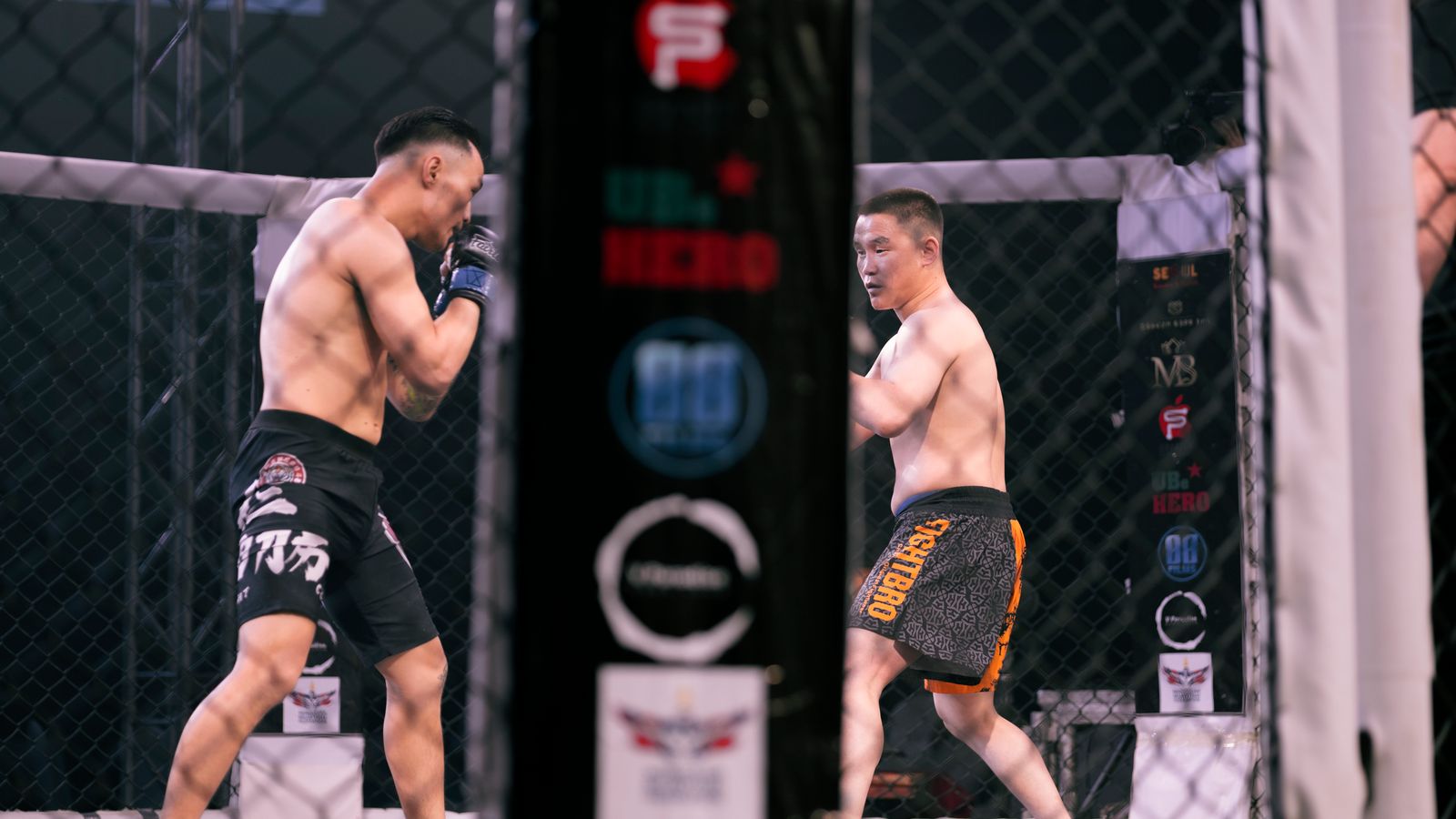
MMA footwork at championship level is short steps, a low stance, and constant angle work. Fighters live inside a 12-inch box — every step is measured. The flashy movement people post on social media (big lunges, spinning back kicks off a bounce) almost never survives a real exchange against someone who counters.
Watch Islam Makhachev pressure a striker for five rounds. He does not sprint. He shuffles forward at half-step distance, keeps his hips square enough to shoot at any moment, and forces the other guy to reset. That is the whole game. Cruz adds layers on top — line shifts, retreating angles, level fakes that pull the lead foot off the floor — but the foundation underneath is the same. Small steps. Balanced base. No crossed feet under pressure.
What separates pros from amateurs is not the speed of the movement. It is the read attached to it. Every step answers a question about the opponent’s weight, stance, and intent. Footwork without a read is just dancing.
The Core MMA Footwork Drills That Build Real Cage Movement
Five drills carry over to actual cage fights. The pivot off the lead foot, the L-step, the lateral shuffle into a check, the back-step with a counter cross, and cage cutting. Each one has a clear fight purpose. None of them require fancy equipment. All of them collapse the second they are done without a target line.
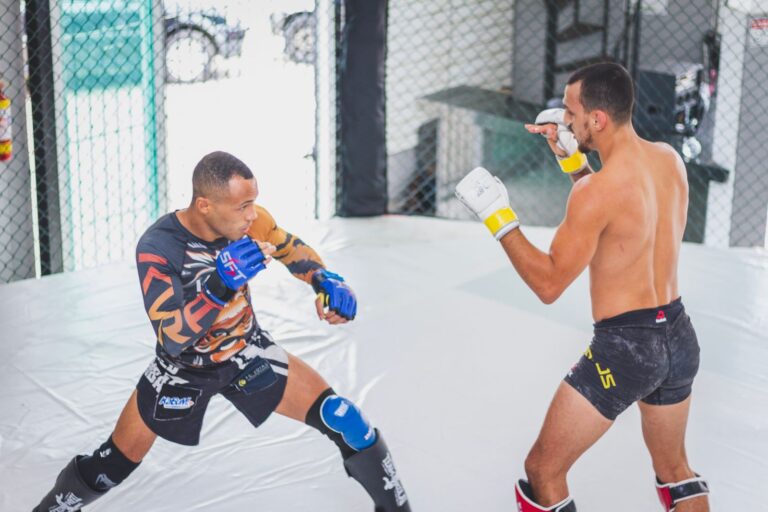
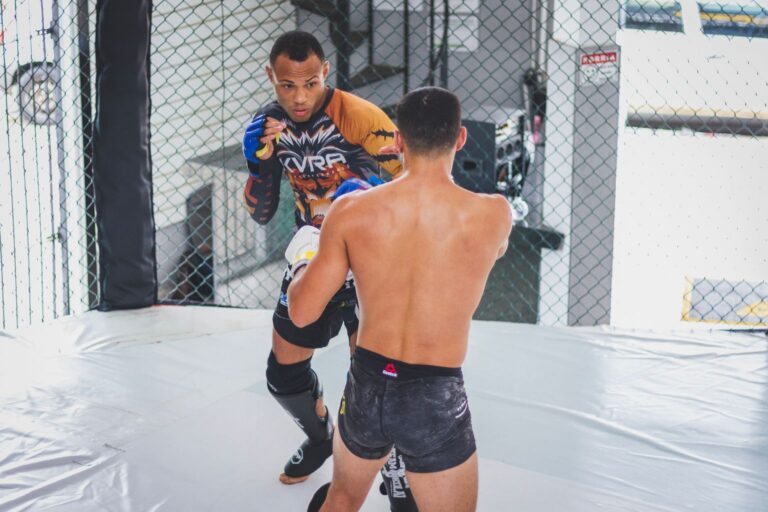
The pivot off the lead foot is the simplest. Throw a jab, pivot 45 degrees on the lead foot, end up off the opponent’s centerline. Repeat for five minutes. The point is the angle, not the punch.
The L-step breaks the line your opponent is tracking. Step out laterally, then forward. Their head turns to track you, their reset is half a beat slow, and your next strike lands clean.
Lateral shuffle into a check trains the rear leg to load while moving sideways. This is where calf kicks and body kicks live in a real fight. If your footwork can’t load a rear leg while moving, your kick game is one-dimensional.
Back-step with a counter cross teaches retreat without losing the rear hand. Most fighters bail out backward and drop their cross. The drill flips that habit.
Cage cutting is the championship-level drill. It needs a partner and a marked square. It is also the one that decides title fights.
Cage Cutting: The Footwork Skill That Beats Faster Fighters
Cage cutting beats speed. Cutting the cage means using lateral shifts to take away the space a faster fighter needs to circle out. You do not chase. You take half-steps that line up with the angle they want to escape on, then close the distance only when the cage is behind them. The cage does the work your speed cannot.
Gaethje did exactly this to Topuria. Topuria is the faster fighter — quicker hands, sharper reactions, better head movement on the feet. Gaethje did not try to win speed exchanges in open space. He used the cage as a wall and made every Topuria circle a step shorter than the one before. By the second round, Topuria was punching off his back foot. By the third, the read was gone and the lead hook found home.
This is the same principle Cruz built a career on. The difference is that Cruz uses cage cutting to set traps that open level changes and angle counters. Gaethje uses it to set up the lead hook and the calf kick. Same footwork pattern. Different finishing tool.
Why Most MMA Footwork Drills Fail to Carry Over
Most MMA footwork drills fail because they have no opponent and no purpose. A fighter slides around cones for ten minutes and calls it footwork training. In a real fight, that pattern collapses inside the first exchange because there is no read attached to the step. The footwork pattern is muscle memory. The decision behind it is not.
Three rules fix the carryover problem.
One — every step should answer a question. Where is the opponent’s lead foot? Are they loading the rear leg? Is the cage behind me or behind them? If the step is not answering a specific question, it is decoration.
Two — partner work earlier than you think. Even shadow work should have a target line painted on the floor, not just open space. Patterns drilled against air will not transfer to a body.
Three — film it. Watching your own footwork on camera will surface bad habits faster than any coach can call them out in real time. Crossed feet, lazy pivots, and centerline drift all show up on tape long before they show up as a knockout in a fight.
How TKO Tycoon Models Footwork as a Hidden Stat
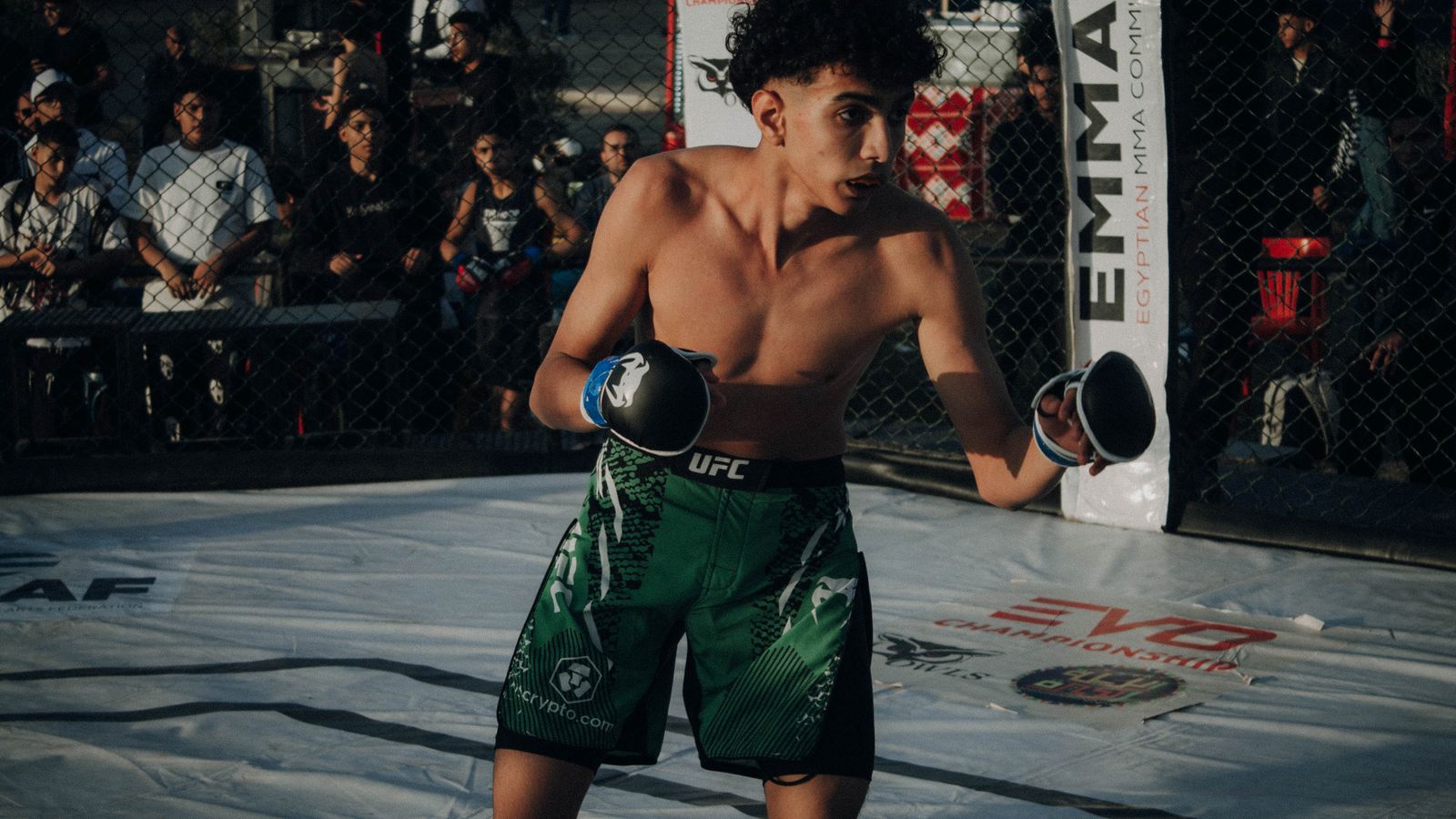
In real MMA, footwork shows up indirectly — through significant strikes landed, takedowns avoided, and round control time. The same is true in TKO Tycoon. Footwork is not a single number on the fighter card. It is the silent engine behind cage control, strike accuracy, and the ability to dictate range from the bell.
Build a fighter with high cardio and low footwork and you will watch them get cornered every fight. Build the same fighter with footwork training prioritized and that same cardio number suddenly translates into round wins. That mirrors the real sport, which is exactly the design call. Cardio without footwork is just fitness. Footwork without cardio runs out at the championship rounds. The two only matter together.
Run the experiment yourself in a single career arc. Pick a striker. Spend three training cycles on footwork before anything else. Then run the same archetype with three cycles on power. The footwork build wins more rounds at the same overall rating. That is the design and that is the sport.
Frequently Asked Questions About MMA Footwork
Are MMA footwork drills different from boxing footwork drills?
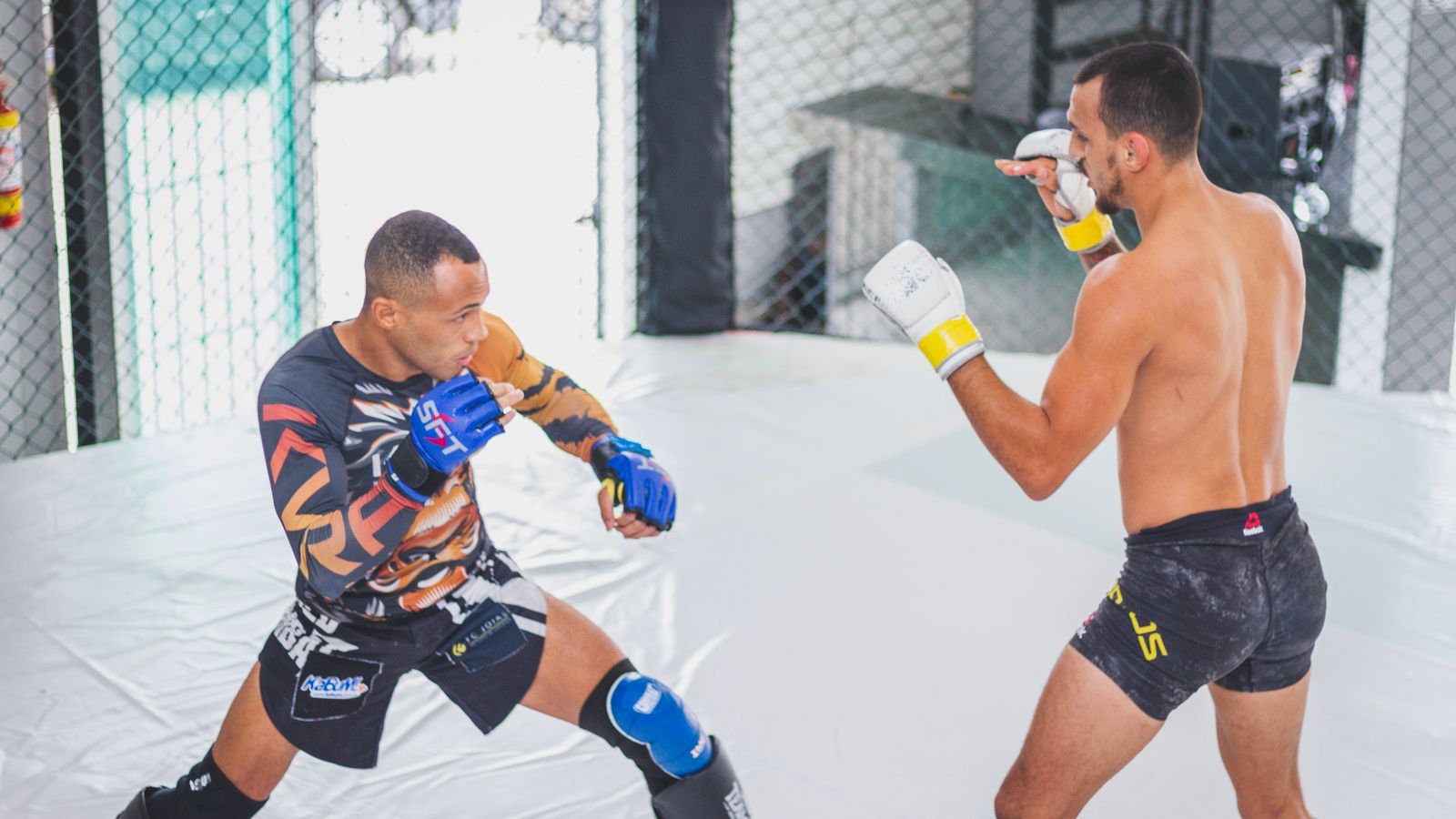
Yes. MMA footwork has to account for the takedown threat. The stance is wider, the lead leg sits lighter to check kicks, and crossing feet is more dangerous because it opens a single-leg. Boxing footwork is faster and lighter because the only attack to defend is a punch. The two share roots but the application is not interchangeable.
How long does it take to build real MMA footwork?
A new fighter needs six to twelve months of focused drilling before footwork stops being conscious. Cruz has said it took him over a decade to make his style automatic. The foundations show up fast. The unconscious read takes years.
Can you train MMA footwork at home without a partner?
Partially. Solo work builds the patterns — pivots, L-steps, lateral shuffles, back-steps. But footwork only becomes fighting footwork against another body. Solo work without partner drilling is a ceiling, and a lot of fighters hit it without realizing it.
What is the most common MMA footwork mistake?
Crossing feet under pressure. When a fighter is pressured backward, the instinct is to retreat in a straight line, which crosses the feet and loads the front leg. That is the exact moment most knockouts happen. Side-step out at an angle instead.
Try the Footwork Build in TKO Tycoon
Footwork in TKO Tycoon decides more fights than power. Test it. Pick a striker, prioritize the footwork training arc, and watch the cage control rating drag every other stat up with it. Play in the browser and see how a real MMA stat surfaces inside a strategy sim that was built by people who actually watch the sport.
References
- CBS Sports — UFC White House results: Justin Gaethje upsets Ilia Topuria — cited for Gaethje vs Topuria fight details and cage cutting in the title bout.
- UFC.com — Freedom 250 official results and post-fight interviews — cited for the lightweight title result and fight summary.
- MMA Mania — Biggest winners and losers from Freedom 250 — cited for analysis of the Gaethje cage cutting performance.
- BJJ Fanatics — Dominick Cruz MMA Footwork Hacks course — cited for the Cruz footwork drill methodology referenced throughout.
Into BJJ? TaipeiBJJ.com covers training resources and BJJ content.
Play TKO Tycoon — the MMA management game for fight fans.
Shop on Amazon
MMA & Boxing Gear on Amazon →
As an Amazon Associate we earn from qualifying purchases.