MMA Clinch Fighting: How Tied-Up Range Decides Title Fights
Randy Couture won three UFC heavyweight titles using a style that boils down to one sentence: walk the other guy to the cage, get hands on his head, throw short punches until something breaks. The clinch is the part of MMA that does not make highlight reels. It also wins more title fights than every spinning back kick in UFC history combined.
If you have watched a fight and wondered why the cleaner striker lost, the answer is usually the clinch. The cardio tax of getting tied up against the fence for 90 seconds is brutal. The damage from short elbows and body shots stacks up. Judges write down “octagon control” and the round is gone.
This is the technique that decides championship belts, and almost nobody analyzes it.
What Is the MMA Clinch? Four Tie-Up Positions That Decide Fights
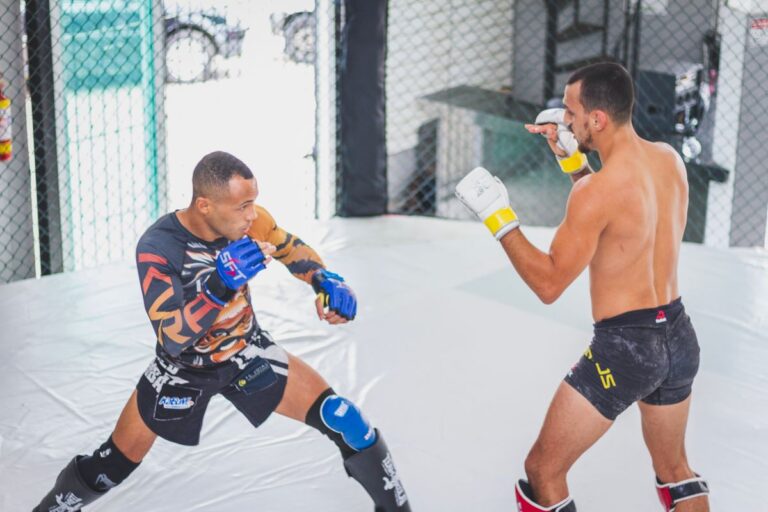
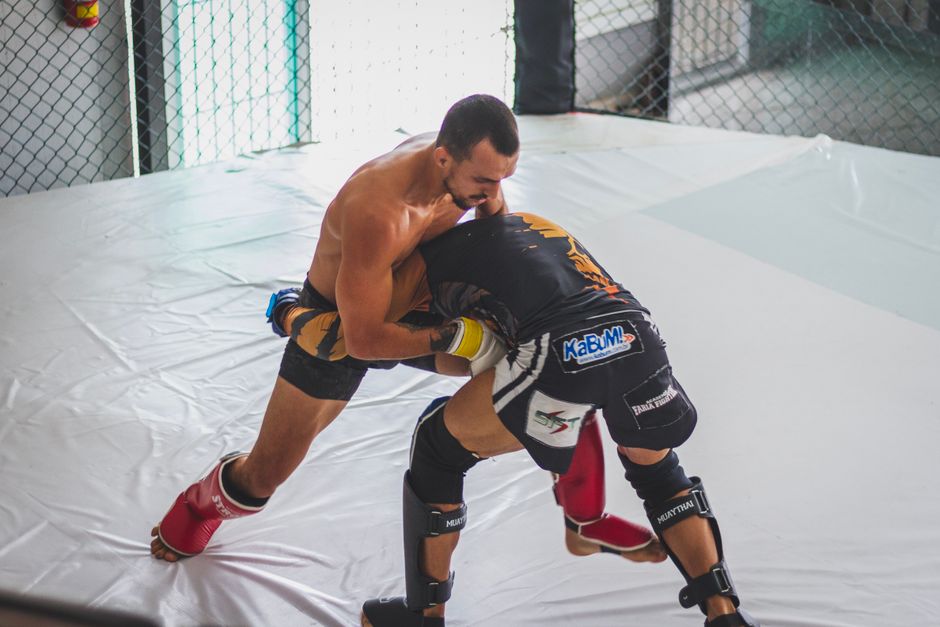
A clinch is any tie-up where both fighters control each other’s upper body at close range. MMA uses four versions: the collar tie, the over-under (classic wrestling stalemate), the double underhooks (takedown control), and the Muay Thai plum (both hands behind the head for knees).
Each position serves a different goal. Collar ties feed strikes. Over-unders fight for inside control before a takedown. Double underhooks finish takedowns or set up trips. The plum is pure damage — knees to the body and head until someone gives up the position. The fighter who knows which clinch to enter, and when, controls the fight.
This is where wrestlers eat boxers alive. Once a wrestler gets even one underhook against a striker who has not drilled grip fighting, the round is essentially decided. The boxer cannot punch with full power because his hands are pinned. He cannot move his feet because his hips are controlled. He just leaks oxygen until the bell.
Why the Muay Thai Plum Wins Title Fights (and Wrecks Cardio)
The Muay Thai plum — also called the double collar tie — is the most damaging clinch position in striking. Both palms behind the opponent’s skull, elbows squeezed inward, pulling his head down into rising knees. It looks simple on a heavy bag. In a fight it ends careers.
Anderson Silva used the plum to flatten Rich Franklin twice. Petr Yan has turned title fights with it. The mechanics are honest — your opponent cannot see the knees coming when his head is below his hips, and every knee that lands on the liver puts a deposit in his cardio bank that he cannot pay back.
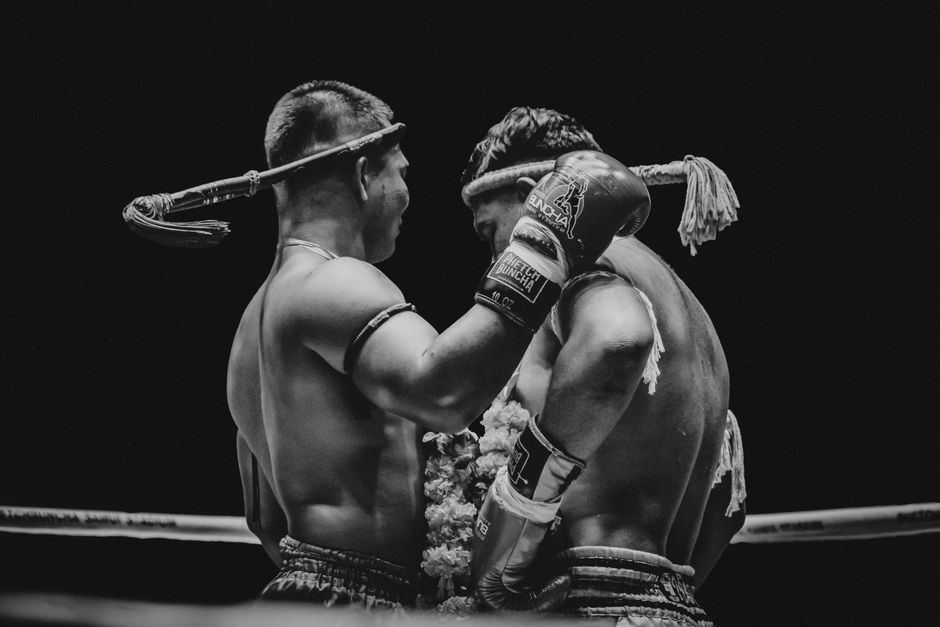
The defense is also brutal: you have to punch your way out, posture violently, or get to a body lock immediately. Hesitate and you lose three more seconds, eat three more knees, and the gas tank reads empty. This is why pure boxers without Muay Thai backgrounds get destroyed when they step in with kickboxers — they treat the clinch as a rest position. It is not. It is the most expensive 30 seconds in the fight.
Dirty Boxing: The Quiet Damage Inside the Clinch
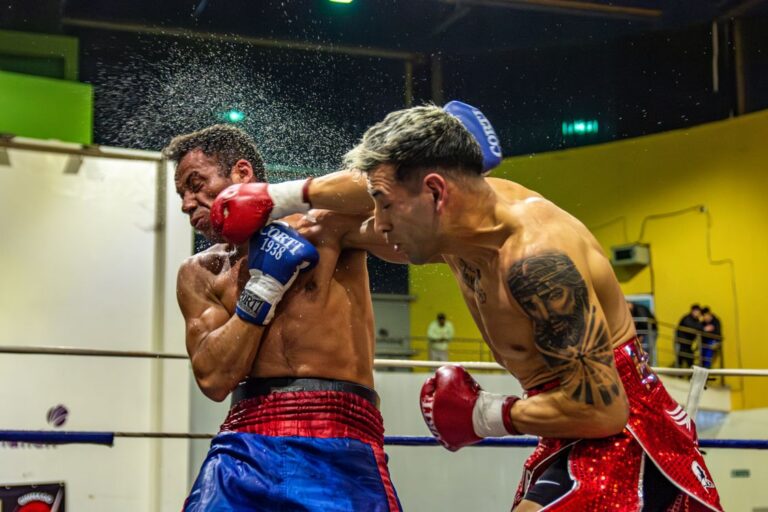
Dirty boxing is short-range punching from inside the clinch — usually one hand controlling the opponent’s posture while the other throws hooks, uppercuts, and body shots from inches away. Randy Couture built his whole career on it. Daniel Cormier copied the template and won two belts with it.
The reason it works is geometry. Normal boxing range needs space to rotate the hips and load the shot. Dirty boxing does not — the underhook or collar tie acts as a fixed pivot, and the punch travels six inches. The opponent cannot slip because his head is controlled. He cannot roll because his shoulders are pinned. Every shot lands clean.
How to Enter the Clinch Without Eating an Uppercut
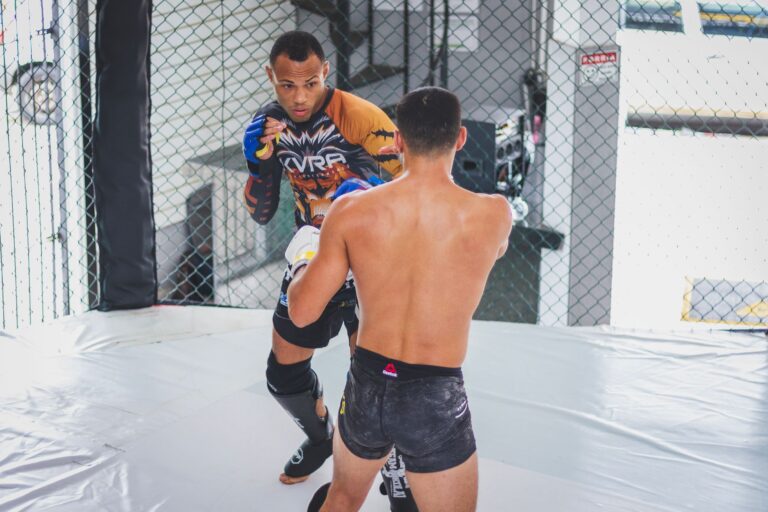
Entering a clinch is the single most dangerous moment of MMA striking. The fighter who initiates is exposed for half a second — head down, hands lowering, feet stepping forward into uppercut range. Get the timing wrong and you wake up on the canvas. Get it right and you control the next two minutes.
There are three honest ways in. First, the punching entry — throw a 1-2 to cover the level change, follow the cross into a collar tie. Second, the kick catch — eat or check a kick, catch the leg, walk forward into a body lock. Third, the reactive entry — slip a punch, step inside, and snake the underhook before he resets.
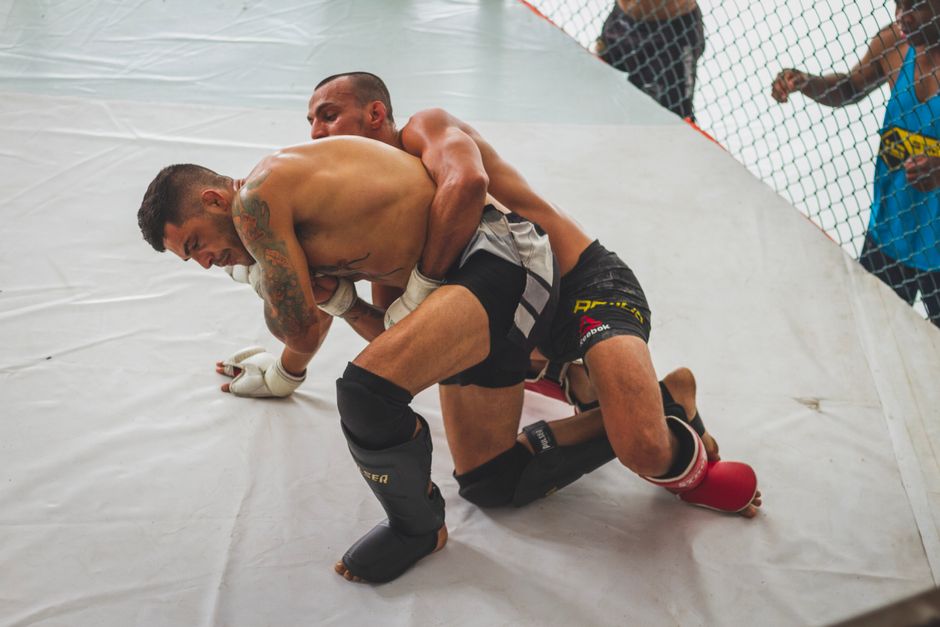
The wrong way is the open shoot — running forward with both hands low, hoping to grab a body lock before he punches. That is how Junior dos Santos hurt every wrestler who tried to take him down. Real clinch entries always cover the line of fire first. Justin Gaethje’s clinch game is one of the cleanest live examples in the sport right now.
Why Clinch Fighters Almost Always Steal Round Three
Cardio is the answer, but the mechanism is specific. Carrying another adult’s weight for 45 seconds drains anyone who has not trained for it. A clinch fighter has — that is most of his training week. By round three the striker’s hands drop, and the clinch fighter is throwing the same shots he did in round one.
This is also where judging discretion saves clinch fighters who do not get finishes. “Octagon control” and “effective aggression” are two of the four official UFC scoring criteria. A round spent walking a fighter to the fence and grinding him there scores higher on both than a round spent throwing volume at distance. Judges are not always right — but on close rounds, the guy who held the clinch usually wins the card.
That is why wrestling-based fighters keep collecting belts. We covered this dynamic in our breakdown of why wrestlers keep winning UFC titles in 2026 — the clinch is the bridge between wrestling and damage, and most strikers still do not train it seriously.
How TKO Tycoon Models Clinch Combat (And What It Tells You About Real MMA)
In TKO Tycoon, clinch outcomes depend on three attributes: Clinch Control (winning the tie-up), Cardio (holding the position), and Dirty Boxing (damage from inside). The interactions match real MMA — high cardio with low clinch control gets you muscled out, while strong clinch with weak cardio wins the entry but gases before the damage matters.
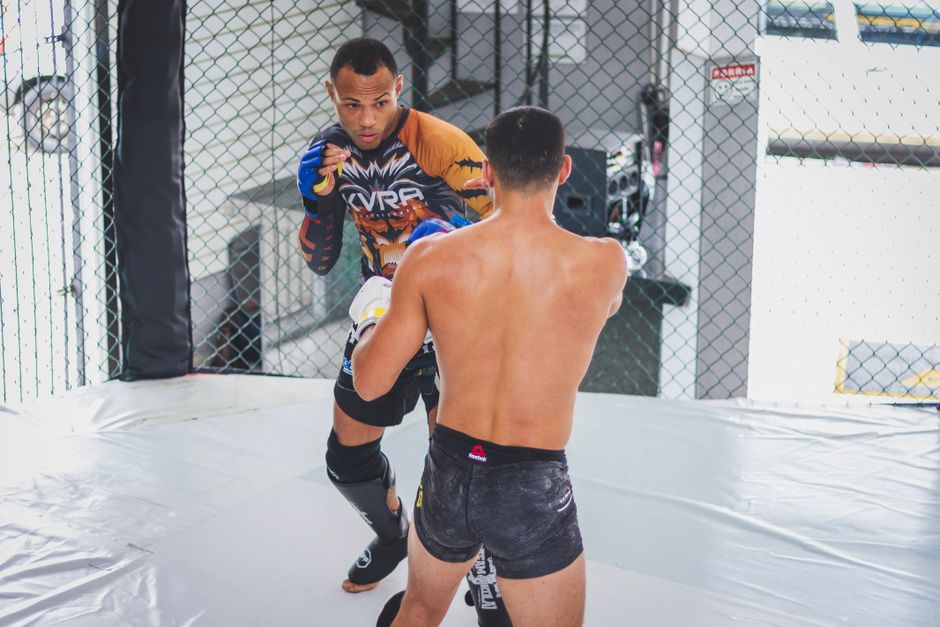
The match recap will tell you, in plain language, what won the round — “controlled 1:45 of clinch time, landed 12 short elbows” — which is exactly the language MMA judges use. That is not an accident. The point is not to simulate a UFC card. The point is to teach you how fights are actually won, by stripping away the highlight-reel illusions and showing the boring math underneath. Clinch fighters win because clinch math wins.
Play TKO Tycoon and Feel the Clinch Math
Want to see how clinch math plays out across a 12-fight career? Play TKO Tycoon free in the browser and build a fighter with maxed Clinch Control and Cardio. Five matches will teach you more about why title fights look the way they do than a year of analyst breakdowns.
Frequently Asked Questions
Is the clinch legal in MMA?
Yes — the clinch is a permitted position in every major MMA promotion. Strikes from the clinch are legal as long as they target legal areas. The only restrictions are knees to a grounded opponent under the unified rules, and grabbing the cage or shorts.
Who is the best clinch fighter in UFC history?
Most analysts point to Randy Couture, Jon Jones, or Anderson Silva. Couture built a Hall of Fame career almost entirely on dirty boxing from the cage clinch. Jones uses oblique kicks and frame-based clinch entries that nobody has fully solved. Silva used the Muay Thai plum to win his title and defend it for a decade.
How do you defend the Muay Thai plum?
Posture up immediately, frame the inside of your opponent’s biceps with your forearms, and circle out while controlling his hips. Do not try to muscle the grip off — strong neck-tie fighters will win that battle. Wrist control and angle change are the fastest exits.
What is the difference between a clinch and a takedown?
A clinch is a standing tie-up where both fighters remain upright. A takedown is the act of putting one fighter on the mat from the clinch or open space. Most takedowns start from a clinch position — usually a body lock, double underhooks, or single-leg setup — but a clinch can stay standing indefinitely.
References
- Evolve MMA — The Science of Dirty Boxing: 9 Techniques to Frustrate Your Opponent — clinch striking taxonomy and mechanics
- UFC.com — Official News and Rules — unified MMA rules and scoring criteria
- MMA Fighting — Anderson Silva and Petr Yan clinch coverage referenced for plum technique examples
- Bloody Elbow — Randy Couture career analysis on cage-wall dirty boxing
Play TKO Tycoon — the MMA management game for fight fans.
Shop on Amazon
MMA & Boxing Gear on Amazon →
As an Amazon Associate we earn from qualifying purchases.
Shop on eBay
MMA & Boxing Gear on eBay →
We may earn a commission when you shop through our eBay links.