MMA Conditioning Explained: Why Fighters Gas Out (And How TKO Tycoon Models It)
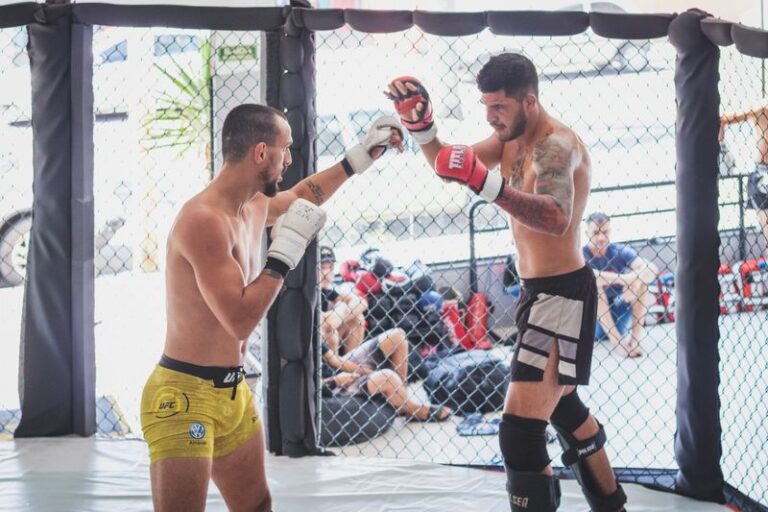
Watch any UFC card and you can pick out the fighter who skipped his conditioning camp by the end of Round 2. The hands drop. The stance widens. The head movement disappears. Then a punch he would have slipped at the opening bell ends the night. MMA conditioning is the boring half of fight prep nobody films for the highlight reel, and it decides more title fights than any single technique.
Most fans think of cardio as one thing — running until you don’t suck wind. Real fight conditioning is three different engines doing three different jobs, and training them wrong is why so many gifted fighters peak at 155 pounds and never see a five-round main event.
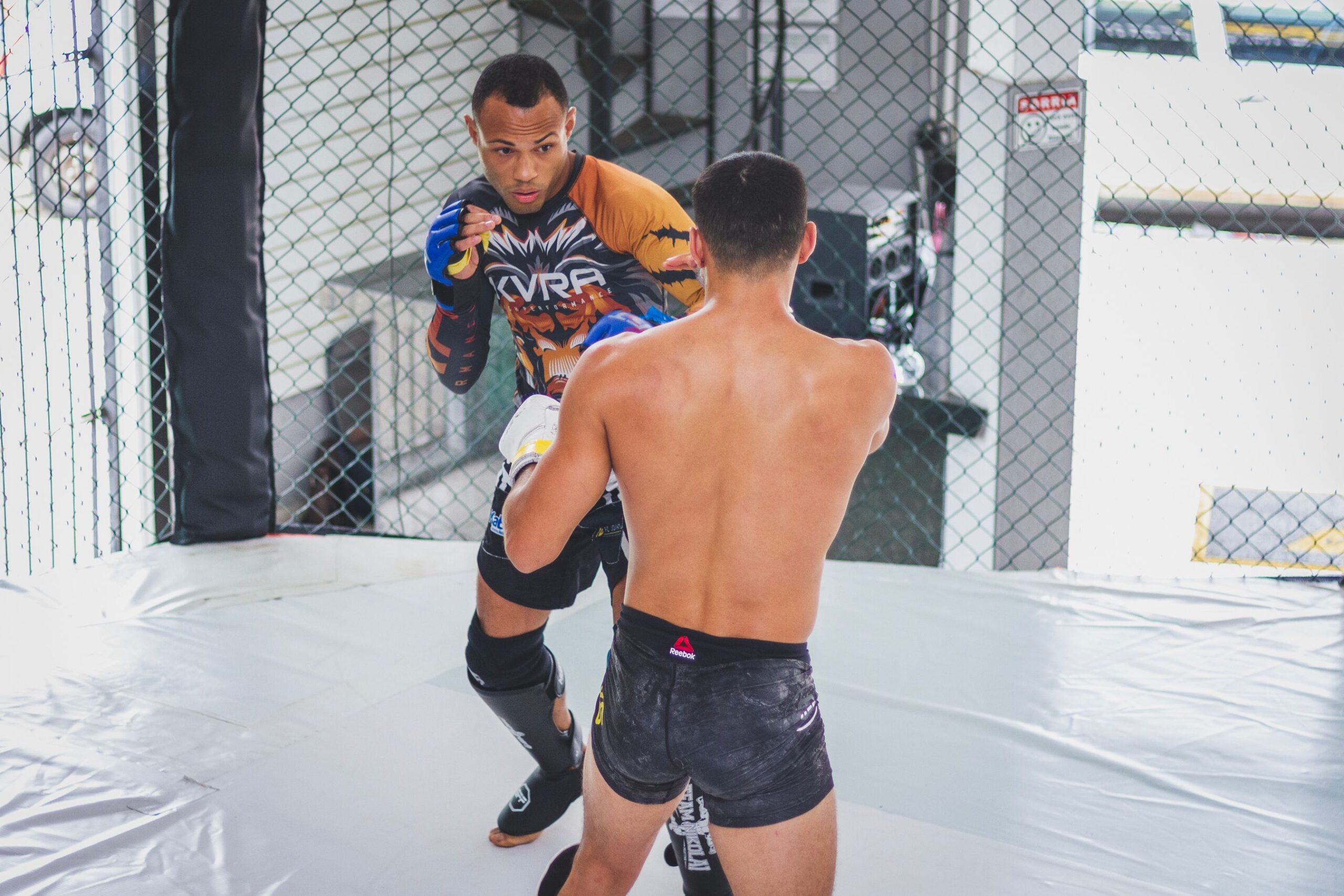
What MMA Conditioning Actually Means at the Pro Level
MMA conditioning is the trained capacity to produce force repeatedly across alactic, glycolytic, and aerobic energy systems for 15 to 25 minutes under contact stress. It is not “cardio.” A fighter who can run a 5K in 20 minutes can still gas in 90 seconds against a wrestler riding top position. The systems are separate, and they need separate work.
Strength coaches break the engine into three pieces. The alactic system fuels the explosive 6-to-10-second exchanges — a takedown, a flurry, a scramble out of side control. The glycolytic system runs the 30-to-90-second high-output windows where fighters pour out combinations. The aerobic system pays back the debt between those windows and keeps the lights on for the full 25.
Why Fighters Gas Out in Round 2 Even When They Train Hard
Fighters gas in Round 2 because their aerobic base is too small to clear lactate fast enough between exchanges. Adrenaline burns through their alactic stores in Round 1, the glycolytic system dumps acid into the muscles, and without a developed aerobic engine to recover, the fighter’s output collapses. It is a recovery problem, not a willpower problem.

Adrenaline dump is the silent killer. New pros walk to the cage with cortisol and adrenaline already spiking. By the time they answer the second-round horn, their hormonal cost has been three times higher than a veteran with a calmer nervous system. The aerobic floor is what lets them recover between exchanges instead of grinding their stores down to nothing.
Joel Jamieson’s Three-System Framework for Fight Camps
Joel Jamieson — strength coach for Demetrious Johnson, Rich Franklin, and dozens of UFC champions — argues that MMA conditioning has to train the aerobic, anaerobic, and alactic systems in that order of priority. Build the base first. Layer high-output work on top. Sharpen the explosive piece last, closest to fight night. Reversing the order builds fast-twitch fighters who fade.
The framework also tracks recovery through heart rate variability. Most amateurs train hard every day and recover poorly. Jamieson’s HRV-based approach pulls back when the nervous system is fried, which is the whole reason fighters at his Performance MMA gym tend to peak on fight night instead of two weeks before.
Aerobic Base — The Foundation Most Fighters Skip
The aerobic base is the size of your tank, and most MMA fighters undertrain it because zone-two cardio feels unmanly. Three to four sessions a week of 45-to-60-minute work at roughly 130-to-150 BPM — bike, row, jog, shadowbox — over 8 to 12 weeks expands stroke volume, mitochondrial density, and the body’s ability to clear lactate. That is the change you feel in Round 3.
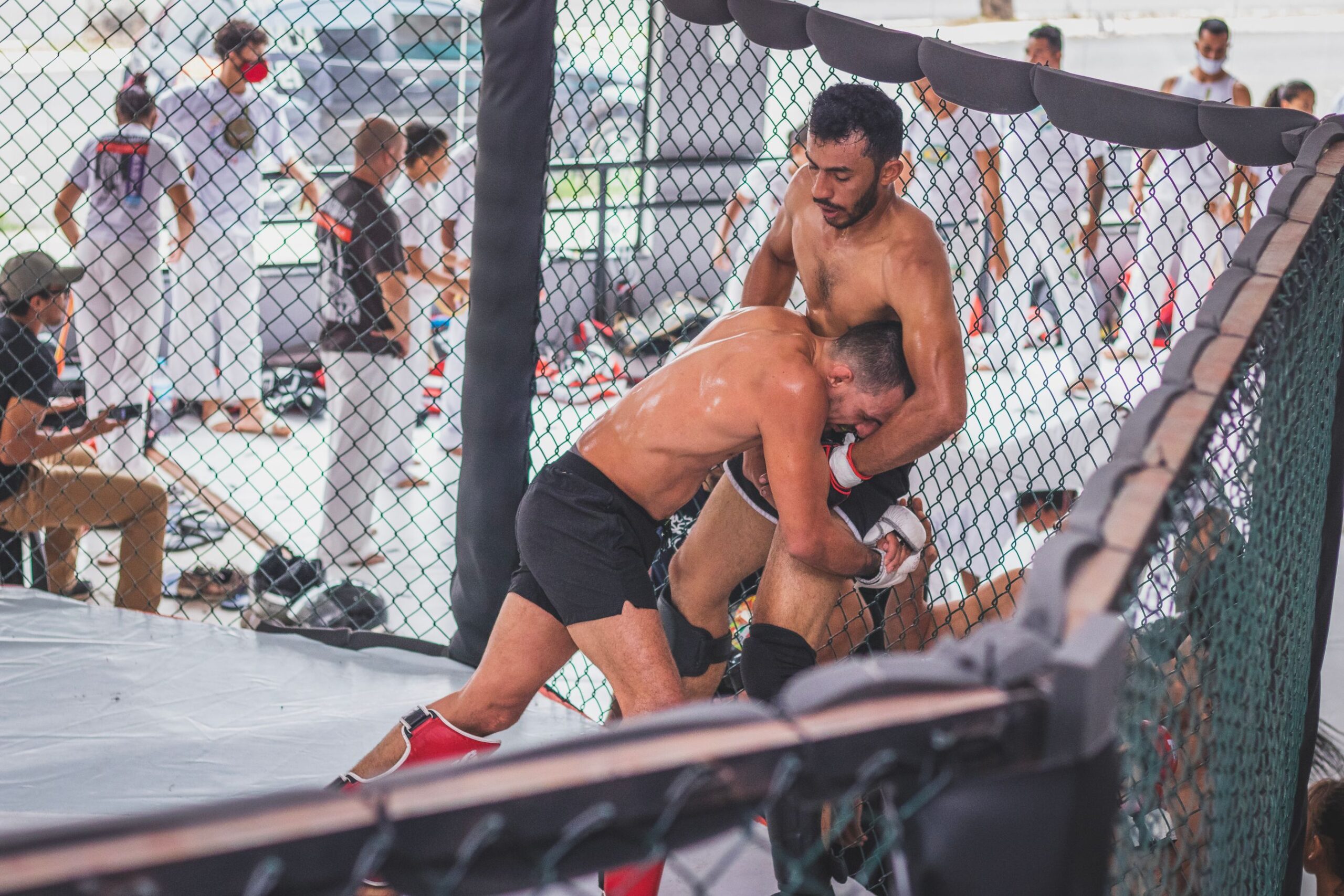
The mistake newer fighters make is treating every session as a war. Hard rolls, sprints, all-out bag work — five days a week. The body never gets to build the slow-twitch, oxygen-using machinery that backs everything else up. Champions like Georges St-Pierre and Khabib Nurmagomedov famously spent half their camps in steady-state, low-intensity work — and the wrestlers dominating UFC belts in 2026 follow the same template.
Sport-Specific Conditioning Beats Generic Cardio Every Time
Generic cardio builds a generic engine. Fight-specific conditioning trains the exact movement patterns and energy demands a fighter will face under contact, so the adaptations carry into the cage. Five-minute round-clock circuits — bag, sprawl, shoot, scramble — beat a 10K run for fight prep because the demand profile matches.
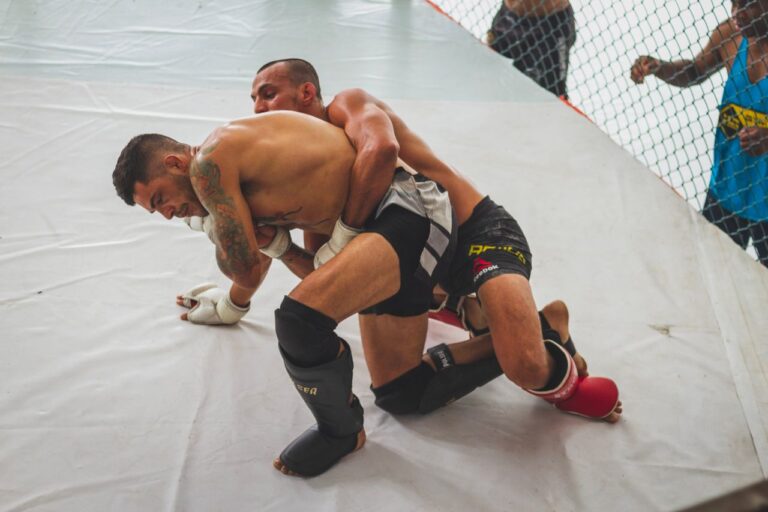
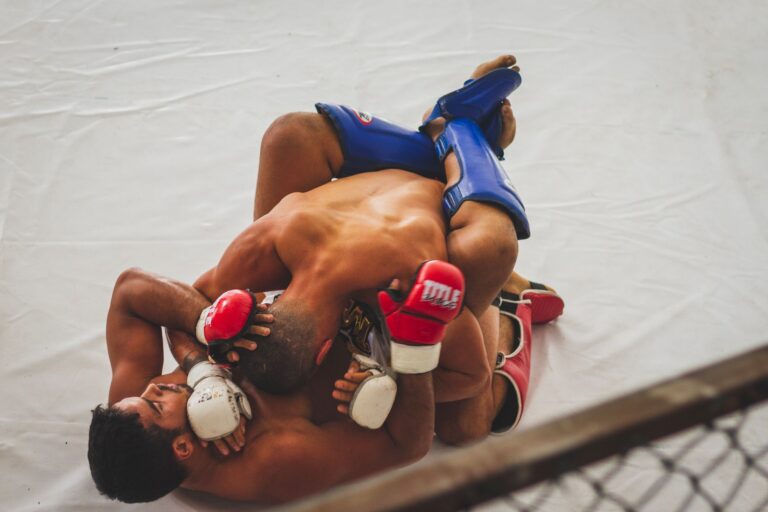
This is also why fighters who only roll BJJ for cardio struggle in five-round championship fights. Rolling builds grappling-specific endurance with long isometric holds. It does not build the explosive shot-and-stand-up pattern a striker needs to keep their feet for 25 minutes. The work has to match the job.
How TKO Tycoon Models Conditioning in the Cage
In TKO Tycoon, conditioning is a separate stat from speed and power for a reason. A fighter with high power and low conditioning lands huge shots in Round 1 and then becomes a heavy bag in Round 3. The sim runs round-by-round stamina drains tied to output, and fighters with under-trained aerobic bases see accuracy and chin both decay together — exactly like real life.
The strategic question for a TKO Tycoon manager is whether to push a striker into a five-round main event before their conditioning catches up. Promote too fast and you watch the same Round 3 collapse a thousand real prospects have walked into. The game treats conditioning the way Jamieson does: slow to build, fast to lose, the difference between a contender and a champ.
Conditioning Mistakes That Cost Fighters Title Shots
The most expensive MMA conditioning mistakes are running too much steady-state in fight week, going to failure on every interval session, skipping recovery work, and training cardio after a brutal sparring day. Each of these drains the same system instead of layering complementary work, and the cost shows up in late-round output exactly when the title is on the line.

Watch any post-fight breakdown after a championship loss and the loser’s coach will name one of those four. Fighters who lose narrow decisions in Round 5 almost never lose on skill. They lose because their gas tank ran dry 90 seconds before the final horn, and a judge saw the cleaner finishing combo go the other way.
Frequently Asked Questions About MMA Conditioning
How long does it take to build a real MMA gas tank?
Building a real MMA gas tank takes 12 to 16 weeks of structured aerobic and anaerobic work. The aerobic adaptations — stroke volume, mitochondrial density, capillary growth — need eight weeks before they show up. Layering high-intensity intervals on top adds another four to six weeks of work.
Is running good for MMA conditioning?
Running is fine for building an aerobic base but a poor primary tool for fight-specific conditioning. The movement pattern does not match cage demands. Use easy zone-two jogging as one piece of base work and replace harder running with sport-specific circuits closer to fight night.
Why do some fighters never seem to gas out?
Fighters who never gas tend to have years of high-volume aerobic training plus calm nervous systems that conserve adrenaline. Khabib Nurmagomedov, Cain Velasquez, and Demetrious Johnson all share that profile. Their aerobic engines clear lactate so fast that exchanges feel cheap to them and expensive to opponents.
How is MMA conditioning different from boxing conditioning?
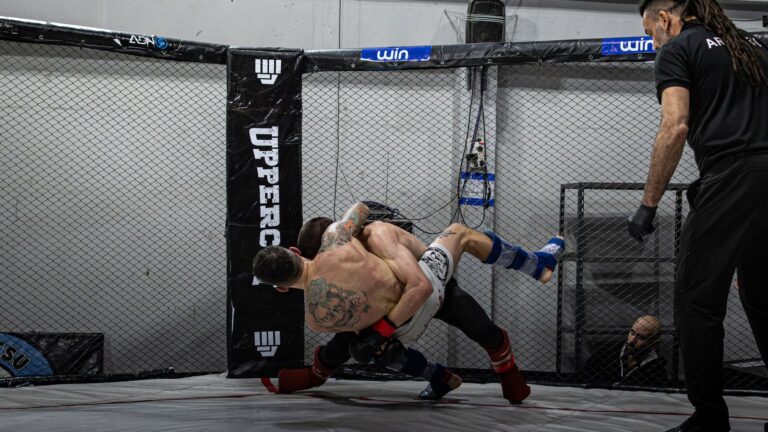
MMA conditioning has to support grappling exchanges that involve sustained isometric holds, takedown sprawls, and scrambles. Boxing conditioning is built around shorter explosive rounds with cleaner footwork demands. MMA fighters need a bigger aerobic base because the variety of demands taxes more systems in any single round.
Test Your Own Fight IQ in TKO Tycoon
If reading about Round 3 gas tank collapses made you want to build a fighter who never fades, run a camp in TKO Tycoon. The game lets you decide how to split a fighter’s prep between aerobic base, high-output intervals, and sharp explosive work — and then it shows you the result on fight night. Build a contender. Or build a Round 3 highlight for someone else.
References
- 8 Weeks Out — Joel Jamieson — three-system conditioning framework, HRV-based recovery, Ultimate MMA Conditioning method
- ESPN MMA — fight-night cardio analysis and championship round breakdowns referenced for late-round patterns
- MMA Fighting — fighter interviews on training camp structure and conditioning approach
- Sherdog — historical fight statistics on Round 3+ output drop-off in championship bouts
Into BJJ? TaipeiBJJ.com covers training resources and BJJ content.
Play TKO Tycoon — the MMA management game for fight fans.
Shop on Amazon
MMA & Boxing Gear on Amazon →
As an Amazon Associate we earn from qualifying purchases.
Shop on eBay
MMA & Boxing Gear on eBay →
We may earn a commission when you shop through our eBay links.