Magomed Ankalaev Fighting Style: 7 Reasons He Terrifies Every Light Heavyweight
Magomed Ankalaev spent three rounds dismantling Alex Pereira at UFC 313 — the man nobody could finish — and walked out the UFC Light Heavyweight Champion. The fact that Pereira took the belt back at UFC 320 and then vacated it entirely to chase Ciryl Gane at heavyweight doesn’t change what Ankalaev is: the most complete and dangerous light heavyweight in the world right now. New champion Carlos Ulberg has a target on his back, and Ankalaev is the one holding the arrow.
So how does he fight? More importantly, why is he so hard to figure out — and even harder to beat?
The Dagestan Blueprint: Why Ankalaev’s Wrestling Base Is Different
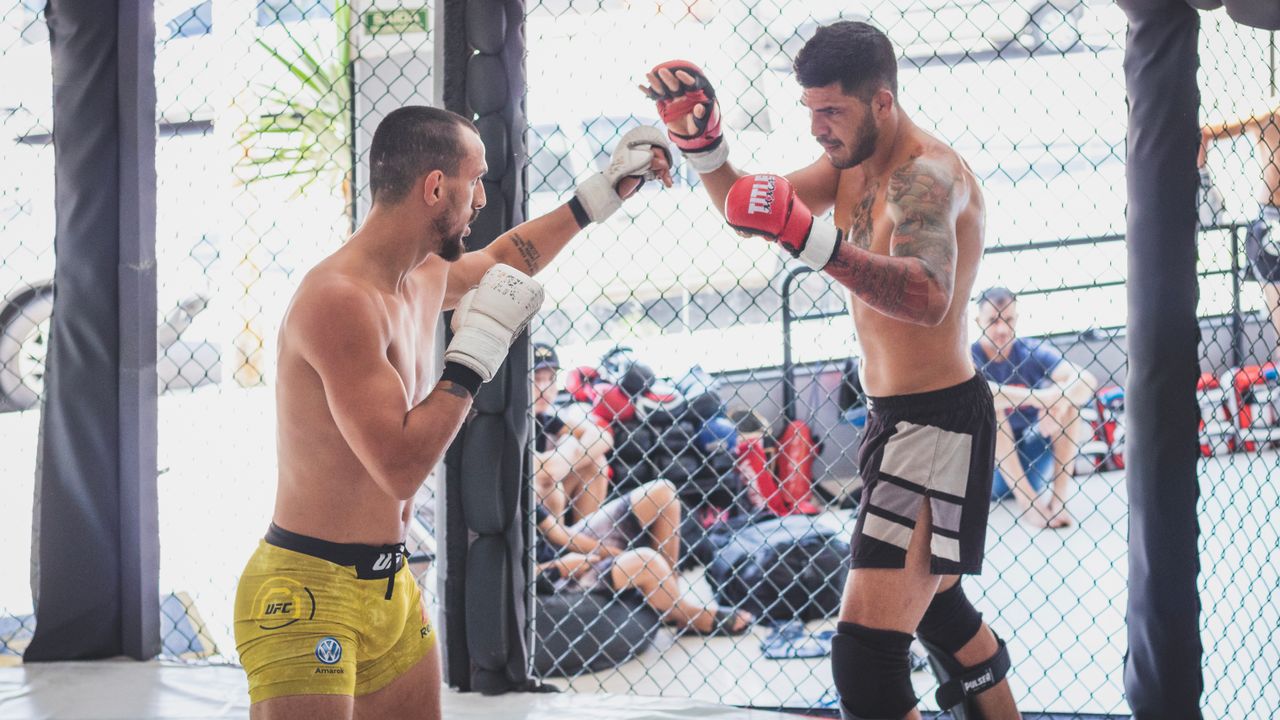
Ankalaev is a Sambo world champion from Makhachkala, Dagestan — the same wrestling culture that produced Islam Makhachev and Khabib Nurmagomedov. His grappling isn’t just a safety net. It’s a weapon he deploys with the same calculated patience he uses in his striking game.
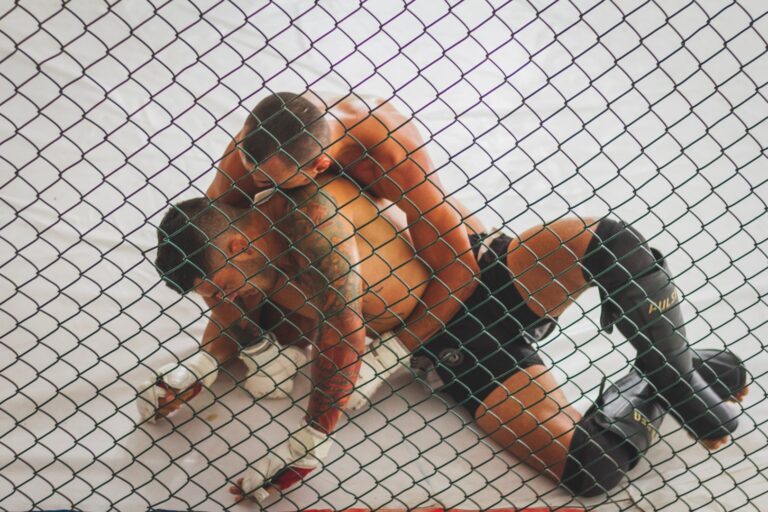
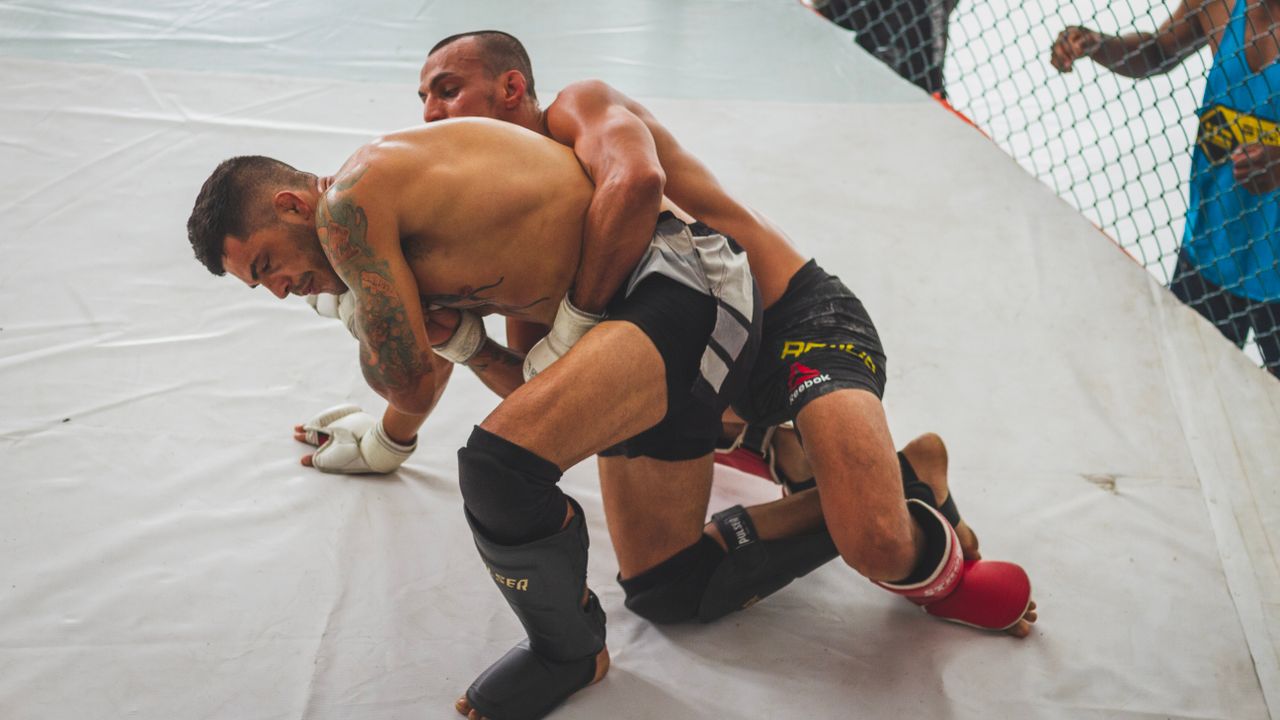
What separates Dagestan-trained wrestlers from typical collegiate grapplers is positional intelligence. Ankalaev doesn’t scramble wildly or try to impose his will on every exchange. He uses his wrestling to control range, tire opponents, and manufacture the striking angles that lead to his knockouts. Against Pereira in UFC 313, his repeated trips and clinch work drained Pereira’s gas tank in the later rounds until the Brazilian had nothing left to defend with.
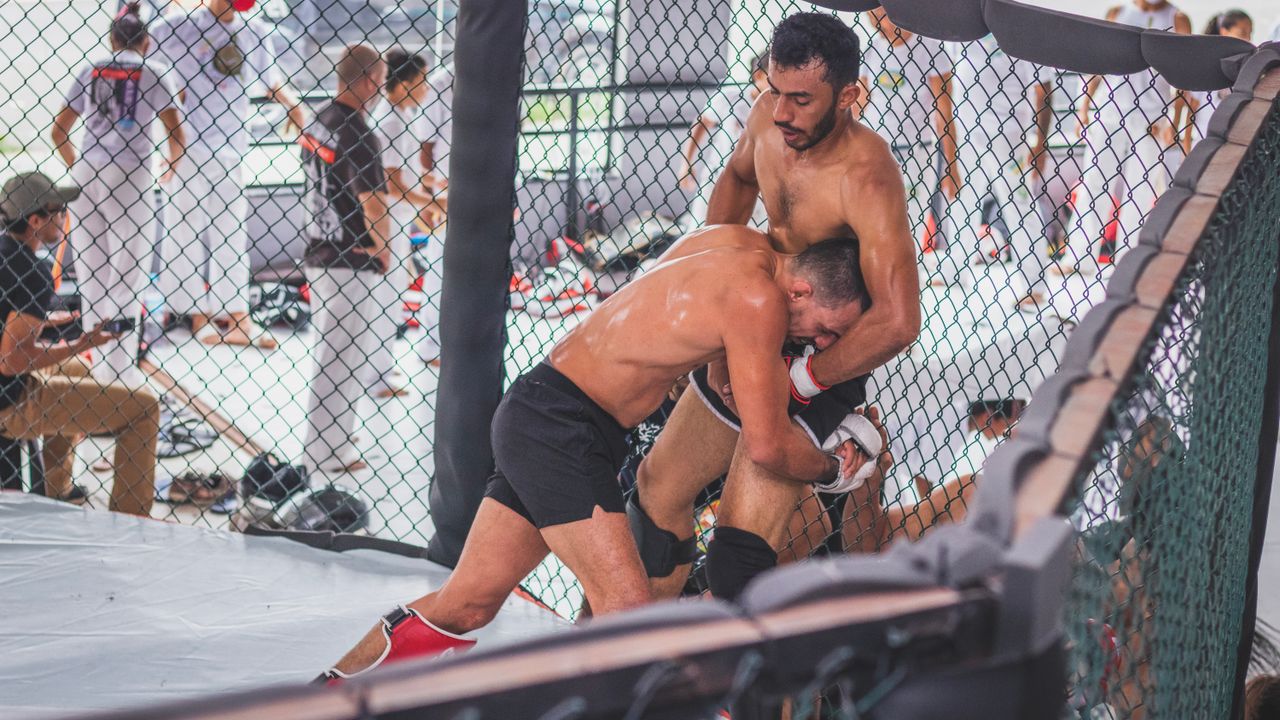
His throw selection is also elite. He regularly lands Sambo-style hip throws and trips in the clinch that look deceptively casual until the opponent realizes they’re eating mat. Bogdan Guskov found out at UFC Abu Dhabi in July 2026 — Ankalaev worked him over for five rounds, broke him down, and finished him with a TKO in the final frame.
The Left Hand That Ended Careers: Ankalaev’s Knockout Power
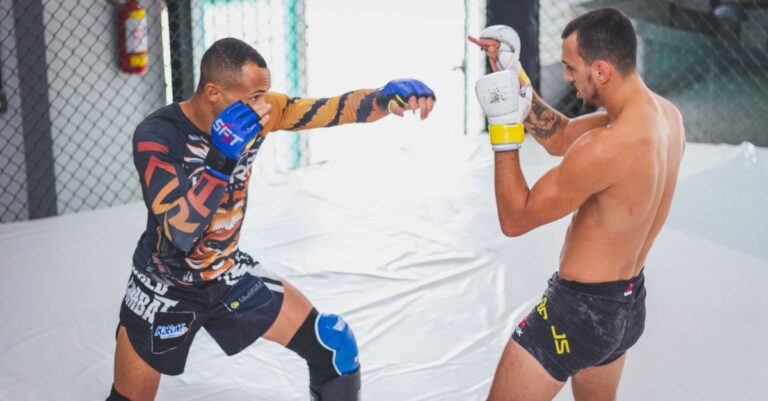
Ankalaev carries one-punch knockout power in his left hand — the kind that changes a fight with a single shot. His 15 knockouts are spread across all distances: counter left hooks, looping overhand lefts, and short uppercuts in the clinch.
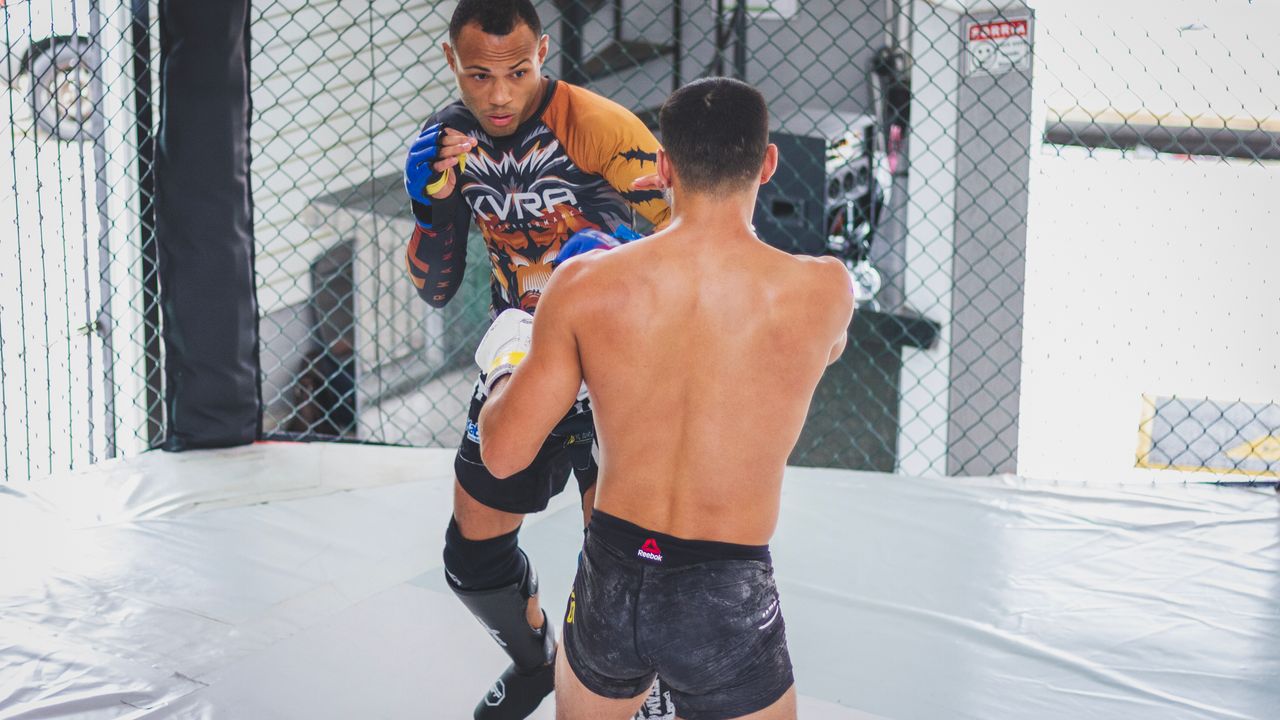
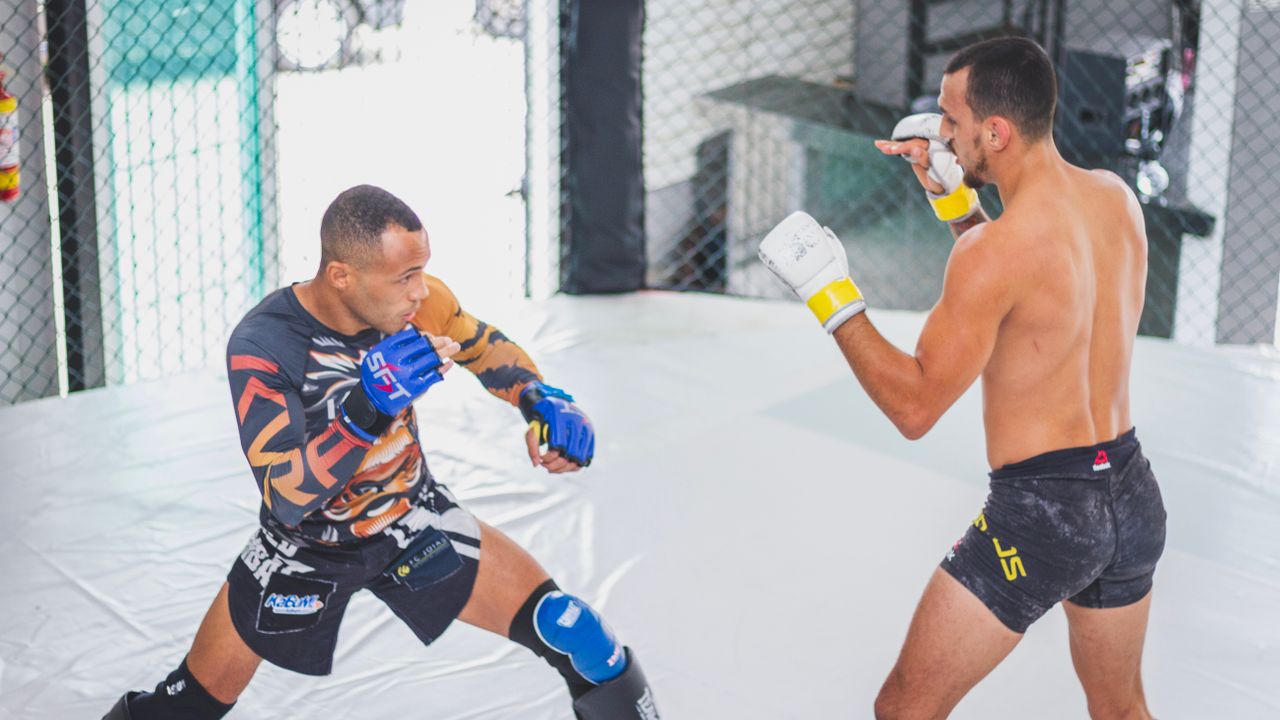
What makes his striking dangerous isn’t just raw power. It’s the setup. Ankalaev spends entire rounds throwing his jab and right hand to condition his opponent’s eye to those patterns, then switches levels, throws a level-change feint, and lands the left hand from an angle the opponent isn’t watching. He’s patient in a way that gets painful. You’ll see him throw the same jab four times in a row, doing apparently nothing, then land a left hook counter the fifth time when the opponent tries to answer. That’s not randomness — that’s pattern recognition exploited at elite speed.
His reach (approximately 79 inches) lets him land these shots from ranges where shorter opponents think they’re safe. Light heavyweights who try to live outside usually get hit going in and out. Light heavyweights who try to close the distance run into his wrestling. There’s no comfortable range against this man.
Defensive Wrestling: The Skill That Made Him Champion
Top-tier offensive wrestling is common in the UFC. Defensive wrestling at Ankalaev’s level is not. He stuffs takedowns with his hips, sprawls cleanly, and recovers his base faster than almost anyone in his division. This matters because it eliminates a major counter-strategy against him.
Opponents can’t just “out-wrestle” Ankalaev to negate his striking. Jan Blachowicz tried during their 2022 contest — Blachowicz is a credentialed wrestler — and spent most of the fight being outgrappled while also eating shots on the feet. The fight ended in a controversial draw, but the performance showed clearly who controlled the exchanges.
His defensive wrestling also makes him nearly impossible to put on the ground against his will. If a fight stays standing, Ankalaev has the striking. If it goes to the clinch, he has the Sambo throws and dirty boxing. If it goes to the mat, he has the wrestling and ground-and-pound. Choose your poison.
The Pace Game: How Ankalaev Breaks Opponents Over Time
Ankalaev doesn’t go for broke in round one. This frustrates fans who want immediate violence, but it’s a calculated strategy that works. He spends the opening rounds gathering data — reading his opponent’s reactions, mapping their defensive habits, and stacking up small physical advantages with constant pressure and clinch work.
By round three, the opponent is carrying a cardio tax from dealing with the wrestling. By round four, they’re hesitating slightly at the wrong moments. By round five, they’re open to the left hand that’s been loading all fight. The Guskov TKO in round five wasn’t a lucky break — it was inevitable. Ankalaev could have fought six more rounds if needed.
This pace-based approach also makes him exceptionally difficult to game-plan against. You can prepare for his jab-left hand combination. You can’t easily prepare for the slow accumulation of physical and mental pressure he applies across 25 minutes.
What Pereira Taught the Division About Ankalaev’s Ceiling
The UFC 320 rematch told an uncomfortable story. Pereira, with fresh camp adjustments and a burning desire to reclaim his belt, closed the distance more aggressively and found Ankalaev’s chin with his right hand combination earlier in the fight. Ankalaev was stopped. It was the second time Pereira finished him — the first ending in controversial fashion at UFC 308 before the title run.
Here’s the honest read: Ankalaev, when he fights Pereira, sometimes abandons the patient game and tries to match fire with fire. That’s a losing strategy against possibly the most dangerous knockout striker in UFC history at any weight. The moments when Ankalaev has looked beatable are the moments he’s stopped trusting his system.
Against Ulberg — who is a different fighter with different threats — Ankalaev’s system should dominate. Ulberg is an elite kickboxer with serious KO power, but his wrestling defense is a question mark at the championship level. Ankalaev’s ability to mix levels, blend the clinch, and impose physical attrition should be a significant problem.
The Ulberg Problem — And Why Ankalaev Is Still the Favorite
Carlos Ulberg is the UFC Light Heavyweight Champion after his first-round KO of Jiri Prochazka at UFC 327. Nobody should underestimate him — Prochazka is one of the most dangerous fighters in the division, and Ulberg put him away quickly and cleanly.
But Ulberg’s profile as a kickboxer-first champion is the kind of game that Ankalaev is specifically built to beat. Ankalaev’s wrestling neutralizes striking by taking away clean range. His dirty boxing shuts down high-output kickboxers in the clinch. His conditioning outlasts most finishers in championship rounds.
The Pereira loss hurt Ankalaev’s reputation, but look at the full record: one loss to Pereira, one NC, one controversial draw, and a string of dominant performances against legitimate LHW threats. This is a former champion who didn’t just win the belt — he took it from the most feared knockout artist in MMA. Give him credit.
How TKO Tycoon Captures the Ankalaev Archetype
If you’ve played TKO Tycoon, you know the archetype: the wrestler who can also punch. These fighters are frustrating to fight against in the game for the same reason they’re frustrating in real life — they erase your defensive game plan by giving you two losing options at every range.
When you’re managing a fighter in TKO Tycoon against a high wrestling + heavy hands build, the lesson from Ankalaev applies directly: don’t try to match them physically unless your striking output is elite enough to finish before the grappling tax accumulates. Either outbox them from the outside with volume and movement, or commit to the clinch and out-dirty-box them — which requires serious close-range striking stats to work. Trying to trade and wrestle in the middle is exactly what most of Ankalaev’s opponents have done. Most of them lost.
FAQ: Magomed Ankalaev Fighting Style
- What is Magomed Ankalaev’s fighting style?
- Ankalaev fights out of an orthodox stance with a Sambo and wrestling base. He’s a patient pressure fighter who uses elite wrestling and clinch work to exhaust opponents before finishing with his heavy left hand. He holds multiple Sambo world championship titles and trains out of Dagestan, Russia.
- Did Magomed Ankalaev win a UFC title?
- Yes. Ankalaev defeated Alex Pereira at UFC 313 in March 2026 to win the UFC Light Heavyweight Championship. Pereira won the belt back in an immediate rematch at UFC 320, then vacated the title to move up to heavyweight. Ankalaev is currently the #1 ranked contender.
- Who is Magomed Ankalaev’s next fight likely to be?
- Ankalaev is expected to challenge new UFC Light Heavyweight Champion Carlos Ulberg, who won the vacant belt by KO over Jiri Prochazka at UFC 327. Ankalaev has also expressed interest in a third fight with Alex Pereira if Pereira returns to light heavyweight.
- What country is Magomed Ankalaev from?
- Ankalaev is from Makhachkala, the capital of Dagestan, Russia. He’s part of the elite wrestling culture that has produced multiple UFC champions including Islam Makhachev.
References
- ESPN MMA – Pereira vs. Ankalaev UFC 320 rematch coverage
- Bloody Elbow – Ankalaev Abu Dhabi return fight against Guskov
- UFC.com – Full Fight: Ankalaev vs. Pereira 1