Renato Moicano Fighting Style: The BJJ-Boxing Hybrid That Nearly Beat a Champion
When Renato Moicano dropped Islam Makhachev early in their lightweight championship fight, the crowd went completely silent. Not because it was unexpected — it was. Moicano had been written off by almost everyone. And yet there he was, with the most dominant champion in the division briefly stunned in front of him, doing exactly what elite fighters do: pushing forward and making things ugly.
That sequence — a near-upset against a champion who grinds everyone down — tells you exactly what Moicano is. He’s not a highlight reel. He’s a problem. And with the Brian Ortega rematch booked for UFC 331, it’s worth understanding why that rematch is a very different fight than their first one six years ago.
The BJJ Foundation That Runs Everything in Moicano’s Game
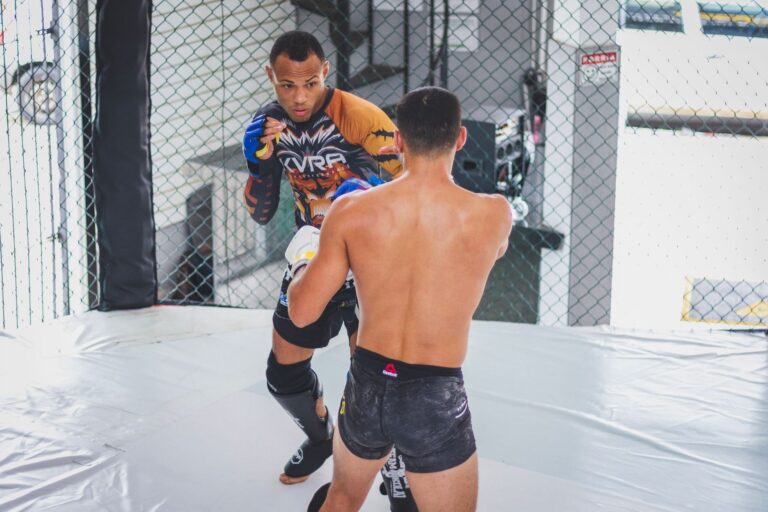
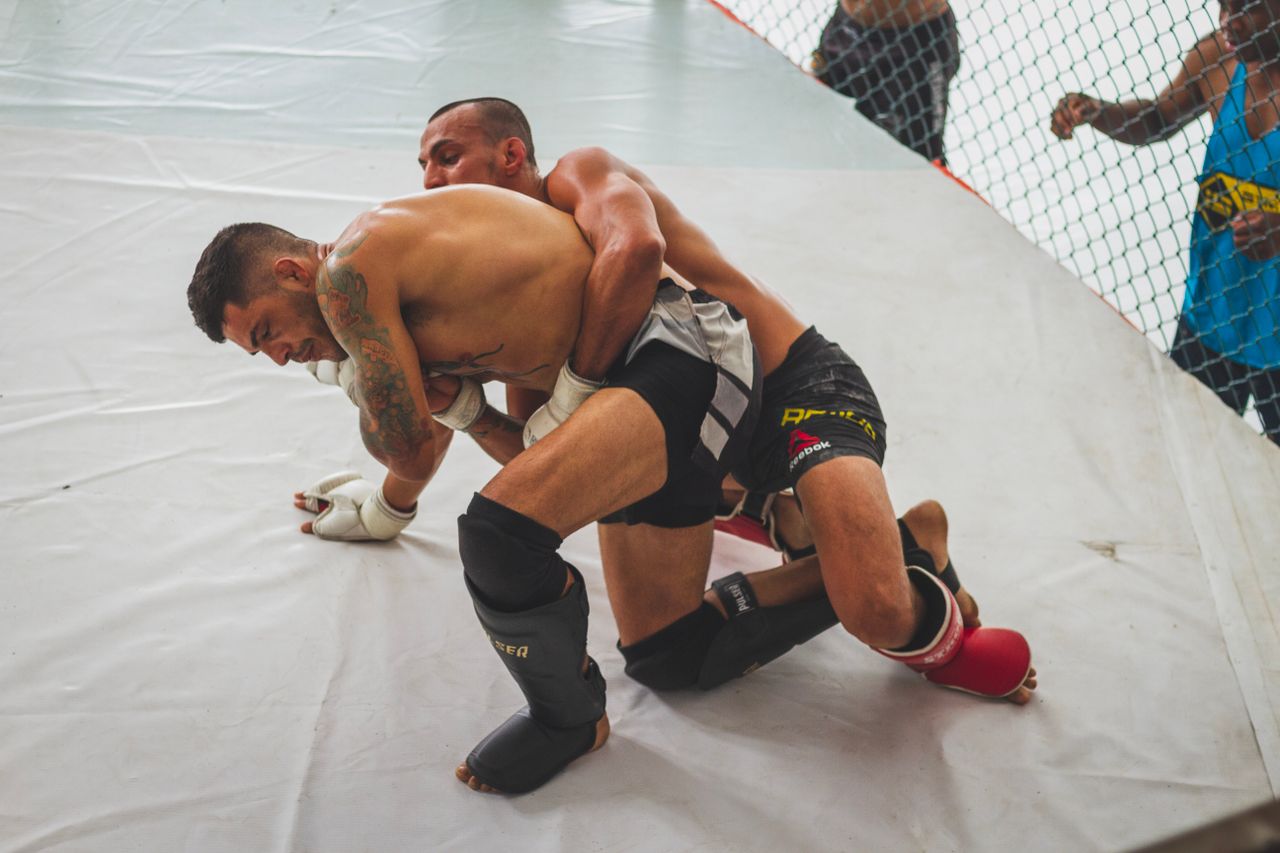
Moicano holds a black belt in Brazilian jiu-jitsu under the Gracie Humaita lineage, and his ground game shows it. He doesn’t just have BJJ credentials — he uses BJJ concepts to structure how he approaches every position in a fight, including standing. His clinch entries are designed to create trips. His cage work sets up double-legs and body locks. Even his boxing combinations are thrown with grappling positioning in mind.
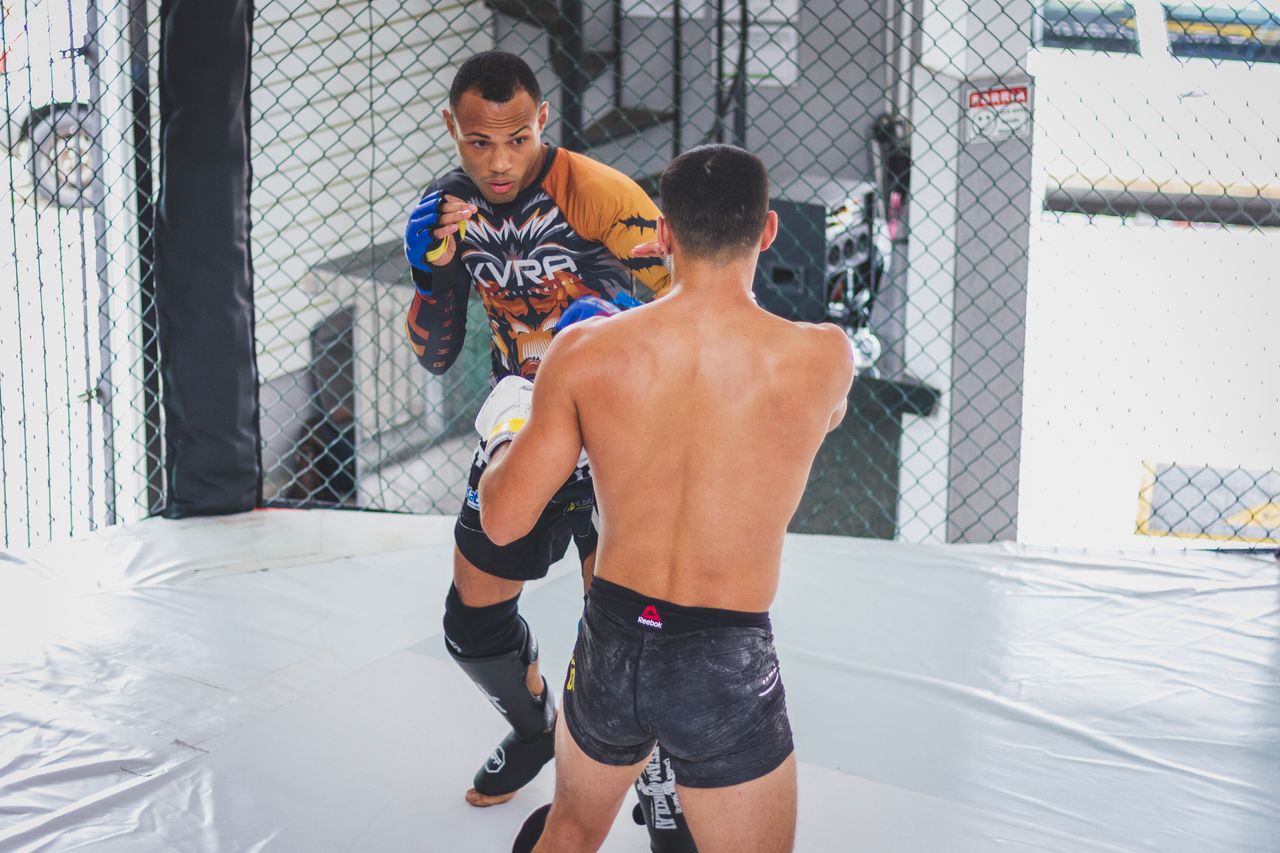
On the mat, he is precise rather than frantic. Brazilian grappling under pressure often turns into frantic scrambling, but Moicano is patient. He waits for position before committing to a submission attempt, which means he doesn’t burn out chasing submissions he can’t finish. When he goes for the rear-naked choke or the triangle, the position is almost always already secured. That patience is what separates good BJJ practitioners from great ones.
Technical Boxing That Makes Smart Use of Cage Angles
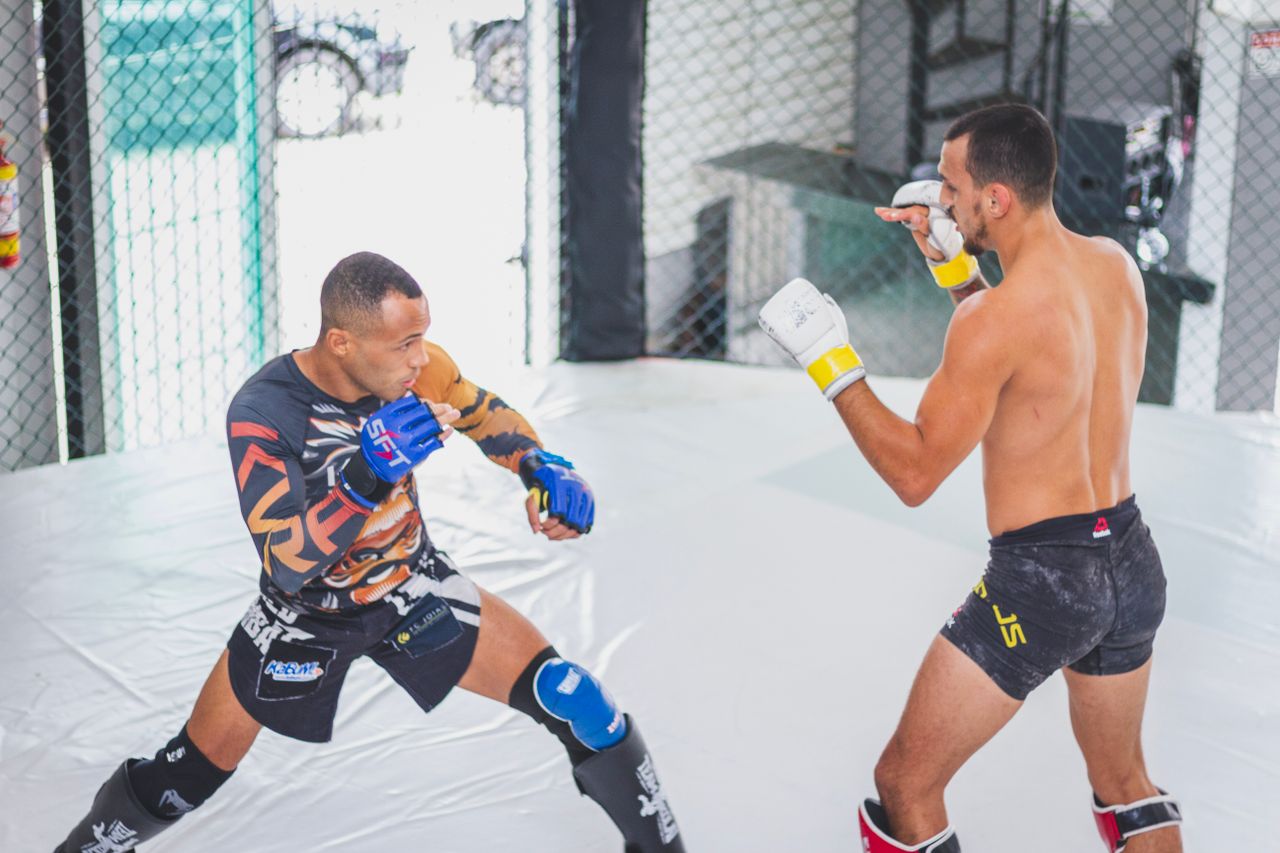
Moicano’s striking doesn’t win aesthetic awards, but it’s built for MMA cage geometry. He throws clean jabs and crosses from a tight guard, moves laterally when he needs space, and uses the fence to angle off when opponents overcommit on combinations. His counter-punching is particularly sharp — he has good timing on the counter left hook and can land the jab-right hand combination cleanly against fighters who lead without setting up their attacks.
The level-change threat makes his boxing genuinely dangerous. Because opponents know Moicano can shoot or transition to the clinch at any moment, they can’t just defend his striking as pure striking. That mixed-threat tension is what opens his boxing up. His combinations wouldn’t be as effective against pure strikers — but in MMA, against opponents managing grappling fear, they land at a higher rate than the technical quality alone would suggest.
The Lightweight Move and Why It Made Moicano More Dangerous
Moicano fought most of his early career at featherweight (145 lbs). Moving to lightweight (155 lbs) gave him something he never had at featherweight: physical size that matches his game. Moicano’s grappling and pressure style benefits from carrying more weight into exchanges. At FW, strong physical fighters could shrug off his clinch entries. At LW, he plays from a base that actually supports the style he wants to use.
His conditioning at LW has also been notably better. The cut to featherweight was hard on his body — energy management was always a factor in his later rounds at 145. At 155, he has looked fresher through five rounds, which matters enormously for a grappler whose submission game sharpens when opponents fatigue. A tired opponent makes positional mistakes. Moicano’s patience means he’s still there to capitalize in round four when most grappling threats have already shot their shot and failed.
What the Makhachev Fight Revealed About Moicano’s Ceiling
Moicano didn’t win the championship fight against Islam Makhachev. He lost. But the way he competed revealed something important: he’s genuinely operating at the top level of the division, not just visiting. He dropped Makhachev — one of the most durable, technically superior fighters in MMA history — with a clean shot in the opening exchanges. That’s not a lucky punch. That’s timing and precision against elite competition.
Where Makhachev ultimately neutralized him was wrestling. Makhachev’s top control is simply in a different category from anyone Moicano had faced, and once he got position on the mat, he was able to manage Moicano’s submission attacks while advancing position. The lesson: Moicano’s ceiling is championship-level, but the gap in wrestling defense is real. Against opponents who can’t match Makhachev’s elite wrestling, Moicano looks like a top-five fighter in the world.
UFC 331 Rematch With Ortega: Why Moicano Has the Advantage This Time
The first Moicano vs. Ortega fight was at featherweight in 2018. Moicano TKO’d Ortega in the first round with sharp punching combinations. Ortega was the one who looked like the future back then — he went on to challenge for the FW title twice. Moicano took a winding road through featherweight and eventually found his home at lightweight. Now they meet again, and almost nothing about the fight is the same except the names.
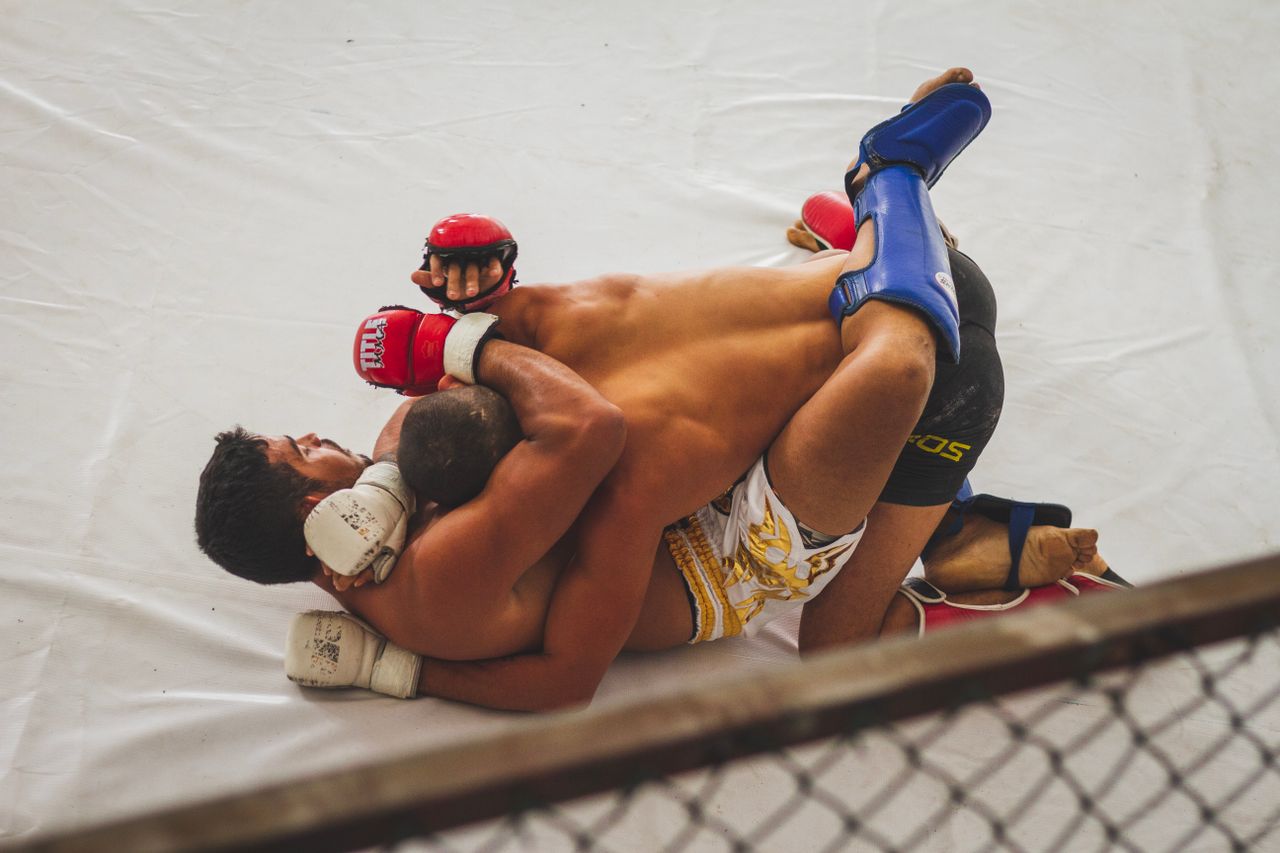
Brian Ortega’s grappling is genuinely elite — among the best submission finishers in UFC history. That’s the obvious danger for Moicano. Ortega catches submissions from bad positions and bad situations. His triangle from nowhere, his rear-naked choke in desperate scrambles — these are real threats that cannot be written off.
But Moicano’s BJJ base is specifically the counter to Ortega’s opportunistic submission hunting. He doesn’t hand Ortega bad positions to work from. He doesn’t leave his arms loose. He doesn’t panic-scramble, which is exactly when Ortega’s submission instincts are most dangerous. Moicano plays methodical grappling chess — and Ortega needs chaos to find his submissions. Moicano denies the chaos.
On the feet, Moicano should hold a clean edge. His boxing is tighter, his footwork is better, and his cage control is sharper. Ortega’s striking has improved but he’s still at his best when the fight is ugly and tactical positioning has broken down. Moicano specializes in not letting fights break down on his end.
How to Build a Moicano-Style Fighter in TKO Tycoon
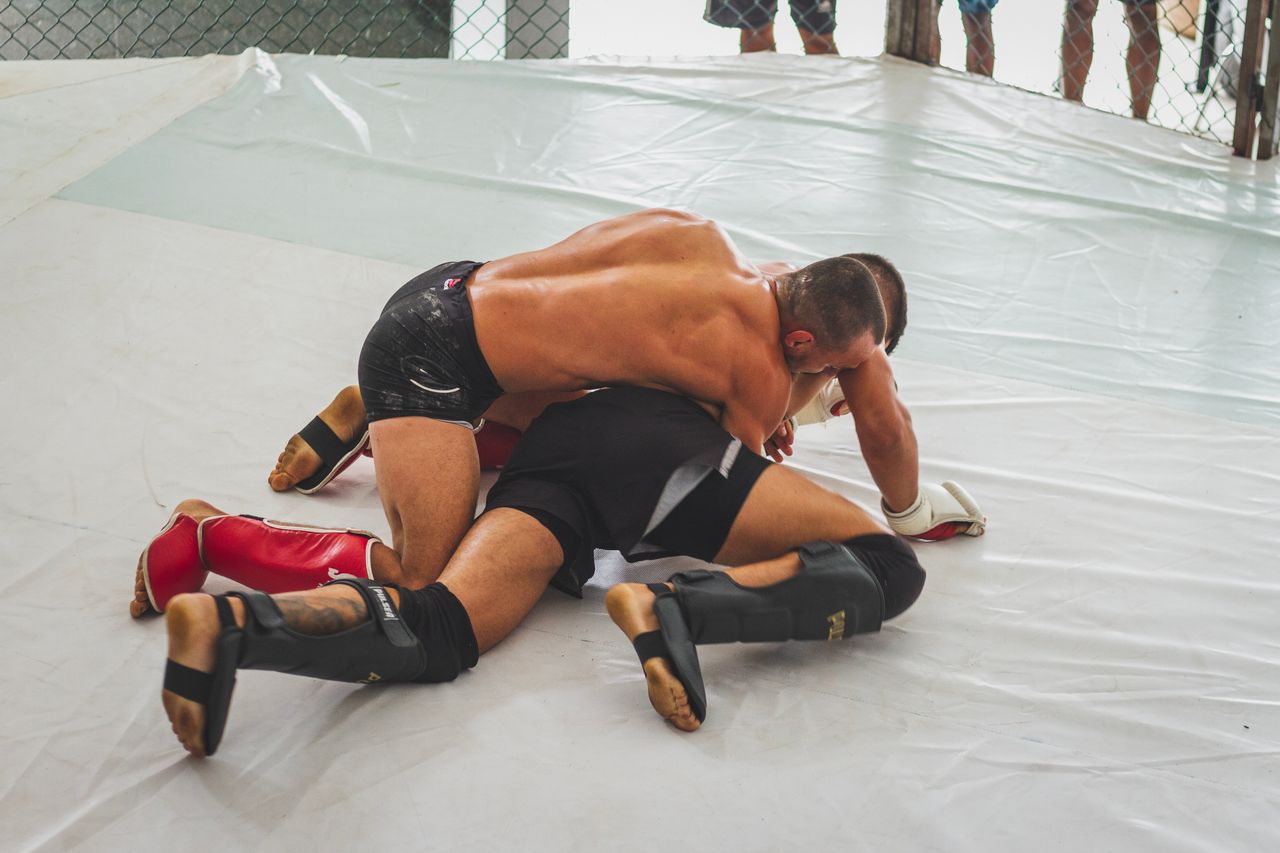
The Moicano archetype in TKO Tycoon is a BJJ practitioner who supplements ground game with enough boxing to control stand-up exchanges. The biggest mistake players make building this type of fighter is overfunding submissions while neglecting positioning and clinch control. Submissions come from position — without the entry tools, you’re investing in weapons you can’t deploy.
Priority order for the Moicano build: BJJ positional skills first, then clinch wrestling (for takedowns and cage work), then technical boxing (precision over power), then submission finishing. Cardio is the underrated stat for this archetype — patient grappling in round four is only possible if your engine holds up. A Moicano-style fighter who runs out of gas becomes an average grappler who can’t execute on the opportunities he creates.
Where this archetype struggles in TKO Tycoon: elite wrestlers with top control. Just like the real Makhachev shut Moicano down, a high-level wrestling-dominant opponent in the game can neutralize positional BJJ by never giving up bad positions from top. Counter by investing in stand-up fight IQ to deny the takedown — winning on the feet forces the wrestling-heavy opponent to chase the takedown, which opens scramble opportunities where your BJJ reasserts itself.
FAQ: Renato Moicano Fighting Style
- What fighting style does Renato Moicano use?
- Moicano is a Brazilian jiu-jitsu specialist who combines elite submission grappling with technical boxing. His style is built around methodical position control, patient submission setups, and the constant threat of takedowns that opens up his striking.
- Has Renato Moicano ever fought for a UFC title?
- Yes. Moicano fought Islam Makhachev for the UFC Lightweight Championship and dropped the champion early before losing the fight. It was one of the closest anyone has come to stopping Makhachev in recent years and established Moicano as a legitimate elite-level lightweight.
- Who did Moicano beat at UFC 331?
- At UFC 331, Moicano is fighting Brian Ortega in a rematch — their first meeting was in 2018 at featherweight, where Moicano won by TKO. The rematch takes place at or near the lightweight division and is expected to be a high-skill grappling-heavy matchup.
- Why did Moicano move from featherweight to lightweight?
- Moicano made the jump to lightweight after struggling with the featherweight cut and his performance at 145 lbs. At lightweight, his grappling and pressure style has more physical backing — he’s bigger, fresher, and more effective through five rounds at the higher weight class.
Build the next Moicano. TKO Tycoon lets you develop BJJ-boxing hybrid fighters who grind opponents down with patient grappling and sharp counter-striking. Master the position-before-submission approach and watch your fighter finish fights in the championship rounds.
References
- UFC.com — Renato Moicano Athlete Profile — Official fight record, stats, and career history
- MMA Fighting — Renato Moicano Fighter Page — Coverage of all Moicano fights and analysis
- ESPN MMA — UFC 331 fight card coverage and fighter profiles