Mario Bautista Fighting Style: How MMA’s Quietest Grappler Bullied His Way Into the Title Picture
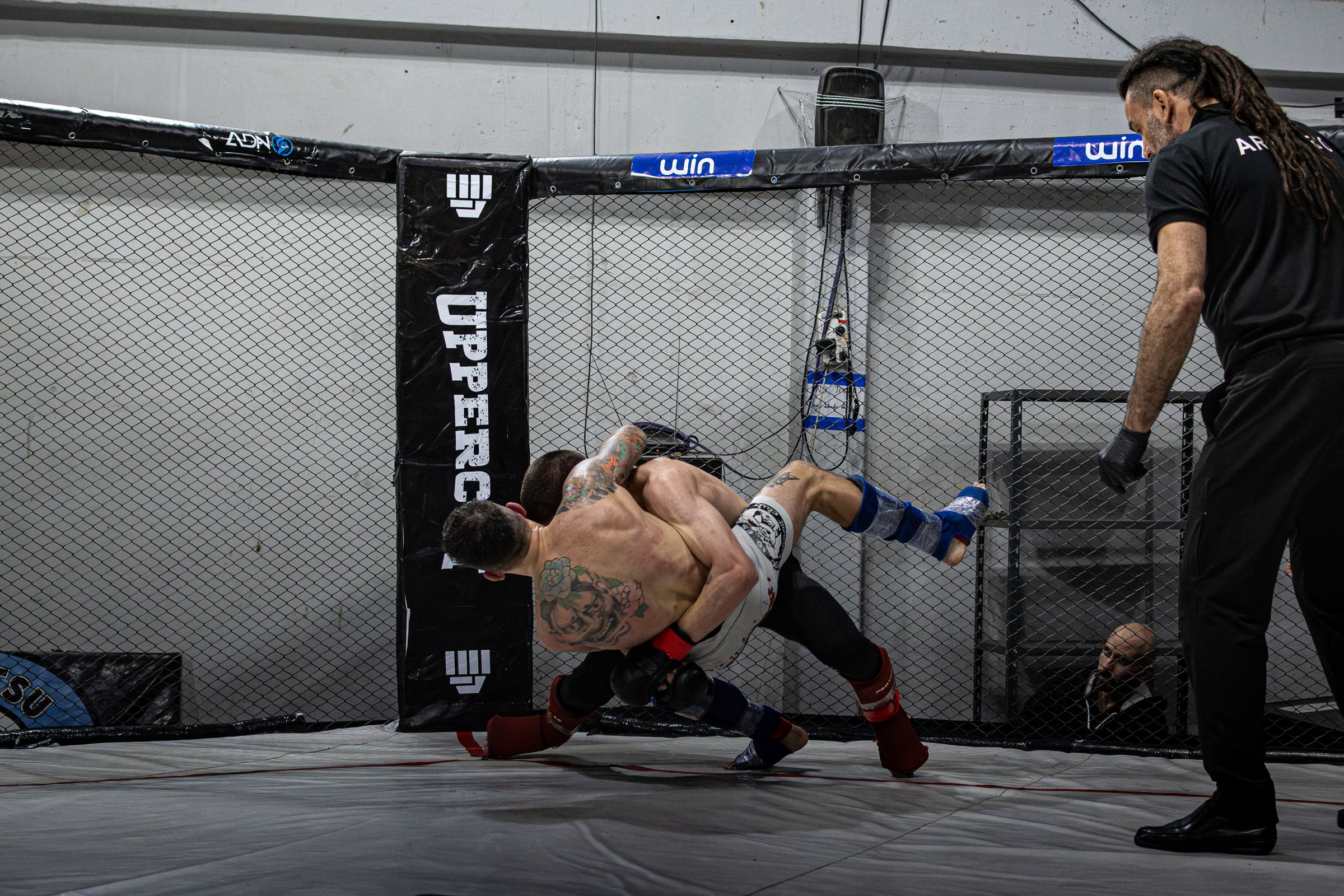
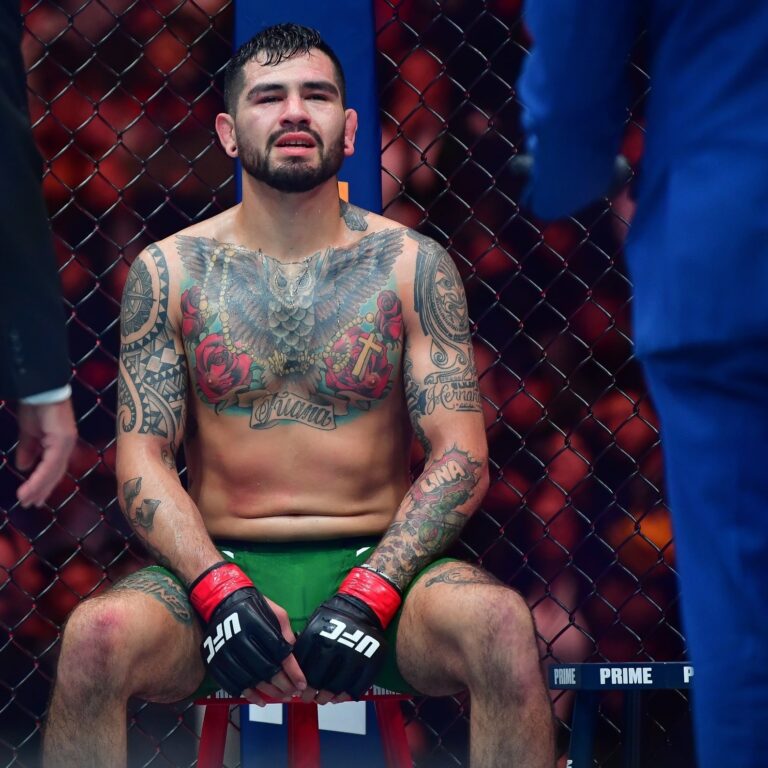
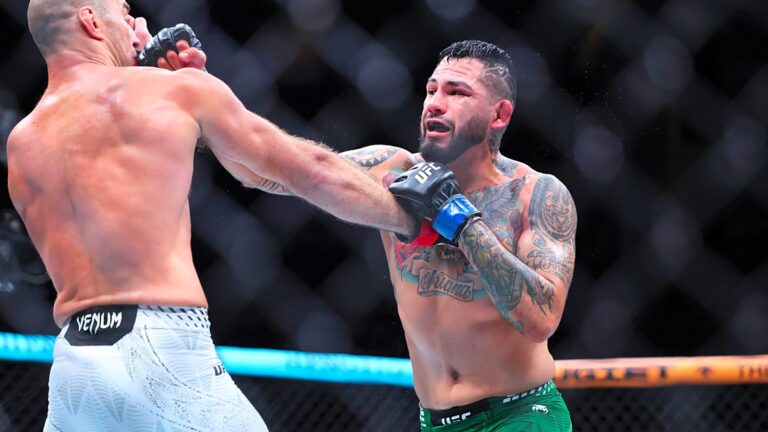
Cory Sandhagen is one of the slickest strikers the bantamweight division has ever produced, and on July 11 at UFC 329 he spent 15 minutes getting walked down, wrestled to the fence, and chewed up with leg kicks by a man most casual fans still can’t spell. Mario Bautista won all three rounds. He also avenged a loss to the same fighter, damaged Sandhagen’s lead leg so badly it visibly changed how he moved, and quietly stapled his name to the top five at 135.
Bautista is now 18-3. He has the third-longest win streak in UFC bantamweight history sitting on his record. And almost nobody outside the hardcore crowd is talking about him. That is a mistake, and it is the whole reason this fighter is dangerous. Let’s break down the style that keeps turning technically superior strikers into decision losses.
Who Is Mario Bautista and Why the Sandhagen Win Matters
Mario Bautista is a 135-pound contender out of Arizona who beat Cory Sandhagen by unanimous decision at UFC 329, avenging an earlier career loss. The win pushed him to #4 in the bantamweight rankings and extended a run that now includes back-to-back statement performances over ranked opposition. It was, by distance, the biggest result of his career.
The reason it matters goes past one scorecard. Sandhagen was supposed to be the gatekeeper who exposed Bautista as a good-not-great grinder. Instead Bautista out-positioned him everywhere the fight went. When you beat a top-five striker at his own range and then drag him into yours, evaluators stop calling you a prospect and start calling you a problem.
Mario Bautista’s Fighting Style Starts With a Wrestling Base
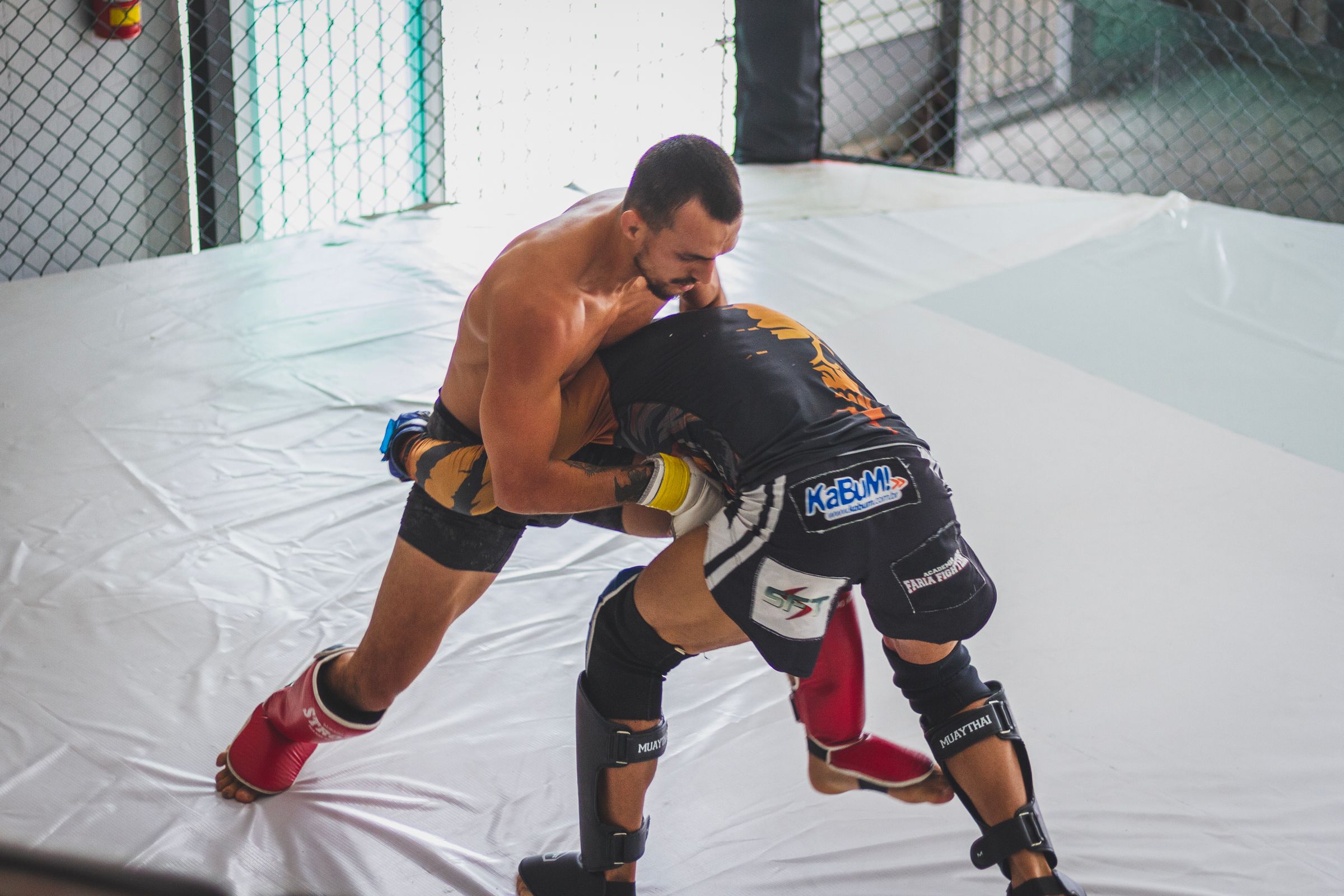
Bautista’s fighting style is built on a wrestling foundation he’s been sharpening since age 14. He wrestled through high school before adding jiu-jitsu, and that order matters: the wrestling gets him to the mat, the jiu-jitsu keeps him there. Against Sandhagen he used level changes and cage wrestling to erase a striking disadvantage on paper.
What separates his wrestling from the average “lay-and-pray” grinder is that he chains it to his striking. He’ll throw a hard combination not to score points but to freeze the feet, then drop underneath for a reactive takedown. It’s the same principle behind good chain wrestling — you don’t need one perfect entry, you need three ugly ones that add up. Sandhagen kept stuffing the first attempt and eating the second.
The Grappling: Seven Submissions and Suffocating Top Control
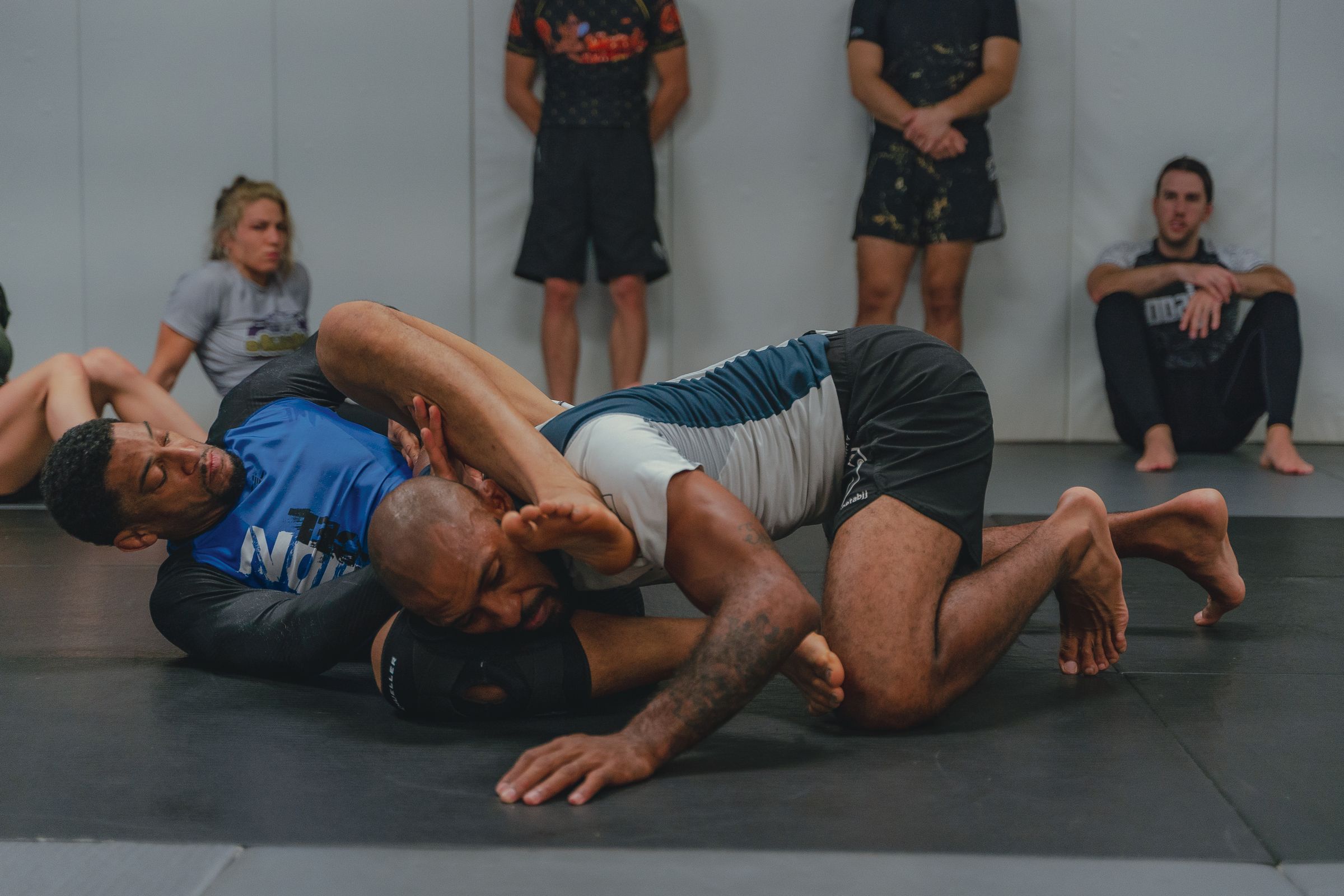
Seven of Bautista’s 18 wins have come by submission, the largest single share of his finishes. Once he establishes top position he’s less interested in flashy leg entanglements and more interested in slowly crushing the air out of you — heavy hips, constant chest pressure, and hands hunting for the neck the moment you turn to escape.
This is where his style is genuinely mean. Plenty of wrestlers can get you down; few make the next four minutes feel like a punishment. Bautista rides the hips, mixes in short elbows to bait the scramble, and cashes in when you give up your back. The finish rate near 59 percent isn’t an accident — it’s what happens when top control is treated as an offense, not a resting position.
The Striking Nobody Gives Him Credit For
Because the grappling is the headline, people undersell Bautista’s hands and legs. Against Sandhagen the deciding weapon wasn’t a takedown at all — it was a low-kick campaign that mangled the lead leg and took the bounce out of one of the division’s best movers. That is a striker’s read, not a wrestler’s.
He’s not a knockout artist, and he’ll tell you that himself. But he throws in volume, targets the body and legs to set up the level change, and rarely gets caught cleanly because his defense is built around constant motion and range management. The striking doesn’t have to win rounds outright. It just has to make the wrestling free.
The Umar Nurmagomedov Loss That Still Defines His Ceiling
Bautista’s eight-fight win streak — third-longest in bantamweight history — ended in October 2025 when Umar Nurmagomedov edged him over three close rounds at UFC 321. It wasn’t a blowout. Umar out-grappled the grappler in spots and won the exchanges that mattered, and that single result is still the line separating Bautista from a title shot.
Here’s the uncomfortable truth for Bautista: the man who beat him is the same man standing between him and the belt. Umar is the division’s premier wrestler-grappler, and beating him would mean solving the exact puzzle that already stumped him once. Rematches like that are where careers get made or capped.
Where Bautista Fits in the Bantamweight Title Picture
At #4 with two ranked wins in a row, Bautista is one big fight from a title eliminator. Champion Merab Dvalishvili sits at the top of a division stacked with Umar Nurmagomedov, Sean O’Malley, and a returning Petr Yan. Bautista isn’t the loudest name in that group, but he may be the worst stylistic matchup for half of them.
The case for Bautista is simple: he drags strikers into deep water and out-grapples grapplers just enough to steal rounds. The case against him is Umar, and until that’s settled the ceiling stays visible. If you want to see how a cardio-and-pressure grappler like champion Merab Dvalishvili built a title reign on the same blueprint, the parallel is obvious — Bautista is a slightly meaner, less proven version of that formula.
What Bautista Teaches You About Building a Fighter in TKO Tycoon
Bautista’s rise is a lesson in fight-building priorities, and it maps neatly onto how you develop a roster in the TKO Tycoon game. His edge isn’t one elite stat — it’s the way average-looking attributes stack into a style with no easy exit. Grappling gets him the position, cardio lets him hold it, and pressure does the damage over 15 minutes.
The trap players fall into is chasing a single 90-rated finishing skill. Bautista is the argument for the opposite: build a fighter whose wrestling, top control, and gas tank all sit in the high 70s and reinforce each other. That fighter doesn’t get the highlight-reel KO, but he wins the rounds that pay the bills — and in a long season, consistency beats fireworks.
Frequently Asked Questions
Did Mario Bautista beat Cory Sandhagen?
Yes. Bautista beat Cory Sandhagen by unanimous decision (29-28 across all three cards) at UFC 329 on July 11, 2026. He controlled the grappling and badly damaged Sandhagen’s lead leg with low kicks, avenging an earlier loss to Sandhagen.
What is Mario Bautista’s fighting style?
Bautista is a grappling-first bantamweight with a wrestling base he’s trained since 14, layered with jiu-jitsu. He uses cage wrestling and reactive takedowns to reach dominant top control, then hunts submissions. Seven of his wins are by submission.
What is Mario Bautista’s UFC record and ranking?
Bautista is 18-3 as a professional and ranked #4 in the UFC bantamweight division after UFC 329. He owns the third-longest win streak in bantamweight history at eight straight, a run ended only by Umar Nurmagomedov in October 2025.
Who does Mario Bautista fight next?
No bout is official yet, but a rematch with Umar Nurmagomedov or a title eliminator against a top-three contender makes the most sense. At #4 with two ranked wins, Bautista is one significant victory away from a bantamweight title shot.
Play the Game That Rewards Style, Not Just Stars
Bautista’s career is proof that the smartest build wins more than the flashiest one. Test that theory yourself in the TKO Tycoon game — recruit prospects, develop their grappling and cardio, and manage a roster all the way to a title run, right in your browser.
References
- Yahoo Sports – UFC 329 result, leg damage, and revenge-win details
- Wikipedia – Bautista record, win streak history, and finish breakdown
- UFC.com – Official athlete profile and division ranking
- Wikipedia – Sandhagen recent form and ranking context