Southpaw vs Orthodox: Why the Stance Matchup Quietly Decides MMA Fights
Left-handers make up roughly one in ten people. Yet walk through the list of MMA champions and boxing legends and southpaws are everywhere — far past their share of the population. That gap isn’t luck. It’s the single most underrated edge in combat sports, and most fans watch it decide fights every weekend without ever noticing it.
The southpaw vs orthodox matchup is a chess problem disguised as a fistfight. Same punches, same kicks, mirrored stance — and suddenly half of what each fighter trained stops working. Here’s why the stance battle matters more than almost anything else happening in the cage.
What Is the Difference Between Southpaw and Orthodox?
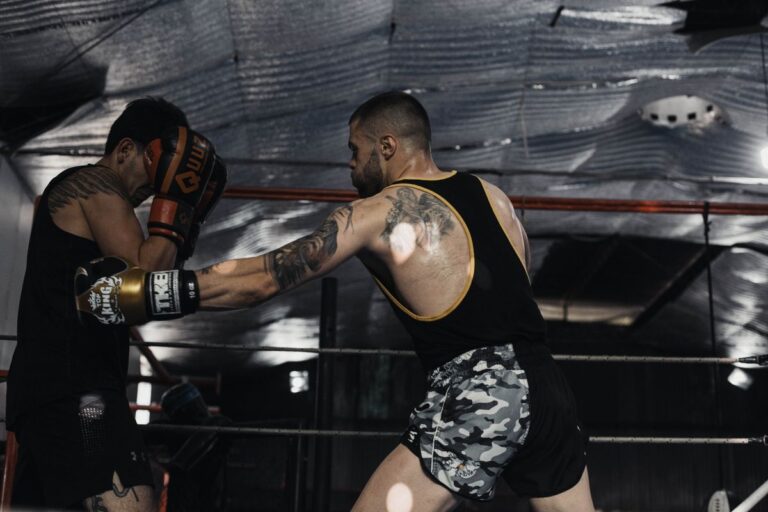
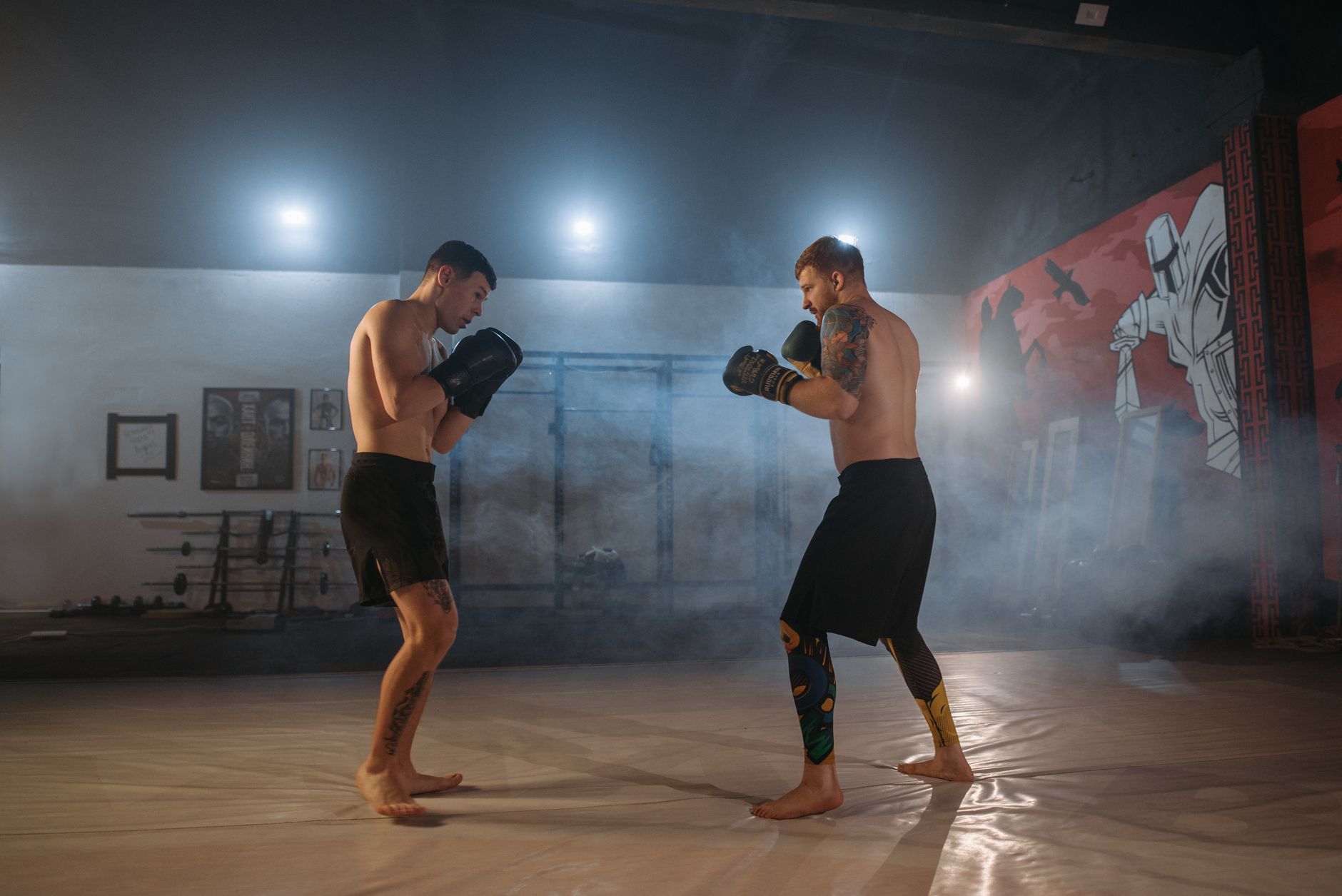
Orthodox fighters lead with the left hand and left foot forward, keeping the stronger right hand at the back for power. Southpaws mirror that exactly — right hand and right foot forward, left hand loaded behind. Most fighters are orthodox because most people are right-handed, which makes the southpaw the awkward exception almost nobody gets enough reps against.
That last part is the whole story. A southpaw spends every single training day working against orthodox partners because that’s who fills the gym. An orthodox fighter might go weeks without seeing a lefty. So when fight night arrives, one of these two has solved this puzzle a thousand times and the other is improvising. Guess who usually looks sharper.
Why Southpaw vs Orthodox Creates the Open Stance Problem
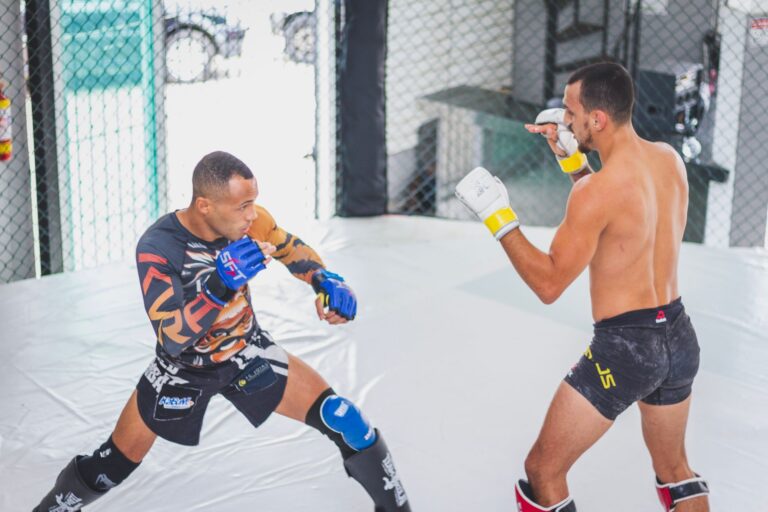
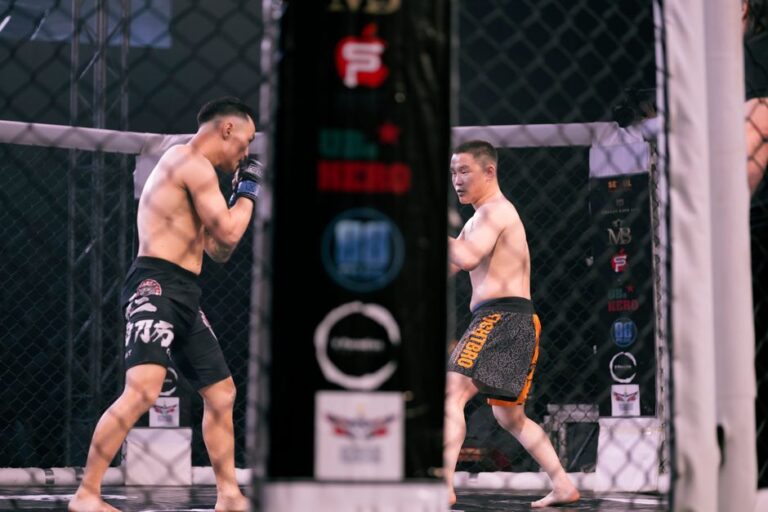
When a southpaw faces an orthodox fighter, their lead feet line up on the same side — this is called the open stance. Both fighters’ power hands are now on the outside, lined up for a clean rear straight. Lead hooks lose their angle, jabs collide, and the fight becomes a duel over whose back hand lands first.
Compare that to two orthodox fighters — a closed stance, where the lead hands are between the two fighters like a fence. In the open stance that fence is gone. The rear hand has a highway straight down the middle. This is why southpaw vs orthodox fights produce so many brutal one-punch knockouts: both power shots are always loaded and always in range.
It also flips footwork on its head. Against another orthodox fighter, you circle to your left, away from their power. Against a southpaw, that same movement walks you directly into their left hand. Half the muscle memory an orthodox fighter built over years now points the wrong way.
The Lead Foot Battle Decides the Whole Fight
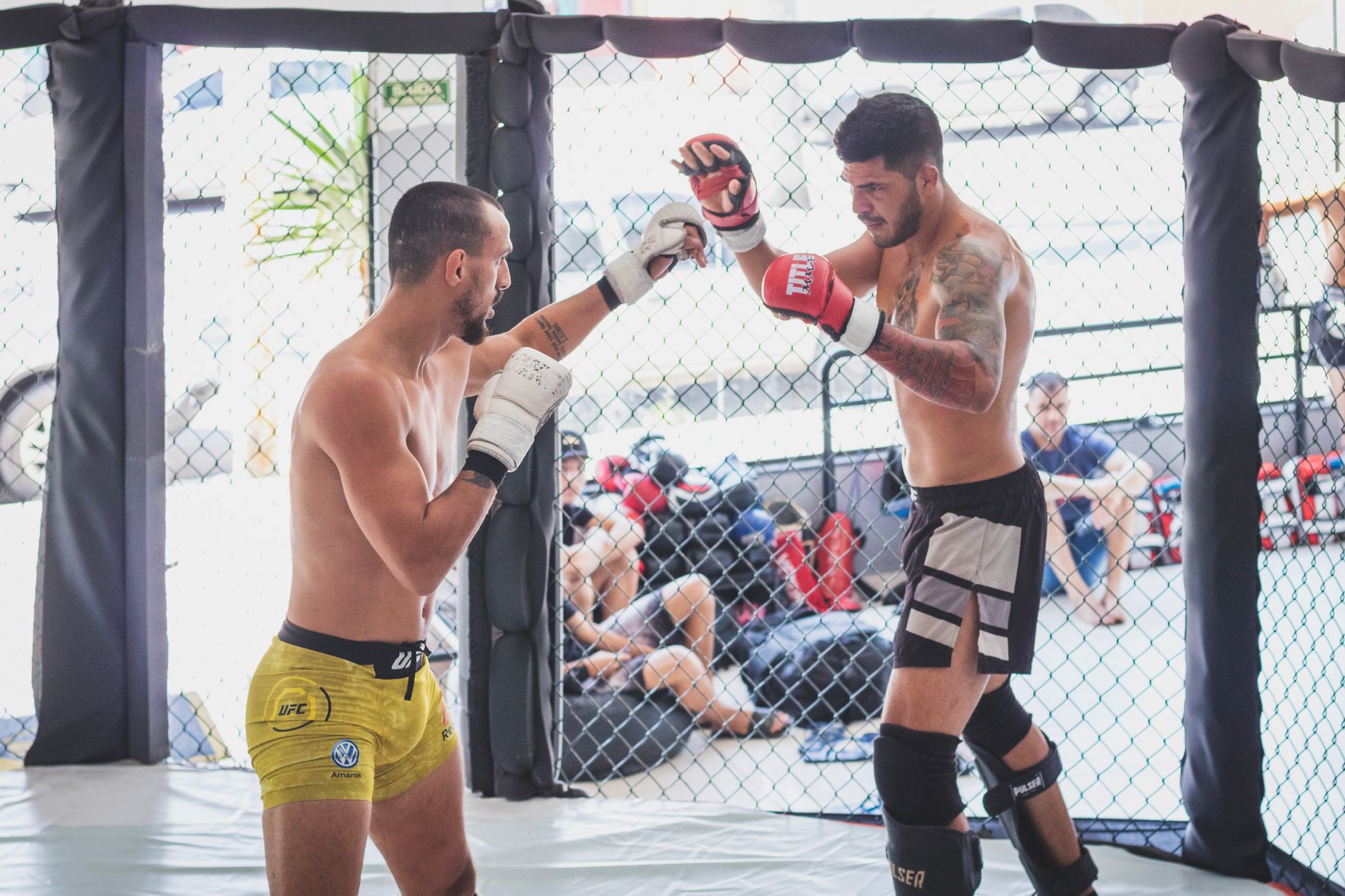
In an open-stance matchup, whoever gets their lead foot on the outside of their opponent’s lead foot wins the exchange before a punch is thrown. Outside foot position opens a clean lane for the rear straight while closing off the opponent’s. Elite southpaws obsess over this. It’s quiet, it’s constant, and it decides everything.
Watch the feet in any high-level open-stance fight and you’ll see a slow, grinding battle for that outside angle. Fighters tap, step, and pivot for position the way fencers do. When a southpaw plants their right foot outside the orthodox fighter’s left, the left hand is already on its way and there’s nothing in front of it. That’s the kill shot most casuals never see coming.
This is also where footwork separates contenders from champions. If your movement is sloppy, a good southpaw will steal the outside angle every time you reset. Drilling the right patterns matters here — our breakdown of MMA footwork drills that carry over to the cage covers the exact stepping mechanics that win the foot battle.
How Orthodox Fighters Beat Southpaws Anyway
Orthodox fighters crack the southpaw code with three tools: the lead hook over the top, the straight right hand to the body, and constant pressure to the outside foot. The jab also changes job — instead of a range-finder it becomes a tool to control the lead hand and clear a path. Win the foot battle and the lead hook follows.
The classic orthodox answer is the lead hook. Because the southpaw’s power hand sits on the outside, an orthodox fighter who steps in can fire a left hook around the guard while the southpaw is loading their straight. It’s a race, and the shorter, faster hook often wins it. Calf and leg kicks also do quiet damage here — the open stance leaves the southpaw’s lead leg exposed all night.
Why Southpaws Punch Above Their Numbers in MMA
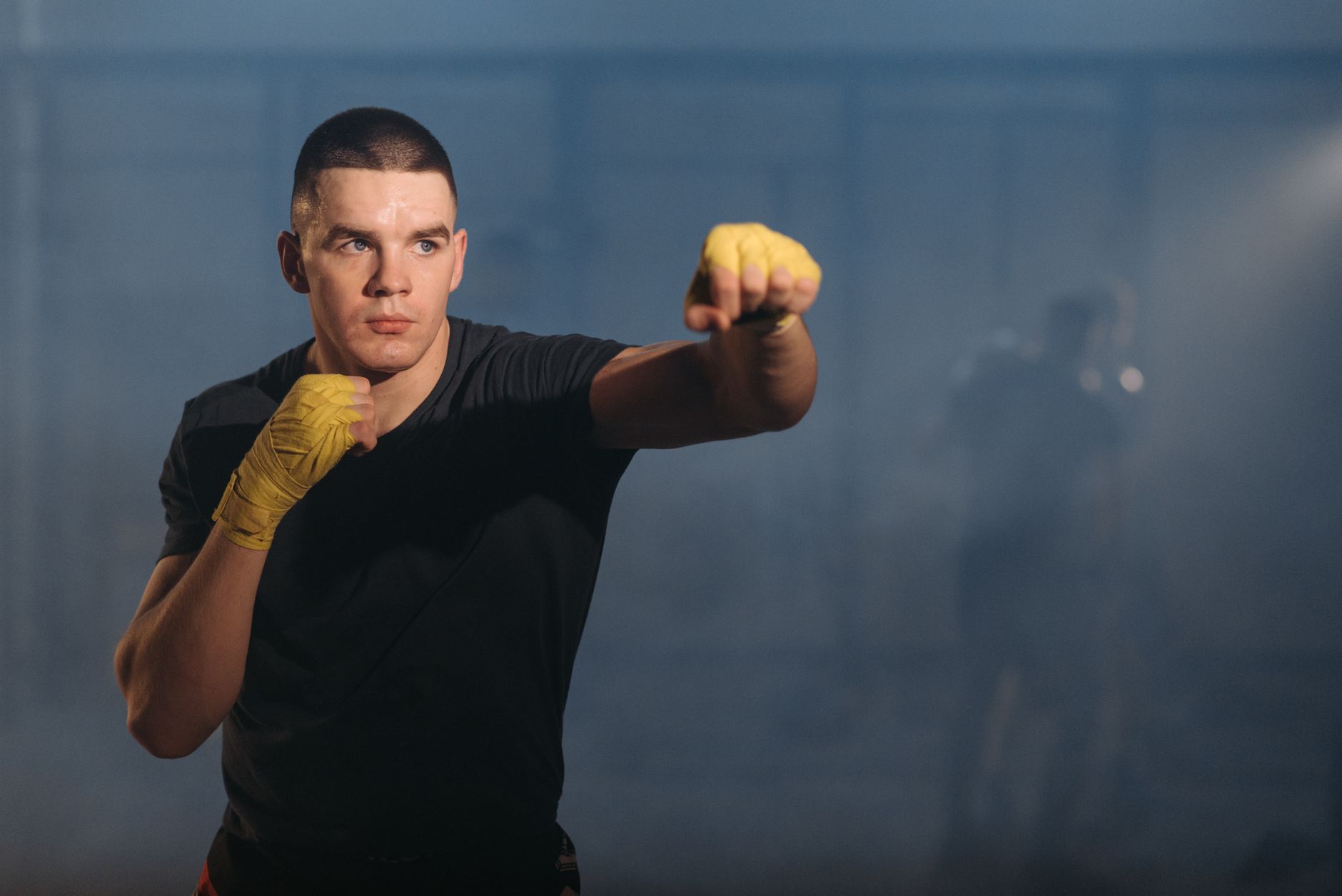
Southpaws are roughly 10 to 15 percent of the population but a far larger share of elite champions. The reason is exposure: lefties drill against righties constantly, while orthodox fighters rarely see a southpaw. The southpaw fights a familiar puzzle; the orthodox fighter fights a stranger. That asymmetry compounds at the highest level where small edges win belts.
Boxing made this famous — Marvin Hagler and Manny Pacquiao built Hall of Fame careers partly on the southpaw tax everyone else had to pay. In MMA, Conor McGregor weaponized the open stance with one of the most feared left hands the sport has seen. The pattern repeats because the math behind it never changes. Awkward beats orthodox more often than talent alone explains.
There’s a flip side worth saying out loud: a southpaw facing another southpaw is suddenly the confused one, because now they never train for it. The advantage was never about the left hand. It was always about who logged more reps against the unfamiliar.
How Stance Matchups Work in TKO Tycoon
In the TKO Tycoon game, stance and matchup matter the same way they do in real MMA. Building a southpaw on your roster gives you an edge against the orthodox majority, but you pay for it in training cost and in bad nights against other lefties. Smart managers stack the stance matchup before they ever book the fight.
That’s the part most new players miss. They chase raw striking and cardio numbers and ignore that a stance edge can flip a fight their fighter should lose on paper. Scout the opponent, check the stance, and match your booking to it. The same outside-foot logic that wins real open-stance fights is baked into how exchanges resolve in the game — reward the fighter who controls the angle.
Frequently Asked Questions
Is southpaw better than orthodox?
Neither stance is better on its own. Southpaws gain an edge mainly because they train against orthodox fighters constantly while orthodox fighters rarely face lefties. That exposure gap, not the stance itself, is what gives southpaws their reputation. Put two equally experienced fighters together and the advantage shrinks fast.
Why do southpaws fight orthodox fighters so well?
Southpaws spend almost every training session against orthodox partners because righties dominate every gym. By fight night a southpaw has solved the open-stance puzzle thousands of times. The orthodox fighter, who rarely drills against lefties, is seeing an unfamiliar problem under the worst possible conditions.
What is the open stance in MMA?
The open stance happens when a southpaw and an orthodox fighter face off, lining their lead feet up on the same side. Both fighters’ power hands sit on the outside with a clear path down the middle, which is why these matchups produce so many sudden knockouts.
How do you beat a southpaw?
Win the lead-foot battle by stepping outside their front foot, then attack with the lead hook over the top and the straight rear hand to the body. Constant calf and leg kicks to the exposed lead leg also wear southpaws down over a full fight.
References
- Scientific American — on left-handedness frequency in the population and its overrepresentation in combat sports.
- ESPN MMA — fighter records and stance data used to frame the southpaw-at-the-top pattern.
- UFC.com — technique and event coverage referenced for open-stance striking examples.
Play TKO Tycoon — the MMA management game for fight fans.
Shop on Amazon
MMA & Boxing Gear on Amazon →
As an Amazon Associate we earn from qualifying purchases.
Shop on eBay
MMA & Boxing Gear on eBay →
We may earn a commission when you shop through our eBay links.